How to Choose the Right Bone and Joint Specialist for Your Problem
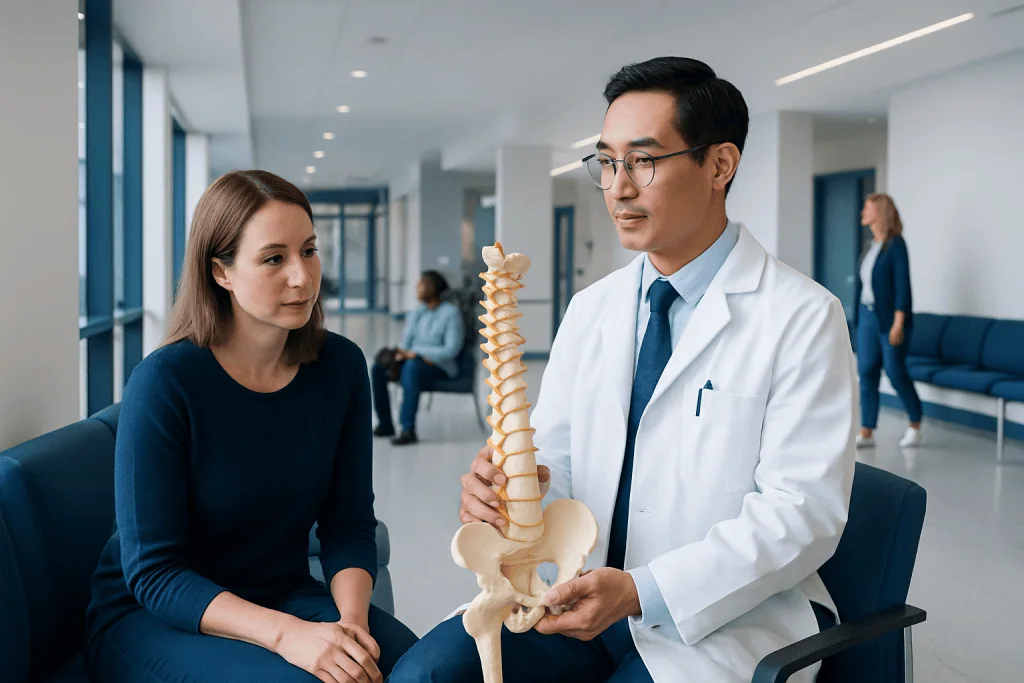
Different bone and joint problems are treated by different specialists, including orthopedists, rheumatologists, physiatrists, and spine experts. The pattern of symptoms often helps guide which doctor is most appropriate.
Key Takeaways
- Different bone and joint problems are treated by different specialists, including orthopedists, rheumatologists, physiatrists, and spine experts.
- The pattern of symptoms often helps guide which doctor is most appropriate.
- Imaging, physical examination, and medical history are important in choosing the right care pathway.
- Many musculoskeletal conditions improve with non-surgical treatment, rehabilitation, and lifestyle changes.
- Urgent symptoms such as severe trauma, sudden weakness, fever with joint pain, or loss of bladder or bowel control need prompt medical attention.
Choosing the right bone and joint specialist starts with understanding the source of the problem, such as injury, arthritis, back pain, or reduced movement. The best specialist depends on symptoms, likely diagnosis, and whether care may involve medication, rehabilitation, injections, or surgery.
Overview: What a Bone and Joint Specialist Does
A bone and joint specialist is a doctor who evaluates and treats problems affecting the musculoskeletal system. This includes bones, joints, muscles, tendons, ligaments, cartilage, and sometimes the spine. People often use the term broadly, but in practice several types of specialists may be involved depending on the cause of the symptoms.
An orthopedic specialist focuses on injuries, degeneration, deformities, and surgical or non-surgical treatment of bones and joints. A rheumatologist treats inflammatory and autoimmune conditions such as rheumatoid arthritis and some forms of connective tissue disease. A physical medicine and rehabilitation specialist, also called a physiatrist, helps manage pain, mobility problems, and recovery without surgery. Spine specialists may come from orthopedic or neurosurgical backgrounds, depending on the problem.
Choosing the right specialist does not always mean choosing a surgeon first. Many common concerns, such as knee pain, shoulder stiffness, back pain, or early arthritis, may be managed initially with examination, imaging, medication, rehabilitation, and activity changes. If needed, that doctor can then guide referral to a narrower subspecialty.
For many people, the best starting point is the doctor whose expertise most closely matches the symptoms. Understanding what kind of problem is most likely present can make the process less confusing and help avoid delays in diagnosis and treatment.
How Symptoms Can Point to the Right Specialist

The location, timing, and nature of symptoms can offer useful clues. Pain after a fall, sports injury, twist, or sudden impact is often best assessed by an orthopedic specialist, especially if there is swelling, deformity, reduced movement, or difficulty bearing weight. Problems like suspected fractures, tendon tears, ligament injuries, or meniscus injuries usually fit this category.
Symptoms that are more widespread, involve morning stiffness, affect several joints at once, or come with fatigue, rash, or unexplained swelling may suggest an inflammatory condition. In that setting, a rheumatologist may be the most appropriate specialist. Conditions such as rheumatoid arthritis, gout, lupus-related joint symptoms, and inflammatory arthritis often need blood tests and long-term medical management rather than surgery alone.
Back pain and neck pain can be more complex. If pain is mostly mechanical, related to posture, lifting, degeneration, or a recent strain, initial care may come from an orthopedic doctor, spine specialist, or physiatrist. If there is radiating pain, numbness, tingling, or weakness, a specialist with experience in nerve-related spine problems may be needed. In some cases, care may overlap with herniated disc or spinal stenosis assessment.
Some symptoms point to rehabilitation-focused care. These include chronic pain without major structural injury, stiffness after surgery, reduced range of motion, or the need to return safely to daily activities or sport. In such cases, a physiatrist or an orthopedic specialist working closely with physical therapy and rehabilitation may be especially helpful.
Common Types of Bone and Joint Specialists

Orthopedic specialists diagnose and treat conditions involving bones, joints, ligaments, tendons, and muscles. Some focus on general orthopedics, while others subspecialize in areas such as knee, hip, shoulder, foot and ankle, hand, trauma, sports injuries, or pediatric orthopedics. They may recommend medication, braces, injections, rehabilitation, or surgery when needed.
Rheumatologists specialize in diseases that cause joint inflammation, immune-related tissue damage, or recurrent swelling and pain. Their role is especially important when symptoms affect multiple joints, blood tests are abnormal, or there are body-wide symptoms such as fatigue, fever, or skin changes. They often work alongside primary care doctors, orthopedists, and rehabilitation teams.
Physiatrists focus on restoring function and reducing pain through non-surgical means. They often treat back pain, neck pain, repetitive strain injuries, arthritis-related movement problems, and post-injury recovery. Their treatment plans may include exercise therapy, guided injections, posture correction, and coordination with rehabilitation professionals.
Spine care may involve either orthopedic spine surgeons or neurosurgeons, depending on whether the main issue is bone alignment, disc disease, nerve compression, or spinal cord involvement. Sports medicine doctors may also help with overuse injuries, tendon conditions, and active patients who want conservative treatment first. If surgery becomes necessary, options may include procedures such as knee replacement or hip replacement for advanced joint damage, but many patients never need an operation.
Questions to Ask When Choosing a Specialist
It can help to ask whether the doctor regularly treats the exact type of problem involved. A specialist who frequently manages shoulder instability may be a better fit for recurrent shoulder injuries, while a doctor who focuses on arthritis may be more appropriate for long-standing joint degeneration or inflammatory disease. Subspecialty experience often matters as much as the general title.
Patients may also want to ask how the doctor approaches diagnosis and whether non-surgical options are considered before surgery when safe and appropriate. A balanced specialist should be able to explain likely causes, what tests are needed, and which treatments may help first. Good communication is important, especially for chronic conditions that need follow-up and shared decision-making.
Other practical questions include whether the doctor works in a multidisciplinary team, how rehabilitation is coordinated, and whether imaging or laboratory testing can be arranged efficiently. Bone and joint problems often improve best when doctors, radiologists, pain specialists, and physiotherapists work together rather than in isolation.
It is also reasonable to ask what warning signs should prompt urgent review, what recovery may involve, and whether treatment goals are pain relief, better movement, return to work, or prevention of further damage. A thoughtful specialist will tailor care to the person’s age, activity level, medical history, and preferences.
How Diagnosis Usually Works
Diagnosis usually begins with a detailed medical history and physical examination. The doctor may ask when the pain started, whether it followed an injury, what movements make it worse, and whether there is swelling, redness, locking, instability, numbness, or morning stiffness. Information about past injuries, family history, autoimmune disease, occupation, and sports or repetitive activities can also be important.
Imaging is often used when the examination suggests a structural problem. X-rays help assess fractures, alignment, arthritis, and some bone changes. Ultrasound may be helpful for tendons and soft tissues. MRI is often used for cartilage, ligaments, discs, meniscus tears, and deeper joint or spine conditions. CT scans may be used for certain bone injuries or more complex anatomy.
Blood tests are not needed for every bone or joint complaint, but they can be very useful when inflammation, infection, gout, or autoimmune disease is suspected. Joint fluid analysis may also be recommended if a joint is very swollen or painful and the cause is unclear. This can help distinguish crystal disease, infection, or inflammatory arthritis.
Sometimes symptoms overlap between orthopedic and rheumatologic conditions. For example, knee pain may come from wear-and-tear arthritis, overuse, referred pain from the hip or spine, or an inflammatory disease. In uncertain cases, the most effective care often comes from a team-based evaluation rather than a single isolated opinion.
Treatment Options: From Conservative Care to Surgery
Most bone and joint problems are treated first with conservative measures. These may include rest from aggravating activities, structured exercise, physical therapy, weight management when appropriate, anti-inflammatory medicines, pain relief strategies, braces, splints, or supportive footwear. For many conditions, these steps improve pain and function significantly without surgery.
Targeted injections may sometimes be offered for pain relief or inflammation control, depending on the diagnosis. Rehabilitation is especially important after injuries, for chronic back pain, and for arthritis-related stiffness. People with osteoarthritis often benefit from a long-term plan that combines movement, muscle strengthening, joint protection, and symptom control rather than relying on one treatment alone.
Surgery may be considered when there is a fracture, major tendon or ligament tear, significant mechanical instability, advanced joint damage, severe nerve compression, or failure of non-surgical treatment. Procedures vary widely, from arthroscopic surgery to repair soft tissues, to joint-preserving operations, to joint replacement. The right surgeon should clearly explain expected benefits, risks, alternatives, and recovery time.
When care is complex, multidisciplinary centers can be helpful. Acibadem International’s multidisciplinary specialists and JCI-accredited hospitals diagnose and treat bone, joint, and spine conditions for international patients, including evaluation for orthopedics and traumatology services when appropriate.
Prevention, Self-Care, and Getting the Most From an Appointment
Many bone and joint problems cannot be completely prevented, but daily habits can reduce strain and support long-term musculoskeletal health. Regular low-impact activity, muscle strengthening, flexibility work, safe lifting techniques, supportive footwear, and attention to posture can all help. For people with arthritis or recurrent pain, pacing activities and avoiding repeated overload may reduce flare-ups.
Maintaining a healthy weight can lower stress on weight-bearing joints such as the hips, knees, and spine. Preventing falls is also important, especially for older adults. Good home lighting, balance exercises, management of vision problems, and review of medicines that may affect balance can all play a role. Bone health also depends on adequate nutrition and medical evaluation when there are risk factors for low bone density.
Before seeing a specialist, it helps to prepare a short timeline of symptoms, previous treatments, current medications, and any imaging or lab results. Patients can also note which activities are limited, such as walking, climbing stairs, sleeping, dressing, working, or exercising. This gives the doctor a clearer picture of how the problem affects daily life.
It can be useful to bring a list of questions, including whether the condition is likely temporary or long-term, what activities are safe, what red flags to watch for, and what type of follow-up is needed. A well-prepared appointment often leads to a more focused evaluation and a clearer treatment plan.
When to See a Doctor Urgently
Urgent medical attention is important after major trauma, suspected fracture, sudden inability to move a limb, visible deformity, or inability to bear weight after an injury. These symptoms may indicate a serious structural problem that needs prompt imaging and treatment. Sudden severe swelling or pain in one joint should also be assessed, particularly if movement is very limited.
Joint pain with fever, redness, warmth, or feeling generally unwell may suggest infection or a strong inflammatory process and should not be ignored. Severe back or neck pain with numbness, weakness, trouble walking, or pain shooting down an arm or leg also needs timely assessment. Loss of bladder or bowel control along with spine symptoms is an emergency.
Persistent pain that lasts more than a few weeks, repeated joint instability, progressive stiffness, or pain that interrupts sleep should be evaluated even if it is not an emergency. Early assessment can help identify treatable causes before movement becomes more limited or damage progresses.
If it is unclear which specialist is best, a primary care doctor, general orthopedist, or musculoskeletal clinic can often guide the next step. The goal is not simply to find any specialist, but to find the one whose expertise best matches the pattern and likely cause of the problem.
Frequently asked questions
Should a person see an orthopedist or a rheumatologist first?
It depends on the pattern of symptoms. Sudden injury, mechanical pain, fractures, or joint instability often fit orthopedic care, while multiple painful swollen joints, morning stiffness, or suspected autoimmune disease may be better assessed by a rheumatologist. If the cause is unclear, a primary care doctor or general musculoskeletal specialist can help direct the referral.
Is every bone and joint specialist a surgeon?
No. Some specialists perform surgery, but many focus mainly on diagnosis, medication, pain management, rehabilitation, or long-term disease control. Even surgeons often begin with non-surgical treatment when it is appropriate and safe.
What symptoms suggest a spine specialist may be needed?
Back or neck pain with pain radiating into the arms or legs, numbness, tingling, weakness, or trouble walking may need specialist spine assessment. Persistent pain that does not improve with rest or therapy may also deserve further evaluation. Emergency care is needed if spine symptoms come with loss of bladder or bowel control.
Can joint pain be treated without surgery?
Yes. Many joint problems improve with exercise therapy, medication, injections, activity changes, bracing, weight management, and rehabilitation. Surgery is usually considered when symptoms are severe, joint damage is advanced, or conservative treatment has not provided enough relief.
What should a person bring to a bone and joint specialist appointment?
It helps to bring a list of symptoms, past injuries, current medications, previous treatments, and any recent imaging or blood test results. Notes about what movements worsen the pain and how daily activities are affected can also be very useful. This information can make the visit more efficient and accurate.
How can someone know if a specialist is the right fit?
A good fit usually means the doctor regularly treats that specific kind of condition, communicates clearly, and explains both diagnostic steps and treatment options. It is reasonable to ask about subspecialty experience, likely recovery, and whether non-surgical options will be considered. Shared decision-making is especially important for chronic or complex musculoskeletal problems.
References
- American Academy of Orthopaedic Surgeons
- American College of Rheumatology
- National Institute of Arthritis and Musculoskeletal and Skin Diseases
- National Health Service
- World Health Organization
This article is for general information only and is not a substitute for professional medical advice. Please consult a qualified doctor about your individual situation.
Joint and spine care in Turkey — expert assessment & treatment
JCI-accredited · board-certified surgeons · reply within 24h
Add us as a Preferred Source to see more of our trusted health content across Google Search, AI Overviews and Discover.