How to Choose the Right Hospital or Clinic for a General Health Check

A suitable hospital or clinic should offer evidence-based health checks tailored to age, sex, symptoms, and risk factors. Accreditation, qualified doctors, reliable laboratory services, and clear reporting are important signs of quality.
Key Takeaways
- A suitable hospital or clinic should offer evidence-based health checks tailored to age, sex, symptoms, and risk factors.
- Accreditation, qualified doctors, reliable laboratory services, and clear reporting are important signs of quality.
- The best health check is not always the largest package; unnecessary tests can add cost and confusion.
- Patients should compare costs, language support, convenience, and follow-up care before booking.
- A general health check should lead to practical next steps, not just a long list of test results.
Choosing the right hospital or clinic for a general health check involves more than location or price alone. A good choice balances medical quality, appropriate testing, clear communication, and practical support before and after the visit.
Overview: What makes a good place for a general health check
A general health check is a preventive medical visit designed to review overall health, identify possible risk factors, and detect some conditions early. It may include a medical history, physical examination, blood and urine tests, blood pressure measurement, and age-appropriate screening tests. The right hospital or clinic should provide a checkup that is medically appropriate, clearly explained, and suited to the individual rather than a one-size-fits-all package.
Many people begin by comparing price, location, or how quickly they can get an appointment. These are practical factors, but quality of care matters just as much. A good center combines experienced doctors, dependable test facilities, strong hygiene and safety standards, and a structured process for explaining results and arranging follow-up when needed.
It is also helpful to remember that more testing is not always better. An ideal provider focuses on useful, evidence-based screening instead of offering an extensive list of tests that may not be necessary. The goal is to support long-term health decisions, not simply to generate many numbers on a report.
How to define personal health check needs before booking
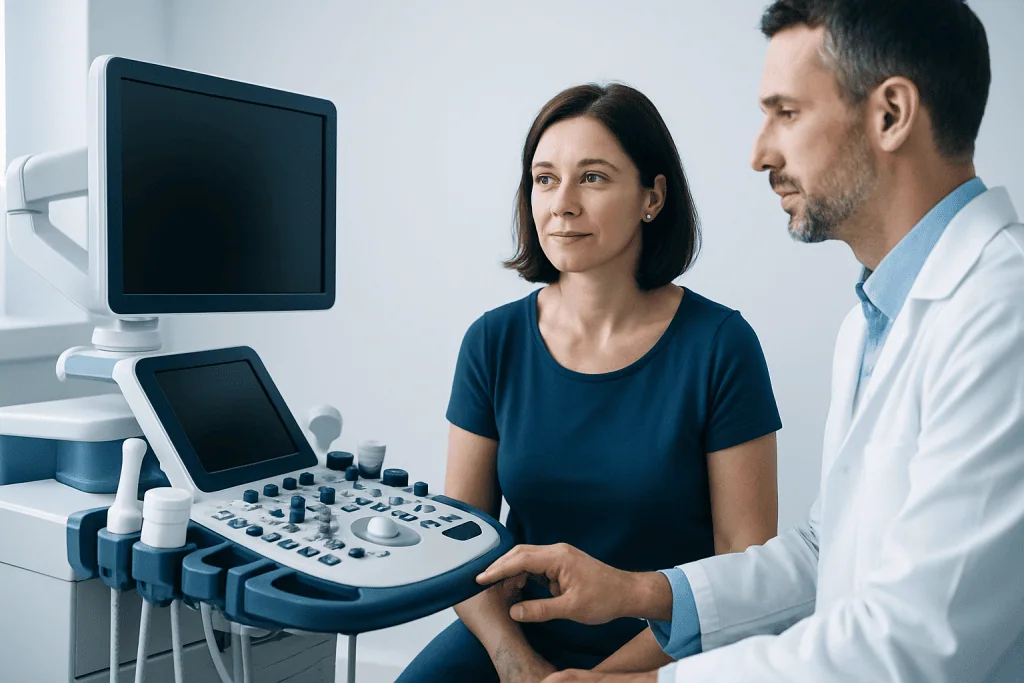
Before choosing a hospital or clinic, it helps to understand what the health check is meant to achieve. A healthy young adult with no symptoms may need a different evaluation than an older adult, a person with a family history of heart disease, or someone already living with diabetes, high blood pressure, or thyroid disease. Age, sex, medical history, lifestyle, and current symptoms all influence what tests are appropriate.
Patients can make a short list of their priorities before booking. These may include screening for blood pressure, cholesterol, diabetes, liver or kidney function, cancer screening, heart health, bone health, or women’s and men’s preventive care. If there are ongoing concerns such as fatigue, digestive symptoms, headaches, weight changes, or sleep problems, a general check should ideally be able to connect the person with the right specialist if needed.
It can also be useful to ask whether the clinic offers basic preventive services only or whether it can arrange further assessment if something abnormal appears. For example, some findings may lead to check-up and screening follow-up, targeted cardiology evaluation, or specialist review in areas such as endocrinology care. A center that can coordinate care smoothly often makes the process less stressful and more efficient.
Signs of quality: accreditation, doctors, and diagnostic services

One of the clearest signs of a reliable hospital or clinic is recognized accreditation and a strong patient safety culture. Accreditation does not guarantee a perfect experience, but it shows that the organization meets defined standards for quality, safety, and clinical processes. Patients can also look for transparent information about infection control, laboratory quality, imaging standards, and how results are reviewed.
The qualifications of the medical team are equally important. A good health check should not be limited to test collection alone. Ideally, a physician reviews the person’s history, examines them, interprets results in context, and explains what the findings mean. Laboratories, radiology departments, and specialists should be part of a coordinated system rather than disconnected services.
Reliable diagnostic support matters because general health checks often depend on accurate blood tests, imaging, and age-appropriate screening. A high-quality center should have clear protocols about which tests are routinely recommended and when extra testing is justified. This helps reduce both under-testing and over-testing while improving the usefulness of the visit.
Choosing the right tests and avoiding unnecessary packages
Health check packages can vary widely. Some focus on essential preventive tests, while others include many investigations that may not be useful for most people. The best provider is one that explains why each test is being offered and whether it fits the patient’s age, sex, symptoms, and risk profile. This individualized approach is often more valuable than choosing the biggest package available.
In general, useful screening may include blood pressure, body measurements, blood sugar, cholesterol, kidney and liver function tests, and selected cancer screening based on age and risk. Depending on the situation, a doctor may also recommend heart evaluation, bone density testing, vaccination review, or screening for conditions such as hypertension or diabetes. These decisions should be guided by clinical need rather than marketing language.
Patients may want to ask several practical questions before booking:
- Which tests are included, and why are they recommended?
- Will a doctor review personal and family medical history first?
- Are there tests that may not be necessary for someone with no symptoms?
- What happens if a result is borderline or abnormal?
- Can unnecessary repeat testing be avoided if recent results are available?
A clinic that welcomes these questions is often more focused on patient-centered care and informed decision-making.
Practical factors: cost, convenience, communication, and privacy
Once medical quality has been considered, practical details become important. Cost should be transparent and easy to understand. Patients should know what is included in the package, whether consultation fees are separate, and whether extra charges may apply if additional tests are needed. A low advertised price may not reflect the full cost if essential services are added later.
Convenience also shapes the experience. Many people prefer a center that allows same-day testing, coordinated appointments, and efficient movement between departments. Short waiting times, accessible location, parking, and clear scheduling matter, especially for people balancing work, childcare, or travel. For international patients, language interpretation and help with medical records can be particularly valuable.
Communication quality is another major factor. Patients should be able to understand preparation instructions, such as fasting requirements, medication questions, and what to bring on the day of the visit. Privacy should also be respected at every stage, from registration and consultation to reporting of results. Good communication reduces anxiety and helps patients use their health information effectively.
Why follow-up care matters as much as the tests themselves
A general health check is most useful when it leads to clear next steps. Results should be explained in simple language, ideally with a discussion of what is normal, what may need monitoring, and what requires treatment or specialist review. A printed or digital report is helpful, but it should not replace a proper conversation with a doctor.
Follow-up is especially important when findings are borderline rather than clearly abnormal. Some results may improve with lifestyle changes, while others may need repeat testing or targeted assessment. For example, elevated blood pressure, high cholesterol, anemia, thyroid abnormalities, or digestive symptoms may need closer evaluation. In some cases, the patient may be referred for gastroenterology evaluation or another specialist review depending on the findings.
A well-organized hospital or clinic should explain who to contact after the visit and how results will be shared. It should also support continuity of care, whether that means returning to the same provider, coordinating with the patient’s regular doctor, or arranging further consultation. Near the end of the decision process, some international patients may also consider centers such as Acibadem International, where multidisciplinary specialists and JCI-accredited hospitals provide diagnosis and treatment for a wide range of health concerns.
Questions to ask before choosing a hospital or clinic
Asking direct questions can help patients compare providers more confidently. The answers often reveal whether the service is built around thoughtful medical care or around selling large test bundles. A reputable center should be willing to explain its process clearly and without pressure.
Helpful questions include:
- Who will review the medical history and perform the examination?
- Are the tests based on preventive guidelines and personal risk factors?
- Is the laboratory accredited or quality controlled?
- How and when will results be explained?
- What follow-up options are available if something abnormal is found?
- Are previous medical records and outside test results accepted?
- What support is available for international or non-native-speaking patients?
It may also help to check whether the center has a primary care or internal medicine framework rather than treating the check as an isolated transaction. Preventive care works best when the findings are interpreted over time and connected to overall health goals.
When to seek prompt medical care instead of a routine health check
A general health check is intended for prevention and routine assessment. It is not the right setting for urgent symptoms or medical emergencies. If a person has chest pain, severe shortness of breath, sudden weakness, confusion, heavy bleeding, severe abdominal pain, or signs of stroke, they should seek emergency medical care rather than book a standard checkup.
Even less urgent but ongoing symptoms may need a focused medical appointment instead of a broad screening package. Unexplained weight loss, persistent fever, blood in stool or urine, repeated fainting, a new breast lump, or significant changes in bowel habits should be evaluated by a doctor promptly. In these cases, a targeted diagnostic plan is usually more appropriate than routine screening alone.
For people who feel well and want preventive care, a general health check can still be a valuable step. Choosing a hospital or clinic with strong medical standards, individualized testing, and reliable follow-up helps turn that checkup into meaningful health guidance.
Frequently asked questions
How often should a person have a general health check?
The ideal timing depends on age, medical history, family history, and existing risk factors. Some people benefit from regular annual review, while others may need less frequent preventive visits or more focused follow-up based on their doctor’s advice.
Is the most expensive health check package usually the best one?
Not necessarily. A better health check is one that is tailored to the individual and includes evidence-based tests that match their needs. Very large packages may include tests that are unnecessary or difficult to interpret without improving preventive care.
What should a patient bring to a general health check appointment?
It is helpful to bring identification, a list of current medications, previous test results if available, and details of personal and family medical history. Patients should also mention symptoms, allergies, vaccinations, and any recent hospital visits or surgeries.
Why is accreditation important when choosing a hospital or clinic?
Accreditation shows that a healthcare organization has been assessed against defined quality and safety standards. While it is only one factor, it can give patients added confidence about clinical processes, patient safety, and overall organization.
Should a person choose a hospital or a small clinic for a health check?
Either may be appropriate depending on the person’s needs. A small clinic may be suitable for simple routine checks, while a hospital can be helpful if specialist assessment, imaging, or same-day follow-up is more likely to be needed.
What happens if a health check finds something abnormal?
An abnormal result does not always mean serious disease. It may require repeat testing, lifestyle changes, monitoring over time, or referral to a specialist so the finding can be assessed in the right clinical context.
References
- World Health Organization
- Centers for Disease Control and Prevention
- U.S. Preventive Services Task Force
- National Institute for Health and Care Excellence
- Joint Commission International
This article is for general information only and is not a substitute for professional medical advice. Please consult a qualified doctor about your individual situation.
Explore treatments in Turkey — costs, top hospitals & a free quote
JCI-accredited · board-certified surgeons · reply within 24h
Add us as a Preferred Source to see more of our trusted health content across Google Search, AI Overviews and Discover.
Check your numbers in seconds
BMI, calories, due date, blood pressure and 30+ more clinical calculators — free, instant, doctor-reviewed ranges.