

How to Eliminate a Pimple? A Doctor-Reviewed Answer
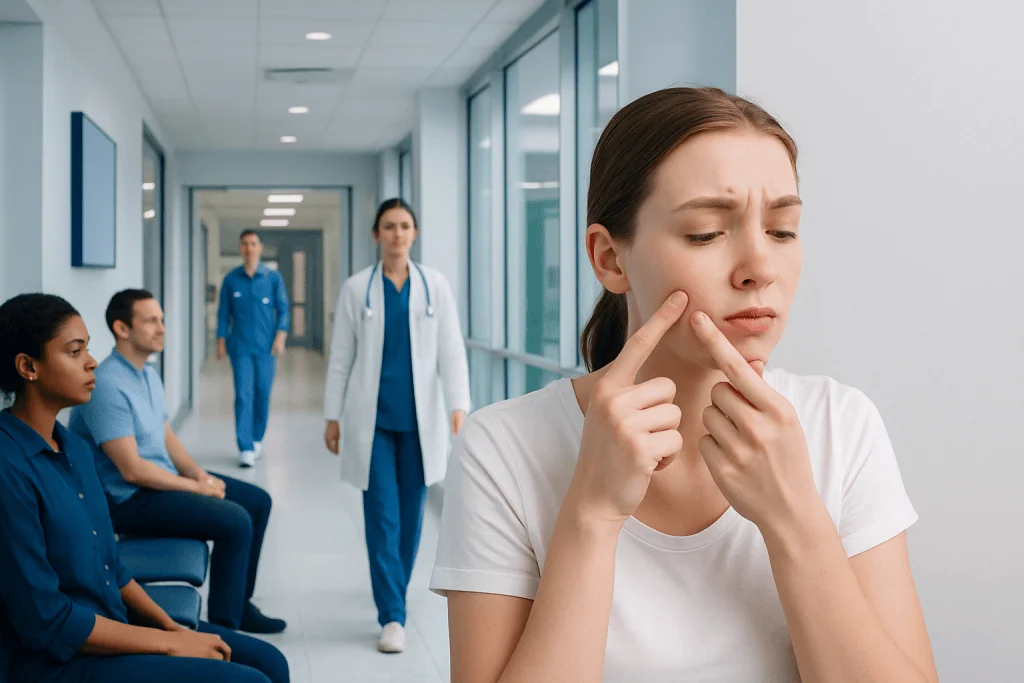
A pimple usually improves without being squeezed, picked, or scrubbed. Gentle cleansing and a suitable acne active ingredient can help reduce inflammation and clogged pores.
Key Takeaways
- A pimple usually improves without being squeezed, picked, or scrubbed.
- Gentle cleansing and a suitable acne active ingredient can help reduce inflammation and clogged pores.
- Hydrocolloid patches may protect a surface pimple from touching and picking, but do not treat deep cysts.
- A doctor should assess painful deep lumps, spreading redness, repeated breakouts, scarring, or sudden severe acne.
- Effective acne care often takes several weeks of consistent use, rather than overnight treatment.
Most individual pimples are harmless and improve with gentle skin care, time, and appropriate over-the-counter acne treatment. The safest way to eliminate a pimple is to avoid squeezing it, reduce inflammation, and seek medical advice when breakouts are painful, frequent, deep, or leaving scars.
How to Eliminate a Pimple Safely
Most pimples are harmless and settle on their own within days to a few weeks. To eliminate a pimple as safely as possible, cleanse the skin gently, use an appropriate over-the-counter acne product if suitable, and avoid squeezing, picking, or harsh scrubbing, which can make inflammation and marks more likely.
A pimple forms when a hair follicle becomes blocked with oil and dead skin cells. Bacteria that normally live on the skin and the body’s inflammatory response can then contribute to redness, swelling, and tenderness. There is rarely a safe way to make a pimple disappear immediately, but careful treatment can help it become less noticeable and lower the chance of scarring.
For a newly inflamed pimple, a cool compress wrapped in a clean cloth may temporarily reduce discomfort and swelling. A small amount of a leave-on acne product containing benzoyl peroxide, salicylic acid, or adapalene may be helpful when used as directed on the label. It is sensible to introduce one active product at a time, as using several strong products together can cause irritation.
The First 24 Hours: What Helps and What Can Worsen It
The simplest approach is often the best. Wash the affected area with a mild cleanser and lukewarm water, then pat it dry with a clean towel. Avoid washing repeatedly during the day; over-cleansing can disrupt the skin barrier, causing dryness and irritation that may make acne feel worse.
For a red surface pimple, an acne spot treatment can be applied carefully after cleansing. Benzoyl peroxide helps reduce acne-causing bacteria and inflammation, while salicylic acid helps clear blocked pores. Adapalene is a retinoid-like acne treatment that helps prevent new clogged pores, but it is generally used across acne-prone skin consistently rather than as a single emergency spot treatment.
Do not try to extract the pimple with fingernails, needles, or home extraction tools. Pressure can push follicle contents deeper into the skin and may lead to more swelling, infection, prolonged healing, dark marks, or scars. Avoid applying toothpaste, undiluted essential oils, alcohol, lemon juice, or abrasive scrubs, as these can burn or irritate the skin without reliably treating acne.
- Use clean hands before touching the face.
- Choose non-comedogenic, fragrance-free moisturizer and sunscreen where possible.
- Consider a hydrocolloid pimple patch for a superficial pimple that has opened or is likely to be picked.
- Change pillowcases regularly and clean items that frequently touch the face, such as phone screens or sports equipment.
Why Pimples Appear

Pimples are a common feature of acne, a skin condition that can affect people at any age. They may appear as blackheads, whiteheads, red bumps, pustules, or deeper tender lumps. Acne often affects the face, chest, shoulders, and back because these areas have many oil-producing glands.
Hormonal changes can increase oil production, which is why breakouts are especially common during puberty, around menstrual periods, during pregnancy, and in some hormonal conditions. Stress does not directly cause acne in everyone, but it may worsen existing breakouts for some people. Family tendency, certain cosmetics or hair products, friction from helmets or masks, and some medicines can also contribute.
Diet is not the sole cause of pimples. However, some people notice that particular eating patterns seem to coincide with more breakouts. Rather than following restrictive diets, it is reasonable to observe personal triggers and discuss persistent acne with a clinician. A balanced diet, adequate sleep, and stress-management practices support general skin health, though they are not substitutes for proven acne treatment.
Not every facial bump is acne. Folliculitis, rosacea, contact dermatitis, ingrown hairs, and certain skin infections can resemble pimples. This is one reason recurring or unusual lesions may need a professional assessment.
Choosing an Acne Product Carefully
Over-the-counter acne products work best when they match the type of breakout and are used consistently. Benzoyl peroxide is commonly used for inflamed red pimples and can bleach fabrics, towels, or hair. Salicylic acid may be useful for blackheads, whiteheads, and mildly clogged pores. Adapalene can help prevent comedones and inflammatory acne over time, but it may cause temporary dryness, peeling, or irritation when first started.
Begin with a small amount and follow the product instructions. Using more than directed does not speed healing and can cause redness or peeling. A gentle, non-comedogenic moisturizer can make treatment more comfortable, particularly when using benzoyl peroxide or adapalene. Daily broad-spectrum sunscreen is also important because irritation and sun exposure may make post-inflammatory dark marks more noticeable.
People who are pregnant, trying to conceive, or breastfeeding should ask a doctor, pharmacist, or other qualified clinician before using acne treatments, especially retinoid products such as adapalene. Those with eczema, very sensitive skin, or a history of allergies may also benefit from individualized advice. If burning, swelling, hives, severe peeling, or persistent worsening occurs, the product should be stopped and medical guidance sought.
A single pimple may improve quickly, but an acne routine usually needs several weeks to show its full benefit. Changing products every few days can make it difficult to identify what is helping and may increase irritation.
When to Seek Medical Care
Medical review is appropriate for pimples that are very painful, deep, large, or repeatedly return in the same area. A clinician should also assess acne that is causing scars, dark marks that persist, emotional distress, or difficulty with daily confidence and social activities. Effective treatment can help reduce active acne and limit long-term skin changes.
Prompt medical care is important if redness is spreading quickly, the skin is hot and markedly swollen, there is fever or feeling unwell, swelling occurs around the eyes, or a lesion is rapidly worsening. These signs are not typical of a simple pimple and may indicate a skin infection or another condition needing timely assessment.
Sudden severe acne in adulthood, acne accompanied by irregular periods or excess facial hair, or breakouts starting after a new medication may also warrant evaluation. In these situations, a doctor can consider whether hormonal factors, medication effects, or other health issues are contributing.
For persistent or scarring acne, a dermatologist can discuss prescription options and a personalized skin-care plan. Acibadem International’s multidisciplinary specialists and JCI-accredited hospitals diagnose and treat skin conditions, including acne, for international patients.
What a Doctor May Check
For most people, acne is diagnosed by looking at the skin and discussing the pattern of breakouts. A doctor may ask when the pimples began, where they occur, whether they are painful or itchy, what skin products have been used, and whether there is a family history of acne. They may also ask about menstrual patterns, pregnancy plans, medicines, supplements, shaving habits, and cosmetic products.
The examination helps distinguish acne from conditions that need different care. For example, a rash around the mouth, inflamed hair follicles, rosacea, or an allergic reaction can appear similar to acne but may not improve with standard acne products. Most people do not need blood tests or scans for routine acne.
Tests may be considered when symptoms suggest an underlying hormonal concern, such as sudden onset of significant acne together with irregular periods, increased body hair, scalp hair thinning, or other endocrine symptoms. The choice of testing depends on the person’s history and examination findings. This careful assessment helps ensure treatment addresses both the skin symptoms and any relevant contributing factors.
Doctors may grade acne by the number and type of lesions, the presence of nodules or cysts, and whether scars are developing. This guides whether topical treatments alone are likely to be enough or whether prescription tablets, procedures, or other options should be considered.
Preventing Future Breakouts and Skin Marks
Preventing pimples is usually more effective than repeatedly treating individual spots. Cleanse acne-prone skin once or twice daily and after heavy sweating, using a gentle product rather than a harsh scrub. Apply moisturizer if the skin feels dry, as dryness can make people stop useful acne treatments too soon.
Choose makeup, sunscreen, moisturizers, and hair products labeled non-comedogenic or oil-free when possible. Remove makeup before sleeping. If hair oils or styling products touch the forehead, they may contribute to clogged pores in some people; keeping hair clean and away from the face can help.
Try not to touch or rest the face on the hands. Avoid picking at pimples, even after they have formed a visible head. Picking is a major preventable contributor to prolonged redness, post-inflammatory hyperpigmentation, and scarring. If picking feels difficult to control, patches and practical barriers can help, and discussing this behavior with a clinician may be useful.
For recurrent acne, consistency matters. A simple routine with a gentle cleanser, one evidence-based acne treatment, moisturizer, and sunscreen is often easier to maintain than a complicated routine with many products. If improvement is not seen after a reasonable trial or the skin becomes irritated, professional advice can help refine the plan.
Frequently asked questions
Can a pimple be eliminated overnight?
A pimple cannot always be eliminated overnight, especially if it is deep or inflamed. Gentle cleansing, a suitable spot treatment, and avoiding picking may reduce redness and swelling, but complete healing often takes longer.
Should a pimple be popped when it has a white head?
It is usually safer not to pop a pimple, even when a white head is visible. Squeezing can push material deeper into the skin and increase the chance of inflammation, infection, dark marks, and scarring.
What is the best spot treatment for a pimple?
The best option depends on the type of pimple and a person's skin sensitivity. Benzoyl peroxide may help inflamed pimples, while salicylic acid can help unclog pores; a pharmacist or doctor can help choose a suitable product.
Do ice and pimple patches work?
A cool compress can temporarily ease swelling and tenderness in an inflamed pimple. Hydrocolloid patches can protect a superficial spot from touching and may absorb fluid, but they do not remove deep cysts or treat the cause of recurring acne.
How long should acne treatment be used before deciding it is not working?
Many acne treatments need several weeks of regular use before meaningful improvement is clear. If acne is worsening, causing significant irritation, leaving scars, or not improving after a consistent trial, a doctor or dermatologist should be consulted.
When is a pimple not a normal pimple?
A lesion may need assessment if it is severely painful, rapidly enlarging, warm, spreading redness, associated with fever, or located near the eye with swelling. Recurrent deep lumps, scarring acne, or sudden severe adult acne also deserve medical review.
References
- American Academy of Dermatology Association
- National Institute of Arthritis and Musculoskeletal and Skin Diseases
- National Health Service
- Mayo Clinic
- American Academy of Family Physicians
This article is for general information only and is not a substitute for professional medical advice. Please consult a qualified doctor about your individual situation.
Hair transplant in Turkey — costs, graft counts & a free assessment
JCI-accredited · board-certified surgeons · reply within 24h
Add us as a Preferred Source to see more of our trusted health content across Google Search, AI Overviews and Discover.

More from the Health Library



Related Specialists

Dr. Nima Babavand Arablou
Emergency Service
Assoc. Prof. Dr. Akif İşlek
Ear Nose & Throat
Dr. Ömer Kayakıran
Emergency Service
Dt. Zeynep Arıkan
Oral & Dental Health