How to Find the Right Orthopedic Doctor Near You

An orthopedic doctor treats problems involving bones, joints, muscles, ligaments, tendons, and the spine. The right specialist often depends on the body area involved, the severity of symptoms, and whether care may include surgery, rehabilitation, or imaging.
Key Takeaways
- An orthopedic doctor treats problems involving bones, joints, muscles, ligaments, tendons, and the spine.
- The right specialist often depends on the body area involved, the severity of symptoms, and whether care may include surgery, rehabilitation, or imaging.
- Patients benefit from checking credentials, experience, hospital support services, and the doctor’s communication style.
- Urgent symptoms such as severe injury, deformity, fever with joint pain, or sudden inability to walk should be assessed promptly.
- A good orthopedic consultation should explain the diagnosis clearly and outline both nonsurgical and surgical options when appropriate.
Finding the right orthopedic doctor near you involves more than location alone. The best choice usually combines the right expertise, clear communication, convenient access, and a treatment plan tailored to the person’s symptoms and goals.
Overview: What an Orthopedic Doctor Does
An orthopedic doctor is a physician who diagnoses and treats conditions affecting the musculoskeletal system. This includes bones, joints, cartilage, ligaments, tendons, muscles, and sometimes the spine. People may seek orthopedic care for sports injuries, arthritis, fractures, back or neck pain, joint stiffness, hand problems, or long-lasting pain that affects daily movement.
When searching for an orthopedic doctor near you, it helps to think beyond distance. Orthopedics is a broad field, and many doctors focus on a specific area such as the knee, hip, shoulder, hand, foot and ankle, spine, sports medicine, or joint replacement. Choosing a doctor whose expertise matches the person’s problem can make evaluation and treatment more efficient and more personalized.
Orthopedic care may involve both nonsurgical and surgical treatment. Many patients improve with physical therapy, exercise guidance, bracing, medication, or image-guided injections. Others may need procedures for fractures, torn ligaments, severe arthritis, or persistent structural problems. A well-qualified orthopedic specialist should be able to explain the full range of appropriate options in a balanced, understandable way.
Signs It May Be Time to See an Orthopedic Specialist
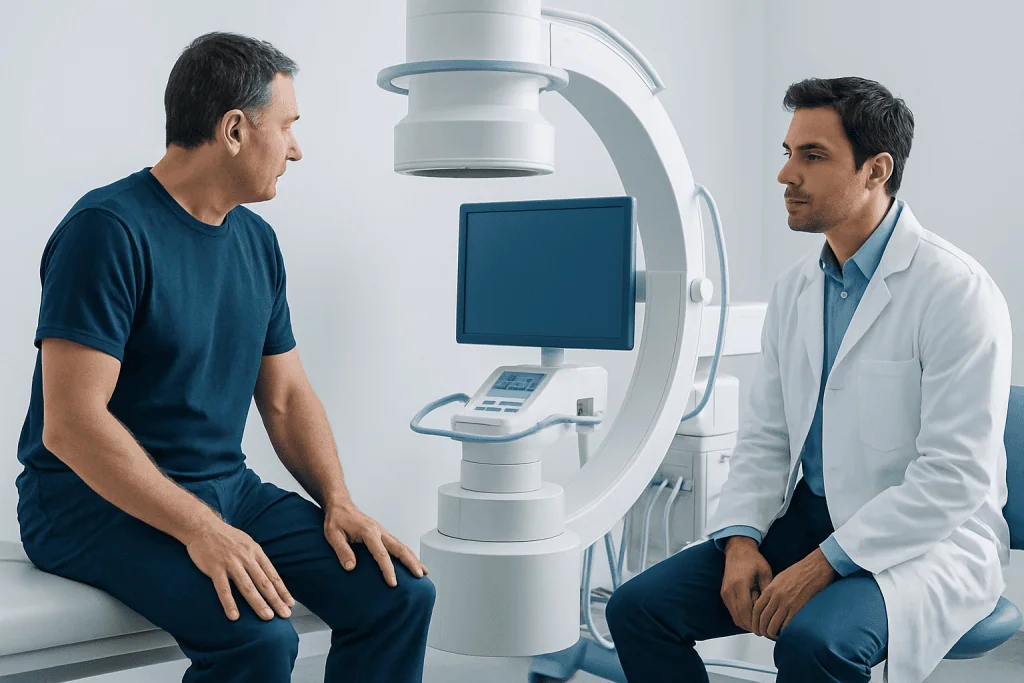
Many aches and strains improve with rest, activity modification, and time. However, a person may benefit from seeing an orthopedic specialist if pain lasts longer than expected, keeps returning, or interferes with work, exercise, sleep, or everyday activities. Joint swelling, reduced range of motion, weakness, numbness linked to movement problems, or difficulty bearing weight are also common reasons to seek evaluation.
Orthopedic assessment is especially helpful after an injury. Falls, twists, sports collisions, and repetitive overuse can damage soft tissues or bones even when symptoms seem manageable at first. Early evaluation may help identify sprains, tendon injuries, cartilage damage, or fractures and may reduce the risk of long-term stiffness or instability.
- Persistent joint or back pain lasting several weeks
- Swelling, stiffness, or clicking in a joint
- Difficulty walking, climbing stairs, gripping, or lifting
- Pain during sports or repeated movement
- Suspected fracture, dislocation, or tendon injury
- Symptoms from common issues such as knee pain or shoulder pain that do not improve with simple care
Some symptoms need more urgent medical attention. These include a visibly deformed limb, sudden inability to walk, severe pain after trauma, loss of feeling, a cold or pale extremity, or fever with a hot, swollen joint. In these situations, prompt assessment is important.
How to Choose the Right Orthopedic Doctor Near You
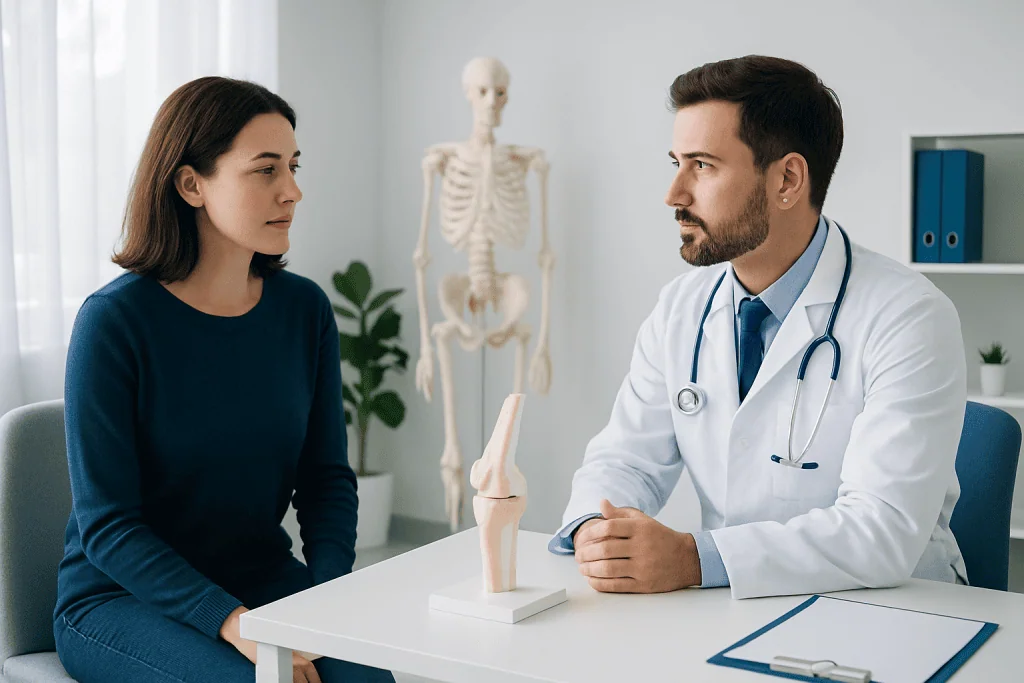
A practical first step is identifying the main problem area. For example, hip or knee arthritis may be best assessed by a joint reconstruction specialist, while repeated ankle sprains may be better suited to a foot and ankle surgeon or sports medicine specialist. If symptoms involve the neck or lower back, a spine-focused orthopedic doctor may be most appropriate. Matching the subspecialty to the condition often leads to a more targeted diagnosis and treatment plan.
Credentials and experience also matter. Patients can look for medical training in orthopedics, board certification where applicable, and regular experience treating the specific condition in question. It is reasonable to ask how often the doctor manages similar problems, what tests may be needed, and whether conservative care is tried before surgery when appropriate. A doctor who clearly explains benefits, risks, and alternatives can help patients make confident decisions.
The surrounding care team is another important factor. Orthopedic treatment often involves imaging, pain management, rehabilitation, and follow-up monitoring. A center with coordinated access to MRI, X-ray, physiotherapy, and surgical support may make care smoother. For some people, this may include evaluation for procedures such as knee replacement, hip replacement, or arthroscopic surgery if simpler treatments are not enough.
Finally, communication and convenience should not be overlooked. The right doctor should listen carefully, ask about the patient’s goals, and describe options in plain language. Practical details such as appointment availability, hospital quality, second-opinion access, and ease of follow-up can make a meaningful difference over the course of treatment and recovery.
Questions to Ask at the First Appointment
A first orthopedic visit is an opportunity to understand both the problem and the doctor’s approach. Patients often find it helpful to describe when symptoms began, what makes them better or worse, what treatments have already been tried, and how the issue affects daily life. Bringing previous scans, reports, medication lists, and a short symptom timeline can make the consultation more efficient.
Useful questions may include: What is the most likely diagnosis? Are more tests needed? Could the symptoms improve with rest, therapy, or lifestyle changes? What warning signs should prompt an earlier review? If surgery is being considered, patients may also ask about expected recovery, rehabilitation needs, and realistic outcomes.
It is also reasonable to ask whether treatment will be phased. In many orthopedic conditions, doctors begin with a conservative plan and reassess progress before recommending a procedure. This stepwise approach may be especially relevant for arthritis, tendon injuries, overuse conditions, or certain spinal complaints. When surgery is appropriate, some patients may need procedures such as spine surgery after careful imaging and specialist evaluation.
How Orthopedic Problems Are Diagnosed
Diagnosis usually begins with a detailed history and physical examination. The orthopedic doctor will ask about pain location, injury mechanism, stiffness, swelling, weakness, and how symptoms affect movement. Examination often includes checking joint motion, alignment, muscle strength, tenderness, walking pattern, and special tests that help identify ligament, tendon, or cartilage problems.
Imaging is commonly used when needed. X-rays help assess fractures, joint space narrowing, alignment, and some arthritic changes. MRI can show soft tissues such as ligaments, tendons, cartilage, discs, and bone marrow changes. Ultrasound may be useful for some tendon or fluid-related conditions, and CT scans may help with complex bone anatomy or fracture planning.
Sometimes blood tests or other specialist assessments are needed, especially if symptoms could be related to infection, inflammatory arthritis, gout, or another non-orthopedic cause. This is one reason a thorough evaluation is important: pain in the muscles or joints is not always caused by a structural orthopedic problem alone. A careful diagnostic process helps guide the most suitable treatment and avoid unnecessary procedures.
Treatment Options: Conservative Care to Surgery
Many musculoskeletal conditions can be managed without surgery. Conservative treatment may include short-term activity modification, structured physical therapy, strengthening and flexibility exercises, supportive footwear, braces or splints, and medication for pain or inflammation when medically appropriate. In some cases, guided injections may be considered to reduce inflammation or improve function, depending on the diagnosis and the patient’s overall health.
Rehabilitation is often central to recovery. A well-designed exercise plan can improve joint stability, restore motion, and reduce pain from overuse, arthritis, or sports injuries. Weight management, posture changes, ergonomic adjustments, and a gradual return to activity may also form part of treatment. These steps can be especially helpful for common concerns such as knee pain, shoulder impingement, tendon irritation, and lower back strain.
Surgery may be recommended when symptoms are severe, when structural damage is unlikely to heal on its own, or when conservative care has not brought enough relief. Depending on the problem, procedures may include fracture repair, tendon repair, ligament reconstruction, arthroscopy, spinal procedures, or joint replacement. In suitable cases, orthopedic specialists also evaluate patients with advanced osteoarthritis for more definitive treatment.
For international patients seeking coordinated care, Acibadem International’s multidisciplinary specialists and JCI-accredited hospitals diagnose and treat orthopedic conditions with access to imaging, rehabilitation, and surgical services when needed.
Self-care, Prevention, and Getting the Best Outcome
Not every orthopedic problem can be prevented, but some healthy habits support bones, joints, and muscles over time. Regular exercise helps maintain strength, flexibility, balance, and joint support. Warm-up routines, good sports technique, gradual training progression, and appropriate footwear may reduce the risk of overuse injuries and sprains. For everyday life, safe lifting habits and ergonomic workspaces can help protect the back, neck, wrists, and shoulders.
After an injury or diagnosis, following the treatment plan closely can improve recovery. That may include attending physical therapy, doing home exercises consistently, using braces correctly, and avoiding activities that place too much stress on a healing area. Returning to sport or heavy work too quickly may delay healing or increase the chance of reinjury.
Patients often get the best long-term results when they stay involved in decision-making. Asking questions, understanding realistic expectations, and reporting new or worsening symptoms early can help the orthopedic team adjust care as needed. A strong partnership between patient, doctor, and rehabilitation professionals is often key to comfortable movement and better function.
Frequently asked questions
What is the difference between an orthopedic doctor and a sports medicine doctor?
An orthopedic doctor treats a wide range of bone, joint, muscle, ligament, tendon, and spine problems. Sports medicine doctors may focus more on exercise-related injuries and nonoperative care, although some orthopedic surgeons also specialize in sports medicine. The best choice depends on the problem, its severity, and whether surgery might be needed.
Do patients need a referral to see an orthopedic doctor?
This depends on the country, health system, and insurance plan. Some people can book directly with an orthopedic specialist, while others may need a referral from a primary care doctor or emergency department. It is helpful to check local requirements before scheduling.
Should a person see an orthopedic doctor for back pain?
Back pain can have many causes, and not all cases need a specialist right away. If pain is severe, lasts several weeks, follows an injury, causes weakness or numbness, or affects walking or bladder or bowel control, medical evaluation is important. A spine-focused orthopedic doctor may be appropriate when a structural spinal problem is suspected.
What should someone bring to an orthopedic appointment?
Helpful items include previous scan reports, X-rays or MRI images if available, a medication list, and a summary of symptoms and prior treatments. Comfortable clothing may make examination easier, especially for knee, shoulder, or spine problems. Writing down questions in advance can also help patients get the most from the visit.
Is surgery always needed for orthopedic problems?
No. Many orthopedic conditions improve with rest, physiotherapy, exercise, bracing, and other conservative treatments. Surgery is usually considered when symptoms are severe, function is significantly limited, or nonsurgical care has not provided enough relief.
When should joint pain be treated urgently?
Urgent assessment is important if joint pain follows a major injury, if the limb looks deformed, or if the person cannot bear weight. A hot, swollen joint with fever also needs prompt medical attention. Sudden numbness, weakness, or color changes in an arm or leg should not be ignored.
References
- American Academy of Orthopaedic Surgeons
- National Institute of Arthritis and Musculoskeletal and Skin Diseases
- National Health Service
- Mayo Clinic
- World Health Organization
This article is for general information only and is not a substitute for professional medical advice. Please consult a qualified doctor about your individual situation.
Joint and spine care in Turkey — expert assessment & treatment
JCI-accredited · board-certified surgeons · reply within 24h
Add us as a Preferred Source to see more of our trusted health content across Google Search, AI Overviews and Discover.

Orthopedics & Spine
Care for bones, joints and the musculoskeletal system, including joint replacement, sports injuries and trauma.
125 specialists in this unitMore from the Health Library



Related Specialists

Asst. Prof. Dr. Tarkan İkizoğlu
Pediatrics
Dr. M. Mümtaz Özarar
Breast Clinic Clinical Service
Dr. Necati Ormancı
Anesthesiology
Assoc. Prof. Dr. Emir Çapkınoğlu
General Surgery