How to Get Rid of Co2 after Laparoscopic Surgery: Procedure, Recovery and Results

CO2 is used to create working space inside the abdomen during laparoscopic surgery and is released at the end of the operation. Any small amount of remaining CO2 is usually absorbed and breathed out naturally, often over 24 to 72 hours.
Key Takeaways
- CO2 is used to create working space inside the abdomen during laparoscopic surgery and is released at the end of the operation.
- Any small amount of remaining CO2 is usually absorbed and breathed out naturally, often over 24 to 72 hours.
- Walking gently, changing position and following the surgical team’s instructions may reduce discomfort from residual gas.
- Shoulder-tip pain after laparoscopy is common and is usually referred pain from irritation of the diaphragm, not gas trapped in the shoulder.
- Severe, worsening or persistent symptoms should be assessed because they may have causes other than normal postoperative gas discomfort.
Carbon dioxide (CO2) used during laparoscopic surgery is normally absorbed into the bloodstream and removed through the lungs without any special treatment. Gentle movement, comfortable positioning, prescribed pain relief and time can ease the temporary bloating or shoulder-tip discomfort that may occur during recovery.
How to get rid of CO2 after laparoscopic surgery: the short answer
After laparoscopic surgery, the body usually gets rid of carbon dioxide (CO2) on its own. The surgical team releases most of the gas before closing the small incisions, and any remaining CO2 is absorbed into the bloodstream and breathed out through the lungs. Gentle walking, sitting upright when comfortable and changing position regularly may help reduce the temporary pressure or shoulder-tip pain associated with the procedure.
There is no safe home method that “forces” CO2 out of the body. Recovery measures should focus on comfort, gradual activity and following the discharge plan. New or severe symptoms should not automatically be assumed to be gas pain, particularly after abdominal or pelvic surgery.
Laparoscopy is used for many diagnostic and treatment procedures across general surgery, gynecology and urology. The precise recovery experience depends on the operation performed, the reason for surgery, anesthesia, individual health and whether any complication occurred.
Why CO2 is used during laparoscopic surgery
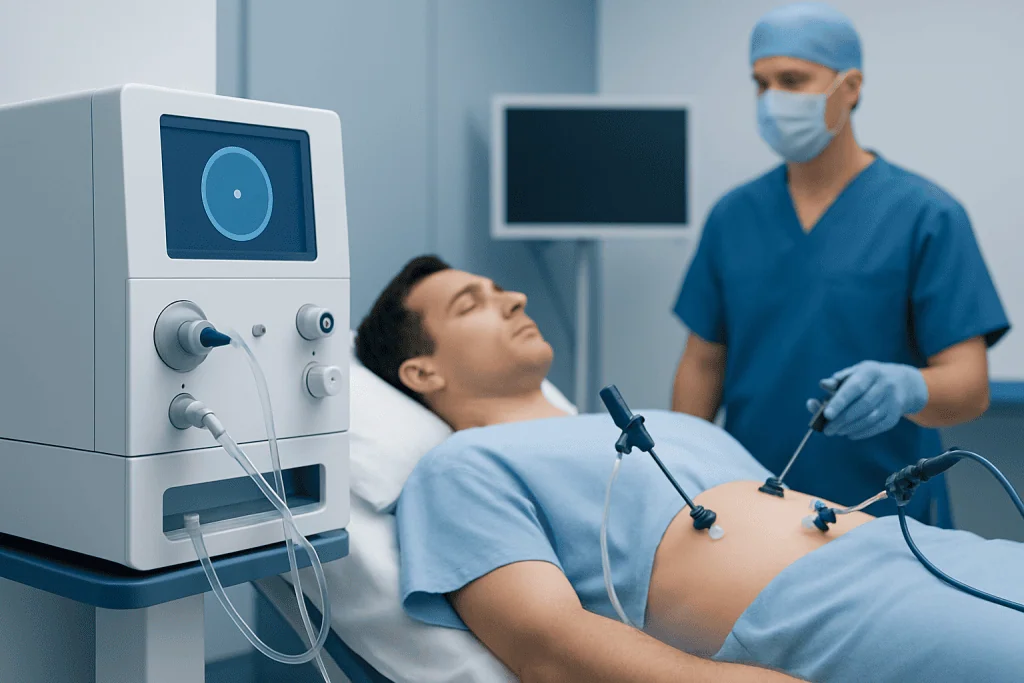
Laparoscopic surgery, also called minimally invasive or keyhole surgery, uses a small camera and narrow surgical instruments inserted through small cuts in the abdomen. CO2 is gently introduced into the abdominal cavity to lift the abdominal wall away from the organs. This creates a clear working space and allows the surgeon to see and operate more safely.
CO2 is chosen because it is nonflammable and highly soluble in blood. It can therefore be absorbed efficiently and eliminated through normal breathing. During surgery, the anesthesia team closely monitors breathing, circulation and CO2 levels while the surgeon controls the pressure and amount of gas used.
At the end of the operation, the surgeon releases the gas as much as possible. A small residual amount can occasionally irritate the diaphragm, the main muscle used for breathing. Because the diaphragm and shoulder share nerve pathways, this irritation may be felt as pain near one or both shoulders rather than only in the abdomen.
- Common short-term effects include abdominal fullness, mild bloating and shoulder-tip discomfort.
- These symptoms are usually most noticeable in the first day or two after surgery.
- The surgery itself, anesthesia, constipation and reduced movement can also contribute to abdominal discomfort.
How laparoscopic surgery works: candidacy and procedure steps
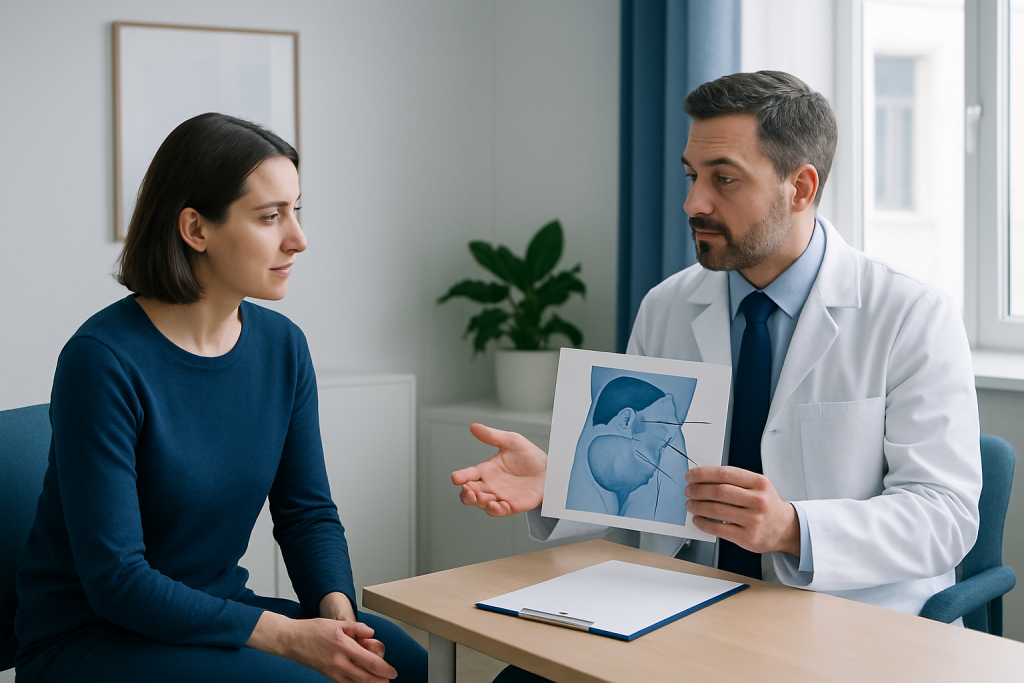
A clinician may recommend laparoscopy to investigate symptoms, confirm a diagnosis or treat a condition. It is commonly used for gallbladder surgery, hernia repair, appendix surgery, gynecologic procedures and some bowel or urologic operations. It may be appropriate when the expected benefits of smaller incisions and faster early recovery outweigh the risks for the individual patient.
Before surgery, the team reviews the person’s symptoms, medical history, medicines, allergies, previous operations and test results. Some people may need additional planning if they have significant heart or lung disease, bleeding risks, extensive prior abdominal surgery, pregnancy or other health concerns. In some situations, an open operation may be safer or may become necessary during laparoscopy.
In a typical procedure, general anesthesia is given, small incisions are made and CO2 is introduced to create space. A laparoscope provides images on a monitor, and instruments are used to complete the planned procedure. The gas is released as the operation finishes, the instruments are removed and the small wounds are closed. For information on surgical approaches and recovery planning, patients may discuss laparoscopic surgery with their treating team.
Benefits can include smaller scars, less tissue disruption and a shorter initial recovery than an open operation for suitable procedures. However, laparoscopy still involves anesthesia and surgery, so benefits and risks should always be considered in the context of the underlying condition.
How long does it take to get rid of CO2 after laparoscopic surgery?
Most remaining CO2 is absorbed and removed by the lungs within approximately 24 to 72 hours. Some people feel noticeably better within a day, while others have mild bloating or shoulder discomfort for several days. The timing varies according to the operation, the amount of gas used, movement after surgery, individual sensitivity and whether constipation or surgical soreness is also present.
The body does not need a detox product, massage device or special breathing technique to clear the gas. Normal breathing removes absorbed CO2 naturally. Deep-breathing exercises may be included in a postoperative plan to support lung expansion after anesthesia, but they should be done as instructed by the healthcare team rather than as a way to rapidly expel residual abdominal gas.
Shoulder pain may last longer than the gas itself because the diaphragm and nearby tissues can remain irritated for a short time. Pain should generally improve rather than steadily worsen. If discomfort is severe, persists beyond the expected recovery period or is accompanied by concerning symptoms, medical advice is important.
How to get rid of CO2 after laparoscopic surgery at home
At home, the goal is to support a safe recovery and relieve discomfort while the body naturally absorbs the gas. Short, frequent walks are often helpful once the surgical team says it is safe. Movement can support circulation, help the bowel start working again and lessen the feeling of abdominal pressure. Activity should increase gradually; strenuous exercise, heavy lifting and driving should wait until the surgeon advises they are safe.
Changing position can also help. Some people are more comfortable sitting upright, reclining with support or lying on their side with pillows. A warm pack on the shoulder area may soothe muscle discomfort if the care team has not advised against heat. Heat should never be placed over fresh incisions, numb skin or areas with swelling, redness or drainage.
Taking prescribed or recommended pain medicine exactly as directed can make it easier to move and rest. Drinking fluids and resuming food according to the discharge plan may support bowel recovery. If constipation is expected from anesthesia or pain medication, the surgical team may recommend specific diet changes or a bowel medicine; patients should ask before using over-the-counter products.
- Take brief walks several times a day, increasing distance slowly.
- Rest between activities and protect the incisions as instructed.
- Wear loose, comfortable clothing to reduce pressure on the abdomen.
- Avoid carbonated drinks if they worsen bloating, although they do not cause retained surgical CO2.
- Contact the surgical team before trying supplements, laxatives or unapproved remedies.
How do you remove CO2 from your body after surgery?
The lungs remove CO2 from the body. Once residual surgical CO2 dissolves into the bloodstream, it travels to the lungs and leaves the body during normal exhalation. The kidneys also help maintain the body’s acid-base balance, but they do not need to be stimulated or “cleansed” to remove the gas after an uncomplicated laparoscopic procedure.
During the operation and in early recovery, clinicians monitor oxygen levels, breathing and other vital signs. Patients with chronic lung disease, sleep apnea, severe obesity, or certain heart conditions may need more individualized anesthetic and postoperative monitoring. This does not mean that residual CO2 will necessarily cause a problem, but it is one reason to share a complete health history before surgery.
It is important to distinguish ordinary postoperative gas discomfort from other causes of pain. Constipation, intestinal gas, incision soreness and the treated condition itself may all contribute to symptoms. A clinician can advise whether symptoms fit the expected recovery course or require an examination.
How long does CO2 last in your body after surgery?
For most people, CO2 remaining after laparoscopy does not stay in the body for long. It is generally absorbed within a few days, commonly within 24 to 72 hours. The sensation of bloating or shoulder pain can sometimes continue for several days as the body recovers from the procedure, even after most of the gas has been absorbed.
Recovery timelines vary more widely for the operation itself. A brief diagnostic laparoscopy may have a relatively short recovery, while a more complex abdominal, pelvic or cancer-related operation can require weeks of healing. The surgeon’s instructions about wound care, showering, diet, return to work, travel and activity are more reliable than a general timeline.
People should not assume that pain continuing for a week or more is always from CO2. Ongoing pain may be due to healing tissues, bowel changes, infection or another issue that deserves clinical review. Follow-up appointments provide an opportunity to discuss symptoms, pathology results when relevant and the next steps in recovery.
Benefits, risks and when to seek medical care
For appropriately selected patients, laparoscopic surgery can offer important advantages, including smaller incisions, reduced early postoperative pain for some procedures, shorter hospital stays and a quicker return to everyday activities compared with open surgery. These benefits depend on the operation and the person’s health. The surgical team explains the likely outcomes, alternatives and recovery plan before consent is given.
Possible risks include bleeding, infection, blood clots, reactions to anesthesia, injury to nearby organs and the need to convert to open surgery. Temporary bloating and shoulder-tip pain are common aftereffects of the CO2 used during the procedure. In rare cases, gas-related or breathing complications can occur, which is why surgery is performed with careful monitoring.
When to seek medical care: Patients should contact their surgeon promptly for pain that is severe, worsening or not controlled by the prescribed plan; fever; increasing redness, swelling, bleeding or discharge at an incision; persistent vomiting; inability to keep fluids down; marked abdominal swelling; or no bowel function when the team has advised this is concerning. Emergency care is needed for chest pain, shortness of breath, fainting, confusion, coughing blood, or one-sided leg swelling or pain.
Acibadem International’s multidisciplinary specialists and JCI-accredited hospitals diagnose and treat conditions that may require laparoscopic surgery for international patients. A postoperative concern should always be discussed with the operating surgeon or another qualified clinician, especially when symptoms differ from the expected recovery plan.
Frequently asked questions
Is shoulder pain normal after laparoscopic surgery?
Shoulder-tip pain is a common short-term symptom after laparoscopic surgery. It is usually referred pain caused by irritation of the diaphragm from residual CO2, rather than a problem in the shoulder joint. It should gradually improve over the next few days; severe or worsening pain should be discussed with the surgical team.
Does walking help remove gas after laparoscopy?
Gentle walking can improve comfort and help the bowel regain normal movement after surgery. It may reduce bloating and make recovery easier, but the lungs remove absorbed CO2 naturally. Patients should follow their surgeon’s restrictions and avoid overexertion.
Can trapped CO2 stay in the body for weeks?
In an uncomplicated recovery, residual surgical CO2 is usually absorbed within a few days, often within 24 to 72 hours. Symptoms lasting weeks are unlikely to be caused by retained CO2 alone. Persistent symptoms should be evaluated to identify other possible causes.
Should I use peppermint tea or gas medicine for laparoscopic gas pain?
These measures may help some people with intestinal gas or nausea, but they do not directly remove surgical CO2 from the abdominal cavity. A patient should check with the surgical team before taking herbal products or over-the-counter medicines, especially after bowel, stomach or gynecologic surgery. Prescribed postoperative medicines should be used as directed.
Why is my abdomen bloated after laparoscopic surgery?
Mild abdominal fullness can result from residual CO2, temporary slowing of the bowel after anesthesia, constipation, swelling of healing tissues or dietary changes. It often improves with time, gentle movement and the recovery plan. Rapidly increasing swelling, severe pain, vomiting or inability to pass gas may require prompt medical assessment.
When can I return to normal activity after laparoscopy?
The timeline depends on the procedure, the reason for surgery and the person’s overall health. Some people resume light activities within days, while more extensive operations require a longer recovery. The operating surgeon should provide individualized guidance about work, exercise, lifting, driving and sexual activity.
References
- American College of Surgeons
- Society of American Gastrointestinal and Endoscopic Surgeons
- National Health Service
- MedlinePlus, U.S. National Library of Medicine
This article is for general information only and is not a substitute for professional medical advice. Please consult a qualified doctor about your individual situation.
Persistent digestive symptoms? Get evaluated in Turkey
JCI-accredited · board-certified surgeons · reply within 24h
Add us as a Preferred Source to see more of our trusted health content across Google Search, AI Overviews and Discover.

More from the Health Library

Related Specialists

Prof. Dr. Serap Semiz
Pediatrics
Assoc. Prof. Dr. Saim Sağ
Cardiology
Prof. Dr. Mustafa Kemal Batur
Cardiology
Prof. Dr. Zeynep Yezdan Fırat
Otorhinolaryngology