How to Get Thick Hair? A Doctor-Reviewed Answer

Hair thickness can refer to the width of each strand, the number of hairs on the scalp, or both. Gentle styling, adequate nutrition, and treatment of scalp conditions can help hair look and feel fuller.
Key Takeaways
- Hair thickness can refer to the width of each strand, the number of hairs on the scalp, or both.
- Gentle styling, adequate nutrition, and treatment of scalp conditions can help hair look and feel fuller.
- Sudden shedding, patchy hair loss, scalp pain, or symptoms of illness should be assessed by a doctor.
- Evidence-based treatments such as topical minoxidil may help some people with pattern hair loss.
- Hair growth is slow, so consistent care and realistic expectations are important.
Many people notice thinner-looking hair at some point, and it is often related to normal aging, styling damage, temporary shedding, or inherited traits. Lasting improvement starts with identifying whether the concern is hair shaft breakage, reduced hair density, or an underlying medical cause of hair loss.
How to get thick hair: the practical answer
For many people wondering how to get thick hair, the most helpful first step is to understand what has changed. Hair can look less full because individual strands are naturally fine, because strands are breaking, or because fewer hairs are growing from the scalp. Fine hair is often inherited and is not unhealthy, while new or progressive thinning may have a treatable cause.
It is common to shed some hair every day, especially during washing or brushing. Temporary shedding can follow a fever, major stress, surgery, childbirth, rapid weight change, or a significant illness, and it often improves as the body recovers. However, sudden large amounts of shedding, round bald patches, widening of the part, a receding hairline, or scalp symptoms deserve medical review.
A doctor can help distinguish normal variation from hair loss. This usually involves discussing the timing and pattern of hair change, medications, diet, family history, menstrual or hormonal history where relevant, and recent health events. Examination of the scalp and hair is often sufficient, although blood tests or other assessments may be appropriate when a nutritional, thyroid, hormonal, autoimmune, or inflammatory cause is suspected.
What “thick hair” means medically
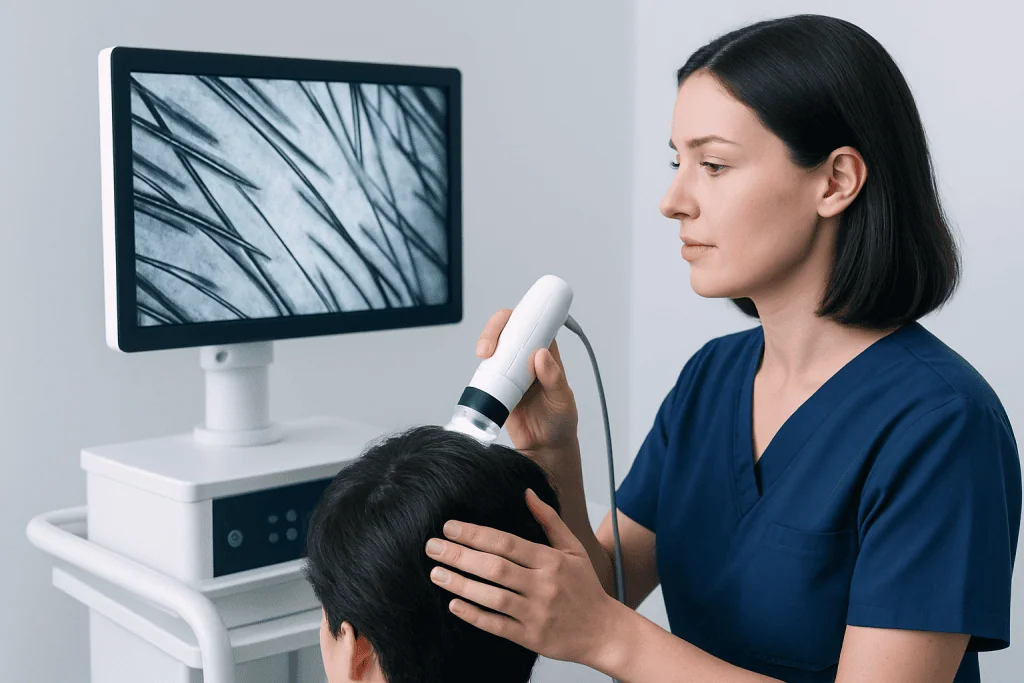
Hair fullness has several components. Hair density means the number of follicles producing visible hairs in a given area. Hair shaft diameter describes how wide each strand is; wider shafts tend to create a fuller appearance. Curl pattern, hair color contrast with the scalp, and the way hair is cut or styled can also make a noticeable difference to perceived volume.
People are born with a broadly fixed number of scalp follicles. Products and treatments cannot create entirely new follicles, but they may reduce shedding, support follicles that are still active, improve shaft condition, or help existing hairs grow for longer. This is why a realistic goal is often preserving density and maximizing the appearance and health of existing hair.
In androgenetic alopecia, also called female- or male-pattern hair loss, genetically sensitive follicles gradually produce finer, shorter hairs. In women, this often appears as a widening part or diffuse thinning over the crown. In men, it may cause thinning at the temples and crown. Early assessment can be useful because treatment generally works best while follicles remain active.
Common reasons hair becomes thinner or breaks

Inherited pattern hair loss is among the most common explanations for gradual thinning in adults. It can affect people of any sex and may begin at different ages. Hormonal shifts, including those around menopause or after pregnancy, can make an inherited tendency more noticeable, but hair changes are not always caused by hormones alone.
Telogen effluvium is a common form of diffuse shedding. It may occur a few months after a physical or emotional stressor, such as a high fever, hospitalization, childbirth, restrictive dieting, or major life event. The shedding can be upsetting, but follicles usually remain intact, and regrowth is often possible once the trigger has resolved.
Other potential causes include iron deficiency, inadequate protein or calorie intake, thyroid disorders, certain medicines, and inflammatory scalp conditions. Tight braids, extensions, repeated chemical processing, bleaching, high-heat tools, and vigorous brushing may damage shafts or cause traction-related hair loss. Patchy hair loss may occur with alopecia areata, an autoimmune condition that should be evaluated by a clinician.
- Gradual thinning with a family history may suggest pattern hair loss.
- Diffuse shedding after illness or stress may suggest temporary shedding.
- Itching, scale, redness, or tenderness may point to a scalp disorder.
- Breakage mainly along the hair length is more often related to hair care damage than loss from the root.
Hair care and nutrition that support fuller-looking hair
Healthy routines cannot change genetics completely, but they can reduce avoidable breakage and improve the appearance of hair. Use a conditioner suited to the hair type, detangle gently with a wide-tooth comb or fingers, and avoid pulling on wet hair, which is more vulnerable to damage. Limiting frequent bleaching, chemical straightening, very hot styling tools, and tightly pulled hairstyles may protect fragile strands.
A balanced eating pattern supports normal hair growth. Hair is made primarily of protein, so regular intake of protein-containing foods is important. Iron, zinc, vitamin D, vitamin B12, and other nutrients also contribute to general health, but supplements are not automatically beneficial. Taking high-dose supplements without a confirmed deficiency can be ineffective and, in some cases, harmful.
People who follow restrictive diets, have digestive conditions affecting absorption, have heavy menstrual bleeding, or have recently lost weight quickly may benefit from discussing nutrition and appropriate testing with a doctor or registered dietitian. Commercial shampoos, oils, and masks can improve softness and reduce friction, but they do not usually reverse follicle-related hair loss. Products marketed as hair-growth cures should be viewed cautiously, particularly if they promise rapid or permanent results.
Medical options for thinning hair
Treatment depends on the diagnosis, duration of hair loss, medical history, and personal goals. If a medication, nutritional deficiency, scalp inflammation, or another health condition is contributing, addressing that factor is a central part of care. For temporary shedding, reassurance and follow-up may be appropriate while regrowth occurs.
Topical minoxidil is an evidence-based option that may help some adults with pattern hair loss. It is applied regularly to the scalp and generally requires several months before changes can be assessed. Some people experience temporary increased shedding early in treatment, scalp irritation, or unwanted hair growth outside the scalp. A doctor or pharmacist can advise whether it is suitable, especially during pregnancy, breastfeeding, or when there are heart or scalp concerns.
Prescription options may be considered for selected patients. These can include medicines that affect androgen activity for some men and women, or oral minoxidil at carefully selected doses under medical supervision. These medicines are not appropriate for everyone and may have important side effects, interactions, or pregnancy-related precautions. Dermatology care may also include treatment for scalp disease, corticosteroid therapy for certain inflammatory forms of hair loss, or other targeted approaches.
For stable, established pattern hair loss, hair transplantation may be an option for suitable candidates. It redistributes follicles from denser areas to thinner areas rather than stopping ongoing hair loss, so a specialist assessment is important. Cosmetic approaches such as a volumizing haircut, hair fibers, scalp concealers, or a change in parting can provide immediate, non-medical ways to improve the look of fullness.
When to seek medical care
It is sensible to arrange a medical appointment when hair loss is sudden, rapidly worsening, patchy, or accompanied by scalp pain, burning, redness, scaling, pustules, or scarring. Prompt assessment is particularly important if the scalp looks shiny or scarred, because some inflammatory forms of hair loss can permanently damage follicles without timely treatment.
A person should also seek advice if hair thinning occurs alongside fatigue, unexplained weight change, feeling unusually cold or hot, changes in bowel habits, heavy periods, acne or excess facial hair, or other new symptoms. These do not always indicate a serious issue, but they can help a clinician identify a thyroid, nutritional, hormonal, or other medical contributor.
During an appointment, a clinician may inspect the scalp with magnification, perform a gentle hair-pull test, and review photographs or the pattern of change over time. Blood tests may be requested based on the history and examination. A dermatologist may occasionally recommend a scalp biopsy when the diagnosis remains uncertain or when a scarring condition is possible.
Setting realistic expectations and planning next steps
Hair grows slowly, and visible improvement usually takes months rather than weeks. Consistency matters: a treatment can only be fairly assessed after it has been used as directed for an adequate period. Taking photographs in similar lighting and with the same parting every few months can be more reliable than checking the hair daily.
It can help to focus on controllable steps: avoid traction and harsh processing, eat regularly and adequately, manage any known scalp condition, and seek assessment when the pattern is changing. Stress-management practices may support overall wellbeing, although stress reduction alone is not a guaranteed treatment for hair loss.
Acibadem International’s multidisciplinary specialists and JCI-accredited hospitals can assess hair and scalp concerns for international patients, including possible dermatologic, hormonal, and nutritional contributors. A qualified clinician can help create a plan based on the specific cause of thinning rather than relying on one-size-fits-all products or advice.
Frequently asked questions
Can hair become naturally thicker?
The diameter of individual hair strands and the number of follicles are largely determined by genetics. Hair can look and feel thicker when breakage is reduced, scalp conditions are treated, or active follicles are supported with appropriate treatment.
Does cutting hair make it grow thicker?
Cutting hair does not change growth rate, follicle number, or shaft diameter. Regular trims can remove split ends and reduce the appearance of breakage, which may make hair look healthier and fuller.
What vitamins help make hair thicker?
Vitamins and minerals help normal hair growth when a deficiency is present, but they do not reliably make hair thicker in people with adequate nutrition. A doctor may recommend tests before supplements, particularly when there is diffuse shedding, fatigue, restrictive eating, or heavy menstrual bleeding.
How long does it take to see results from hair-loss treatment?
Because scalp hair grows slowly, meaningful changes often take several months. The exact timeline depends on the cause of thinning and the treatment used, and continued treatment may be needed to maintain results in pattern hair loss.
Is shedding hair after stress permanent?
Stress-related shedding is often temporary, especially when it follows an identifiable event such as illness, surgery, or childbirth. If shedding continues, becomes severe, or is accompanied by patches or scalp symptoms, a medical assessment is recommended.
Can shampoo treat thinning hair?
Shampoo can improve scalp cleanliness, reduce scale in certain scalp conditions, and make strands feel smoother or more voluminous. Most shampoos cannot reverse genetic or medical causes of hair loss, so persistent thinning should be discussed with a clinician.
References
- American Academy of Dermatology Association
- National Institute of Arthritis and Musculoskeletal and Skin Diseases
- Mayo Clinic
- British Association of Dermatologists
- National Health Service
This article is for general information only and is not a substitute for professional medical advice. Please consult a qualified doctor about your individual situation.
Hair transplant in Turkey — costs, graft counts & a free assessment
JCI-accredited · board-certified surgeons · reply within 24h
Add us as a Preferred Source to see more of our trusted health content across Google Search, AI Overviews and Discover.
Check your numbers in seconds
BMI, calories, due date, blood pressure and 30+ more clinical calculators — free, instant, doctor-reviewed ranges.