How to Improve Eye Health: Daily Habits, Screen Time, and Nutrition

Eye health is supported by daily habits such as screen breaks, UV protection, hydration, and enough sleep. A balanced diet with leafy greens, colorful vegetables, fish, nuts, and seeds helps support normal eye function.
Key Takeaways
- Eye health is supported by daily habits such as screen breaks, UV protection, hydration, and enough sleep.
- A balanced diet with leafy greens, colorful vegetables, fish, nuts, and seeds helps support normal eye function.
- Too much screen time may cause digital eye strain, dryness, blurred vision, and headaches, but practical adjustments can help.
- Routine eye exams are important because some eye conditions develop gradually and may not cause early symptoms.
- New pain, sudden vision changes, flashes, floaters, or eye injury should be assessed by a doctor promptly.
Good eye health depends on small everyday choices, including screen habits, nutrition, sleep, and protection from sunlight and injury. Regular eye exams and early attention to symptoms can also help preserve comfortable, clear vision over time.
Overview: Why Eye Health Matters
Eye health is an important part of overall wellbeing. The eyes work continuously throughout the day, helping with reading, driving, work, communication, balance, and enjoyment of daily life. Because vision is used so constantly, people may not notice gradual changes until symptoms begin to interfere with comfort or routine activities.
Healthy vision is influenced by many factors, including age, genetics, chronic medical conditions, environment, screen use, nutrition, and lifestyle habits. Some changes, such as mild tiredness after a long day, may improve with rest. Others, such as persistent blurring, dryness, or increasing sensitivity to light, may point to a need for an eye examination.
Improving eye health does not usually rely on one single step. Instead, it often involves a combination of practical habits: protecting the eyes from ultraviolet light, reducing strain during screen use, eating a nutrient-rich diet, staying physically active, avoiding smoking, and having regular eye checks. These measures can support comfort today and help protect vision in the long term.
Common Signs the Eyes Need More Care
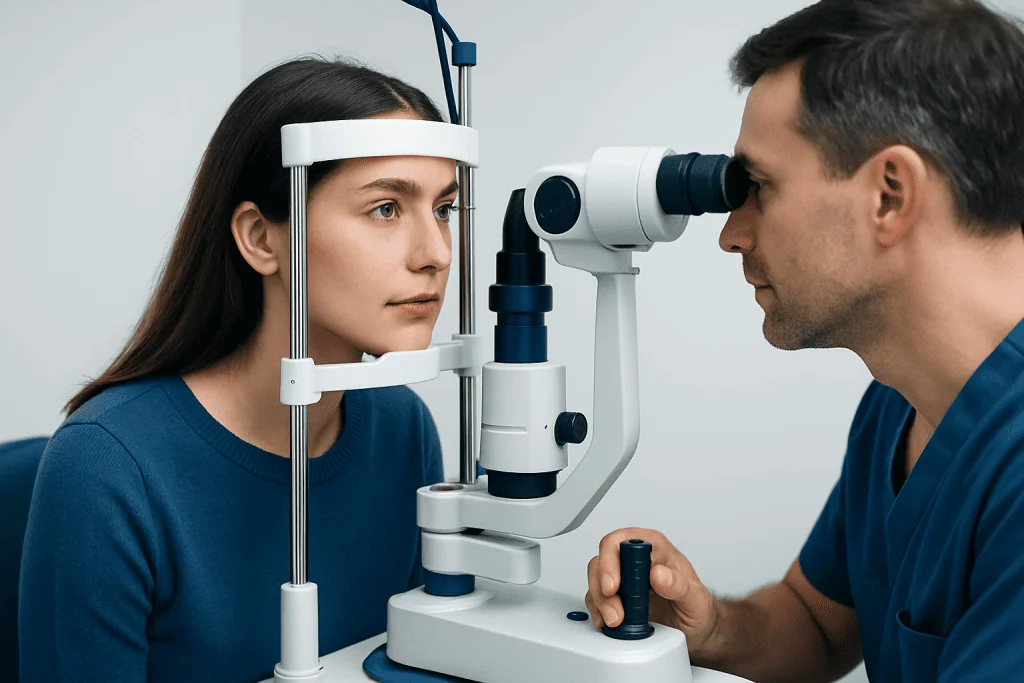
Many people think about eye health only when their vision becomes blurry, but symptoms can appear in several ways. Dryness, burning, watering, itching, redness, eye fatigue, trouble focusing, and headaches after reading or device use are all common signs that the eyes may need attention. These symptoms are often related to environmental triggers, digital eye strain, or the need for a vision check.
It is also helpful to watch for changes such as difficulty seeing at night, increased light sensitivity, double vision, or feeling that print is harder to read than before. In children, frequent rubbing of the eyes, sitting too close to screens, squinting, or struggling at school may suggest a vision problem.
Some symptoms need prompt medical evaluation. These include sudden vision loss, new flashes of light, a sudden increase in floaters, severe eye pain, a curtain-like shadow in vision, chemical exposure, or injury to the eye. Early care can be important in protecting sight and identifying underlying problems.
- Dry, irritated, or tired eyes after screen use
- Blurred vision or difficulty focusing
- Headaches related to reading or devices
- Redness, tearing, or light sensitivity
- Sudden vision changes or eye injury needing urgent care
Daily Habits That Support Eye Health

Simple daily routines can make a meaningful difference to eye comfort. One of the most useful habits is taking regular breaks from close visual tasks. Looking away from a screen or book at frequent intervals helps relax the focusing muscles and may reduce strain. Blinking fully and often is also important, especially during computer or phone use, because people tend to blink less when concentrating.
Sleep is another essential part of eye care. During rest, the eyes recover from daily exposure to light, wind, dry air, and visual effort. Poor sleep may worsen dryness, twitching, irritation, and the sense of tired eyes. Hydration also matters, since adequate fluid intake supports normal tear production and general health.
Protective habits are equally important. Sunglasses that block ultraviolet rays can help protect the eyes and surrounding skin from long-term sun damage. Safety eyewear should be used during sports, home repairs, yard work, or any activity with risk of impact or flying particles. Good hand hygiene and careful contact lens use can also help lower the risk of irritation and infection.
- Take regular breaks from reading and screens
- Blink often and consciously during device use
- Sleep enough to support eye recovery
- Wear UV-protective sunglasses outdoors
- Use protective eyewear for risky activities
- Follow contact lens hygiene carefully
Screen Time and Digital Eye Strain
Extended screen use can affect eye comfort even when there is no underlying disease. This is often called digital eye strain. Common symptoms include dry eyes, blurred vision, burning, watery eyes, headache, neck tension, and difficulty refocusing after looking away from a device. The problem is usually related to reduced blinking, close viewing distance, glare, and spending long periods focused at one distance.
Several practical changes can help. A screen should be positioned at a comfortable distance and slightly below eye level. Room lighting should reduce glare rather than reflect off the display. Font size, contrast, and brightness can be adjusted so the eyes do not need to work harder than necessary. Frequent breaks are important, and many people find it helpful to follow the 20-20-20 approach: every 20 minutes, look at something about 20 feet away for 20 seconds.
Dryness is especially common during screen time. Using a humidifier in dry environments, avoiding direct air from fans or vents, and blinking deliberately may improve comfort. If symptoms continue despite these changes, an eye doctor can check for refractive errors, dry eye, or other causes. In some cases, a full eye exam helps identify whether screen-related discomfort is masking another vision issue.
Nutrition for Healthy Eyes
Nutrition plays a supportive role in eye health. A balanced eating pattern provides vitamins, minerals, and healthy fats that help maintain normal eye function. Leafy green vegetables, orange and yellow produce, berries, beans, whole grains, eggs, nuts, seeds, and fish are often included in eye-friendly diets because they provide nutrients linked with retinal and surface eye health.
Important nutrients include vitamin A, vitamin C, vitamin E, zinc, lutein, zeaxanthin, and omega-3 fatty acids. Rather than focusing on one single “superfood,” it is usually more helpful to build regular meals around variety. For example, spinach or kale, carrots, sweet potatoes, citrus fruits, salmon, sardines, walnuts, chia seeds, and legumes can all contribute to a nutritious pattern.
General metabolic health also matters. Conditions such as diabetes and high blood pressure can affect the eyes over time, so a healthy diet that supports blood sugar and cardiovascular health may indirectly support vision as well. Anyone considering supplements for specific eye concerns should speak with a qualified clinician, since supplements are not necessary for everyone and should be matched to individual health needs.
- Leafy greens such as spinach, kale, and collards
- Colorful vegetables like carrots, peppers, and sweet potatoes
- Fish rich in omega-3 fats, such as salmon or sardines
- Nuts, seeds, beans, and whole grains
- Fruits rich in antioxidants, including citrus and berries
Eye Exams, Risk Factors, and Long-Term Protection
Routine eye exams are one of the best ways to protect eye health. Some conditions develop slowly and may not cause obvious symptoms at first. Regular checks can help identify vision changes, update glasses or contact lens prescriptions, and detect early signs of disease before they begin to affect daily life. Depending on age, symptoms, family history, and medical conditions, the timing of exams may vary.
Several factors can increase the risk of eye problems. These include getting older, having diabetes, high blood pressure, autoimmune disease, a family history of eye disease, smoking, previous eye injury, and long-term steroid use. People with these risk factors may need closer follow-up. Persistent dry eye, allergy symptoms, or repeated eye infections also deserve assessment.
Long-term protection also includes managing general health. Keeping blood sugar, blood pressure, and cholesterol within recommended ranges can help protect the small blood vessels that support vision. For people already living with eye conditions such as glaucoma or cataract, regular specialist follow-up is especially important so treatment plans can be adjusted as needed. If symptoms suggest a retinal problem or another internal eye condition, doctors may recommend further retinal examination or imaging.
When to See a Doctor
Many eye complaints are mild and improve with rest, lubricating measures, or changes in screen habits. Even so, symptoms that persist, recur often, or interfere with reading, work, driving, or sleep should be discussed with an eye care professional. A doctor can help determine whether the issue is related to refractive error, dryness, allergy, infection, inflammation, or another eye condition.
Urgent evaluation is important for sudden vision changes, severe pain, flashes of light, a sharp increase in floaters, redness with pain and blurred vision, or any eye injury. These symptoms do not always indicate a serious problem, but they should not be ignored. Fast assessment can be important in ruling out vision-threatening causes.
People planning preventive care or seeking evaluation for ongoing symptoms may benefit from comprehensive ophthalmology assessment. Near the end of the care pathway, some patients may also need specialist treatment such as cornea treatment or another targeted approach depending on the diagnosis. Acibadem International’s multidisciplinary specialists and JCI-accredited hospitals diagnose and treat eye conditions for international patients, while emphasizing individualized medical evaluation.
Frequently asked questions
How can someone improve eye health every day?
Daily eye health can be supported by taking screen breaks, blinking often, sleeping enough, staying hydrated, and wearing sunglasses outdoors. A balanced diet, not smoking, and regular eye exams also help protect vision over time.
Does screen time damage the eyes permanently?
Screen time usually does not cause permanent eye damage, but it can lead to digital eye strain. Symptoms such as dryness, blurred vision, and headaches often improve with breaks, better screen setup, and an eye check if problems continue.
Which foods are good for eye health?
Leafy green vegetables, colorful fruits and vegetables, fish rich in omega-3 fats, eggs, nuts, seeds, and legumes are commonly recommended for eye health. These foods provide nutrients that support normal eye function and overall wellbeing.
When should a person have an eye exam?
Eye exam timing depends on age, symptoms, medical history, and risk factors such as diabetes or family history of eye disease. Anyone with changes in vision, discomfort, or ongoing screen-related symptoms should arrange an eye evaluation.
Can dry eyes be caused by screens?
Yes, screens can contribute to dry eyes because people blink less when concentrating on digital devices. Improving humidity, reducing airflow toward the face, taking breaks, and blinking more fully may help ease symptoms.
What eye symptoms should never be ignored?
Sudden vision loss, severe pain, flashes of light, a sudden increase in floaters, eye injury, or redness with pain and blurred vision should be assessed promptly. These symptoms can have different causes, but early medical attention is important.
References
- World Health Organization
- American Academy of Ophthalmology
- National Eye Institute
- Centers for Disease Control and Prevention
- Royal College of Ophthalmologists
This article is for general information only and is not a substitute for professional medical advice. Please consult a qualified doctor about your individual situation.
Explore treatments in Turkey — costs, top hospitals & a free quote
JCI-accredited · board-certified surgeons · reply within 24h
Add us as a Preferred Source to see more of our trusted health content across Google Search, AI Overviews and Discover.