How to Improve Memory? Causes, Explanations, and Next Steps

Occasional forgetfulness is common and often linked to stress, poor sleep, distraction, or normal aging. Memory can often improve with lifestyle changes such as exercise, better sleep, mental stimulation, and managing anxiety or depression.
Key Takeaways
- Occasional forgetfulness is common and often linked to stress, poor sleep, distraction, or normal aging.
- Memory can often improve with lifestyle changes such as exercise, better sleep, mental stimulation, and managing anxiety or depression.
- A doctor may review medications, check mood and sleep, do cognitive screening, and order blood tests or brain imaging when needed.
- Red flags include sudden confusion, personality change, getting lost, trouble managing daily tasks, or symptoms after a head injury or stroke.
- Treating the underlying cause is the most effective way to improve memory.
How to improve memory usually begins with the basics: good sleep, regular physical activity, stress management, and treating common health issues that can affect concentration and recall. Mild forgetfulness is often harmless, but sudden changes, progressive decline, or memory problems that disrupt daily life should be checked by a doctor.
Overview: what helps memory and when to look deeper
For many people, the answer to how to improve memory is practical rather than dramatic: improve sleep, reduce stress, stay physically active, review medications, and give the brain repeated, focused practice. Occasional forgetfulness is very common, especially during busy or stressful periods, and it does not automatically mean a serious neurological disease.
At the same time, memory is influenced by many body systems, not only the brain. Low mood, anxiety, poor sleep, hearing problems, thyroid disease, vitamin deficiencies, infections, alcohol use, and some medicines can all affect attention and recall. When attention is reduced, information is not stored well in the first place, so memory seems worse.
A helpful way to think about memory concerns is this: mild lapses that are stable and situational are often manageable, while new, worsening, or function-limiting problems deserve medical review. If someone is getting lost, repeating the same questions often, mismanaging finances or medicines, or having changes in judgment or behavior, a clinician should assess the cause.
What memory problems can feel like
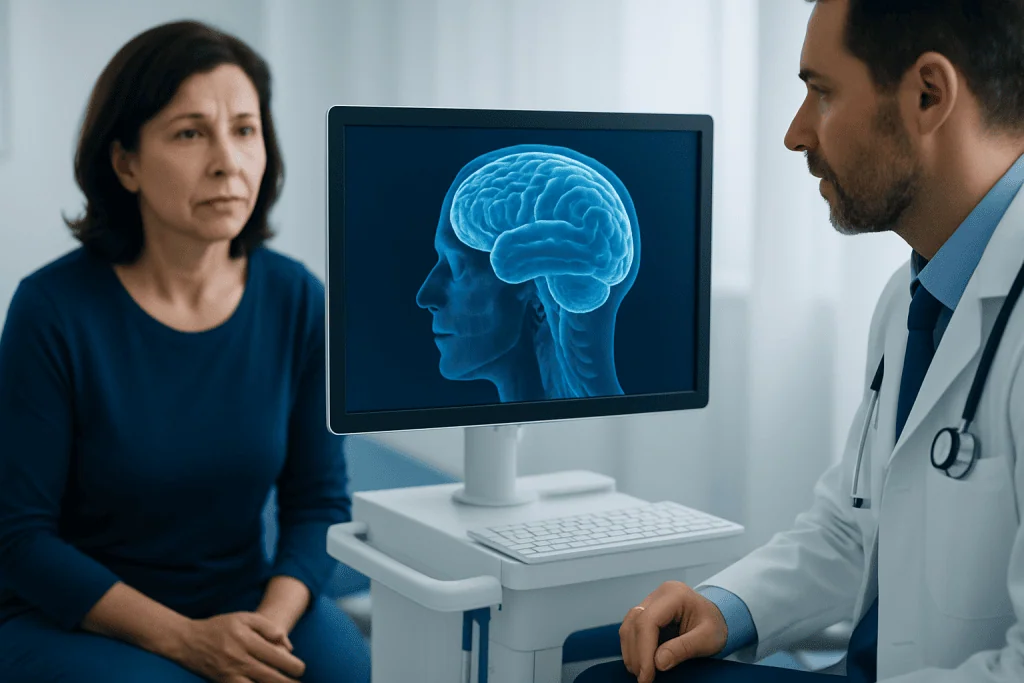
People describe memory difficulties in different ways. Some struggle to recall names or words quickly. Others misplace items, forget appointments, lose track of conversations, or feel mentally “foggy.” In many cases, the real issue is not memory storage but reduced concentration caused by fatigue, stress, pain, or multitasking.
Memory concerns may involve short-term memory, such as forgetting what was just read or said, or delayed recall, such as not remembering details later in the day. There may also be difficulty learning new information, following steps, or switching between tasks. Family members sometimes notice repeated questions, missed bills, or changes in routine before the person does.
Symptoms that are more concerning include sudden confusion, language difficulties, weakness, severe headache, personality change, loss of independence, or a clear downward trend over weeks to months. These symptoms do not confirm a specific diagnosis, but they suggest that a structured medical evaluation is important.
Common causes of forgetfulness and poor memory

Stress, anxiety, and depression are among the most common reasons people feel their memory is slipping. When the mind is overloaded or mood is low, concentration falls and new information is harder to encode. Sleep problems are another major factor. Too little sleep, frequent waking, shift work, and untreated sleep apnea can all reduce attention, learning, and recall the next day.
Medications can also contribute. Some sleep aids, sedatives, strong pain medicines, certain antihistamines, anticholinergic medicines, and some treatments for anxiety or bladder symptoms may cloud thinking in susceptible people. Alcohol and recreational drugs can impair memory directly, and long-term heavy alcohol use can cause more persistent problems.
Medical conditions matter as well. Thyroid disorders, vitamin B12 deficiency, dehydration, uncontrolled diabetes, infections, hearing loss, and vision problems can all make memory seem worse. In some people, hormonal changes, chronic pain, or recovery after illness may play a role. Neurological conditions such as Alzheimer’s disease or Parkinson’s disease are important but are not the only explanation for forgetfulness.
Age-related changes are also real. Many healthy adults notice that recall may be slower with age, even when everyday functioning remains intact. Slower recall alone is different from progressive memory loss that disrupts work, safety, or independence.
How doctors evaluate memory concerns
When memory problems are persistent or worrying, the first step is a medical history. A doctor will ask when symptoms started, whether they are stable or worsening, and how they affect daily life. They often ask about sleep, mood, stress, alcohol use, recent illness, head injury, and any family history of cognitive disorders. A medication review is especially important because common prescriptions and over-the-counter products can affect memory.
The physical and neurological examination may be followed by brief cognitive screening. These office-based tests assess attention, language, recall, orientation, and problem-solving. The goal is not to label a person after one test, but to understand the pattern of symptoms and decide what further assessment is needed.
Doctors may order blood tests to look for treatable causes such as anemia, thyroid dysfunction, vitamin deficiencies, infection, or metabolic problems. If there are red flags, unusual features, or progressive decline, brain imaging may be recommended. In selected cases, a person may benefit from more detailed neuropsychological testing or a formal neurology consultation to clarify whether symptoms fit normal aging, mild cognitive impairment, mood-related cognitive symptoms, or another condition.
How to improve memory in daily life
The most effective memory strategies support both the brain and the body. Regular aerobic exercise is one of the best-supported habits for brain health because it improves blood flow, sleep quality, mood, and cardiovascular health. A consistent sleep routine is equally important; memory consolidation happens during sleep, so fragmented or short sleep can quickly affect recall.
Stress control matters because chronic stress competes with attention. Relaxation techniques, mindfulness, breathing exercises, therapy, and realistic scheduling can reduce mental overload. For people with anxiety or depression, proper treatment often improves concentration and memory significantly.
Daily structure can make a meaningful difference. Helpful tools include calendars, medication organizers, reminder apps, written checklists, and keeping items such as keys or glasses in the same place. Learning also improves when tasks are done one at a time rather than while multitasking. Repetition, speaking information aloud, and linking new information to a visual image or routine can strengthen recall.
- Exercise most days of the week if medically appropriate
- Keep a regular sleep and wake time
- Limit excess alcohol and avoid recreational drugs
- Stay socially and mentally engaged through reading, conversation, hobbies, or learning
- Manage hearing and vision problems with appropriate care
- Eat a balanced diet that supports heart and brain health
Treatment depends on the cause
There is no single treatment for memory problems because memory can be affected by many different conditions. If the cause is poor sleep, treatment may focus on sleep hygiene or evaluation for sleep disorders. If depression or anxiety is contributing, psychological support, lifestyle changes, and medical treatment when appropriate may help. If a medicine is affecting cognition, a doctor may adjust it or suggest an alternative.
When tests show a reversible medical issue, treating that problem may improve memory. Examples include correcting vitamin deficiencies, treating thyroid disease, improving diabetes control, addressing dehydration, or managing hearing loss. For people recovering from a neurological event or injury, memory rehabilitation strategies may be recommended. In selected cases, brain MRI can help doctors look for structural causes of cognitive symptoms.
If evaluation suggests a neurodegenerative condition, care usually focuses on diagnosis, symptom management, safety, support for daily living, and long-term planning. Depending on the pattern of symptoms, doctors may also assess for conditions such as dementia. Near the end of the assessment pathway, some patients may benefit from specialist-led follow-up; Acibadem International’s multidisciplinary specialists and JCI-accredited hospitals diagnose and treat memory-related conditions for international patients.
When to seek medical care
Medical advice is recommended if memory problems are new, clearly worsening, or interfering with work, finances, medication use, driving, communication, or personal safety. It is also wise to seek care if family members notice changes that the person has not recognized. A gradual decline can still have treatable causes, so early assessment is useful.
Urgent medical care is needed for sudden confusion, trouble speaking, facial drooping, weakness, severe headache, seizures, fainting, fever with altered mental status, or symptoms after a head injury. These can signal a stroke, infection, significant injury, or another emergency rather than ordinary forgetfulness.
People should also seek assessment if memory concerns come with significant mood changes, hallucinations, major sleep problems, unexplained falls, or changes in movement. A careful evaluation can be reassuring when symptoms are benign and can speed treatment when an underlying medical problem is present.
Frequently asked questions
Is occasional forgetfulness normal?
Yes. Many people forget names, misplace items, or lose track of tasks when they are tired, stressed, distracted, or juggling too many things at once. Occasional lapses are common and do not necessarily mean a serious brain disorder.
What is the fastest way to improve memory?
There is rarely one instant fix, but the most helpful first steps are improving sleep, reducing stress, exercising regularly, and reviewing medications that may affect concentration. Better attention often leads to better memory because the brain stores information more effectively in the first place.
Can anxiety or depression cause memory problems?
Yes. Anxiety and depression can reduce focus, slow thinking, and make recall feel weaker. When mood symptoms are treated, many people notice that concentration and memory improve as well.
When should memory loss be checked by a doctor?
A doctor should evaluate memory problems that are new, getting worse, or affecting daily activities such as work, finances, driving, or taking medicines correctly. Urgent care is needed if confusion starts suddenly or comes with weakness, speech changes, severe headache, fever, or head injury.
What tests are done for memory problems?
Doctors often begin with a medical history, medication review, physical and neurological exam, and brief cognitive screening. Blood tests may look for treatable causes, and brain imaging or specialist assessment may be recommended if symptoms are progressive, unusual, or accompanied by other neurological signs.
Can memory improve with age-related forgetfulness?
Often, yes. While recall may become slower with age, many people benefit from sleep optimization, exercise, structured routines, hearing and vision correction, and memory aids such as reminders or calendars. Improvement depends on the underlying cause, so persistent concerns should still be discussed with a clinician.
References
- National Institute on Aging
- Centers for Disease Control and Prevention
- Alzheimer's Association
- American Academy of Neurology
- World Health Organization
This article is for general information only and is not a substitute for professional medical advice. Please consult a qualified doctor about your individual situation.
Explore treatments in Turkey — costs, top hospitals & a free quote
JCI-accredited · board-certified surgeons · reply within 24h
Add us as a Preferred Source to see more of our trusted health content across Google Search, AI Overviews and Discover.