How to Improve Mental Health: When Self-Care Is Enough and When to Get Help

Mental health is shaped by emotions, thoughts, relationships, physical health, and daily routines. Simple self-care steps can improve mood, stress levels, and resilience when symptoms are mild or temporary.
Key Takeaways
- Mental health is shaped by emotions, thoughts, relationships, physical health, and daily routines.
- Simple self-care steps can improve mood, stress levels, and resilience when symptoms are mild or temporary.
- Persistent sadness, anxiety, sleep problems, loss of function, or thoughts of self-harm need professional evaluation.
- Treatment may include therapy, medication, lifestyle support, or a combination tailored to the individual.
- Seeking help early is a practical health decision, not a sign of weakness.
Learning how to improve mental health often begins with everyday habits such as sleep, physical activity, stress management, and social connection. Self-care can help many people, but ongoing distress, worsening symptoms, or safety concerns are signs that professional support is needed.
Overview
Understanding how to improve mental health starts with recognizing that mental well-being is part of overall health. It affects how a person thinks, feels, manages stress, relates to others, and makes decisions. Mental health can shift over time in response to life events, physical illness, work pressures, family responsibilities, hormones, sleep, and many other factors.
Everyone experiences difficult emotions from time to time. Feeling stressed before an exam, sad after a loss, or worried during a major life change is a normal human response. In many cases, supportive routines and healthy coping skills are enough to restore balance. These steps can make daily life feel more manageable and help prevent stress from building over time.
At the same time, self-care has limits. When emotional symptoms become intense, last for weeks, interfere with daily functioning, or create safety concerns, professional help is important. A doctor or mental health professional can assess whether symptoms may be related to conditions such as depression, anxiety disorders, trauma-related problems, substance use, or another medical issue.
Signs That Mental Health May Need Attention
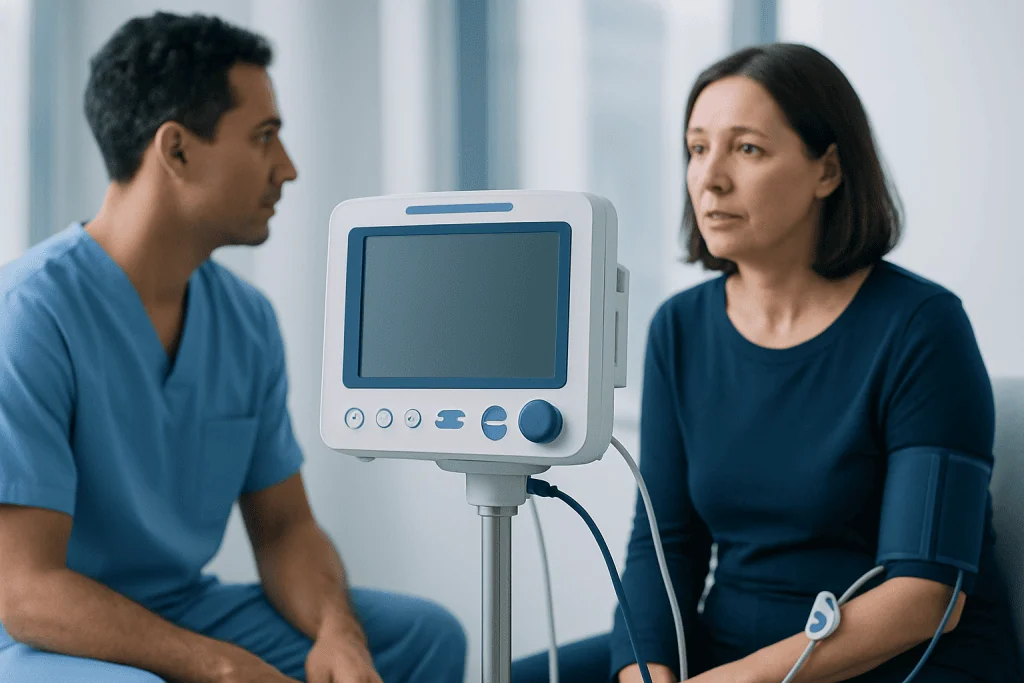
Mental health concerns do not look the same in every person. Some people mainly feel sad or hopeless, while others become irritable, restless, numb, or unusually tired. Changes in sleep, appetite, motivation, concentration, and enjoyment of daily life can also be early clues that extra support is needed.
It can help to look for patterns rather than focusing on a single bad day. Symptoms are more concerning when they are frequent, intense, or difficult to control. For example, stress that eases after rest is different from ongoing anxiety that affects work, school, or relationships. In children and teenagers, signs may include changes in behavior, school performance, social withdrawal, or physical complaints such as headaches and stomachaches.
Common signs that mental health may need attention include:
- Persistent sadness, emptiness, or hopelessness
- Ongoing worry, panic, or feeling constantly on edge
- Loss of interest in usual activities
- Sleep problems, including insomnia or oversleeping
- Changes in appetite, weight, or energy
- Difficulty concentrating or making decisions
- Increased use of alcohol or drugs to cope
- Social withdrawal, irritability, or conflict with others
- Thoughts of self-harm, suicide, or feeling that life is not worth living
These symptoms do not automatically mean a person has a mental illness, but they do signal that support may be useful. Early attention often makes recovery easier and can reduce the impact on relationships, work, and physical health.
Self-Care Strategies That Can Improve Mental Health

For mild stress, emotional fatigue, or short-term changes in mood, self-care is often a good first step. The goal is not to feel positive all the time, but to create conditions that support the brain and body. Small, realistic habits are usually more effective than trying to change everything at once.
Sleep is one of the strongest foundations of mental well-being. A regular sleep schedule, a calm bedtime routine, limiting caffeine late in the day, and reducing screen use before bed may help. Physical activity also plays an important role. Gentle but regular movement, such as walking, stretching, cycling, or swimming, can support mood, energy, and stress regulation.
Helpful self-care approaches may include:
- Keeping a regular sleep and wake time
- Eating balanced meals and staying hydrated
- Scheduling daily physical activity
- Practicing relaxation, breathing exercises, prayer, or mindfulness
- Reducing alcohol and avoiding recreational drugs
- Taking breaks from distressing news or social media
- Staying connected with trusted friends, family, or community
- Setting realistic goals and breaking tasks into smaller steps
- Spending time outdoors and maintaining enjoyable routines
It can also help to name emotions rather than ignoring them. Journaling, talking with a trusted person, or using grounding techniques may reduce overwhelm. If symptoms improve with these steps over days to a few weeks, self-care may be enough. If they do not, it is reasonable to seek professional advice.
Common Causes and Risk Factors
Mental health is influenced by a combination of biological, psychological, social, and environmental factors. There is rarely a single cause. For some people, symptoms begin after a major stressor such as bereavement, divorce, job loss, financial pressure, trauma, or a serious diagnosis. For others, symptoms can develop gradually without an obvious trigger.
Physical health also matters. Chronic pain, thyroid disease, hormonal changes, neurological conditions, sleep disorders, vitamin deficiencies, and some medications can affect mood, energy, or concentration. Substance use may worsen or mimic mental health symptoms as well. Because of this, a full medical review is sometimes needed, especially when symptoms are new, severe, or accompanied by physical changes.
Risk factors that can increase vulnerability include:
- Family history of mental health conditions
- Previous episodes of depression, anxiety, or trauma-related symptoms
- Long-term stress, burnout, or caregiving strain
- Social isolation or relationship difficulties
- Childhood adversity or traumatic experiences
- Chronic illness, pain, or disability
- Alcohol or substance misuse
- Poor sleep and limited physical activity
Having risk factors does not mean someone will definitely develop a mental health condition. It simply means extra attention to self-care, coping skills, and early support may be especially important. When symptoms suggest a more specific condition, a clinician may evaluate for concerns such as depression or anxiety disorders.
When Self-Care Is Not Enough
Self-care is helpful, but it is not a substitute for treatment when symptoms become persistent or disabling. A useful rule is to consider how symptoms affect daily functioning. If emotional distress repeatedly disrupts work, school, family life, self-care, or sleep, professional assessment is appropriate. This is especially true when symptoms last longer than two weeks, keep returning, or seem to be worsening.
Urgent help is needed when a person has thoughts of self-harm or suicide, feels unable to stay safe, becomes severely agitated, loses touch with reality, or has dramatic changes in behavior. In these situations, emergency services or immediate medical care should be sought. Safety should always come before trying to manage symptoms alone.
There are also times when symptoms appear emotional but may reflect an underlying medical issue. Sudden confusion, memory changes, severe insomnia, significant weight change, chest symptoms with panic, or symptoms beginning after a medication change should be discussed with a doctor. Getting help early can clarify what is happening and guide the next steps with less uncertainty.
How Mental Health Problems Are Diagnosed
Diagnosis usually begins with a conversation about symptoms, life circumstances, medical history, and how daily functioning has changed. A doctor, psychologist, or psychiatrist may ask about mood, sleep, stress, trauma, substance use, relationships, and any previous treatment. The aim is to understand the whole person, not simply label symptoms.
In some cases, physical examination or lab tests are used to rule out medical contributors such as thyroid problems, anemia, hormonal issues, or vitamin deficiencies. Standard questionnaires may also help measure the severity of symptoms and track progress over time. These tools support care, but they do not replace a professional evaluation.
Mental health diagnosis is not a judgment. It is a structured way to identify patterns and choose effective support. Once the likely cause is clearer, the care plan can be personalized. Depending on needs, this may involve a primary care doctor, psychologist, psychiatrist, neurologist, or another specialist.
Treatment Options and Professional Support
Treatment depends on the type and severity of symptoms, personal preferences, and overall health. Many people benefit from talking therapies, especially for depression, anxiety, stress-related difficulties, and coping with life changes. Approaches such as cognitive behavioral therapy can help people identify unhelpful thought patterns, strengthen coping skills, and gradually return to important routines and relationships.
Medication may be recommended when symptoms are moderate to severe, long-lasting, or not improving with self-care alone. A psychiatrist or other qualified doctor can explain possible benefits, side effects, and how long treatment may take to work. Medication is often most effective when combined with therapy, healthy routines, and regular follow-up.
Supportive treatment may also include sleep guidance, treatment for substance use, stress management, family support, or care for related physical conditions. Some people benefit from coordinated services through psychiatric care or psychological counseling and therapy. In more complex situations, further assessment such as neurology evaluation may be appropriate if symptoms overlap with sleep, memory, or nervous system concerns.
Near the end of the care journey, many people need reassurance that recovery is rarely all-or-nothing. Improvement often happens step by step. For international patients who need evaluation and treatment, Acibadem International’s multidisciplinary specialists in JCI-accredited hospitals provide care for mental health concerns in coordination with other medical needs when required.
Prevention, Daily Habits, and When to See a Doctor
Good mental health is supported by regular habits rather than one perfect solution. Prevention focuses on building resilience before stress becomes overwhelming. This includes maintaining sleep, movement, nutrition, social support, and time for recovery. It also means recognizing personal warning signs early, such as irritability, withdrawal, changes in appetite, or relying more on alcohol to cope.
It may help to create a personal mental health plan. This can include a list of supportive activities, people to contact, ways to reduce stress, and signs that it is time to seek help. People living with chronic mental health conditions often benefit from regular follow-up even when they are feeling well, because maintenance care can reduce the chance of relapse.
A doctor should be consulted if symptoms last more than two weeks, interfere with work or relationships, follow a traumatic event, or are linked to substance use, panic attacks, severe sleep problems, or major changes in eating and energy. Immediate care is needed for suicidal thoughts, self-harm, psychosis, or inability to stay safe. Reaching out early is a practical and protective step.
Frequently asked questions
How can someone improve mental health at home?
Many people start by improving sleep, eating regular balanced meals, being physically active, and staying connected with supportive people. Stress reduction practices such as breathing exercises, mindfulness, journaling, and limiting alcohol can also help. If symptoms are mild and improve with these steps, home self-care may be enough.
How long should self-care be tried before getting help?
There is no single timeline, but symptoms that last more than two weeks, keep returning, or interfere with daily life should be assessed by a professional. Help should also be sought earlier if symptoms feel severe or confusing. Safety concerns always require immediate attention.
What are signs that mental health symptoms are serious?
Warning signs include persistent sadness, severe anxiety, panic attacks, inability to sleep, loss of interest in daily activities, social withdrawal, and trouble functioning at work or home. Thoughts of self-harm, suicide, or feeling unable to stay safe are urgent signs. Sudden confusion or dramatic behavior changes also need immediate medical evaluation.
Can physical health problems affect mental health?
Yes. Conditions such as thyroid disorders, chronic pain, sleep problems, hormone changes, vitamin deficiencies, and some neurological illnesses can affect mood, concentration, and energy. That is why a doctor may recommend a medical review when symptoms are new, severe, or accompanied by physical changes.
Is medication always needed for mental health problems?
No. Some people improve with therapy, lifestyle changes, stress management, and social support alone. Others benefit from medication, especially when symptoms are moderate to severe, long-lasting, or causing significant disruption. Treatment decisions should be individualized and discussed with a qualified clinician.
What type of doctor should someone see for mental health concerns?
A primary care doctor is often a good first step, especially when it is unclear whether symptoms may be linked to physical health. Depending on the situation, referral may be made to a psychologist, psychiatrist, or another specialist. The right choice depends on symptom severity, treatment needs, and any related medical concerns.
References
- World Health Organization
- National Institute of Mental Health
- Centers for Disease Control and Prevention
- National Health Service
- American Psychiatric Association
This article is for general information only and is not a substitute for professional medical advice. Please consult a qualified doctor about your individual situation.
Explore treatments in Turkey — costs, top hospitals & a free quote
JCI-accredited · board-certified surgeons · reply within 24h
Add us as a Preferred Source to see more of our trusted health content across Google Search, AI Overviews and Discover.