How to Increase Blood Flow? Here Is What the Evidence Says

Regular movement is one of the most effective ways to improve blood flow throughout the body. Not all circulation concerns are caused by blocked arteries; muscle tension, dehydration, smoking, diabetes, and vein problems can also contribute.
Key Takeaways
- Regular movement is one of the most effective ways to improve blood flow throughout the body.
- Not all circulation concerns are caused by blocked arteries; muscle tension, dehydration, smoking, diabetes, and vein problems can also contribute.
- A doctor may use a physical exam, blood pressure checks, blood tests, ultrasound, or other imaging to look for the cause of symptoms.
- Red flags include chest pain, sudden one-sided weakness, new severe leg pain, skin color changes, non-healing wounds, or shortness of breath.
- Long-term circulation health depends on managing blood pressure, cholesterol, blood sugar, weight, and tobacco exposure.
For many people, wondering how to increase blood flow comes up after cold hands, numbness after sitting, or tired legs. Often these symptoms are harmless and improve with movement and lifestyle habits, but some patterns can point to circulation problems that deserve medical attention.
Overview: what actually helps blood flow?
For most people, the best-supported ways to increase blood flow are simple: move more often, avoid tobacco, stay well hydrated, eat a heart-healthy diet, and treat any medical conditions that affect the heart, blood vessels, or nerves. Cold hands or feet, temporary tingling after sitting still, or leg heaviness after a long day are common and often improve without urgent treatment.
That said, blood flow symptoms should not be ignored when they are persistent, painful, worsening, or linked to weakness, chest discomfort, skin changes, or wounds that do not heal. In those cases, the goal is not just to “boost circulation” at home, but to identify the cause. Problems with arteries, veins, the heart, blood thickness, blood sugar, or nerve function can all affect how circulation feels.
A useful way to think about circulation is that blood flow depends on several systems working together. The heart pumps, arteries deliver oxygen-rich blood, veins return blood to the heart, muscles help squeeze blood upward from the legs, and the body adjusts vessel size based on temperature, activity, and stress. Because of this, improving blood flow is usually less about a single supplement or trick and more about supporting overall vascular health.
Signs that may suggest reduced circulation
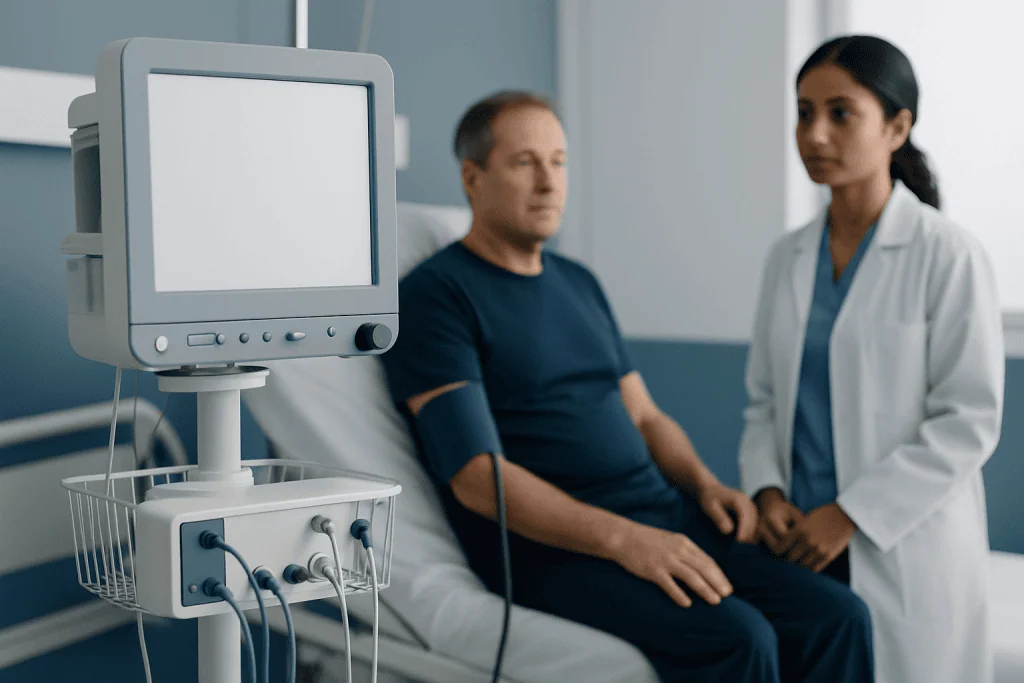
People often use the term “poor circulation” to describe a wide range of symptoms. Common examples include cold hands or feet, tingling, numbness, cramps with walking, swollen legs, heavy legs at the end of the day, changes in skin color, or slower healing of cuts on the feet or legs. Sometimes the problem is true reduced blood flow; other times it may be related to nerve irritation, joint problems, or simply being inactive for long periods.
Symptoms in the legs can give useful clues. Pain or cramping in the calf, thigh, or buttock that appears with walking and improves with rest may suggest artery narrowing, sometimes called claudication. By contrast, aching, swelling, or a sense of heaviness that worsens after standing may point more toward vein-related problems such as chronic venous insufficiency. If one leg suddenly becomes painful, swollen, warm, or red, urgent medical review is important.
Symptoms in the hands and feet can also have different causes. Fingers that turn white or blue in the cold may be caused by blood vessel spasm, such as Raynaud syndrome. Numbness or burning in the feet can come from nerve damage, including diabetic neuropathy, even when major blood vessels are open. Because symptoms overlap, a proper diagnosis matters before choosing treatment.
What affects blood flow?
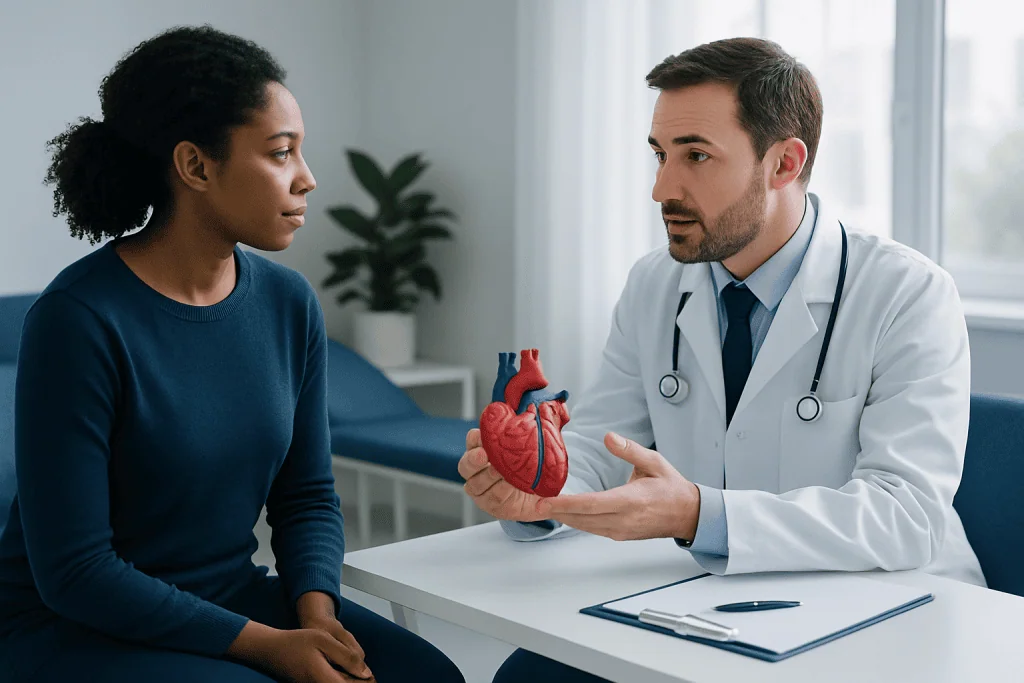
Blood flow can be influenced by everyday factors, medical conditions, and certain medicines. Physical inactivity is a major reason circulation feels sluggish, especially in the legs. Muscles act like a pump that helps move blood back to the heart, so sitting or standing in one position for too long can lead to temporary swelling, stiffness, or heaviness. Dehydration can also reduce circulating fluid volume and make some people feel lightheaded or fatigued.
Smoking and nicotine exposure are especially important because they narrow blood vessels and damage the vessel lining over time. High blood pressure, high cholesterol, diabetes, obesity, and sleep apnea can all impair vascular health. Artery disease may reduce blood flow to the legs, heart, or brain, while vein problems may cause pooling of blood in the lower legs. In some cases, anemia, thyroid disease, autoimmune disorders, or side effects of medication can also contribute to symptoms.
Age and family history matter, but circulation concerns are not limited to older adults. People who sit for long periods while traveling or working, athletes with repetitive strain, and younger adults with migraine or cold-sensitive fingers can also notice circulation-related symptoms. The most helpful first step is to match the symptom pattern with the likely cause rather than assuming every problem is due to blocked arteries.
Evidence-based ways to improve blood flow
The strongest evidence supports regular physical activity. Walking, cycling, swimming, and other aerobic exercise help the heart pump more efficiently, improve the function of blood vessel lining, and support healthier blood pressure, cholesterol, and blood sugar. For people with desk-based routines, even short movement breaks during the day can help reduce stiffness and improve circulation to the legs. Resistance training and flexibility work can also help by improving muscle function and reducing pressure from tight tissues.
Stopping smoking is one of the most important circulation decisions a person can make. Quitting tobacco can improve vascular function and lower the long-term risk of artery disease, heart attack, and stroke. Other helpful habits include drinking enough fluids, limiting prolonged sitting, elevating the legs when appropriate, and choosing supportive footwear if swelling or foot discomfort is present. Compression stockings may help some people with vein-related swelling, but they should be used with medical advice if artery disease is suspected.
Nutrition also supports healthy blood flow, although no single food “opens” arteries on its own. A dietary pattern rich in vegetables, fruits, whole grains, beans, nuts, fish, and unsaturated fats supports vascular health by helping control inflammation and metabolic risk factors. For people with diabetes, careful blood sugar management is especially important to protect both blood vessels and nerves. Sleep, stress reduction, and weight management also matter because circulation is closely linked to overall cardiovascular health.
Some people ask about massage, heat, or supplements. Gentle warmth and massage may briefly ease muscle tightness and improve comfort, especially if symptoms are related to cold exposure or inactivity. However, supplements marketed for circulation vary in quality and are not a substitute for medical assessment when symptoms persist. Anyone considering supplements should discuss them with a clinician, especially if they take blood thinners or have heart disease.
How doctors diagnose circulation problems
If symptoms keep returning, a doctor will usually begin by asking when they happen, what makes them better or worse, and whether there are associated warning signs such as pain with walking, skin breakdown, chest symptoms, dizziness, or changes in hand or foot color. A physical examination may include checking pulses in the arms and legs, listening for vascular sounds, looking for swelling or varicose veins, and comparing temperature or skin color between limbs.
Basic testing depends on the symptom pattern. Blood pressure measurement, blood tests for cholesterol, blood sugar, anemia, kidney function, or thyroid disease may be helpful. If artery narrowing is suspected in the legs, a simple ankle-brachial index can compare blood pressure at the ankle and arm. Ultrasound is commonly used to evaluate blood flow in arteries and veins, especially if there is concern for peripheral artery disease or a blood clot.
In some situations, further imaging or specialist evaluation is needed. This may include vascular ultrasound, CT angiography, MR angiography, or heart testing if symptoms suggest a broader cardiovascular problem. If swelling, pain, or visible veins are prominent, evaluation for venous disease may be appropriate. When symptoms appear to be due to severe artery narrowing or another structural problem, doctors may discuss procedures such as vascular surgery or minimally invasive vessel-opening techniques such as angioplasty and stent placement.
Treatment depends on the cause
There is no single treatment for “poor circulation” because the best approach depends on what is reducing blood flow or creating the sensation of poor flow. When lifestyle factors are the main issue, doctors usually recommend a plan built around exercise, smoking cessation, nutrition, weight management, and better control of blood pressure, cholesterol, and diabetes. These steps help both symptoms and long-term vascular health.
If vein-related problems are causing swelling or heaviness, treatment may focus on leg elevation, compression therapy, exercise, and managing prolonged standing or sitting. If artery disease is present, treatment may include supervised exercise, medications to reduce cardiovascular risk, and in selected cases procedures to restore blood flow. Some patients may also need evaluation of the heart rhythm or heart pumping function if circulation symptoms come with fatigue, shortness of breath, or reduced exercise tolerance.
Symptoms due to nerve compression, musculoskeletal strain, or cold sensitivity require a different plan. For example, improving posture, taking movement breaks, treating back or neck problems, and keeping the hands and feet warm may help when arteries are not the main issue. If diabetes is contributing, comprehensive management is essential to protect nerves, kidneys, eyes, and blood vessels over time. In more complex cases, care may involve cardiology, vascular medicine, endocrinology, or rehabilitation specialists.
Near the end of the evaluation pathway, patients sometimes benefit from care in a multidisciplinary center. Acibadem International’s specialists and JCI-accredited hospitals diagnose and treat circulation-related conditions for international patients, including advanced vascular assessment and procedures when needed.
When to seek medical care
Medical care is important if circulation symptoms are frequent, worsening, or interfering with daily activities. A person should arrange a non-urgent medical review for repeated calf pain with walking, ongoing coldness in one limb, persistent swelling, color changes, numbness that does not go away, or sores on the feet or legs that heal slowly. These symptoms do not always mean a serious vascular problem, but they should be assessed properly.
Urgent care is needed for chest pain, sudden shortness of breath, sudden weakness or numbness on one side, trouble speaking, fainting, or a leg that becomes suddenly painful, pale, cold, or difficult to move. One-sided leg swelling with warmth and pain can also be a warning sign of a clot and should be evaluated promptly. Sudden symptoms call for emergency assessment rather than home treatment.
People at higher risk should be especially attentive to new symptoms. This includes those with diabetes, high blood pressure, high cholesterol, kidney disease, known cardiovascular disease, or a history of smoking. Early review can help distinguish common, manageable causes from conditions that need targeted treatment.
Frequently asked questions
What is the fastest natural way to increase blood flow?
For most people, the quickest safe step is to start moving gently. A short walk, ankle pumps, stretching, or changing position after sitting for a long time can improve circulation to the legs and feet within minutes. Warmth and hydration may also help if symptoms are related to cold exposure or mild dehydration.
Can drinking water improve circulation?
Good hydration supports normal blood volume and may help some people feel less lightheaded or sluggish. Water alone does not treat artery blockages or vein disease, but it is part of healthy circulation habits. Persistent symptoms still need medical review to find the underlying cause.
Do cold hands and feet always mean poor circulation?
No. Cold hands and feet can happen because of normal temperature sensitivity, low body weight, anxiety, thyroid problems, anemia, or blood vessel spasm such as Raynaud syndrome. If color changes, pain, numbness, or ulcers are present, a doctor should assess the symptoms.
Which exercise is best for improving blood flow?
Walking is often one of the best and most practical choices because it helps the leg muscles pump blood back toward the heart and supports overall cardiovascular fitness. Cycling, swimming, and low-impact aerobic exercise can also be very helpful. The best program is one a person can do regularly and safely.
Can poor circulation be reversed?
Sometimes symptoms improve significantly when the cause is addressed early, especially if they are linked to inactivity, smoking, dehydration, or poorly controlled blood pressure, cholesterol, or diabetes. If there is established artery or vein disease, treatment can still improve symptoms and lower complications. The outlook depends on the specific diagnosis and how advanced it is.
Are supplements proven to increase blood flow?
Evidence for circulation supplements is mixed, and product quality can vary. Some may interact with blood thinners, blood pressure medicines, or other treatments. It is safest to discuss supplements with a qualified clinician rather than relying on them as a first-line solution.
References
- American Heart Association
- Centers for Disease Control and Prevention
- National Heart, Lung, and Blood Institute
- Society for Vascular Surgery
- World Health Organization
This article is for general information only and is not a substitute for professional medical advice. Please consult a qualified doctor about your individual situation.
Explore treatments in Turkey — costs, top hospitals & a free quote
JCI-accredited · board-certified surgeons · reply within 24h
Add us as a Preferred Source to see more of our trusted health content across Google Search, AI Overviews and Discover.
Check your numbers in seconds
BMI, calories, due date, blood pressure and 30+ more clinical calculators — free, instant, doctor-reviewed ranges.