How to Lose Face Fat? A Doctor-Reviewed Answer

It is not possible to target fat loss only in the face, but gradual overall weight loss often reduces facial fullness. Facial puffiness may come from salt intake, alcohol, poor sleep, allergies, medications, or hormonal and medical conditions.
Key Takeaways
- It is not possible to target fat loss only in the face, but gradual overall weight loss often reduces facial fullness.
- Facial puffiness may come from salt intake, alcohol, poor sleep, allergies, medications, or hormonal and medical conditions.
- A doctor should evaluate sudden swelling, facial asymmetry, pain, breathing trouble, or changes that do not improve.
- Helpful habits include balanced nutrition, regular exercise, hydration, good sleep, and avoiding smoking and excess alcohol.
- Cosmetic procedures may change facial contour in selected cases, but they do not replace medical evaluation when swelling is unexplained.
For most people, a fuller-looking face is harmless and reflects genetics, normal fat distribution, fluid retention, or overall body weight rather than a separate medical problem. The most reliable way to lose face fat is to reduce overall body fat gradually with sustainable lifestyle habits, while sudden swelling, one-sided changes, or other red flags should be assessed by a doctor.
Overview: what helps and what does not
The shortest doctor-reviewed answer to how to lose face fat is this: a person usually cannot choose where fat comes off first, so the safest and most effective approach is gradual overall fat loss through nutrition, physical activity, sleep, and other healthy habits. In many cases, a rounder face is completely normal and may be shaped by genetics, age, natural facial structure, or temporary water retention rather than excess fat alone.
It is also important to separate face fat from facial puffiness. Puffiness often fluctuates from day to day and may be linked to salty meals, alcohol, poor sleep, allergies, sinus issues, or certain medications. True changes in facial fat tend to happen more slowly. This distinction matters because the right solution depends on the cause.
Many online tips promise rapid facial slimming with special exercises or quick fixes. While facial exercises may improve muscle awareness, they are not a proven way to selectively burn fat from the cheeks or jawline. A doctor-reviewed approach focuses first on identifying whether the concern is normal variation, fluid retention, overall weight changes, or a medical condition that needs attention.
Why the face can look fuller
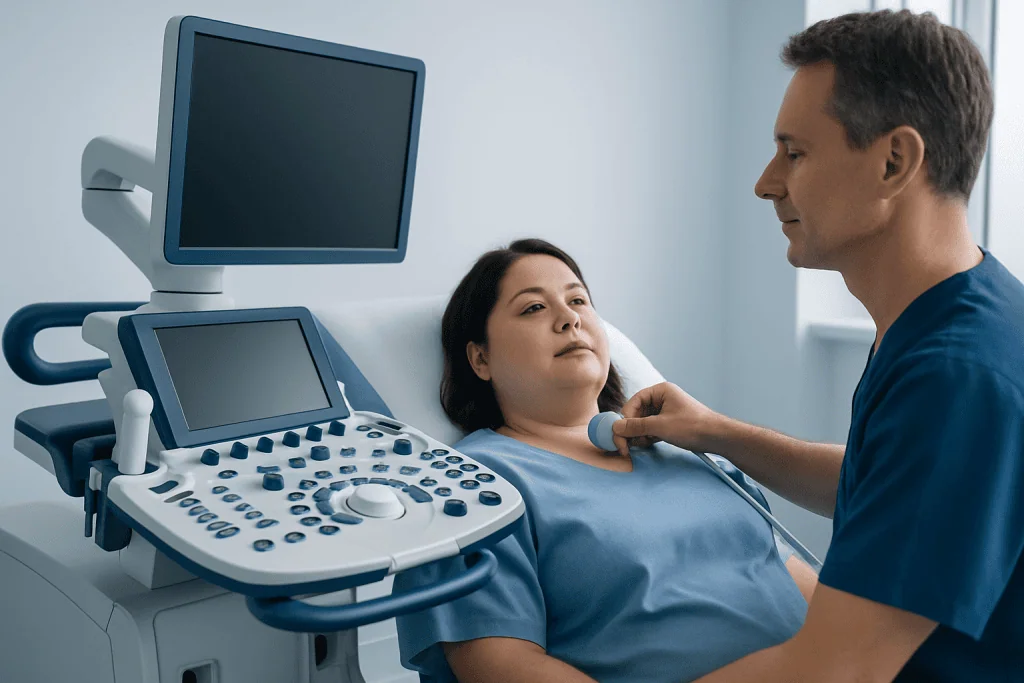
A fuller face can happen for several common, non-dangerous reasons. Genetics strongly influence cheek shape, jaw structure, and where the body stores fat. Age also matters: children and young adults often have naturally fuller cheeks, while facial contours change gradually over time. Some people also notice temporary morning puffiness that improves as the day goes on.
Fluid retention is another frequent explanation. High sodium intake, alcohol, dehydration, poor sleep, stress, and hormonal shifts can all make the face look swollen or puffy. Seasonal allergies, sinus congestion, and skin irritation may also add to the effect. In these cases, the face may appear different from one day to the next.
Sometimes a fuller face relates to body weight, but not always. A person with a healthy weight may still have naturally round cheeks, and someone with obesity may not notice major facial changes first when losing weight. Less commonly, a round or swollen face can be linked to thyroid disease, kidney problems, dental infection, medication effects such as corticosteroids, or hormone-related conditions. Related conditions that may sometimes contribute include obesity and Cushing syndrome.
Signs that suggest puffiness or a medical cause

Most facial fullness is harmless, but some features suggest that a doctor should look more closely. Red flags include sudden swelling, swelling that affects only one side of the face, facial pain, fever, redness, trouble swallowing, tooth pain, or breathing difficulty. These symptoms may point to an allergy, infection, dental abscess, salivary gland problem, or another condition that needs prompt care.
A medical review is also sensible if facial changes come with unexplained weight gain, fatigue, hair loss, cold intolerance, menstrual changes, snoring, leg swelling, or a new medication. These clues can help doctors decide whether the issue is mostly cosmetic, due to fluid retention, or related to an underlying health problem such as thyroid disease or sleep-disordered breathing.
Long-term facial asymmetry, a growing lump, persistent swollen glands, or skin changes should not be ignored either. These do not always mean a serious illness, but they deserve assessment. If symptoms suggest a disorder affecting the nose or throat, a doctor may also evaluate for sinusitis or other ENT causes.
What actually helps reduce facial fullness
The most evidence-based way to reduce true facial fat is to work toward a healthy body composition overall. That usually means a steady eating pattern built around vegetables, fruit, beans, whole grains, lean protein, and healthy fats, rather than severe dieting. Weight changes that happen gradually are more likely to be sustainable and less likely to lead to a cycle of restriction and regain.
Regular exercise supports this process by helping with energy balance, cardiometabolic health, sleep quality, and stress control. A mix of aerobic activity and strength training is often recommended because preserving muscle mass is important during weight loss. Even when the scale changes slowly, improvements in fitness and daily routines can still reduce facial puffiness and improve overall wellbeing.
Several daily habits can make a visible difference in people whose concern is more about puffiness than fat. These include limiting excess sodium, moderating alcohol, drinking enough fluids, sleeping consistently, treating allergies if present, and avoiding smoking. Helpful strategies may include:
- Choosing minimally processed foods more often
- Watching for high-salt restaurant or packaged meals
- Keeping a regular sleep schedule
- Managing stress with realistic routines
- Reviewing medications with a doctor if swelling started after a new prescription
Do facial exercises, massage, or cosmetic treatments work?
Many people ask whether chewing more, doing jaw exercises, or massaging the face can reduce cheek fat. At present, there is no strong evidence that these methods selectively burn facial fat. Massage may temporarily reduce puffiness in some people by encouraging fluid movement, and posture or muscle tension work can change how the face looks, but these approaches should be seen as supportive rather than primary treatment.
When a person is bothered mainly by contour rather than swelling, aesthetic procedures may sometimes be discussed after a medical assessment. These are highly individual decisions that depend on facial anatomy, skin quality, age, and expectations. Options may be reviewed by specialists in plastic and reconstructive surgery or medical aesthetics when appropriate.
Cosmetic approaches are not a substitute for checking warning signs. A suddenly puffy face, asymmetry, pain, or swelling after a medication should be evaluated medically first. If the concern is persistent weight gain or difficulty losing weight, structured support through obesity treatment may be more useful than focusing on the face alone.
How doctors evaluate a fuller or swollen face
If someone seeks care for facial fullness, the doctor usually starts by asking how long it has been present and whether it changes through the day. They may ask about recent weight changes, sleep habits, diet, alcohol, allergies, sinus symptoms, medications, menstrual history, snoring, and symptoms involving the teeth or jaw. Photos over time can sometimes help show whether the change is gradual or sudden.
The physical examination may include the face, skin, mouth, teeth, salivary glands, neck, thyroid area, and lymph nodes. The doctor may look for tenderness, asymmetry, signs of infection, fluid retention elsewhere in the body, or features that suggest hormone or metabolic conditions. This step often clarifies whether the issue is likely cosmetic, inflammatory, or systemic.
Tests are only used when symptoms suggest a specific cause. Depending on the situation, a clinician may consider blood tests for thyroid function, blood sugar, kidney function, or inflammation; dental evaluation; allergy assessment; or imaging such as ultrasound or CT for a lump, sinus disease, or salivary gland concern. When patients need more specialized care, evaluation by ENT, endocrinology, dermatology, dental, or plastic surgery teams may be appropriate.
When to seek medical care
Medical advice should be sought promptly if facial swelling appears suddenly, affects breathing, causes trouble swallowing, or follows a possible allergic exposure. Care is also important for fever, severe toothache, facial redness, significant pain, or swelling around the eyes. These symptoms can signal infection, allergic reaction, or another problem that should not be managed only at home.
A routine appointment is reasonable if facial fullness is persistent, unexplained, one-sided, or associated with fatigue, rapid weight changes, menstrual irregularity, snoring, or new medications. A doctor can help determine whether the change is mainly due to body composition, fluid retention, or an underlying condition such as a hormone imbalance.
For international patients who need further evaluation, Acibadem International’s multidisciplinary specialists in JCI-accredited hospitals diagnose and treat causes of facial swelling and weight-related concerns, with referrals tailored to the person’s symptoms and findings.
Healthy self-care and realistic expectations
People often notice facial changes later than they expect, even when they are doing everything right. Fat loss patterns vary from person to person, and the face may change gradually over weeks or months rather than days. For that reason, it helps to focus on overall health markers such as energy, strength, sleep, and waist measurements instead of watching the mirror too closely every morning.
Simple routines are usually more effective than extreme plans. Balanced meals, regular movement, enough sleep, stress management, and avoiding tobacco give the body the best chance to reduce both fat accumulation and fluid retention over time. Crash diets, dehydration tactics, and unproven supplements may briefly change appearance but are not healthy long-term solutions.
If a person remains unhappy with facial contour after optimizing health habits, a qualified doctor can discuss whether the concern is normal anatomy, skin laxity, dental or bite issues, or a cosmetic matter. A calm, stepwise evaluation often provides reassurance and helps identify the most sensible next step.
Frequently asked questions
Can a person lose fat only from the face?
No specific exercise or diet can reliably target fat loss only in the face. When facial fullness is due to body fat, it usually improves as overall body fat decreases over time. If the problem is puffiness rather than fat, sleep, sodium intake, alcohol, allergies, and medications may matter more.
How long does it take to notice a slimmer face?
There is no fixed timeline because genetics, starting body composition, age, and lifestyle all influence when facial changes become visible. Some people notice less puffiness within days of improving sleep and reducing sodium, while changes from fat loss usually take longer. Sustainable progress is more important than rapid changes.
Do facial exercises help reduce cheek fat?
Facial exercises are not proven to selectively burn cheek fat. They may improve muscle awareness or posture and can sometimes slightly change facial appearance, but they should not be expected to replace overall weight management. Persistent swelling or asymmetry should be medically assessed rather than treated with exercises alone.
Why does the face look puffy in the morning?
Morning puffiness is often related to temporary fluid shifts during sleep. Salt, alcohol, poor sleep, nasal congestion, allergies, and sleeping position can all contribute. If puffiness is severe, painful, one-sided, or ongoing, a doctor should evaluate it.
Can medications cause a rounder or swollen face?
Yes. Some medicines, including corticosteroids and certain hormone-related treatments, can change fat distribution or cause fluid retention. A person should not stop a prescribed medicine on their own, but they should ask their doctor whether a medication could be contributing.
When is facial fullness not just a cosmetic issue?
Facial fullness should be reviewed if it starts suddenly, occurs on one side, is painful, or comes with fever, breathing trouble, swallowing difficulty, tooth symptoms, or a lump. It also deserves attention if it is linked with fatigue, rapid weight change, menstrual changes, or other signs of a broader health problem. In these situations, medical evaluation is more important than cosmetic solutions.
References
- National Institute of Diabetes and Digestive and Kidney Diseases
- American Academy of Otolaryngology–Head and Neck Surgery
- American Thyroid Association
- Centers for Disease Control and Prevention
- National Health Service
This article is for general information only and is not a substitute for professional medical advice. Please consult a qualified doctor about your individual situation.
Medical weight-loss options in Turkey — costs & eligibility
JCI-accredited · board-certified surgeons · reply within 24h
Add us as a Preferred Source to see more of our trusted health content across Google Search, AI Overviews and Discover.
Check your numbers in seconds
BMI, calories, due date, blood pressure and 30+ more clinical calculators — free, instant, doctor-reviewed ranges.