How to Make Natural Face Mask? Here Is What the Evidence Says
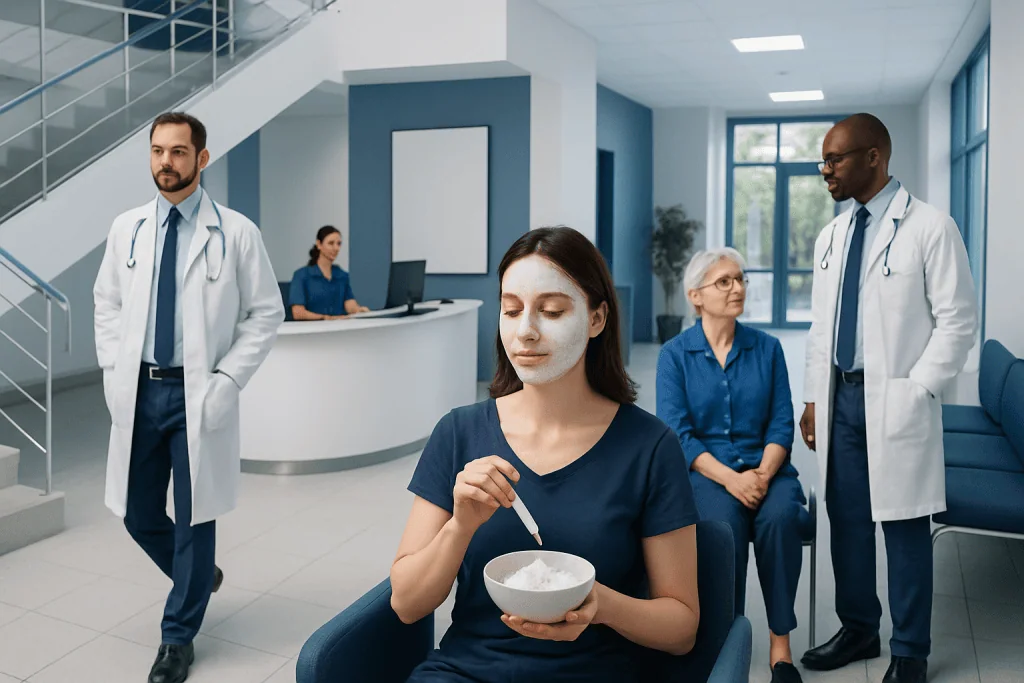
A natural face mask should use only a few gentle ingredients and be patch tested first. Natural does not always mean safe; lemon, baking soda, essential oils, and raw egg can irritate skin or cause other problems.
Key Takeaways
- A natural face mask should use only a few gentle ingredients and be patch tested first.
- Natural does not always mean safe; lemon, baking soda, essential oils, and raw egg can irritate skin or cause other problems.
- People with eczema, rosacea, acne-prone skin, or fragrance sensitivity should be especially cautious with DIY masks.
- Stop using a mask right away if it causes burning, swelling, rash, or worsening redness.
- A dermatologist can help if facial symptoms do not settle, keep coming back, or suggest an underlying skin condition.
How to make natural face mask safely usually means choosing a very simple recipe, avoiding known irritants, and patch testing before putting anything on the face. Many homemade masks are harmless for healthy skin, but some “natural” ingredients can trigger irritation, allergy, acne flares, or eczema.
Overview: what the evidence says about natural face masks
For many people, making a natural face mask at home is harmless when the ingredients are simple, the skin is intact, and the product is used only occasionally. A basic mask can help soften the skin briefly or make cleansing feel more soothing, but evidence for strong medical or anti-aging benefits is limited. In other words, homemade masks may support comfort and routine, but they should not be expected to treat a skin disease.
The main safety point is that “natural” does not automatically mean gentle. Ingredients such as citrus juice, cinnamon, essential oils, undiluted apple cider vinegar, and baking soda can disturb the skin barrier and cause stinging, rash, dryness, or even dark marks after irritation. People with sensitive skin, eczema, rosacea, or active acne are more likely to react.
If a person wants to try a DIY face mask, the safest approach is to keep it bland, short-contact, and easy to rinse off. A simple oatmeal or plain yogurt-based mask may be better tolerated than a mixture with many ingredients. The goal should be comfort and hydration, not a dramatic change in skin texture or color.
Red flags that deserve medical review include facial swelling, blistering, severe burning, spreading rash, crusting, oozing, or symptoms that keep returning after skin products are used. In these situations, a doctor will usually ask about recent products, examine the skin closely, and consider whether the problem is irritation, allergy, infection, acne, or another condition such as eczema or rosacea.
How to make a natural face mask safely

The safest homemade face mask is usually the simplest one. A person can start with one soothing ingredient and one carrier ingredient, rather than combining multiple botanicals, acids, or fragrances. This helps lower the chance of irritation and also makes it easier to identify the cause if the skin reacts.
A basic example is finely ground oatmeal mixed with lukewarm water to form a soft paste. Another gentle option is plain, unsweetened yogurt used in a thin layer for a short period, although it may not suit everyone. The mask should be applied to clean skin, left on for about 5 to 10 minutes, and rinsed off with lukewarm water rather than hot water.
Before using any new mask on the whole face, it is sensible to patch test it on a small area such as the jawline or behind the ear. If no burning, itching, redness, or bumps appear over the next 24 to 48 hours, the product is less likely to cause a reaction, though patch testing cannot guarantee complete safety. Masks should not be applied to broken skin, around the eyes, or over a sunburn.
- Choose plain, fragrance-free ingredients whenever possible.
- Use clean bowls, spoons, and hands.
- Make a fresh batch each time instead of storing it.
- Remove the mask immediately if it stings or burns.
- Apply a gentle moisturizer afterward to support the skin barrier.
Ingredients that may help — and ingredients to avoid

Some commonly used ingredients have limited but reasonable support for soothing the skin. Oatmeal is often well tolerated and may help calm dryness and itch. Honey has humectant properties, meaning it can help attract moisture, but it can still irritate some people and should be used cautiously on acne-prone or highly reactive skin. Plain yogurt contains lactic acid, which may gently soften skin, but overuse can irritate sensitive skin.
By contrast, several popular DIY ingredients are more likely to cause trouble than benefit. Lemon juice and other citrus juices are acidic and can make skin sting or become inflamed; they may also increase the risk of a light-triggered reaction after sun exposure. Baking soda is highly alkaline and can disrupt the skin’s natural barrier. Essential oils, even when marketed as pure or therapeutic, are a common cause of allergic contact dermatitis.
Raw egg is best avoided because of hygiene concerns, including bacterial contamination. Coarse sugar, salt, coffee grounds, or crushed nut shells can create tiny injuries in the skin when rubbed in as scrubs. Toothpaste, glue-based masks, and strong spices such as cinnamon or chili should not be used on the face.
If a person is mainly trying to treat acne, dark spots, or ongoing redness, it is usually safer to discuss proven options with a skin specialist rather than experimenting with strong kitchen ingredients. In some cases, a doctor may recommend structured dermatology care or treatments directed at acne or inflammation instead of repeated DIY applications.
What skin problems can happen after a homemade face mask?
Most reactions to DIY face masks are mild and settle after the product is removed, but they can still be uncomfortable. Common problems include stinging, dryness, tightness, redness, scaling, or small bumps. These symptoms often point to irritant contact dermatitis, which means the skin barrier has been disturbed by an ingredient that is too harsh.
Some people develop allergic contact dermatitis instead. This can cause itch, swelling, rash, and inflammation that may appear hours or even a day or two after exposure. Fragrances, essential oils, plant extracts, and preservatives are common triggers, and a product can cause allergy even if it is labeled natural or organic.
Homemade masks can also worsen existing skin conditions. People with acne may notice more clogged pores or inflammation if they use heavy oils or occlusive ingredients. Those with acne may mistake irritation for a “purge,” but worsening tenderness, redness, or breakouts often means the skin is not tolerating the product. People with rosacea or eczema may flare after even brief exposure to acids, scrubs, heat, or fragrance.
In rare cases, stronger reactions can happen, such as facial swelling, blistering, or infection if damaged skin is exposed to contaminated products. These reactions are not typical, but they are important signs to stop using the product and seek medical advice.
How doctors evaluate a skin reaction
If facial redness, rash, itching, or swelling develops after a homemade mask, a doctor will usually begin with a careful history. They may ask exactly which ingredients were used, how long the mask stayed on, whether there was sun exposure afterward, and whether the person has a history of allergies, eczema, acne, or rosacea. Photos of the ingredient list or the mixture can sometimes be helpful.
The skin examination often provides important clues. A doctor looks at the pattern and location of redness, scaling, bumps, swelling, or crusting to decide whether the reaction is more likely due to irritation, allergy, infection, acne, or another inflammatory condition. Most cases do not require complex testing.
If symptoms keep returning or a contact allergy is suspected, patch testing may be recommended. This is different from a home patch test for product use; medical patch testing helps identify delayed allergies to specific substances. When symptoms suggest an infection, the doctor may examine for bacteria, fungi, or herpes-related changes, especially if there is pain, crusting, or blistering.
Persistent or severe cases may benefit from specialist review. A dermatologist can help distinguish between product irritation and underlying skin diseases and may suggest tailored skincare, trigger avoidance, or skin allergy testing when appropriate.
What to do if a natural face mask irritates the skin
The first step is simple: remove the mask right away with lukewarm water and stop using all active or potentially irritating products for a few days. This includes exfoliating acids, retinoids, scrubs, strongly scented creams, and essential oils. The skin barrier often improves with rest and a very gentle routine.
Using a bland moisturizer can help reduce dryness and tightness. A fragrance-free cleanser, if needed, and a plain moisturizer are often enough while the skin settles. Sun protection matters as well, because irritated skin is more vulnerable to further discoloration and sensitivity.
If symptoms are mild, they may improve within a few days. A person should not continue “testing” the same mixture or apply additional home remedies to counteract the reaction, as this may worsen inflammation. If one ingredient is suspected, it is best to avoid it completely until a clinician advises otherwise.
When symptoms are more persistent or significant, professional care is preferable to repeated self-treatment. Depending on the diagnosis, management may include dermatology care for barrier repair, eczema treatment, acne management, or treatment of another underlying condition.
Safer self-care and prevention tips
People who enjoy at-home skincare can lower risk by focusing on simplicity, hygiene, and skin barrier support. Gentle routines are usually more sustainable than frequent experimenting. In general, the skin does better with fewer variables, especially when it is sensitive.
It helps to think of a homemade mask as an occasional skincare step rather than a treatment for a medical problem. If a person is trying to improve acne, persistent redness, pigmentation, itching, or scaling, over-the-counter or prescription options with known ingredients are often easier to use safely and more predictable.
- Use no more than one or two new ingredients at a time.
- Avoid lemon, baking soda, essential oils, cinnamon, and raw egg on the face.
- Do not scrub the skin before or after a mask.
- Limit use to occasional short sessions rather than daily applications.
- Choose fragrance-free moisturizers and sunscreen after rinsing.
- Stop immediately if the skin burns, swells, or becomes more red.
For people with recurring skin sensitivity, it may be better to avoid DIY masks altogether and use products designed for sensitive skin. Near the end of the care pathway, if expert support is needed, Acibadem International’s multidisciplinary specialists in JCI-accredited hospitals evaluate and treat skin concerns for international patients.
When to seek medical care
Many minor reactions settle once the product is stopped, but some symptoms should not be ignored. Medical review is important if there is facial swelling, trouble breathing, widespread hives, severe pain, blistering, oozing, crusting, eye involvement, or signs of infection such as warmth and pus. These symptoms can point to a more serious allergic reaction, intense irritation, or infection.
A doctor should also be consulted if redness, itching, or bumps last more than several days, keep returning, or leave dark marks or ongoing sensitivity. People with eczema, rosacea, a history of allergies, or very sensitive skin may need advice before trying additional products. Children and people using prescription skin medicines should be especially cautious with homemade masks.
If the goal is to treat a true skin condition rather than simply enjoy a brief self-care routine, professional assessment is usually the safer path. Persistent symptoms may need a diagnosis and a plan rather than more trial-and-error at home.
Frequently asked questions
Is a natural face mask always safe because it is homemade?
No. Natural ingredients can still irritate the skin or trigger an allergy, especially on the face where the skin is more delicate. Simple, fragrance-free ingredients are usually safer than complex mixtures with acids, spices, or essential oils.
What is the safest homemade face mask to try first?
A very simple oatmeal-and-water mask is often one of the gentlest options. It should be patch tested first, used for a short time, and rinsed off if any stinging or redness begins.
Can lemon juice brighten the skin safely in a DIY mask?
Lemon juice is generally not recommended for facial skin. It can sting, disrupt the skin barrier, and in some cases cause a sun-related reaction that leads to irritation or discoloration.
How often should a homemade natural face mask be used?
Occasional use is usually better than frequent use, especially for sensitive skin. Daily application is more likely to irritate the skin, particularly if the mixture contains acids, exfoliants, or fragrance.
What should someone do if a face mask causes burning or rash?
The mask should be washed off immediately with lukewarm water, and any other irritating products should be stopped for a few days. If swelling, blistering, severe redness, or persistent symptoms develop, a doctor should assess the skin.
Can DIY face masks help acne or eczema?
They are not reliable treatments for either condition and may sometimes make symptoms worse. People with ongoing acne, itching, redness, or scaling often do better with a medical diagnosis and a treatment plan designed for their skin type.
References
- American Academy of Dermatology
- National Eczema Association
- British Association of Dermatologists
- American Contact Dermatitis Society
This article is for general information only and is not a substitute for professional medical advice. Please consult a qualified doctor about your individual situation.
Explore treatments in Turkey — costs, top hospitals & a free quote
JCI-accredited · board-certified surgeons · reply within 24h
Add us as a Preferred Source to see more of our trusted health content across Google Search, AI Overviews and Discover.