How to Prepare for a Colonoscopy: Diet, Bowel Prep, and Medicines

A clean colon is essential for an accurate and safe colonoscopy. Preparation usually includes a low-fiber diet, then clear liquids, plus a prescribed bowel prep.
Key Takeaways
- A clean colon is essential for an accurate and safe colonoscopy.
- Preparation usually includes a low-fiber diet, then clear liquids, plus a prescribed bowel prep.
- Some medicines, especially blood thinners, diabetes medicines, and iron, may need special instructions.
- Following the timing of the prep exactly is often as important as taking the prep itself.
- Patients should arrange a responsible adult to take them home after sedation.
Preparing well for a colonoscopy helps the doctor see the colon clearly and improves the accuracy of the test. Most preparation involves changing the diet for a short time, taking a bowel-cleansing solution, and reviewing medicines with the healthcare team.
Overview: Why Colonoscopy Preparation Matters
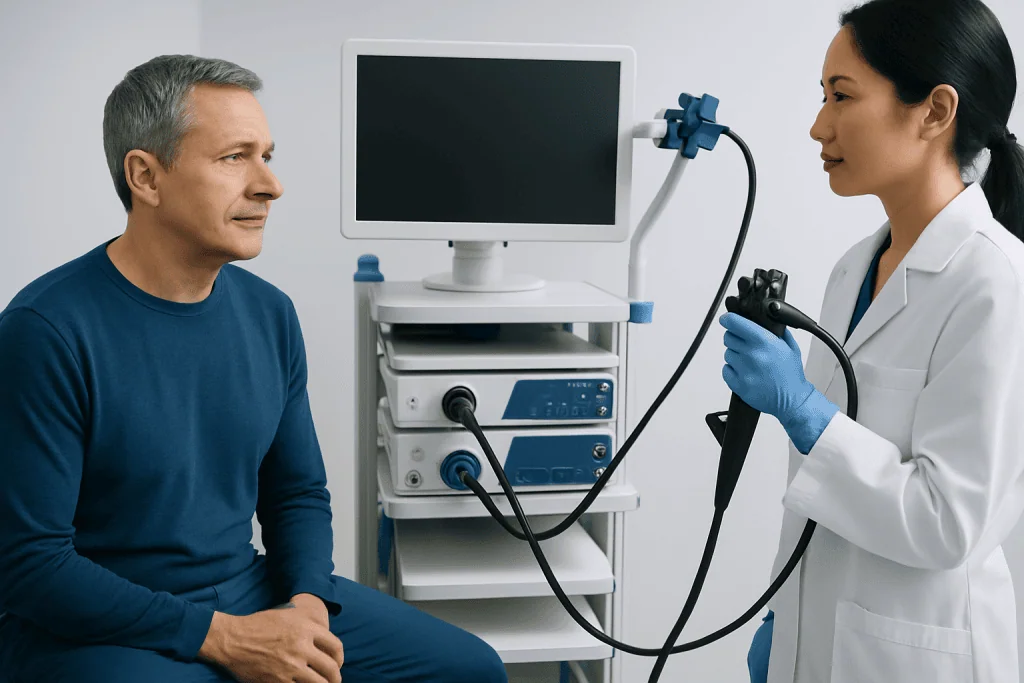
A colonoscopy is a procedure that allows a doctor to examine the inside of the large intestine using a thin, flexible camera. It is commonly used to investigate symptoms such as bleeding, changes in bowel habits, abdominal pain, or anemia, and it is also an important screening test for colorectal cancer and polyps.
Good preparation is one of the most important parts of the procedure. If stool remains in the colon, it can block the view and make it harder to detect small polyps, inflammation, or other abnormalities. In some cases, an incomplete bowel prep may mean the procedure needs to be repeated sooner than planned.
For most people, preparation begins one to several days before the test. It usually includes temporary diet changes, drinking a bowel-cleansing solution, and checking whether regular medicines need to be adjusted. The exact instructions can vary, so the patient should always follow the plan given by their own doctor or endoscopy unit.
What to Expect in the Days Before the Test
Many doctors ask patients to switch to a low-fiber or low-residue diet for one to three days before a colonoscopy. This means avoiding foods that leave a lot of material in the intestine, such as raw vegetables, nuts, seeds, popcorn, bran, and whole grains. White bread, rice, pasta, eggs, yogurt, lean meat, and clear soups are often easier choices during this short period.
The day before the procedure, most patients are told to have only clear liquids. Clear liquids usually include water, clear broth, tea or coffee without milk, pulp-free juices, sports drinks, and plain gelatin. Red or purple drinks are often avoided because they can look like blood during the exam.
Hydration is very important. Bowel prep can lead to frequent watery stools, so drinking enough clear fluids helps reduce the risk of dehydration, dizziness, headache, and weakness. It can also make the cleansing process easier to tolerate.
- Ask for written instructions as soon as the colonoscopy is scheduled.
- Shop for approved liquids and the bowel prep in advance.
- Plan to stay near a bathroom once the prep begins.
- Arrange time away from work or other responsibilities if needed.
Diet Tips: What to Eat and What to Avoid
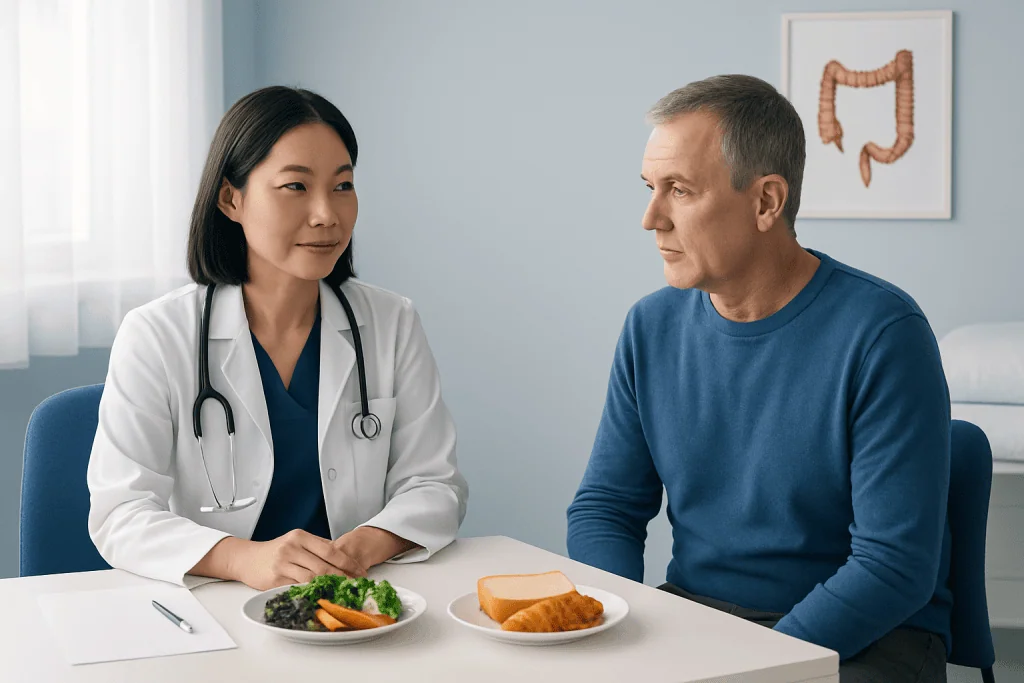
The exact colonoscopy diet depends on the center’s protocol, but the goal is always the same: to reduce residue in the bowel and make cleansing more effective. During the low-fiber phase, patients are often advised to choose simple, easy-to-digest foods and avoid items that contain seeds, skins, or roughage.
Common foods to avoid include beans, lentils, corn, berries, dried fruit, salad, and whole-grain cereals. Some centers also recommend stopping fiber supplements for a few days. If the patient has chronic constipation, the doctor may recommend extra preparation or an earlier change in diet.
On the clear-liquid day, it is helpful to vary fluids so that energy and hydration are maintained. Broth can provide salt, while clear juices or sports drinks can add carbohydrates. However, alcohol should generally be avoided, and dairy products or opaque liquids are not considered clear.
If there is any uncertainty about a specific food or drink, the safest approach is to ask the care team. Patients undergoing evaluation for digestive symptoms may already know terms such as colitis or Crohn's disease, but prep instructions still need to be individualized for the planned procedure and the person’s overall health.
Bowel Prep: How the Cleansing Solution Is Taken
Bowel prep usually involves drinking a prescribed laxative solution that empties the colon. There are different types of prep, and they do not all taste or work the same way. The doctor chooses the most suitable option based on the patient’s age, medical conditions, kidney function, constipation history, and previous colonoscopy results.
Many patients are advised to use a split-dose regimen. This means taking part of the bowel prep the evening before and the rest several hours before the colonoscopy. Split dosing is commonly preferred because it often cleans the colon better than taking the entire prep at once.
Frequent loose stools typically begin within a few hours after starting the prep. As the colon empties, the bowel movements should become increasingly watery and eventually look pale yellow or nearly clear. Chilling the solution, drinking it through a straw, or following each dose with an approved clear liquid may make it easier to tolerate.
Preparation can cause bloating, cramping, nausea, or anal irritation. These symptoms are often temporary. Applying a barrier cream to the skin, using soft toilet paper or wet wipes, and walking gently around the house may help. If vomiting prevents completion of the prep, or if severe pain develops, the patient should contact the medical team promptly.
Medicines: What Patients Should Review With Their Doctor
Medicine instructions are a key part of how to prepare for a colonoscopy. Some medicines can increase bleeding risk, affect blood sugar, or interfere with hydration. Patients should give the healthcare team a full list of prescription medicines, over-the-counter products, vitamins, herbal supplements, and any allergies well before the procedure.
Blood thinners and antiplatelet medicines often need special planning, but they should never be stopped without medical advice. Diabetes medicines may also need adjustment because food intake is reduced during prep. Iron tablets are commonly stopped temporarily because they can darken stool and make cleansing more difficult.
People who take medicines for blood pressure, heart conditions, seizures, or thyroid disease may be told to continue them with small sips of water, but instructions vary. Patients with kidney disease, heart failure, pregnancy, or severe constipation may need a more tailored approach to bowel prep and fluid intake.
Some people undergoing digestive evaluation may later need further testing or treatment, such as colonoscopy, endoscopy, or advanced imaging, depending on findings. For this reason, accurate medicine review and careful preparation are especially important from the start.
The Day of the Colonoscopy
On the day of the procedure, the patient usually continues clear fluids up to the time allowed by the clinic and stops all intake after the instructed cutoff. Because sedation is commonly used, the person should not drive themselves home and should arrange a responsible adult in advance.
It is normal to feel a little tired or hungry that morning. Wearing comfortable clothes and arriving early can make the experience less stressful. Patients should bring identification, insurance or registration documents if needed, and a current medicine list.
Before the test, the care team will review the medical history, confirm allergies and medicines, and answer last-minute questions. During the colonoscopy, the doctor examines the colon and may remove polyps or take tissue samples if necessary. If problems such as colon cancer or noncancerous polyps are suspected, samples can help guide next steps.
Afterward, mild bloating or gas is common because air or carbon dioxide is used during the exam. Most people can return to normal eating later that day unless told otherwise, but they should rest and avoid driving, alcohol, or major decisions until sedation has fully worn off.
Common Problems During Prep and How to Cope
Colonoscopy prep is often the hardest part of the process, but small practical steps can help. Nausea is a common complaint, especially if the solution is taken too quickly. Taking brief pauses, chilling the drink, or using a straw may improve tolerance, as long as the patient still completes it within the prescribed time.
If the bowel movements are not becoming clear, the patient should keep following the instructions provided by the endoscopy unit. In some cases, extra clear liquids or additional prep may be recommended. It is best not to assume the prep is complete too early, because an inadequately cleaned colon can reduce the value of the test.
Patients who are elderly, frail, or prone to dehydration should be especially careful about fluid intake. Warning signs such as fainting, confusion, inability to keep fluids down, or very little urine output should be reported. Those with complex digestive or liver conditions may eventually need services such as gastroenterology or hepatology evaluation, depending on the clinical picture.
For international patients seeking digestive care, Acibadem International’s multidisciplinary specialists and JCI-accredited hospitals evaluate and treat gastrointestinal conditions, including colonoscopy-based diagnosis and follow-up care when appropriate.
When to Call the Doctor Before the Procedure
Most discomfort during bowel prep is expected and temporary, but some symptoms need medical advice. The patient should call the doctor if they cannot finish the prep because of persistent vomiting, if they have severe abdominal pain, if they develop chest pain, or if they feel very weak or dehydrated.
It is also important to contact the healthcare team if there is uncertainty about medicine instructions, especially for blood thinners, insulin, or other diabetes treatments. Last-minute questions are common and worth clarifying. Clear communication can help prevent cancellation or unsafe preparation.
Patients should also mention fever, a new infection, or any significant change in health before the appointment. In some situations, rescheduling is safer than proceeding. A well-prepared colonoscopy is not only more effective for diagnosis and screening, but also less likely to need repeating.
Frequently asked questions
How long before a colonoscopy should preparation begin?
Preparation often starts one to several days before the procedure, depending on the doctor's instructions and the type of bowel prep used. Many patients begin a low-fiber diet first and switch to clear liquids the day before. The exact timing should follow the plan from the endoscopy team.
Can a person eat anything the day before a colonoscopy?
In many cases, the day before a colonoscopy is limited to clear liquids only. This helps empty the bowel so the doctor can see the colon clearly. Solid foods, dairy products, and drinks with pulp are usually avoided unless the doctor gives different instructions.
Why is split-dose bowel prep often recommended?
Split-dose prep means taking part of the bowel-cleansing solution the evening before and the rest on the day of the procedure. This approach often gives better colon cleansing because the bowel is emptied closer to the time of the exam. Better cleansing can improve the accuracy of the colonoscopy.
Should regular medicines be stopped before a colonoscopy?
Some medicines need special instructions, but they should not be stopped without medical advice. Blood thinners, diabetes medicines, iron supplements, and certain other drugs may need to be adjusted. The safest approach is to review all medicines with the healthcare team in advance.
What if the bowel prep causes nausea or vomiting?
Mild nausea can happen during colonoscopy prep and may improve by slowing down, chilling the solution, or taking short breaks if allowed. However, repeated vomiting can prevent proper cleansing and may lead to dehydration. If the patient cannot keep the prep down, they should contact the doctor or endoscopy unit promptly.
Can a person drive home after a colonoscopy?
Usually not. Sedation is commonly used, and it can affect alertness, coordination, and judgment for several hours. A responsible adult should be arranged to accompany the patient home.
What does successful bowel prep look like?
As the prep works, bowel movements usually become watery and much clearer over time. By the end, the output is often pale yellow or nearly clear, though exact appearance can vary. If there is doubt about whether the prep is adequate, the patient should contact the care team for guidance.
References
- American College of Gastroenterology
- National Institute of Diabetes and Digestive and Kidney Diseases
- American Society for Gastrointestinal Endoscopy
- U.S. Centers for Disease Control and Prevention
- National Health Service
This article is for general information only and is not a substitute for professional medical advice. Please consult a qualified doctor about your individual situation.
Persistent digestive symptoms? Get evaluated in Turkey
JCI-accredited · board-certified surgeons · reply within 24h
Add us as a Preferred Source to see more of our trusted health content across Google Search, AI Overviews and Discover.