

How to Prepare for a Dermatology Skin Consultation: Photos, Products, and Questions to Bring

Bring clear photos of the skin problem, especially if it changes over time or comes and goes. Make a complete list of skincare products, medications, and supplements used recently.
Key Takeaways
- Bring clear photos of the skin problem, especially if it changes over time or comes and goes.
- Make a complete list of skincare products, medications, and supplements used recently.
- Write down symptoms, when they started, what worsens them, and any past treatments tried.
- Avoid heavy makeup, nail polish, or styling products if the appointment involves those areas.
- Prepare simple questions about diagnosis, treatment choices, side effects, and follow-up.
Preparing for a dermatology skin consultation can make the visit more productive and help the doctor understand changes in the skin more clearly. Useful preparation often includes symptom photos, a list of skincare products and medications, and a few key questions about diagnosis, testing, and treatment options.
Overview: Why Preparation Matters for a Skin Consultation
A dermatology skin consultation is a medical visit focused on evaluating concerns affecting the skin, hair, or nails. These concerns may include rashes, acne, moles, itching, pigmentation changes, hair shedding, nail changes, or chronic conditions such as eczema or psoriasis. Good preparation helps the dermatologist see the problem more clearly and understand how it has changed over time.
Skin conditions can be especially difficult to assess if symptoms come and go. A rash may look very different during a flare than it does on the day of the appointment. For this reason, bringing notes and photos can be just as helpful as the physical examination itself. Small details, such as when the problem started or which products were used beforehand, may guide the diagnosis.
Preparation also helps patients make the most of a limited appointment time. Instead of trying to remember product names, timelines, or previous treatments during the visit, patients can arrive with organized information. This often leads to more focused discussions about likely causes, tests if needed, and practical treatment options.
What Information to Gather Before the Appointment
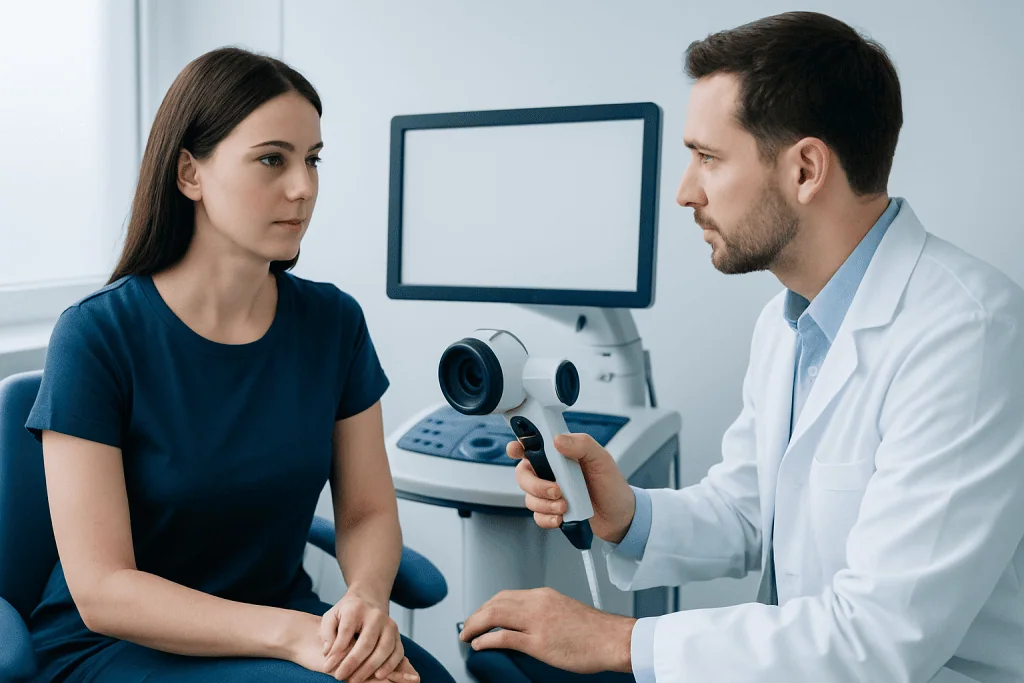
Before a dermatology skin consultation, it is helpful to write down a short history of the concern. This can include when symptoms first appeared, whether they began suddenly or gradually, and whether they have improved, worsened, or stayed the same. Patients should also note the body areas involved and whether the issue spreads, fades, or returns in cycles.
Symptom details are often important. A patient may describe itching, burning, pain, tenderness, scaling, bleeding, drainage, cracking, color change, or swelling. It is also useful to record whether anything seems to trigger the issue, such as sun exposure, sweating, shaving, stress, new cosmetics, detergents, or certain foods or medicines.
A brief medical background can support the consultation as well. This may include allergies, previous skin conditions, family history of skin disease or skin cancer, recent illnesses, pregnancy status if relevant, and any immune-related or hormonal conditions. If the concern has already been evaluated elsewhere, bringing prior test results or biopsy reports may prevent unnecessary repetition.
- Date symptoms started
- Location and pattern of the skin problem
- Triggers or relieving factors
- Past treatments tried, including over-the-counter creams
- Relevant medical and family history
Photos to Bring and How to Take Useful Skin Images
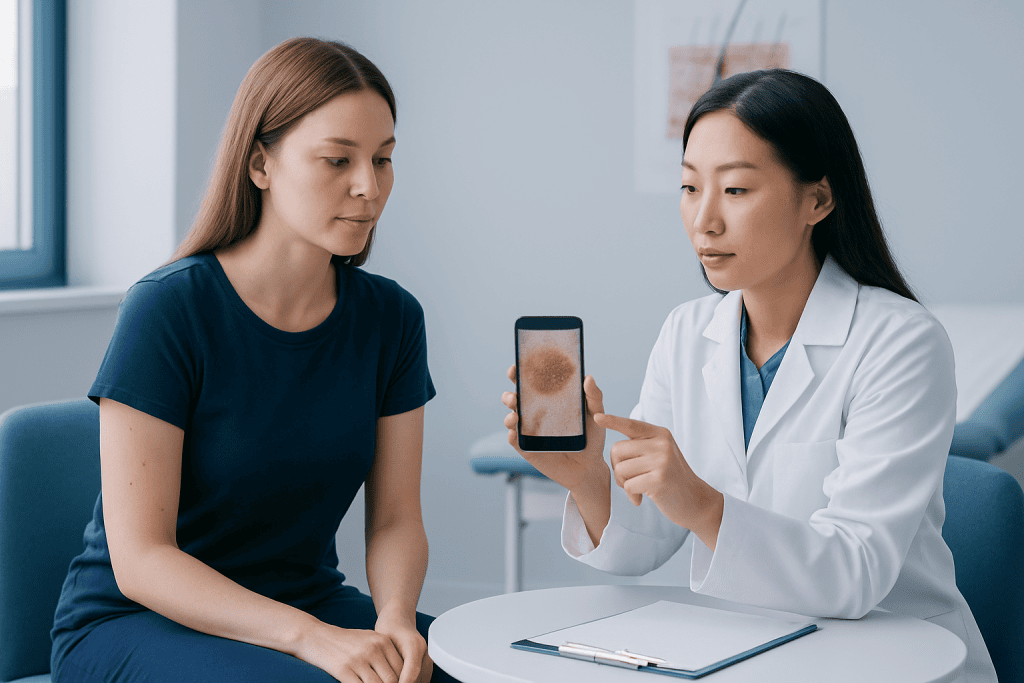
Photos can be one of the most valuable tools in a dermatology skin consultation, especially for problems that change from day to day. If a flare, swelling episode, hives outbreak, or color change was more noticeable in the past, a good-quality image may help the dermatologist understand the full picture. Photos are particularly helpful for intermittent rashes, acne flares, hair shedding patterns, and lesions that have changed over time.
The most useful photos are clear, well lit, and taken at more than one distance. One image can show the affected body part from farther away, while another can show a close-up of the texture or lesion. Natural light often works well, and taking photos against a plain background may make the skin easier to see. If possible, the same angle can be repeated over time to show progression.
It helps to keep photos in date order on a phone or in a separate album. Patients may also note symptoms present when the photo was taken, such as itching, pain, fever, or recent product use. If the concern involves a mole or spot that is changing, the dermatologist may want to compare images over time to assess change more accurately.
Which Products, Medications, and Items to Bring
During a dermatology skin consultation, the doctor may ask about everything that touches the skin or could affect it indirectly. This includes cleansers, moisturizers, sunscreens, acne treatments, prescription creams, makeup, hair products, shaving products, nail products, and fragrances. Bringing the actual items or taking photos of ingredient labels can be very helpful, especially if product names are hard to remember.
Patients should also bring a complete list of medications and supplements. Some skin changes can be related to prescription medicines, hormonal therapy, herbal products, or recent antibiotics. A list should include topical products as well as tablets, injections, inhalers, and supplements. If a treatment has already been tried, it is useful to note how long it was used and whether it helped, irritated the skin, or caused dryness or peeling.
In some cases, the dermatologist may assess chronic inflammatory conditions, suspicious moles, or treatment-resistant lesions. Depending on findings, evaluation may lead to discussion of procedures such as skin biopsy or treatment planning for conditions identified during the exam. A complete and honest product and medication history helps the doctor choose safer and more suitable next steps.
- Current skincare and cosmetic products
- Prescription creams, ointments, or washes
- All oral medicines and supplements
- Photos of ingredient lists if the product cannot be brought
- Prior reports, pathology results, or test records if available
How to Get Ready on the Day of the Visit
Simple preparation on the day of the appointment can make the skin examination easier. If the consultation is for a facial rash, acne, pigmentation, or lesion, it is usually best to arrive without makeup if possible. If the visit concerns the scalp, patients may avoid heavy styling products, powders, or sprays that can hide redness, scaling, or hair density changes. For nail concerns, removing nail polish or artificial nails ahead of time may help the doctor examine the nails more accurately.
Clothing choice can matter too. If the issue affects the trunk, arms, legs, or groin area, wearing comfortable clothing that is easy to remove may make the exam smoother. For people attending for a full-body skin check, it is helpful to avoid self-tanner and to mention any hard-to-see areas, such as the scalp, back, soles of the feet, or between the toes.
Patients should not stop prescribed treatment unless they have been told to do so, but they should let the dermatologist know what has been applied to the skin that day. If the appointment may include a procedure or test, the clinic may provide separate instructions in advance. Arriving a little early often gives enough time to complete forms, update medications, and list the main concerns in order of priority.
Questions Worth Asking During a Dermatology Skin Consultation
Many patients feel reassured when they prepare a short question list before the visit. This can prevent important concerns from being forgotten, especially if the discussion includes several topics. Questions are often most helpful when they focus on diagnosis, likely causes, treatment choices, expected timing, and warning signs that would require follow-up.
Examples of useful questions include whether the condition is likely temporary or chronic, whether testing is needed, and how long treatment may take to show results. Patients may also ask how to use prescribed products correctly, what side effects to watch for, and whether any current skincare products should be stopped. If the concern affects daily life or confidence, it is reasonable to mention this so management can be tailored more realistically.
If the dermatologist identifies a known condition such as eczema or psoriasis, asking about long-term skin care and flare prevention can be helpful. If a lesion needs closer evaluation, patients can ask why it looks concerning and what the next diagnostic step would involve. Clear communication supports shared decision-making and helps patients leave with a plan they understand.
- What is the most likely diagnosis?
- Do any other conditions need to be ruled out?
- Is testing or a procedure needed?
- How should treatments be used, and when should results be expected?
- What should prompt a return visit sooner?
What May Happen During and After the Consultation
A dermatology skin consultation usually begins with a medical history followed by a visual examination of the skin, scalp, hair, or nails. The dermatologist may ask when the problem started, whether there are symptoms such as itching or pain, what products are used, and whether similar issues run in the family. In some cases, tools such as dermoscopy may be used to look more closely at pigmented lesions or other spots.
Not every visit ends with an immediate final diagnosis. Some conditions can be identified based on examination alone, while others may require follow-up, patch testing, cultures, blood tests, or a biopsy. If a suspicious lesion is found, the doctor may discuss removal or closer assessment, and if acne scarring or textural concerns are part of the discussion, treatment options might later include procedures such as laser treatment when appropriate.
After the visit, patients should review the care plan carefully. This may include how often to apply a medication, what to avoid, how to monitor skin changes, and when to return. For international patients who need specialist assessment and coordinated care, Acibadem International’s multidisciplinary specialists and JCI-accredited hospitals diagnose and treat a wide range of dermatologic conditions.
When to Seek Medical Attention Promptly
Many skin concerns can wait for a routine dermatology skin consultation, but some symptoms deserve earlier medical attention. Patients should not delay if they notice a rapidly changing mole, a lesion that bleeds repeatedly without healing, widespread blistering, signs of skin infection, or a severe rash with fever or facial swelling. Sudden symptoms involving the eyes, lips, or breathing require urgent care.
It is also wise to seek medical advice sooner if a rash is spreading quickly, pain is significant, or the skin problem is affecting sleep, work, or daily activities. People with weakened immune systems, diabetes, recent surgery, or a history of skin cancer may need earlier evaluation for new or unusual skin changes.
Even when the situation is not urgent, follow-up matters if treatment is not working as expected. Skin conditions often take time to improve, but worsening redness, irritation, or unexpected reactions should be discussed with a qualified doctor. Early communication may help adjust the treatment plan safely and avoid unnecessary discomfort.
Frequently asked questions
What should a patient bring to a dermatology skin consultation?
It is helpful to bring photos of the skin problem, a list of symptoms, and the names of any skincare products, medications, and supplements being used. If possible, patients can also bring previous test results, biopsy reports, or photos of product ingredient labels.
Should makeup be worn to a dermatology appointment?
If the visit is for a facial skin concern, arriving without makeup is usually best because it allows the dermatologist to examine the skin more clearly. For other concerns, patients can ask the clinic in advance whether makeup, nail polish, or hair products should be avoided.
Why are photos important for a skin consultation?
Photos can capture flares, swelling, rashes, or lesions that may look different by the time of the appointment. They are especially useful for conditions that come and go or change over time.
Is it necessary to stop skincare products before the appointment?
Patients should generally not stop prescribed treatment unless a doctor or clinic has advised them to do so. However, it is important to tell the dermatologist what has been applied recently, since some products can affect how the skin looks during the exam.
What questions are most useful to ask a dermatologist?
Helpful questions include the most likely diagnosis, whether any tests are needed, which treatments are available, and how long improvement may take. Patients may also ask about side effects, daily skin care, and signs that mean they should return sooner.
How long does it take to get a diagnosis during a dermatology skin consultation?
Some skin conditions can be diagnosed during the first visit based on history and examination alone. Others may need follow-up, lab tests, cultures, patch testing, or a biopsy before the diagnosis is confirmed.
References
- American Academy of Dermatology
- National Health Service
- Mayo Clinic
- British Association of Dermatologists
This article is for general information only and is not a substitute for professional medical advice. Please consult a qualified doctor about your individual situation.
Hair transplant in Turkey — costs, graft counts & a free assessment
JCI-accredited · board-certified surgeons · reply within 24h
Add us as a Preferred Source to see more of our trusted health content across Google Search, AI Overviews and Discover.

More from the Health Library



Related Specialists

Prof. Dr. Murat Sezer
Cardiology
Prof. Dr. Bülent Saçak
Aesthetic Plastic & Reconstructive Surgery
Prof. Dr. İbrahim Yıldız
Medical Oncology
Dr. Uğur Kaya
Cardiovascular Surgery