How to Prepare for Gastric Sleeve Surgery: Diet, Tests, and Practical Steps

Preparation for gastric sleeve surgery typically includes blood tests, imaging or heart checks when needed, and a review of current health conditions. A preoperative diet helps reduce liver size, supports safer surgery, and introduces the eating habits needed after the operation.
Key Takeaways
- Preparation for gastric sleeve surgery typically includes blood tests, imaging or heart checks when needed, and a review of current health conditions.
- A preoperative diet helps reduce liver size, supports safer surgery, and introduces the eating habits needed after the operation.
- Patients usually need to stop smoking, review medications and supplements, and follow clear fasting instructions before surgery.
- Practical planning for meals, transport, work leave, and home recovery can make the first weeks after surgery easier.
- Long-term success depends on ongoing follow-up, vitamin supplementation when advised, and lasting lifestyle changes.
Gastric sleeve surgery preparation involves more than choosing an operation date. It usually includes medical evaluation, nutrition changes, emotional preparation, and home planning to support a safer procedure and smoother recovery.
Overview: Why Preparation Matters
Gastric sleeve surgery, also called sleeve gastrectomy, is a weight-loss procedure that reduces the size of the stomach. Because the stomach becomes much smaller, patients can feel full sooner and gradually eat less. Preparation is an important part of the process because it helps the care team confirm that surgery is appropriate, lowers avoidable risks, and helps the patient adjust to the lifestyle changes that follow the operation.
Preparation often begins weeks or months before surgery. During this time, the medical team reviews weight history, current health conditions, previous surgeries, medications, and eating patterns. Many people also meet with a dietitian and, in some programs, a psychologist or counselor. These steps are not obstacles; they are intended to improve safety and help the patient feel informed and ready.
It is also helpful to understand that gastric sleeve surgery is a tool rather than a stand-alone solution. The best results usually come when surgery is combined with long-term nutrition habits, physical activity, regular follow-up, and attention to emotional well-being. A structured plan before surgery makes these adjustments easier to begin.
Who May Be Considered and the Initial Evaluation
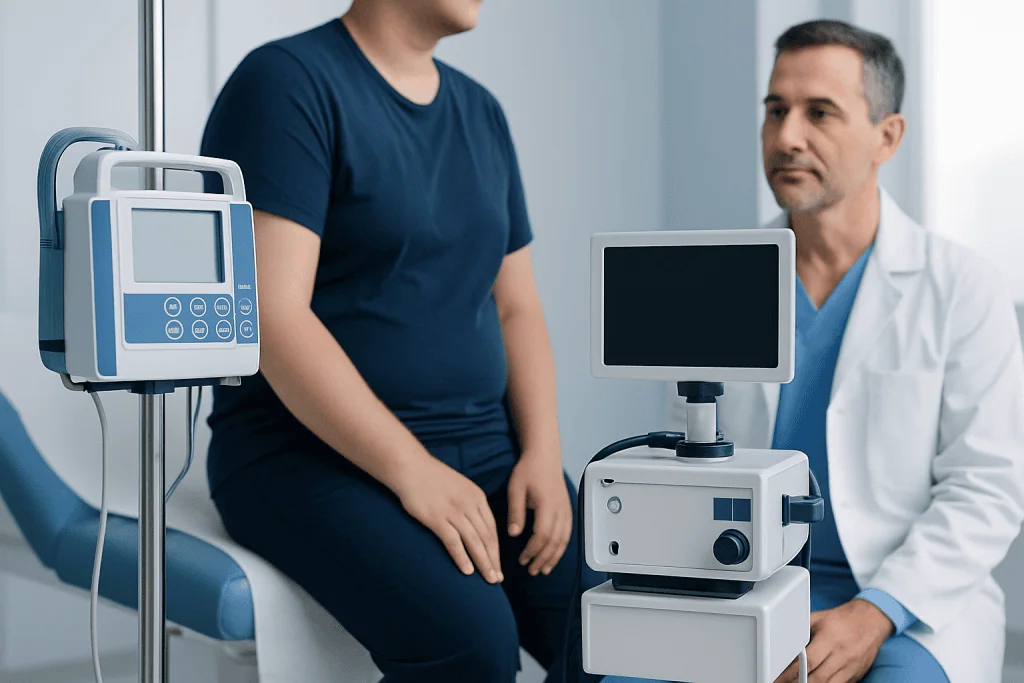
People may be considered for gastric sleeve surgery when excess body weight is affecting health or quality of life and when non-surgical approaches have not led to adequate, lasting improvement. Eligibility can depend on body mass index, obesity-related conditions such as type 2 diabetes, sleep apnea, high blood pressure, or joint pain, and the person’s readiness to commit to long-term follow-up.
During the initial evaluation, the surgeon and bariatric team usually discuss past weight-loss efforts, eating behaviors, digestive symptoms, alcohol use, smoking, and mental health history. This conversation helps identify factors that may influence the timing of surgery or the type of support needed beforehand. In some cases, another bariatric procedure may be discussed alongside the sleeve so the patient can make an informed decision.
Preparation may also include education about the procedure itself, expected weight loss, possible risks, and life after surgery. Patients who understand what to expect are often better able to follow instructions and recognize when they need help. For readers learning about gastric sleeve surgery, it can be useful to review both the procedure and the preparation process together.
Tests and Medical Checks Before Surgery

Before gastric sleeve surgery, doctors usually order tests to assess overall health and identify issues that may need treatment first. Common tests include blood work to check blood counts, kidney and liver function, blood sugar, thyroid status in some cases, and vitamin or mineral levels when appropriate. These tests help the team plan safely for anesthesia, surgery, and postoperative nutrition.
Additional evaluations depend on the person’s age, symptoms, and medical history. Some patients may need an electrocardiogram, chest imaging, sleep apnea assessment, or clearance from a heart, lung, or hormone specialist. If a patient has frequent reflux, upper abdominal pain, or swallowing symptoms, the surgeon may request further digestive evaluation before proceeding.
Programs may also include a nutrition assessment and, when needed, a psychological evaluation. These appointments help identify eating patterns such as binge eating, emotional eating, or highly irregular meals, which can affect recovery and long-term success. When conditions like obesity or type 2 diabetes are present, the care team may also work to improve control before the operation.
- Blood tests and nutritional screening
- Heart or lung checks if indicated
- Sleep apnea evaluation when symptoms suggest it
- Medication and supplement review
- Nutrition and behavioral assessment
Diet Changes Before Gastric Sleeve Surgery
One of the most important parts of gastric sleeve surgery preparation is the preoperative diet. Many surgeons ask patients to follow a structured eating plan for days to weeks before surgery. This diet is often higher in protein and lower in calories, sugar, and refined carbohydrates. Its purpose is not only weight control; it can also help reduce liver size, which may make laparoscopic surgery easier and safer.
Patients are usually encouraged to begin practicing the eating habits they will need after surgery. These habits often include eating regular meals, avoiding grazing, drinking water consistently, limiting high-calorie beverages, and reducing processed foods. Learning to chew slowly and stop when comfortably full can also be useful preparation, even before the operation takes place.
The exact plan varies by center and by individual medical needs. Some programs recommend meal replacements or a liquid diet shortly before surgery, while others use a whole-food plan with clear protein goals. Because these instructions differ, patients should follow the plan given by their own surgical team rather than relying on general advice from friends or social media. Those exploring obesity surgery more broadly should know that diet preparation may differ slightly between procedures.
Alcohol is usually limited or stopped before surgery, and sugary drinks are generally discouraged. Hydration remains important, but patients are often advised to avoid drinking with meals as they begin adapting to postoperative habits. A dietitian can help make the plan realistic, nutritionally balanced, and easier to follow.
Medications, Smoking, and Lifestyle Steps
Medication review is a key safety step before gastric sleeve surgery. Patients should tell the team about all prescription medicines, over-the-counter pain relievers, vitamins, herbal products, and supplements. Some medications may need to be adjusted before surgery, especially blood thinners, diabetes medicines, anti-inflammatory drugs, or medicines that affect fluid balance. Changes should only be made under medical guidance.
Smoking and nicotine use are especially important to address. Surgeons commonly ask patients to stop smoking well before the operation because nicotine can interfere with healing and increase the risk of complications involving the lungs, circulation, and stomach staple line. If stopping is difficult, formal smoking cessation support can be very helpful.
Gentle physical activity before surgery is often encouraged when possible. Even modest activity can support conditioning, circulation, mood, and recovery. Sleep habits also matter, especially for patients with suspected sleep apnea. If a doctor has prescribed a CPAP device, using it as directed before and after surgery is part of safe preparation.
Emotional preparation is equally important. Many patients benefit from planning how they will handle stress, social events, and changes in eating routines after surgery. A support system of family, friends, or a bariatric support group can make the transition easier and help set realistic expectations.
Practical Steps for the Week Before and Day of Surgery
As the operation approaches, the care team usually gives detailed instructions for the final days before surgery. These may include when to begin a full liquid plan, which medications to take or hold, when to stop eating and drinking, and when to arrive at the hospital. Following these directions closely helps reduce the risk of anesthesia-related problems and last-minute delays.
Patients should also prepare their home and daily schedule. It can help to arrange transportation, time away from work, childcare if needed, and a comfortable recovery area. Many people stock the kitchen with approved fluids, protein options, and any items recommended for the first postoperative stages. Comfortable clothing, walking shoes, and easy access to medications and water can also make the return home smoother.
Questions are common at this stage, and patients should feel comfortable asking them. It is useful to clarify the expected hospital stay, pain control approach, activity limits, and the schedule for follow-up visits. In some centers, preparation also includes education about robotic surgery when that technique is part of the surgical plan.
- Follow fasting instructions exactly
- Bring identification, medical documents, and medication lists
- Arrange transport home and early support
- Prepare approved fluids and protein choices in advance
- Confirm follow-up appointments before discharge
What Recovery Preparation Should Include
Preparing for recovery before surgery can reduce stress afterward. Gastric sleeve surgery recovery usually begins with a staged diet that progresses from clear fluids to fuller liquids, then soft foods, and later to regular textured meals as advised by the surgeon and dietitian. Having the right foods and drinks available ahead of time can make it easier to follow this plan.
Patients are usually advised to walk soon after surgery, gradually increase activity, and avoid heavy lifting until cleared by their doctor. Small, regular sips of fluid are important to prevent dehydration, since the smaller stomach does not allow large amounts at once. The team may also recommend vitamin and mineral supplements, depending on nutritional needs and the postoperative program.
It is helpful to prepare for changes that are not only physical. Appetite, meal size, and the social role of food may feel different after surgery. Some people notice emotional ups and downs as they adapt to a new routine. Ongoing follow-up with the bariatric team helps address these changes early and supports sustainable progress.
Near the end of the preparation process, patients who are considering treatment abroad may want to know that Acibadem International’s multidisciplinary specialists and JCI-accredited hospitals diagnose and treat bariatric conditions for international patients, with coordinated preoperative and postoperative care planning.
When to Contact the Doctor Before Surgery
Patients should contact their surgeon or bariatric team before surgery if they develop signs of illness, such as fever, vomiting, diarrhea, chest symptoms, or a new infection. Even problems that seem minor can matter before an operation, because dehydration, breathing issues, and active infection may affect safety. It is usually better to report symptoms early than to assume they are unimportant.
The team should also be informed about any medication changes, pregnancy, new allergies, unexpected hospital visits, or difficulty following the preoperative diet. If a patient is struggling with smoking cessation, binge eating, severe anxiety, or access to postoperative nutrition supplies, these concerns should also be raised before surgery rather than after it.
After the procedure is scheduled, patients should seek urgent medical advice if they experience severe chest pain, sudden shortness of breath, fainting, or other alarming symptoms. For routine questions, however, the best approach is to use the instructions and contact pathways provided by the surgical team. Clear communication before surgery helps create a safer and more confident treatment experience.
Frequently asked questions
How long does gastric sleeve surgery preparation usually take?
Preparation can take several weeks to a few months, depending on the hospital’s protocol and the patient’s health needs. The timeline may be longer if additional tests, smoking cessation, or treatment of related conditions is needed before surgery.
Why is a special diet needed before gastric sleeve surgery?
The preoperative diet helps the body get ready for surgery and may reduce liver size, which can make the procedure safer and technically easier. It also helps patients begin the eating habits they will need after the operation.
What tests are commonly done before gastric sleeve surgery?
Most patients have blood tests and a general medical assessment before surgery. Depending on symptoms and medical history, some may also need heart tests, sleep apnea evaluation, or digestive investigations.
Do patients need to stop medications before gastric sleeve surgery?
Some medications and supplements may need to be adjusted or stopped before surgery, but this should only be done under medical advice. Blood thinners, diabetes medicines, anti-inflammatory drugs, and herbal products are especially important to review with the care team.
Is it necessary to stop smoking before gastric sleeve surgery?
Yes, stopping smoking and nicotine use is commonly recommended well before surgery. Nicotine can increase the risk of complications and may slow healing after the operation.
What should be prepared at home before returning from surgery?
It helps to prepare approved fluids, protein options, comfortable clothing, and a quiet recovery space. Arranging transport, support at home, and time away from work can also make the first days after surgery easier.
References
- American Society for Metabolic and Bariatric Surgery
- National Institute of Diabetes and Digestive and Kidney Diseases
- National Health Service
- Mayo Clinic
- World Health Organization
This article is for general information only and is not a substitute for professional medical advice. Please consult a qualified doctor about your individual situation.
Gastric Sleeve Surgery in Turkey — costs, top hospitals & a free quote
JCI-accredited · board-certified surgeons · reply within 24h
Add us as a Preferred Source to see more of our trusted health content across Google Search, AI Overviews and Discover.
Check your numbers in seconds
BMI, calories, due date, blood pressure and 30+ more clinical calculators — free, instant, doctor-reviewed ranges.

Bariatric & Metabolic Surgery
Surgical and endoscopic treatments for obesity and metabolic conditions.