How to Prevent Another Stroke: Medicines, Blood Pressure Control, and Daily Habits

Preventing another stroke focuses on treating the cause of the first stroke and reducing risk factors over time. Blood pressure control is one of the most important parts of secondary stroke prevention.
Key Takeaways
- Preventing another stroke focuses on treating the cause of the first stroke and reducing risk factors over time.
- Blood pressure control is one of the most important parts of secondary stroke prevention.
- Medicines may include antiplatelet drugs, anticoagulants, cholesterol-lowering therapy, and treatments for diabetes or high blood pressure.
- Daily habits such as not smoking, staying active, eating well, and limiting alcohol can make a meaningful difference.
- Regular medical follow-up helps adjust treatment, monitor side effects, and support recovery.
Preventing another stroke usually involves a combination of prescribed medicines, careful blood pressure control, and steady daily habits. With regular follow-up and a personalized plan, many people can lower their risk and protect long-term brain and heart health.
Overview: Why preventing another stroke matters
After a person has had a stroke or transient ischemic attack (TIA), the chance of another event is higher than in someone who has never had one. This is why doctors focus strongly on secondary stroke prevention, which means lowering the risk of a future stroke through medicines, treatment of underlying conditions, and healthy daily routines.
The best prevention plan depends on what caused the first stroke. Some strokes are linked to blocked arteries, some to heart rhythm problems such as atrial fibrillation, and others to small vessel disease related to high blood pressure or diabetes. Because the causes differ, treatment is usually individualized rather than one-size-fits-all.
In many cases, prevention includes a combination of medication and lifestyle steps that work together. Medicines help reduce blood clotting risk, lower cholesterol, or control blood pressure, while daily habits support healthier blood vessels and the heart. Following both parts of the plan is often more effective than relying on only one approach.
Recovery after stroke can feel overwhelming, but prevention does not usually depend on perfection. Small, consistent actions taken over time—such as taking medicines as prescribed, checking blood pressure, moving more, and keeping follow-up appointments—can provide meaningful protection.
Common risk factors for another stroke
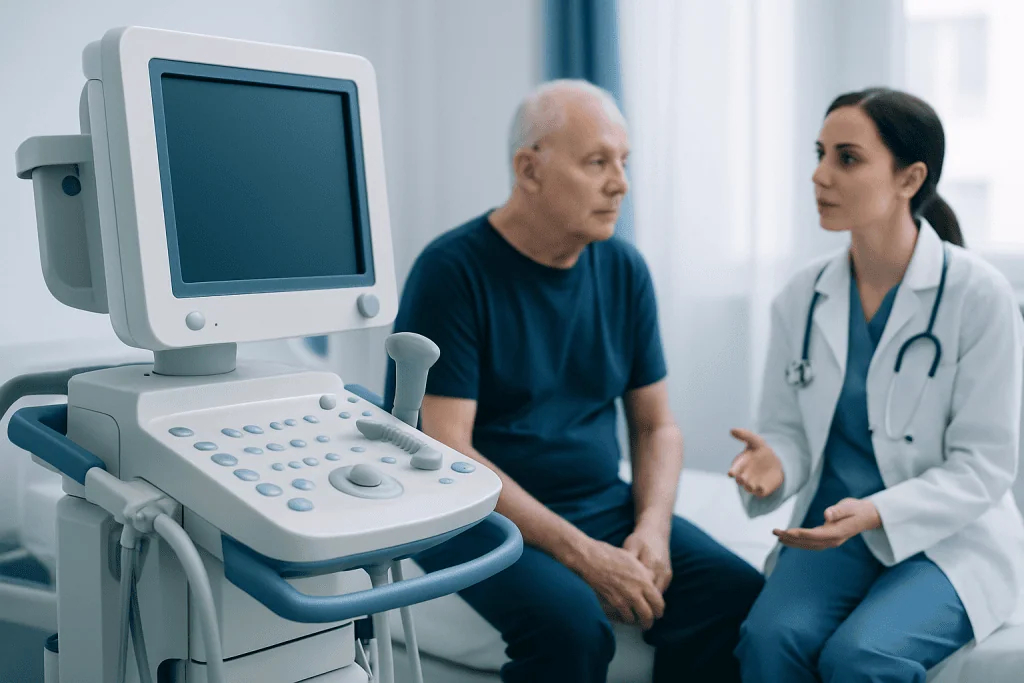
Several health conditions and lifestyle factors can raise the chance of a second stroke. High blood pressure is one of the most important. It can damage blood vessel walls over time and increase the risk of both ischemic stroke, caused by a blocked blood vessel, and hemorrhagic stroke, caused by bleeding in or around the brain.
Other common risk factors include high cholesterol, diabetes, smoking, obesity, physical inactivity, and heavy alcohol use. Heart conditions such as atrial fibrillation can also increase risk because they may allow clots to form and travel to the brain. Sleep apnea is another factor that may contribute by affecting blood pressure, oxygen levels, and heart health.
Some people also have narrowing of the carotid arteries or other blood vessels that supply the brain. Others may have had a stroke related to a rare blood vessel problem or an inflammatory condition. Doctors may evaluate for these causes, especially in younger patients or when the reason for stroke is not clear.
A previous TIA, often called a mini-stroke, is also an important warning sign. A TIA does not cause permanent brain injury in the same way as a stroke, but it signals that a stroke could happen in the future. Prompt medical evaluation and prevention are essential after either event.
Medicines used to prevent another stroke

Medicines are a key part of preventing another stroke, but the right type depends on the cause of the first event. For many people with ischemic stroke or TIA, doctors prescribe antiplatelet medication, which helps reduce the chance of blood clots forming in arteries. Examples include aspirin or other antiplatelet drugs, chosen according to the patient’s needs and medical history.
If the stroke was linked to atrial fibrillation or another condition that raises the risk of clots forming in the heart, anticoagulant medicine may be recommended instead of antiplatelet therapy. These medicines work differently and are selected carefully because they can increase bleeding risk. Patients should not stop or change them without medical advice.
Cholesterol-lowering medicines, especially statins, are often used after ischemic stroke even when cholesterol levels do not seem extremely high. These medicines help stabilize plaques in the blood vessels and lower future vascular risk. Blood pressure medicines are also commonly prescribed, sometimes in combination, because consistent control is one of the strongest tools for secondary prevention.
People with diabetes may need treatment adjustments to keep blood sugar in a healthy range, and some patients may need medication for heart failure or other vascular conditions. If side effects occur, it is important to tell a doctor rather than stopping treatment independently. In selected cases, further evaluation or procedures may be needed through services such as interventional neurology or interventional neuroradiology.
Blood pressure control after stroke
Blood pressure control is one of the most important ways to prevent another stroke. High blood pressure often causes no symptoms, so a person may feel well even when their readings are too high. For this reason, regular home monitoring and clinic follow-up can be very helpful.
Doctors usually set individualized blood pressure targets based on age, stroke type, kidney function, diabetes, and other medical factors. Reaching the target often requires more than one strategy, including medication, reducing salt intake, maintaining a healthy weight, regular physical activity, and limiting alcohol. Some people need more than one blood pressure medicine to achieve steady control.
Taking medication at the same time each day can improve consistency. Missing doses, stopping medicine because blood pressure has improved, or running out of prescriptions may allow blood pressure to rise again. A pill organizer, reminders on a phone, and support from family members can make treatment easier to follow.
Blood pressure changes should always be discussed with a clinician, especially after a recent stroke. Targets may differ for people with bleeding-related stroke, severe narrowing of arteries, or other complex conditions. A personalized plan is safer than self-adjusting treatment.
Daily habits that support stroke prevention
Healthy daily habits can strengthen the benefits of medication. Stopping smoking is one of the most important steps because tobacco damages blood vessels, raises blood pressure, and increases clotting risk. Many people need support to quit, and doctors can recommend counseling, nicotine replacement, or other evidence-based options.
Food choices also matter. A heart-healthy eating pattern that emphasizes vegetables, fruits, whole grains, beans, nuts, fish, and healthier fats may help with blood pressure, cholesterol, and weight. Limiting salt, highly processed foods, and excess sugar can be useful, especially for people with hypertension or diabetes.
Regular physical activity supports circulation, mobility, mood, and blood pressure control. After stroke, exercise should match the person’s recovery level and safety needs. Even gentle activities such as walking, seated exercises, or therapist-guided training can be valuable, and some people benefit from rehabilitation as part of long-term recovery.
Sleep and stress management are often overlooked but important. Poor sleep, untreated sleep apnea, and chronic stress may contribute to vascular risk. Helpful daily habits may include:
- Keeping a regular sleep schedule
- Taking medicines exactly as prescribed
- Checking blood pressure as advised
- Attending therapy and follow-up appointments
- Limiting alcohol and avoiding recreational drugs
- Asking for help with memory, mood, or medication routines when needed
Diagnosis and follow-up for secondary stroke prevention
Preventing another stroke begins with understanding why the first one happened. Doctors may review brain imaging, blood vessel imaging, heart rhythm tests, blood tests, and medical history to identify the cause. This information helps guide the choice of antiplatelet therapy, anticoagulation, cholesterol treatment, blood pressure goals, or possible procedures.
Follow-up visits are important because stroke prevention is not a single treatment given once. Risk factors can change over time, and medicines may need to be adjusted. A clinician may review blood pressure readings, cholesterol levels, blood sugar, kidney function, and any side effects or difficulties with adherence.
Some patients need additional evaluation for related conditions such as atrial fibrillation or carotid artery disease. In people with swallowing problems, weakness, balance issues, or speech changes, rehabilitation specialists may also play an important role in helping them return to daily activities safely while reducing complications.
Near the end of recovery planning, patients and families often benefit from a clear written prevention plan. This can include a medication list, blood pressure target, exercise guidance, follow-up schedule, and warning signs that require urgent medical attention. At Acibadem International, multidisciplinary specialists in JCI-accredited hospitals diagnose and treat stroke-related conditions for international patients when expert coordinated care is needed.
When to seek urgent medical care
Even with careful prevention, stroke symptoms can still happen, so it is important to know when to act quickly. Sudden weakness or numbness on one side of the body, facial drooping, trouble speaking, confusion, sudden vision loss, severe dizziness, loss of balance, or a sudden severe headache can all be warning signs. These symptoms require immediate emergency evaluation.
A person should not wait to see whether symptoms improve on their own. A TIA may last only a short time, but it still needs urgent assessment because it can be a warning of a larger stroke. Fast treatment can reduce brain injury and may open the door to therapies that are only useful within a limited time window.
Medical advice should also be sought promptly for symptoms such as fainting, chest pain, palpitations, repeated falls, or major side effects from stroke medicines, including possible bleeding. Black stools, vomiting blood, severe bruising, or a head injury while taking blood thinners should be reported immediately.
If a person has new difficulty managing medicines, depression, memory problems, or trouble with eating, walking, or self-care, these concerns also deserve medical attention. Early support can improve safety and make long-term prevention easier to maintain.
Frequently asked questions
Can another stroke really be prevented?
In many cases, the risk of another stroke can be lowered significantly with the right treatment and follow-up. Prevention usually includes managing the cause of the first stroke, taking prescribed medicines, and improving controllable risk factors such as blood pressure, smoking, diabetes, and cholesterol.
What is the most important step after a stroke?
There is rarely a single step that works alone, but controlling blood pressure is one of the most important parts of secondary prevention. Taking medicines as prescribed and attending follow-up visits are also essential because treatment is usually individualized.
Do all stroke survivors need blood thinners?
Not all patients need the same type of medicine. Some people need antiplatelet treatment, while others need anticoagulants if the stroke was related to conditions such as atrial fibrillation. A doctor decides this based on the stroke type and the person’s bleeding risk.
How soon should lifestyle changes start after a stroke?
Healthy changes usually begin as soon as the medical team says it is safe. These may start in the hospital or rehabilitation setting and continue at home, often in gradual steps that match the person’s recovery and strength.
Is it safe to exercise after a stroke?
Exercise is often encouraged after stroke, but it should be tailored to the person’s abilities and medical condition. Many people start with supervised rehabilitation or gentle activities and increase gradually with professional guidance.
What if stroke medicines cause side effects?
Side effects should be discussed with a doctor, pharmacist, or stroke specialist as soon as possible. It is important not to stop medicines independently, because suddenly stopping them may increase the risk of another stroke.
This article is for general information only and is not a substitute for professional medical advice. Please consult a qualified doctor about your individual situation.
Explore treatments in Turkey — costs, top hospitals & a free quote
JCI-accredited · board-certified surgeons · reply within 24h
Add us as a Preferred Source to see more of our trusted health content across Google Search, AI Overviews and Discover.
Check your numbers in seconds
BMI, calories, due date, blood pressure and 30+ more clinical calculators — free, instant, doctor-reviewed ranges.

More from the Health Library
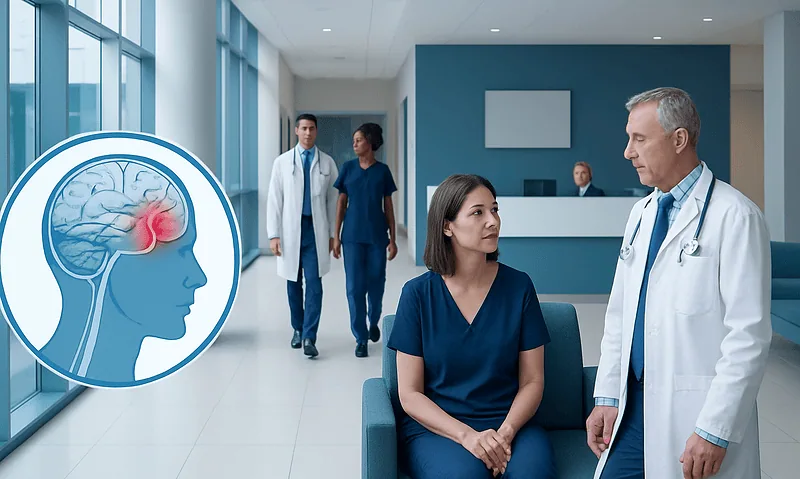
Ischemic Stroke Explained: How a Blocked Brain Artery Is Diagnosed and Treated
Recovery After Stroke: Timeline, Rehabilitation, and Realistic Expectations
What Is a Stroke? Types, Brain Effects, and Why Every Minute Matters
What Causes a Stroke? Blood Clots, Bleeding, and Hidden Risk Factors

Cerebral Infarction: What This Stroke Diagnosis Means