What Causes a Stroke? Blood Clots, Bleeding, and Hidden Risk Factors
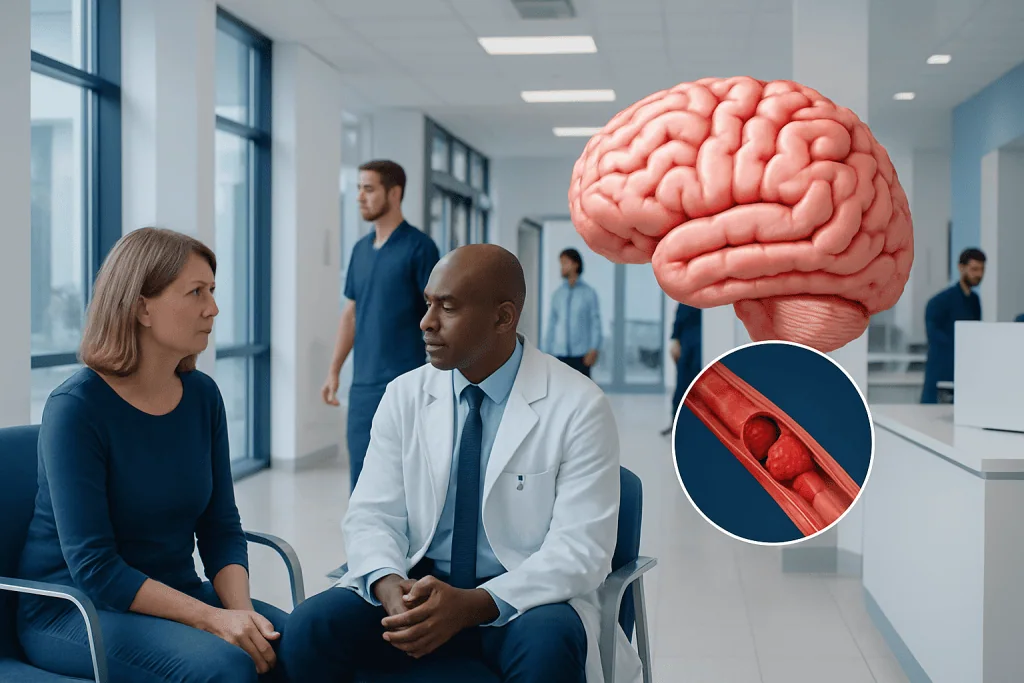
Most strokes are caused by a blood clot blocking blood flow to the brain. Some strokes happen when a weakened blood vessel bursts and bleeds into or around the brain.
Key Takeaways
- Most strokes are caused by a blood clot blocking blood flow to the brain.
- Some strokes happen when a weakened blood vessel bursts and bleeds into or around the brain.
- High blood pressure is one of the most important stroke risk factors.
- Atrial fibrillation, diabetes, smoking, high cholesterol, and obesity can raise stroke risk.
- Sudden facial drooping, arm weakness, speech difficulty, or vision changes need emergency medical care.
- Many stroke risks can be reduced with regular medical care and healthy lifestyle habits.
A stroke happens when part of the brain is suddenly deprived of oxygen, either because a blood vessel is blocked or because it bursts. Understanding stroke causes and risk factors can help people recognize warning signs early and take steps to lower their risk.
Overview: What causes a stroke?
Stroke causes usually fall into two main groups: a blockage that stops blood from reaching part of the brain, or bleeding that damages brain tissue and increases pressure inside the skull. In both situations, brain cells can begin to die within minutes because they are not getting enough oxygen and nutrients.
The most common type is an ischemic stroke, which happens when a blood clot or fatty buildup blocks an artery supplying the brain. A hemorrhagic stroke happens when a blood vessel ruptures and bleeds into or around the brain. A related condition, called a transient ischemic attack (TIA), causes temporary stroke-like symptoms because blood flow is briefly reduced; it is often described as a warning stroke and should never be ignored.
Although strokes may seem sudden, the conditions that lead to them often develop over years. High blood pressure, hardening of the arteries, heart rhythm disorders, diabetes, smoking, and high cholesterol can all quietly damage blood vessels over time. This is why stroke prevention depends not only on emergency care, but also on recognizing and managing long-term risk factors.
Blood clots and blocked arteries: ischemic stroke
Most strokes are ischemic, meaning they are caused by an obstruction in a blood vessel serving the brain. Sometimes a clot forms directly in a narrowed brain artery. In other cases, a clot forms elsewhere in the body, often in the heart or a large artery in the neck, and then travels to the brain, where it blocks a smaller vessel.
A common reason for this blockage is atherosclerosis, a process in which fatty deposits, cholesterol, and inflammatory cells build up inside the artery wall. Over time, the artery becomes narrower and less flexible. If the surface of a plaque ruptures, the body may form a clot at that site, which can suddenly stop blood flow.
Heart conditions can also play an important role. Atrial fibrillation, an irregular heart rhythm, can allow blood to pool and clot inside the heart. That clot may then move to the brain and cause a stroke. This is one reason doctors may evaluate heart rhythm and structure as part of the workup for stroke.
Other causes of ischemic stroke include small vessel disease, artery dissection, and, less commonly, blood clotting disorders. Small vessel disease affects the tiny arteries deep inside the brain and is often linked to long-standing high blood pressure and diabetes. Artery dissection is a tear in the lining of an artery, which can happen after minor trauma or sometimes without a clear cause.
Bleeding in the brain: hemorrhagic stroke
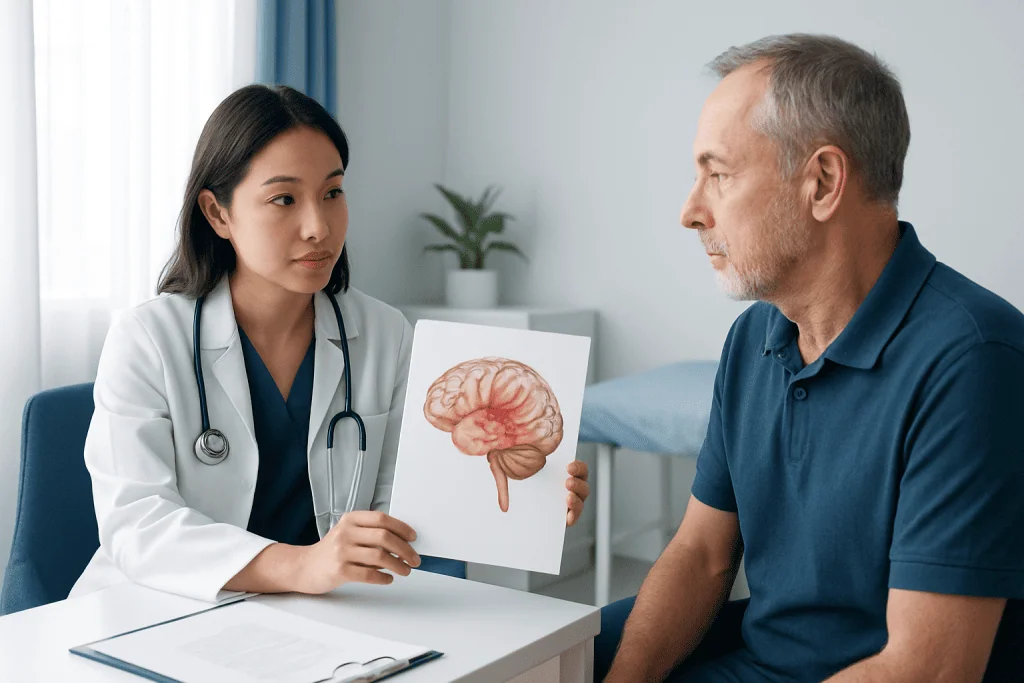
A hemorrhagic stroke happens when a blood vessel breaks and bleeds into brain tissue or the space around the brain. The leaked blood irritates and damages nearby tissue, and the pressure from the bleeding can further reduce blood flow to healthy areas. This type of stroke is less common than ischemic stroke but can be very serious.
High blood pressure is one of the leading causes of hemorrhagic stroke because it can weaken artery walls over time. A weakened blood vessel may eventually rupture. Other causes include aneurysms, which are balloon-like weak spots in an artery wall, and arteriovenous malformations, which are abnormal tangles of blood vessels present from birth.
Bleeding risk can also rise with head injury, certain blood-thinning medications, severe liver disease, or inherited bleeding disorders. In some cases, doctors identify amyloid angiopathy, a condition more common in older adults in which protein deposits weaken small blood vessels in the brain. Finding the exact cause matters because treatment and future prevention may be different depending on the source of the bleeding.
Hidden and common stroke risk factors
Some stroke risk factors are well known, while others are less obvious. High blood pressure remains one of the most important risks for both ischemic and hemorrhagic stroke. It can injure blood vessel walls gradually, often without causing symptoms, which is why regular blood pressure checks are so important.
Other common risk factors include diabetes, high cholesterol, smoking, obesity, physical inactivity, and sleep apnea. These conditions and habits can damage blood vessels, promote inflammation, and make clot formation more likely. Heavy alcohol use and use of stimulant drugs such as cocaine or methamphetamine can also sharply increase stroke risk.
Some hidden risk factors involve the heart and blood itself. Atrial fibrillation may cause no noticeable symptoms, yet it can significantly raise the chance of a clot-related stroke. Certain inherited or acquired clotting disorders can make blood more likely to clot. Pregnancy, the postpartum period, autoimmune diseases, and some cancers may also increase risk in certain people.
Age and family history matter too, but they are not the whole story. Risk rises with age, and having a close relative with stroke or cardiovascular disease may increase a person’s likelihood. However, many people can still lower their risk by controlling the factors they can change, such as blood pressure, cholesterol, blood sugar, smoking, and activity level.
Stroke warning signs and diagnosis
Stroke symptoms usually begin suddenly. Common warning signs include facial drooping, weakness or numbness on one side of the body, trouble speaking or understanding speech, sudden vision loss or double vision, dizziness, loss of balance, or a sudden severe headache. These symptoms need emergency attention, even if they improve quickly.
A useful way to remember the most common warning signs is FAST: Face drooping, Arm weakness, Speech difficulty, Time to call emergency services. Quick action is essential because some stroke treatments work best only within a limited time window. A transient ischemic attack may pass within minutes or hours, but it still requires urgent evaluation because it can be a warning of a future stroke.
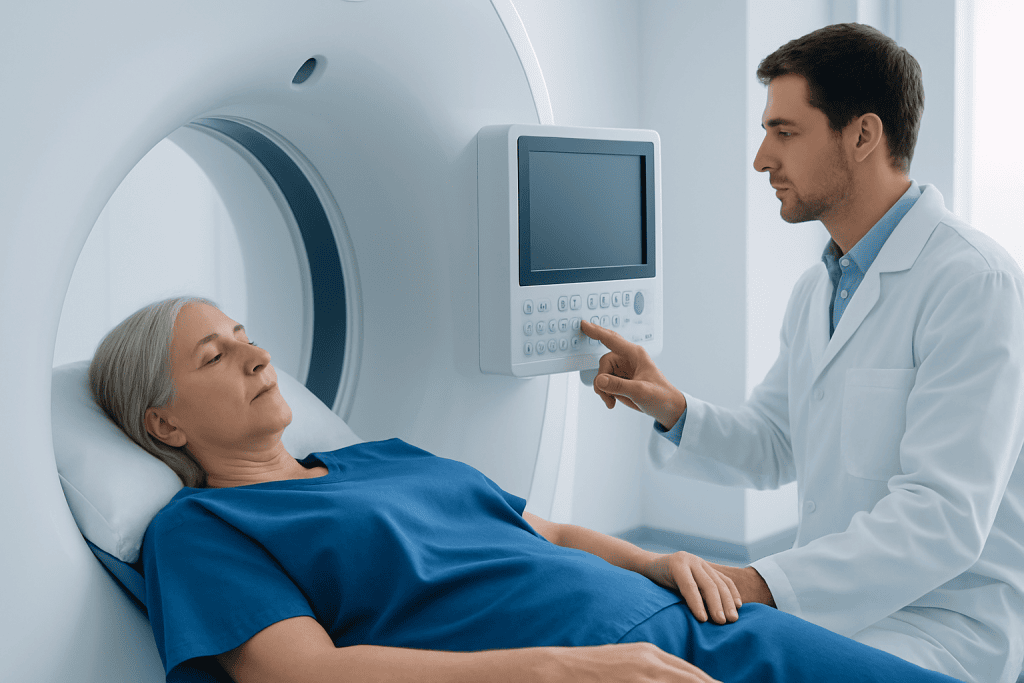
To diagnose stroke, doctors usually combine a neurological examination with urgent brain imaging. A CT scan is often the first test because it can quickly show whether bleeding is present. MRI may provide more detail about the affected brain tissue. Blood tests, heart rhythm monitoring, and ultrasound or angiographic imaging of the blood vessels in the neck and brain can help identify the cause.
When a blocked artery is suspected, specialists may use advanced imaging to guide treatment decisions. In selected cases, interventional neuroradiology procedures can help restore blood flow or assess the brain’s vessels more closely, depending on the situation and timing.
Treatment options for different stroke causes
Stroke treatment depends on whether the cause is a clot or bleeding. In ischemic stroke, the aim is to reopen the blocked artery as quickly and safely as possible. Some patients may be treated with clot-dissolving medication if they reach medical care within the appropriate time window and meet safety criteria. Others may benefit from catheter-based treatment to remove the clot, often called thrombectomy.
For some people with large-vessel blockage, mechanical thrombectomy may be considered to physically remove the clot from the artery. This treatment is typically performed by highly specialized teams and is guided by imaging results and time since symptom onset. Not every patient is a candidate, so rapid assessment is very important.
In hemorrhagic stroke, treatment focuses on controlling bleeding, reducing pressure in the brain, managing blood pressure carefully, and addressing the underlying cause. If an aneurysm or other structural problem is found, specialist procedures may be needed to secure the vessel and prevent further bleeding. Supportive care in a stroke unit or intensive care setting is often an important part of recovery.
After the emergency phase, rehabilitation helps many patients regain function. Depending on symptoms, this may include physical therapy, occupational therapy, speech therapy, and cognitive support. In some cases, ongoing evaluation by neurology specialists and rehabilitation teams helps guide long-term prevention and recovery planning.
Prevention and self-care
Many strokes can be partly prevented by identifying and treating risk factors early. Blood pressure control is one of the most effective steps. Regular medical checkups can also help detect diabetes, high cholesterol, atrial fibrillation, and other conditions that may not cause symptoms at first.
Healthy daily habits make a meaningful difference. These include not smoking, limiting alcohol, staying physically active, maintaining a healthy weight, sleeping well, and eating a balanced diet rich in vegetables, fruits, whole grains, legumes, and healthy fats. For people with diabetes or high cholesterol, careful management of these conditions is especially important.
Medicines may also reduce risk when prescribed by a doctor. Depending on the cause, treatment may include blood pressure medicines, cholesterol-lowering medicines, antiplatelet drugs, or anticoagulants for atrial fibrillation. It is important to take these exactly as directed and not stop them without medical advice.
People who have already had a stroke or TIA need close follow-up because their future risk can be higher. If symptoms suggest transient ischemic attack, urgent evaluation can help uncover a treatable cause before a larger stroke occurs.
When to seek medical care
Anyone with sudden stroke symptoms should seek emergency medical care immediately. Even symptoms that last only a few minutes may signal a serious circulation problem in the brain. It is safer to be evaluated quickly than to wait and see whether the symptoms go away.
People should also speak with a doctor if they have uncontrolled blood pressure, diabetes, high cholesterol, irregular heartbeat, repeated brief episodes of weakness or numbness, or a strong family history of stroke. Early assessment can lead to treatment that lowers future risk. Regular follow-up is especially important after a TIA or a previous stroke.
For patients who need expert evaluation and coordinated care, Acibadem International’s multidisciplinary specialists in JCI-accredited hospitals diagnose and treat stroke for international patients, with access to neurology, imaging, interventional teams, and rehabilitation services when appropriate.
Frequently asked questions
What are the two main causes of stroke?
The two main causes are a blocked blood vessel and bleeding in or around the brain. A blockage causes an ischemic stroke, while bleeding causes a hemorrhagic stroke.
Can a stroke happen without warning?
A stroke can seem to happen suddenly, but the risk often builds over time because of conditions such as high blood pressure, diabetes, or heart rhythm problems. Some people also have warning signs, such as a transient ischemic attack, before a major stroke.
Is high blood pressure really that important in stroke?
Yes. High blood pressure is one of the most significant risk factors for both clot-related and bleeding-related strokes because it damages blood vessels over time. It often has no symptoms, so routine monitoring is essential.
Can young adults have a stroke?
Yes, although stroke is more common with older age. In younger adults, causes may include artery dissection, certain heart conditions, clotting disorders, autoimmune disease, smoking, or stimulant drug use.
What is the difference between a stroke and a TIA?
A stroke causes brain injury because blood flow is interrupted long enough to damage brain tissue. A TIA causes similar symptoms, but they resolve without lasting injury on many scans; even so, it is a medical emergency because it can warn of a future stroke.
Can stroke risk be reduced?
In many cases, yes. Managing blood pressure, cholesterol, diabetes, and atrial fibrillation, along with avoiding smoking and staying active, can meaningfully lower stroke risk.
This article is for general information only and is not a substitute for professional medical advice. Please consult a qualified doctor about your individual situation.
Explore treatments in Turkey — costs, top hospitals & a free quote
JCI-accredited · board-certified surgeons · reply within 24h
Add us as a Preferred Source to see more of our trusted health content across Google Search, AI Overviews and Discover.
Check your numbers in seconds
BMI, calories, due date, blood pressure and 30+ more clinical calculators — free, instant, doctor-reviewed ranges.

More from the Health Library

Can Blood Pressure Medicine Cause a Stroke? Risks, Myths, and Safe Use
Swallowing Problems After Stroke: Aspiration Risk, Testing, and Safe Eating

Signs of Stroke: Early Symptoms You Should Never Ignore

Stroke Rehabilitation After Thrombectomy: What Recovery May Look Like
Ischemic Stroke Explained: How a Blocked Brain Artery Is Diagnosed and Treated