Signs of Stroke: Early Symptoms You Should Never Ignore

Stroke symptoms usually start suddenly, not gradually. Face drooping, arm weakness, and speech difficulty are key warning signs.
Key Takeaways
- Stroke symptoms usually start suddenly, not gradually.
- Face drooping, arm weakness, and speech difficulty are key warning signs.
- Sudden vision loss, severe dizziness, confusion, or a very severe headache can also signal stroke.
- A transient ischemic attack (TIA) is a warning sign and still needs urgent evaluation.
- Immediate medical care can improve the chance of recovery and reduce long-term disability.
Signs of stroke often begin suddenly and require emergency medical attention. Recognizing face drooping, arm weakness, speech difficulty, vision changes, or sudden balance problems can help a person get treatment as quickly as possible.
Overview
The signs of stroke should always be treated as a medical emergency. A stroke happens when blood flow to part of the brain is blocked or when a blood vessel in the brain bursts. Because brain cells need a constant supply of oxygen and nutrients, symptoms can appear suddenly and may worsen quickly if treatment is delayed.
Many people know the classic warning signs, but stroke does not always look the same in every person. Some people develop obvious weakness on one side of the body, while others notice speech problems, sudden vision loss, loss of balance, or severe confusion. Even if symptoms improve after a few minutes, urgent care is still essential because a temporary event may be a warning sign of a future stroke.
Fast recognition matters. The sooner a person is assessed, the sooner doctors can confirm whether the cause is a stroke and decide on the most appropriate treatment. Quick action can help protect brain function and may reduce disability.
Common Signs and Symptoms of Stroke
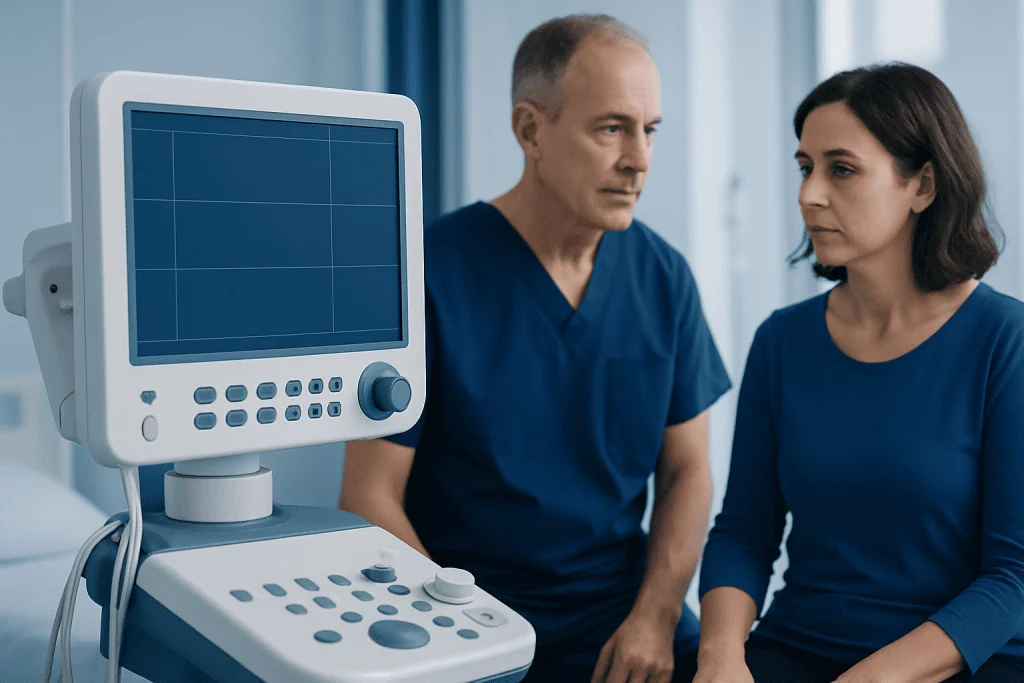
Stroke symptoms usually begin suddenly. A common way to remember the major warning signs is FAST: face drooping, arm weakness, speech difficulty, and time to call emergency services. If one side of the face looks uneven, one arm drifts downward, or speech becomes slurred or hard to understand, these are important signs of stroke.
Other symptoms can also occur. Some people experience sudden numbness or weakness in the face, arm, or leg, especially on one side of the body. Others may develop sudden trouble seeing in one or both eyes, double vision, difficulty walking, dizziness, poor coordination, or a sense that the room is spinning. Stroke may also cause sudden confusion or trouble understanding words.
A sudden, severe headache can be another warning sign, especially if it is different from previous headaches and comes on abruptly. This can be more common in certain types of stroke, including bleeding in the brain. Not every stroke causes pain, so the absence of headache does not rule stroke out.
- Face drooping or uneven smile
- Weakness or numbness in an arm or leg
- Slurred speech or trouble finding words
- Sudden confusion or difficulty understanding
- Vision loss, blurred vision, or double vision
- Sudden dizziness, imbalance, or trouble walking
- Sudden severe headache
Transient Ischemic Attack: A Warning Sign Not to Ignore

Sometimes stroke-like symptoms last only a few minutes and then go away. This may be a transient ischemic attack, often called a TIA or “mini-stroke.” A TIA happens when blood flow to part of the brain is briefly interrupted, but the blockage clears before permanent brain injury occurs.
Even though symptoms improve, a TIA is not harmless. It can be an important warning sign that a full stroke may happen soon. A person with a TIA may have the same kinds of symptoms as stroke, including weakness, numbness, speech trouble, vision changes, or difficulty walking.
Because it is impossible to tell at home whether symptoms represent a TIA or a stroke, emergency evaluation is still necessary. Doctors may use this event to identify risk factors and start preventive treatment. In some cases, a TIA may be linked with conditions such as stroke risk from narrowed arteries or heart rhythm problems.
Causes and Risk Factors
There are two main types of stroke. Ischemic stroke is caused by a blockage in a blood vessel supplying the brain, often from a clot. Hemorrhagic stroke happens when a blood vessel breaks and bleeding occurs in or around the brain. Both types can damage brain tissue, but their treatment differs, which is why urgent diagnosis is so important.
Several health conditions raise stroke risk. High blood pressure is one of the most important risk factors. Others include diabetes, high cholesterol, smoking, heart disease, obesity, physical inactivity, and certain heart rhythm disorders such as atrial fibrillation. Advancing age increases risk, but stroke can happen in younger adults as well.
Family history, prior TIA or stroke, heavy alcohol use, and certain blood vessel problems may also contribute. In some people, stroke symptoms may be caused by a clot traveling from the heart or a narrowing in the neck arteries. Doctors may investigate these causes with brain scans, blood vessel imaging, or heart tests such as echocardiography when appropriate.
How Stroke Is Diagnosed
Stroke diagnosis begins with an urgent medical assessment. The healthcare team asks when symptoms started, reviews medical history, checks blood pressure and blood sugar, and performs a neurological examination. Timing is especially important because some treatments are only suitable within a limited window after symptoms begin.
Brain imaging is essential to determine whether symptoms are caused by a blocked artery or bleeding. Common tests include a CT scan or MRI of the brain. Additional imaging may look at the blood vessels in the head and neck to identify narrowing, blockage, or other problems. These studies help doctors guide treatment and estimate risk of recurrence.
Other tests may look for the underlying cause. Blood tests, heart rhythm monitoring, and ultrasound studies can all be useful. In selected patients, specialists may recommend advanced evaluations or therapies through services such as interventional neuroradiology or neurology assessment to support diagnosis and treatment planning.
Treatment Options and Why Speed Matters
Treatment depends on the type of stroke, the time symptoms began, and the person’s overall health. In ischemic stroke, doctors may consider medicines that dissolve clots or procedures that physically remove a clot from a large brain artery. These treatments are time-sensitive, so seeking emergency care immediately gives the best chance that they can be used safely and effectively.
For hemorrhagic stroke, treatment focuses on controlling bleeding, lowering pressure in the brain when needed, and managing the cause of the bleed. Some people may need intensive monitoring, blood pressure treatment, or neurosurgical care. The right treatment can only be chosen after imaging confirms the stroke type.
After the emergency phase, recovery and prevention become the focus. A person may need medications to reduce the risk of another stroke, treatment for high blood pressure or cholesterol, and therapy to improve speech, movement, or swallowing. Rehabilitation can be an important part of care, especially after weakness, balance problems, or language difficulties.
Prevention and Self-Care
Although not every stroke can be prevented, many risk factors can be managed. Keeping blood pressure in a healthy range is one of the most effective steps. Managing diabetes and cholesterol, stopping smoking, staying physically active, maintaining a healthy weight, and limiting alcohol can also lower risk.
People with atrial fibrillation or other heart conditions may need regular follow-up and medication to reduce clot risk. Taking prescribed medicines consistently is important, especially after a TIA or previous stroke. Sleep, stress management, and regular medical checkups also support long-term vascular health.
It can help for families to learn the FAST warning signs together. If symptoms begin, a person should not wait to see if they improve, drive themselves if unsafe, or try home remedies first. Prompt emergency evaluation is the safest response. Near the end of the care journey, some international patients may seek assessment and follow-up at centers such as Acibadem International, where multidisciplinary specialists in JCI-accredited hospitals diagnose and treat stroke-related conditions.
When to Seek Emergency Care
Any sudden possible sign of stroke should be treated as an emergency. This includes face drooping, weakness or numbness on one side, trouble speaking, sudden vision changes, severe dizziness, loss of coordination, or a sudden severe headache. Even if symptoms go away within minutes, emergency medical attention is still needed.
It is safest to call emergency services rather than wait for a routine appointment. Emergency teams can begin early assessment and ensure the person reaches the right hospital quickly. Knowing the exact time symptoms started, or when the person was last known to be well, can be very helpful for the medical team.
Family members and bystanders should stay calm, keep the person safe, and avoid giving food, drink, or medications unless instructed by professionals. Rapid evaluation can make a meaningful difference in treatment choices and recovery.
Frequently asked questions
What are the first signs of stroke?
The first signs of stroke are often sudden face drooping, arm weakness, and speech difficulty. Other early symptoms can include numbness on one side, sudden confusion, trouble seeing, dizziness, or a severe headache.
Can stroke symptoms go away on their own?
Sometimes symptoms improve quickly, but this can still be serious. A temporary episode may be a transient ischemic attack, which is a warning sign that a full stroke could happen later.
How can someone remember the warning signs of stroke?
A simple reminder is FAST: Face drooping, Arm weakness, Speech difficulty, Time to call emergency services. This can help people act quickly if symptoms appear suddenly.
Is dizziness alone a sign of stroke?
Dizziness can happen for many reasons, but sudden severe dizziness with imbalance, vision changes, weakness, or speech problems can be a sign of stroke. When symptoms are sudden or unusual, urgent medical evaluation is important.
What is the difference between a stroke and a mini-stroke?
A stroke causes interrupted blood flow or bleeding in the brain and may lead to lasting injury. A mini-stroke, or TIA, causes similar symptoms but they resolve quickly; however, it still needs urgent medical care because it can warn of future stroke.
Should a person wait to see if stroke symptoms improve?
No. Stroke treatment is time-sensitive, and waiting can reduce treatment options and increase the risk of brain injury. Emergency care should be sought immediately, even if symptoms seem mild.
This article is for general information only and is not a substitute for professional medical advice. Please consult a qualified doctor about your individual situation.
Explore treatments in Turkey — costs, top hospitals & a free quote
JCI-accredited · board-certified surgeons · reply within 24h
Add us as a Preferred Source to see more of our trusted health content across Google Search, AI Overviews and Discover.
Check your numbers in seconds
BMI, calories, due date, blood pressure and 30+ more clinical calculators — free, instant, doctor-reviewed ranges.

More from the Health Library
Symptoms of a Stroke in Women and Men: What Can Feel Different?

Speech Problems After Stroke: Aphasia, Slurred Speech, and What Therapy Can Improve

Lacunar Stroke: Small Vessel Brain Stroke Symptoms, Causes, and Treatment

Stroke Treatment Timeline: Why Every Minute Matters

Stroke in Younger Adults: Causes, Warning Signs, and Specialist Care