Stroke Treatment Timeline: Why Every Minute Matters

Stroke is a medical emergency, and treatment should begin as quickly as possible. Early recognition of symptoms can help people reach the hospital within the most effective treatment window.
Key Takeaways
- Stroke is a medical emergency, and treatment should begin as quickly as possible.
- Early recognition of symptoms can help people reach the hospital within the most effective treatment window.
- The best treatment depends on whether the stroke is ischemic or hemorrhagic.
- Emergency brain imaging is essential before treatment decisions are made.
- Rehabilitation often starts early and continues after hospital care.
- Anyone with sudden stroke symptoms should call emergency services immediately rather than waiting to see if symptoms improve.
The stroke treatment timeline is critical because brain cells can be damaged within minutes when blood flow is blocked or bleeding occurs in the brain. Recognizing symptoms quickly and getting emergency care right away can improve treatment choices and long-term recovery.
Overview: Why the Stroke Treatment Timeline Matters
The stroke treatment timeline refers to how quickly a person with stroke symptoms is recognized, transported, evaluated, and treated. In stroke care, time is especially important because the brain depends on a steady supply of oxygen-rich blood. When a blood vessel is blocked or bursts, brain tissue can be injured very quickly.
There are two main types of stroke. An ischemic stroke happens when a clot blocks blood flow to part of the brain. A hemorrhagic stroke happens when a blood vessel leaks or ruptures, causing bleeding in or around the brain. These two emergencies can look similar at first, but they are treated differently, which is why urgent brain imaging is one of the first steps in hospital care.
Fast treatment may help limit brain damage, reduce disability, and improve the chance of recovery. Some therapies work best only within a specific time window after symptoms begin, and others depend on brain scan findings and the location of the blocked vessel or bleeding. For that reason, experts encourage people to treat any possible stroke as an emergency and seek medical attention without delay.
Recognizing Stroke Symptoms Early
Many strokes begin suddenly. Symptoms can include weakness or numbness on one side of the body, a drooping face, trouble speaking, difficulty understanding speech, sudden vision changes, dizziness, loss of balance, or a severe sudden headache. Not every person has every symptom, and symptoms can sometimes seem mild at first.
A simple way to remember the warning signs is the FAST message: Face drooping, Arm weakness, Speech difficulty, Time to call emergency services. This quick check can help family members, coworkers, or bystanders respond promptly. Even if symptoms go away after a short time, urgent medical evaluation is still needed because a transient ischemic attack can be a warning sign of a future stroke.
It is important not to drive oneself to the hospital if stroke is suspected. Calling emergency services allows trained responders to begin assessment right away and alert the hospital in advance. This can shorten the time to brain imaging and specialist treatment once the person arrives.
- Sudden facial droop or uneven smile
- Sudden arm or leg weakness, especially on one side
- Slurred speech or trouble finding words
- Sudden confusion or trouble understanding
- Sudden vision loss or double vision
- Sudden severe headache, especially with vomiting or confusion
- Sudden dizziness, imbalance, or difficulty walking
What Happens in the First Minutes and Hours

When a person arrives at the emergency department with possible stroke, the medical team works to determine when the symptoms began, what symptoms are present, and whether there are any conditions or medicines that may affect treatment. A focused neurological examination is performed, and blood pressure, oxygen level, blood sugar, and other vital signs are checked immediately.
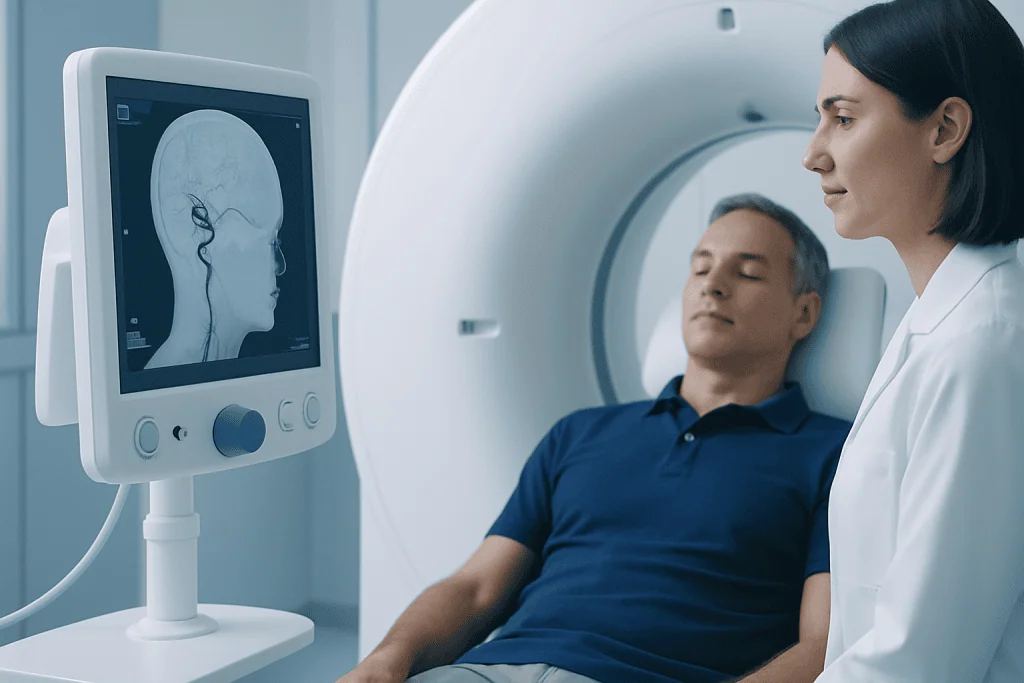
Brain imaging, usually with a CT scan and sometimes with additional vascular imaging, is used to distinguish an ischemic stroke from a hemorrhagic stroke. This step is essential because a treatment that helps one type of stroke can be unsafe for the other. If an ischemic stroke is confirmed, the team considers whether the person may benefit from clot-dissolving medicine or a procedure to remove a clot.
Hospitals with stroke expertise often follow structured protocols to reduce delays. These may include rapid triage, immediate imaging, laboratory testing, and early involvement of neurology, neuroradiology, neurosurgery, and critical care specialists when needed. This coordinated approach helps make the most of the short treatment window.
Treatment Windows for Ischemic and Hemorrhagic Stroke
For ischemic stroke, one important goal is to restore blood flow to the affected part of the brain as quickly as possible. Some patients may be eligible for intravenous clot-dissolving medication if they arrive within the appropriate time window and meet safety criteria. In selected cases, especially when a large artery is blocked, doctors may recommend mechanical thrombectomy to remove the clot directly through a minimally invasive catheter-based procedure.
Not every patient qualifies for the same treatment. Eligibility depends on the time symptoms started or when the person was last known to be well, the results of brain scans, the size and location of the stroke, current medications, and overall medical history. Some people who wake up with stroke symptoms may still be candidates for advanced treatment based on imaging findings, even if the exact start time is uncertain.
Hemorrhagic stroke requires a different approach. The priority is to control bleeding, manage blood pressure, reduce pressure in the brain when necessary, and identify the source of bleeding. In some situations, urgent aneurysm treatment or brain surgery may be needed. Intensive monitoring is often required because the person’s condition can change quickly in the early hours.
Whether the stroke is ischemic or hemorrhagic, supportive care also matters. Doctors may manage airway and breathing, fever, blood sugar, swallowing safety, and complications such as swelling or seizures. These steps help protect the brain and support recovery while definitive treatment is given.
Why Delays Happen and How to Reduce Them
Delays often begin before the person reaches the hospital. Some people do not recognize the symptoms, especially if they are painless or temporary. Others may wait to see if symptoms pass, call a family member first, or travel by private car instead of calling emergency services. These choices can cost valuable time and may reduce access to time-sensitive therapies.
Delays can also happen when symptoms start during sleep, in older adults living alone, or when unusual symptoms such as confusion, imbalance, or vision changes are not immediately recognized as stroke. Public awareness is therefore an important part of stroke prevention and treatment. Knowing that sudden neurological symptoms require immediate action can shorten the time to care.
Families can prepare by learning stroke warning signs, knowing a loved one’s medications and medical history, and understanding which hospital offers specialized stroke services. In people with conditions linked to stroke risk, such as atrial fibrillation or carotid artery disease, regular medical follow-up may also help reduce the chance of a severe event.
Recovery Begins Early: Hospital Care and Rehabilitation
Stroke treatment does not end once the immediate emergency is controlled. Recovery planning often starts in the hospital within the first day or two. The care team assesses movement, speech, swallowing, thinking, mood, and the ability to perform daily activities. This helps guide the next steps in rehabilitation and discharge planning.
Rehabilitation may involve physical therapy, occupational therapy, speech and language therapy, and neuropsychological support. The goals are to improve strength, mobility, communication, swallowing, independence, and adaptation to any lasting changes. Some people recover quickly, while others need a longer period of structured therapy and support.
Secondary prevention is another essential part of the timeline. After the cause of the stroke is identified, doctors may recommend medicines and lifestyle measures to lower the risk of another event. Depending on the situation, this can include blood pressure control, cholesterol management, treatment for diabetes, stopping smoking, heart rhythm evaluation, or procedures for narrowed blood vessels.
For international patients who need coordinated care, Acibadem International’s multidisciplinary specialists and JCI-accredited hospitals diagnose and treat stroke, including emergency evaluation, advanced imaging, and rehabilitation planning.
Prevention, Self-Care, and When to Seek Emergency Help
The most important self-care message is simple: do not wait if stroke symptoms appear. A person should call emergency services immediately if there is sudden weakness, facial droop, speech difficulty, sudden vision loss, severe unexplained headache, or sudden balance problems. It is safer to be evaluated quickly than to assume symptoms will pass.
Long-term stroke prevention focuses on controlling risk factors. This includes managing high blood pressure, diabetes, high cholesterol, and heart disease; staying physically active; eating a balanced diet; limiting alcohol; avoiding tobacco; and taking prescribed medicines as directed. Regular checkups are important, especially for people with a personal or family history of stroke, TIA, or vascular disease.
Some symptoms may be caused by conditions other than stroke, but only medical evaluation can tell the difference. Sudden neurological symptoms should never be ignored. Early action gives doctors the best chance to use treatments that can protect brain function and improve recovery.
Frequently asked questions
Why is time so important in stroke treatment?
Time matters because parts of the brain can be injured quickly when blood flow is blocked or bleeding occurs. Fast treatment may preserve more brain tissue, improve recovery, and increase the number of treatment options available.
What should someone do first if stroke is suspected?
They should call emergency services immediately. They should not wait for symptoms to improve, eat or drink, or try to drive themselves unless there is no other option and emergency help is unavailable.
What is the difference between ischemic and hemorrhagic stroke treatment?
Ischemic stroke treatment aims to restore blood flow, often with clot-dissolving medicine or clot removal in selected cases. Hemorrhagic stroke treatment focuses on controlling bleeding, lowering pressure in the brain when needed, and sometimes using procedures or surgery to repair the bleeding source.
Can stroke symptoms go away and still be serious?
Yes. Symptoms that go away can be caused by a transient ischemic attack, sometimes called a mini-stroke, which is a warning sign of future stroke risk. Even if symptoms improve completely, urgent medical evaluation is still important.
How do doctors know which treatment window applies?
Doctors use the time symptoms started or the time the person was last known to be well, along with brain imaging and the clinical exam. Scan results are especially important because they help determine the stroke type and whether salvageable brain tissue may still be present.
Does rehabilitation start only after leaving the hospital?
No. Rehabilitation often begins in the hospital as soon as the person is medically stable. Early assessment and therapy can support safer swallowing, better mobility, and a smoother transition to home or a rehabilitation center.
This article is for general information only and is not a substitute for professional medical advice. Please consult a qualified doctor about your individual situation.
Explore treatments in Turkey — costs, top hospitals & a free quote
JCI-accredited · board-certified surgeons · reply within 24h
Add us as a Preferred Source to see more of our trusted health content across Google Search, AI Overviews and Discover.
Check your numbers in seconds
BMI, calories, due date, blood pressure and 30+ more clinical calculators — free, instant, doctor-reviewed ranges.

More from the Health Library

Ischemic Stroke: Causes, Clot Blockage, and Emergency Treatment

Medicines to Prevent Stroke: Blood Thinners, Blood Pressure Drugs, and Cholesterol Control
Cerebral Infarction: What It Means and How Recovery Is Managed

Lacunar Stroke: Small Vessel Brain Stroke Symptoms, Causes, and Treatment
What Causes a Stroke? Risk Factors, Triggers, and Prevention