What Causes a Stroke? Risk Factors, Triggers, and Prevention
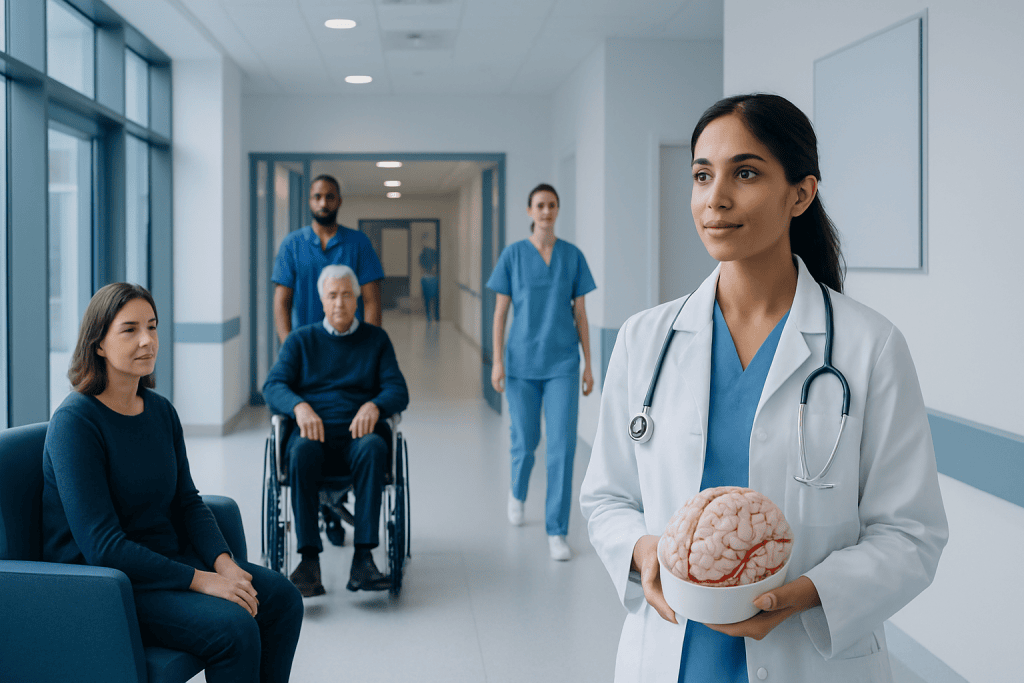
Stroke is a medical emergency caused by blocked blood flow or bleeding in the brain. High blood pressure is one of the most important risk factors for stroke.
Key Takeaways
- Stroke is a medical emergency caused by blocked blood flow or bleeding in the brain.
- High blood pressure is one of the most important risk factors for stroke.
- Smoking, diabetes, high cholesterol, atrial fibrillation, and obesity can raise stroke risk.
- Some strokes are preceded by a transient ischemic attack, often called a mini stroke.
- Fast treatment can protect brain tissue and improve recovery.
- Healthy lifestyle habits and regular medical care can help prevent many strokes.
A stroke happens when part of the brain suddenly loses its blood supply or when bleeding occurs in or around the brain. Understanding what causes a stroke can help people reduce risk, recognize warning signs quickly, and seek urgent care without delay.
Overview: what causes a stroke?
When people ask what causes a stroke, the short answer is that the brain is suddenly deprived of normal blood flow. This can happen in two main ways: an artery supplying the brain becomes blocked, or a blood vessel in the brain ruptures and bleeds. Because brain cells need a constant supply of oxygen and nutrients, even a brief interruption can lead to injury.
There are two major types of stroke. An ischemic stroke is caused by a blockage, often from a blood clot or a narrowed artery. A hemorrhagic stroke is caused by bleeding into or around the brain, usually after a weakened blood vessel breaks. A related condition, a transient ischemic attack, causes stroke-like symptoms for a short time and is often described as a mini stroke.
Stroke is not caused by one single factor. Instead, it usually develops through a combination of medical conditions, lifestyle factors, age-related changes, and sometimes inherited risk. The encouraging news is that many of these risks can be identified and managed before a stroke occurs.
How a stroke happens in the brain
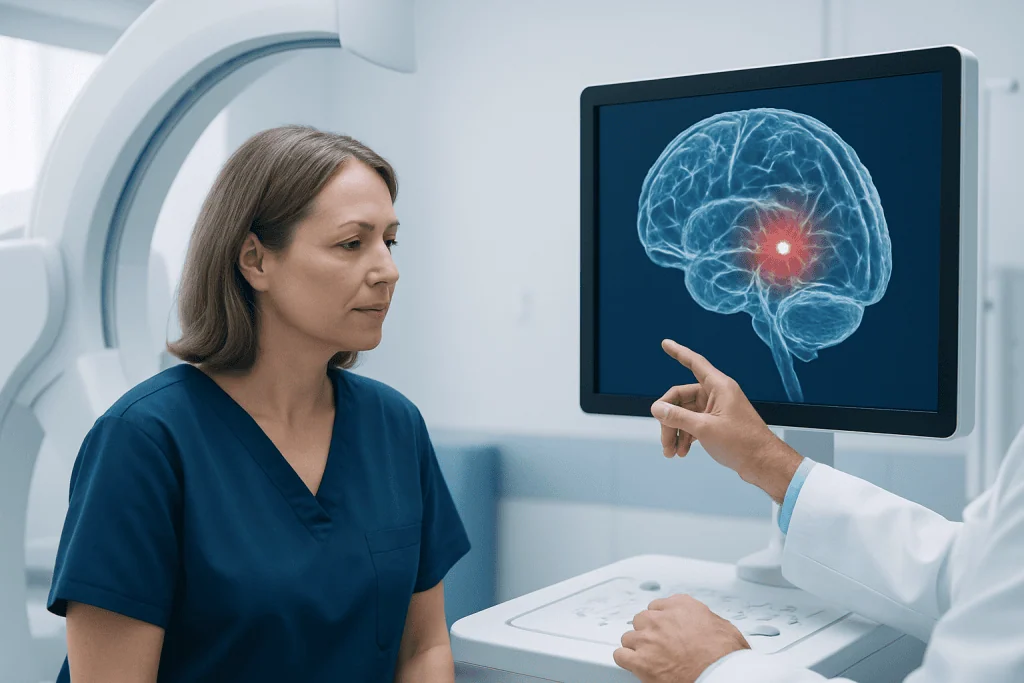
In an ischemic stroke, blood flow is blocked inside an artery. The blockage may form directly in a brain artery because of atherosclerosis, which is the buildup of fatty deposits in the vessel wall. It may also come from elsewhere in the body, such as the heart, and travel to the brain as an embolus. This is why heart rhythm problems, especially atrial fibrillation, are such an important stroke risk.
In a hemorrhagic stroke, pressure from escaping blood damages nearby brain tissue and increases swelling inside the skull. Long-standing high blood pressure can weaken small arteries over time, making them more likely to rupture. Other causes include abnormal blood vessels, head injury, certain blood-thinning medicines, and less commonly, aneurysms.
A transient ischemic attack, or TIA, happens when blood flow is interrupted only temporarily. Symptoms may last minutes to hours and then fully resolve, but a TIA should never be ignored. It is a warning sign that a more serious stroke may happen in the near future unless the underlying cause is found and treated.
Risk factors that increase stroke risk

Some stroke risk factors cannot be changed, including age, family history, sex-related factors, and a previous history of stroke or TIA. Stroke becomes more common with age, but it can happen at any age, including in younger adults. Having one or more close relatives with stroke or vascular disease may also increase risk.
Many of the most important risk factors can be treated or improved. High blood pressure is one of the strongest contributors to both ischemic and hemorrhagic stroke. Other major risks include diabetes, high cholesterol, smoking, obesity, physical inactivity, unhealthy diet, excessive alcohol use, sleep apnea, and chronic kidney disease.
Heart and blood vessel conditions also matter. Atrial fibrillation can allow clots to form in the heart and travel to the brain. Carotid artery disease narrows key blood vessels in the neck, reducing blood flow and increasing the chance of clot formation. In some patients, evaluation may include imaging and procedures used in carotid artery disease treatment or stroke treatment planning.
- High blood pressure
- Smoking or tobacco exposure
- Diabetes
- High cholesterol
- Atrial fibrillation and other heart disease
- Obesity and low physical activity
- Heavy alcohol use or illicit drug use
- Past TIA or stroke
Common triggers and less common causes
Stroke is usually the result of long-term risk rather than a single sudden trigger, but certain events can bring on a stroke in someone who is already vulnerable. A sharp rise in blood pressure, missed blood pressure medication, severe dehydration, uncontrolled blood sugar, heavy alcohol intake, stimulant drug use, or an irregular heartbeat episode may contribute to the timing of a stroke.
Less common causes include blood clotting disorders, inflammatory diseases affecting blood vessels, arterial dissection, certain infections, and rare genetic conditions. In younger adults, doctors may look for unusual causes more carefully, especially if standard risk factors such as hypertension or diabetes are absent.
Pregnancy and the weeks after delivery can also slightly increase stroke risk because of changes in clotting, blood pressure, and circulation. Hormone-related factors, migraine with aura in some patients, and selected medications may also play a role. Even when a specific trigger is identified, doctors still focus on the broader pattern of risk to help prevent another event.
Stroke symptoms and why fast action matters
Stroke symptoms usually begin suddenly. Common warning signs include weakness or numbness of the face, arm, or leg, especially on one side of the body; trouble speaking or understanding speech; sudden confusion; vision loss or double vision; dizziness; loss of balance; or a sudden severe headache. Not every person has the same symptoms, and some symptoms may be subtle.
A simple way to remember the warning signs is FAST: Face drooping, Arm weakness, Speech difficulty, Time to call emergency services. Immediate medical care is essential because some treatments work best within a limited time window. Quick treatment may reduce brain injury, lower disability, and improve recovery.
Even if symptoms go away, urgent assessment is still needed because a TIA can be an early warning of a major stroke. Doctors may evaluate symptoms with a neurological examination, blood tests, heart monitoring, and brain imaging. In some cases, specialized imaging or procedures through interventional neuroradiology help diagnose or treat blocked vessels rapidly.
How doctors diagnose the cause of a stroke
The first goal in diagnosis is to determine whether the stroke is ischemic or hemorrhagic. This distinction matters because the treatments are different. Brain imaging, such as CT or MRI, helps doctors see whether there is a blockage, bleeding, swelling, or another condition that may be causing the symptoms.
Once the stroke type is identified, the next step is to look for the source. Doctors may order blood tests, electrocardiography, heart rhythm monitoring, echocardiography, and ultrasound or angiographic studies of the arteries in the neck and brain. These tests can reveal atrial fibrillation, artery narrowing, clotting disorders, or other underlying causes.
Diagnosis also includes assessing future risk. For example, a person with repeated TIAs may be evaluated for carotid artery disease or other vascular problems. Understanding the exact cause helps doctors choose the most effective plan for treatment, rehabilitation, and prevention of another stroke.
Treatment options and prevention strategies
Treatment depends on the type of stroke and how quickly the person reaches the hospital. Ischemic stroke may be treated with clot-busting medication in selected patients or with procedures to remove a clot from a large artery. Hemorrhagic stroke treatment focuses on controlling bleeding, lowering dangerous pressure in the brain, managing blood pressure, and sometimes surgery or other procedures.
After emergency care, preventing another stroke becomes a major priority. Doctors may prescribe medicines to control blood pressure, lower cholesterol, manage diabetes, reduce clotting risk, or treat atrial fibrillation. Some patients benefit from structured neurological rehabilitation to improve strength, speech, swallowing, mobility, and independence after a stroke.
Prevention often combines medical treatment with lifestyle changes. Helpful steps include stopping smoking, eating a heart-healthy diet, staying physically active, maintaining a healthy weight, limiting alcohol, taking medicines exactly as prescribed, and attending regular checkups. Near the end of the care pathway, patients may also be supported by multidisciplinary specialists; Acibadem International’s JCI-accredited hospitals diagnose and treat stroke for international patients.
When to see a doctor
A person should seek emergency medical care immediately if stroke symptoms appear, even if they seem mild or disappear quickly. Waiting to see whether symptoms improve can delay lifesaving treatment. It is safer to treat any sudden face drooping, arm weakness, speech difficulty, or sudden vision and balance change as a medical emergency.
People should also arrange a medical review if they have risk factors such as high blood pressure, diabetes, irregular heartbeat, smoking, or a previous TIA. Preventive care can reduce the chance of a first or repeat stroke. Regular blood pressure checks and careful control of chronic conditions are especially important.
Anyone recovering from a stroke should continue follow-up care with their doctor and rehabilitation team. New symptoms, worsening weakness, trouble swallowing, increasing confusion, falls, or signs of depression should be discussed promptly. Ongoing support can make recovery safer and more effective.
Frequently asked questions
What is the main cause of stroke?
The main cause of stroke is a sudden problem with blood flow to the brain. This is usually either a blocked artery, called an ischemic stroke, or bleeding from a broken blood vessel, called a hemorrhagic stroke. High blood pressure is one of the most important underlying risk factors.
Can stress cause a stroke?
Stress alone is not usually considered a direct cause of stroke. However, long-term stress may contribute to unhealthy habits or affect blood pressure, sleep, and heart health, which can increase stroke risk over time. It is best viewed as one part of a broader risk picture.
What are the warning signs before a stroke?
Warning signs can include sudden face drooping, arm or leg weakness, speech difficulty, confusion, vision changes, dizziness, or a severe headache. Some people have a transient ischemic attack first, where symptoms go away quickly. Even short-lived symptoms need urgent medical assessment.
Is a mini stroke the same as a stroke?
A mini stroke usually refers to a transient ischemic attack, or TIA. It causes temporary stroke-like symptoms but does not lead to the same lasting brain injury seen in a full stroke. Still, it is a serious warning sign that a major stroke may follow.
Can young adults have a stroke?
Yes, stroke can happen in young adults, although it becomes more common with age. In younger people, causes may include clotting disorders, artery dissection, heart conditions, migraine-related factors, or lifestyle risks such as smoking and drug use. A full medical evaluation is important to find the cause.
How can someone lower their stroke risk?
Lowering stroke risk often starts with controlling blood pressure, blood sugar, and cholesterol. Avoiding smoking, staying active, maintaining a healthy weight, eating a balanced diet, and taking prescribed medicines regularly can all help. Regular checkups are important, especially for people with heart rhythm problems or a past TIA.
This article is for general information only and is not a substitute for professional medical advice. Please consult a qualified doctor about your individual situation.
Explore treatments in Turkey — costs, top hospitals & a free quote
JCI-accredited · board-certified surgeons · reply within 24h
Add us as a Preferred Source to see more of our trusted health content across Google Search, AI Overviews and Discover.
Check your numbers in seconds
BMI, calories, due date, blood pressure and 30+ more clinical calculators — free, instant, doctor-reviewed ranges.

More from the Health Library
Stroke Risk From Atrial Fibrillation: Why Irregular Heart Rhythm Matters

Carotid Artery Narrowing After Stroke: When Stenting or Surgery May Be Considered

Stroke Treatment Timeline: Why Every Minute Matters

Cerebral Infarction: Symptoms, Diagnosis, and How It Is Treated

Signs of Stroke: Early Symptoms You Should Never Ignore