Ischemic Stroke: Causes, Clot Blockage, and Emergency Treatment
Ischemic stroke is caused by a blocked blood vessel in the brain, usually from a clot. Sudden weakness, speech problems, facial droop, vision changes, or loss of balance require urgent medical attention.
Key Takeaways
- Ischemic stroke is caused by a blocked blood vessel in the brain, usually from a clot.
- Sudden weakness, speech problems, facial droop, vision changes, or loss of balance require urgent medical attention.
- Fast treatment may include clot-dissolving medicine or a procedure to remove the clot.
- Controlling blood pressure, diabetes, cholesterol, and heart rhythm problems can lower stroke risk.
- Recovery often involves rehabilitation such as physical, occupational, and speech therapy.
Ischemic stroke is the most common type of stroke and occurs when a blood clot blocks an artery supplying the brain. Rapid recognition and emergency treatment can help protect brain tissue, improve recovery, and reduce long-term disability.
Overview of Ischemic Stroke
Ischemic stroke happens when blood flow to part of the brain is blocked. This blockage is most often caused by a blood clot that forms in an artery or travels from another part of the body, such as the heart or neck arteries. Because brain cells need a constant supply of oxygen and nutrients, even a short interruption can injure brain tissue.
Stroke is a medical emergency. The effects depend on which part of the brain is affected and how long the blockage lasts. Some people develop sudden weakness on one side of the body, trouble speaking, facial drooping, or vision changes. Others may have confusion, severe imbalance, or numbness.
Ischemic stroke is different from hemorrhagic stroke, which is caused by bleeding in or around the brain. The treatments are also different, which is why urgent medical evaluation and brain imaging are essential before treatment begins.
Quick action can make a major difference. In many cases, doctors can use time-sensitive therapies to restore blood flow. Early treatment can reduce the amount of brain damage and improve the chances of recovery.
Symptoms and Warning Signs
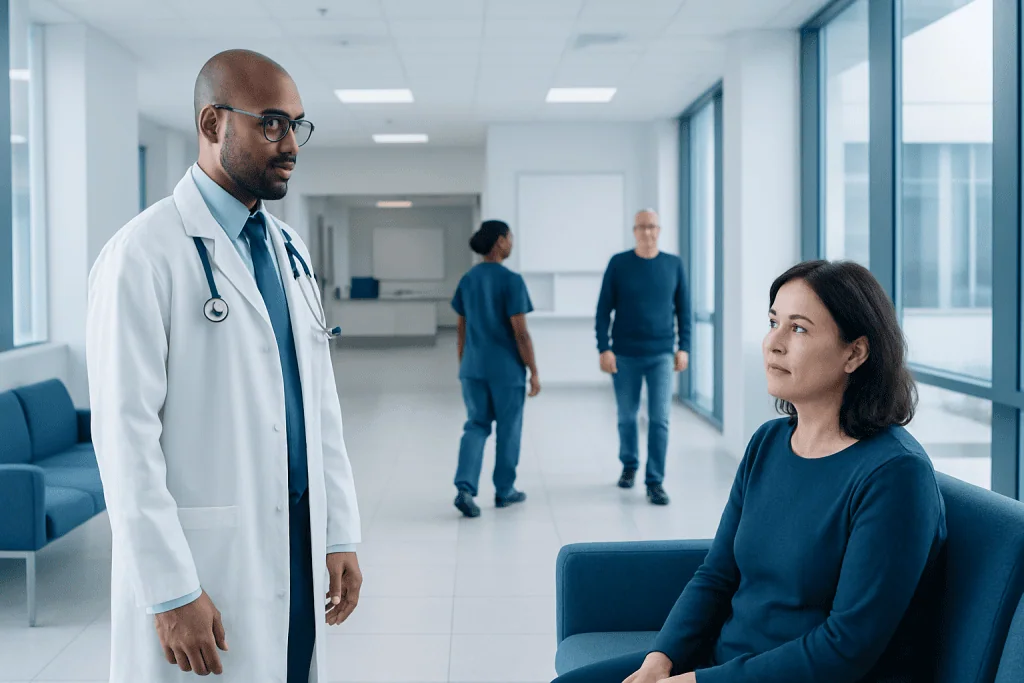
Symptoms of ischemic stroke usually begin suddenly. They may be mild at first or become severe within minutes. Common warning signs include weakness or numbness of the face, arm, or leg, especially on one side of the body; trouble speaking or understanding speech; sudden vision loss or blurred vision; dizziness; loss of coordination; and confusion.
A simple way to remember common stroke symptoms is FAST: face drooping, arm weakness, speech difficulty, and time to call emergency services. If any of these signs appear, even if they improve quickly, urgent medical care is still needed. A brief episode may be a transient ischemic attack, sometimes called a mini-stroke, which can be a warning sign of a more serious stroke.
Not everyone experiences the same symptoms. A stroke affecting the back part of the brain may cause severe imbalance, double vision, nausea, or difficulty walking rather than obvious facial droop or speech trouble. Because symptoms can vary, any sudden neurological change should be treated seriously.
- Sudden facial drooping
- Weakness or numbness in an arm or leg
- Slurred speech or difficulty finding words
- Sudden confusion
- Vision loss, double vision, or blurred vision
- Trouble walking, dizziness, or loss of balance
Causes and Risk Factors
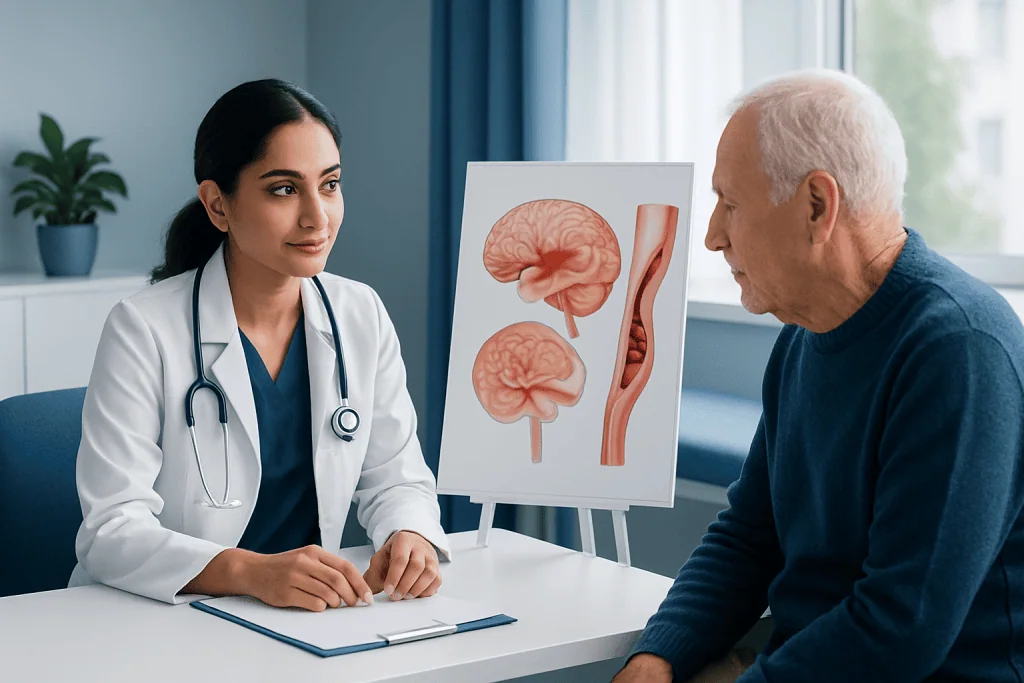
The immediate cause of ischemic stroke is an interruption of blood flow to the brain. This often happens because of a clot forming on a narrowed artery affected by atherosclerosis, a condition in which fatty deposits build up in the blood vessels. A clot can also form in the heart and travel to the brain, especially in people with atrial fibrillation or other heart rhythm problems.
Several health conditions increase stroke risk. High blood pressure is one of the most important because it damages blood vessels over time. Other major risk factors include diabetes, high cholesterol, smoking, obesity, lack of physical activity, sleep apnea, and heart disease. A personal history of transient ischemic attack also raises the risk of future stroke.
Age increases the likelihood of stroke, but ischemic stroke can occur in younger adults as well. Family history, certain blood clotting disorders, and narrowing of the carotid arteries may also play a role. Some strokes have uncommon causes, including artery dissection, inflammatory blood vessel diseases, or complications related to pregnancy.
Reducing risk often starts with identifying and treating underlying conditions. For example, careful management of atrial fibrillation or carotid artery disease can help prevent clot-related strokes in some patients.
How Ischemic Stroke Is Diagnosed
Doctors diagnose ischemic stroke by combining the medical history, neurological examination, and urgent imaging tests. The first step is usually to confirm that stroke symptoms are present and determine when the person was last known to be well. This timing matters because some treatments are effective only within certain time windows.
Brain imaging is essential to distinguish ischemic stroke from bleeding in the brain. A non-contrast CT scan is commonly performed first because it is fast and widely available. In some cases, MRI provides more detail. Additional imaging, such as CT angiography or MR angiography, may help identify a blocked large artery.
Blood tests, heart monitoring, and an electrocardiogram can help find contributing factors such as abnormal blood sugar, clotting problems, infection, or heart rhythm disorders. Ultrasound or other imaging of the neck arteries may be used when doctors suspect narrowing or plaque in the carotid arteries.
After the emergency phase, the evaluation often continues to look for the underlying source of the stroke. This may include echocardiography to assess the heart and longer-term rhythm monitoring to detect intermittent atrial fibrillation. Finding the cause helps guide long-term prevention.
Emergency Treatment Options
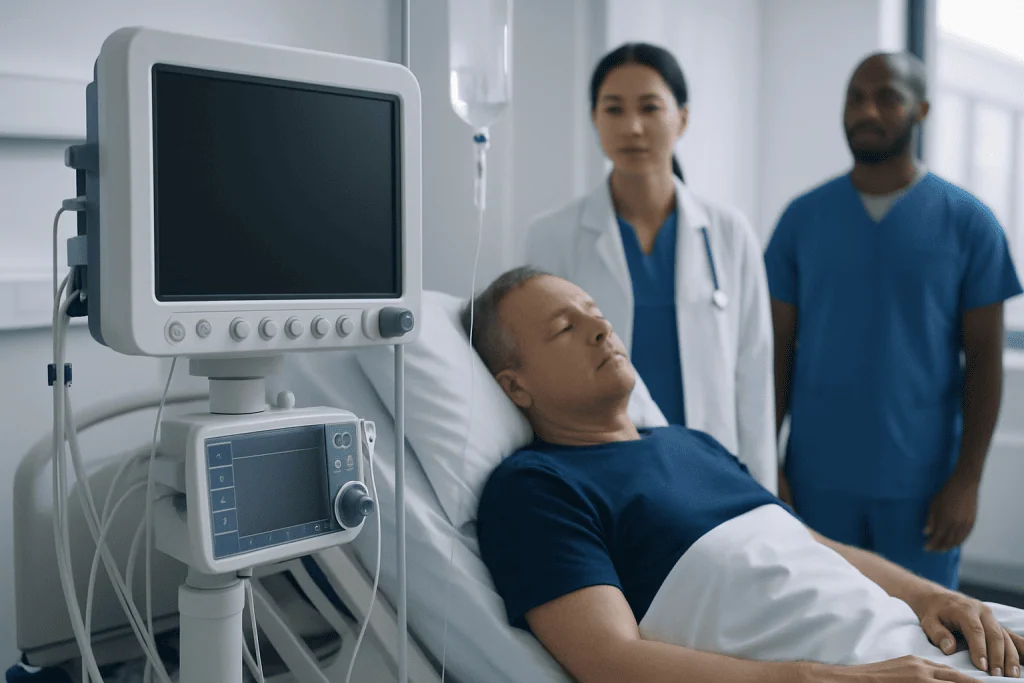
Emergency treatment for ischemic stroke aims to restore blood flow to the brain as quickly and safely as possible. If the person arrives within the appropriate time window and meets safety criteria, doctors may give a clot-dissolving medicine through a vein. This treatment can improve outcomes in selected patients by reopening blocked blood vessels.
Some people with a large artery blockage may benefit from a minimally invasive procedure called mechanical thrombectomy. In this treatment, a specialist guides a catheter through the blood vessels to remove the clot directly. Mechanical thrombectomy is most often considered for blockages in larger brain arteries and can be helpful even when symptoms are severe.
Not every patient is a candidate for clot-dissolving medicine or thrombectomy. Doctors make this decision based on imaging results, timing, symptoms, medical history, and the location of the blockage. Supportive care is also important and may include oxygen if needed, careful blood pressure management, blood sugar control, and monitoring for complications such as swallowing problems.
In some cases, treatment also includes medicines to reduce the chance of another clot, management in a dedicated stroke unit, and rehabilitation planning from an early stage. At centers offering advanced stroke treatment, a team approach helps coordinate emergency care, imaging, procedures, and recovery support.
Recovery, Rehabilitation, and Long-Term Care
Recovery after ischemic stroke varies widely. Some people improve quickly, while others need weeks or months of rehabilitation. The outcome depends on factors such as the size and location of the stroke, how fast treatment was started, age, and general health. Early rehabilitation can help the brain and body adapt after injury.
Rehabilitation may include physical therapy for strength and balance, occupational therapy for daily activities, and speech-language therapy for communication or swallowing difficulties. The goals are to improve independence, safety, and quality of life. Emotional changes such as anxiety, frustration, or depression are also common and deserve attention.
Preventing another stroke is a major part of long-term care. Doctors may recommend medicines such as antiplatelet drugs, anticoagulants for selected patients with heart rhythm problems, cholesterol-lowering therapy, and medications to control blood pressure or diabetes. Some people with severe artery narrowing may need further evaluation for vascular procedures.
When recovery needs are complex, a coordinated team can be valuable. Depending on the cause and complications, this may involve neurology, cardiology, rehabilitation specialists, and sometimes physical therapy and rehabilitation. Acibadem International’s multidisciplinary specialists and JCI-accredited hospitals diagnose and treat stroke for international patients when advanced evaluation and follow-up are needed.
Prevention and Self-Care
Many ischemic strokes are linked to risk factors that can be managed. Keeping blood pressure in a healthy range is one of the most effective ways to lower risk. Managing diabetes, lowering high cholesterol, quitting smoking, staying physically active, and maintaining a healthy weight also play important roles.
Heart health matters because some strokes begin with clots forming in the heart. People with atrial fibrillation, valve disease, or other heart conditions should follow their treatment plan closely. Taking prescribed medicines regularly and attending follow-up visits can reduce the chance of future stroke.
Healthy daily habits support prevention. These include a balanced diet rich in vegetables, fruits, whole grains, and lean proteins; limiting excess salt and highly processed foods; getting regular sleep; and reducing alcohol intake if advised by a doctor. Treating sleep apnea, if present, may also be helpful.
Self-care after a stroke should also include learning the warning signs of recurrence. Family members and caregivers benefit from knowing how to recognize sudden neurological symptoms and when to call emergency services immediately.
When to Seek Emergency Medical Help
Immediate medical attention is needed for any possible stroke symptom, even if it lasts only a few minutes or seems to improve. Time matters because emergency treatment may be most effective when given early. Waiting at home can delay treatment and increase the risk of lasting brain injury.
Call emergency services right away if there is sudden facial drooping, arm or leg weakness, slurred speech, trouble understanding words, sudden vision changes, severe imbalance, or new confusion. It is best not to drive the person to the hospital if emergency transport is available, because medical teams can begin care on the way and direct the patient to the right facility.
After a transient ischemic attack or a completed stroke, prompt specialist follow-up is also important. Early assessment helps identify the cause and lowers the risk of another event. Anyone with stroke risk factors should discuss prevention strategies with a qualified doctor.
If symptoms are unclear but involve a sudden change in speaking, movement, vision, or alertness, it is safer to seek urgent help than to wait. Rapid evaluation can rule out stroke or allow treatment to begin as soon as possible.
Frequently asked questions
What is the difference between ischemic stroke and hemorrhagic stroke?
Ischemic stroke is caused by a blockage in a blood vessel supplying the brain, usually from a clot. Hemorrhagic stroke happens when a blood vessel ruptures and bleeds into or around the brain. Because the treatments differ, urgent brain imaging is needed to tell them apart.
Can ischemic stroke symptoms go away on their own?
Sometimes symptoms improve quickly, but this does not mean the problem is harmless. A temporary episode may be a transient ischemic attack, which can be an early warning sign of a major stroke. Any sudden stroke-like symptom needs immediate medical evaluation.
How quickly should treatment start for an ischemic stroke?
Treatment should begin as soon as possible because brain tissue is very sensitive to loss of blood flow. Some therapies, such as clot-dissolving medicine and clot removal procedures, are time-dependent and work best when started early. Calling emergency services immediately is the safest response.
Can younger adults have an ischemic stroke?
Yes, ischemic stroke can happen at any age, although it is more common in older adults. In younger people, causes may include heart conditions, artery dissection, clotting disorders, smoking, or uncontrolled blood pressure. A full evaluation helps identify the underlying reason.
What happens after leaving the hospital?
After discharge, many patients need follow-up care, rehabilitation, and medicines to help prevent another stroke. Recovery may involve physical, occupational, or speech therapy depending on the symptoms. Regular medical reviews are important to monitor risk factors and progress.
Can ischemic stroke be prevented?
Not every stroke can be prevented, but many risks can be reduced. Managing blood pressure, diabetes, cholesterol, heart rhythm problems, and stopping smoking are among the most effective steps. A doctor can recommend a personalized prevention plan based on individual risk factors.
This article is for general information only and is not a substitute for professional medical advice. Please consult a qualified doctor about your individual situation.
Explore treatments in Turkey — costs, top hospitals & a free quote
JCI-accredited · board-certified surgeons · reply within 24h
Add us as a Preferred Source to see more of our trusted health content across Google Search, AI Overviews and Discover.
Check your numbers in seconds
BMI, calories, due date, blood pressure and 30+ more clinical calculators — free, instant, doctor-reviewed ranges.

More from the Health Library
Recovery After Stroke: Timeline, Rehabilitation, and Realistic Expectations

Ischemic Stroke Explained: How a Blocked Brain Artery Causes Symptoms
Cryptogenic Stroke: When the Cause Is Unclear and What Tests Come Next
Ischemic Stroke: What Happens When Blood Flow to the Brain Stops

Recurrent Transient Ischemic Attacks: When a Second Stroke Opinion Matters