Stroke in Younger Adults: Causes, Warning Signs, and Specialist Care
Stroke can occur in adults under 50, even in people who seem otherwise healthy. Sudden face drooping, arm weakness, speech trouble, vision changes, dizziness, or severe headache need emergency evaluation.
Key Takeaways
- Stroke can occur in adults under 50, even in people who seem otherwise healthy.
- Sudden face drooping, arm weakness, speech trouble, vision changes, dizziness, or severe headache need emergency evaluation.
- Common causes in younger adults include artery dissection, heart rhythm problems, clotting disorders, and traditional vascular risk factors.
- Early diagnosis and specialist treatment can limit brain injury and improve recovery.
- Long-term care often includes rehabilitation, risk-factor control, and finding the reason the stroke happened.
Stroke is often linked with older age, but it can also affect younger adults. Recognizing warning signs quickly and understanding possible causes can help people seek urgent care and reduce the risk of long-term complications.
Overview
Stroke in younger adults refers to a stroke that happens in people below the age usually associated with this condition, often under 50. A stroke occurs when blood flow to part of the brain is blocked or when a blood vessel in the brain bursts. Without enough oxygen, brain cells begin to be injured within minutes, so rapid medical care is essential.
Although stroke is more common later in life, younger adults can also be affected. In this age group, the causes may be different from those seen in older adults. Along with high blood pressure, smoking, diabetes, and high cholesterol, doctors also look for less common explanations such as artery tears, inherited clotting conditions, autoimmune diseases, and heart problems that may not have been diagnosed before.
A stroke in a younger person can be especially disruptive because it may affect work, parenting, driving, communication, mood, and independence at a stage of life when responsibilities are high. The good news is that early treatment, careful investigation, and specialist follow-up can improve recovery and help lower the chance of another stroke.
Warning Signs and Symptoms
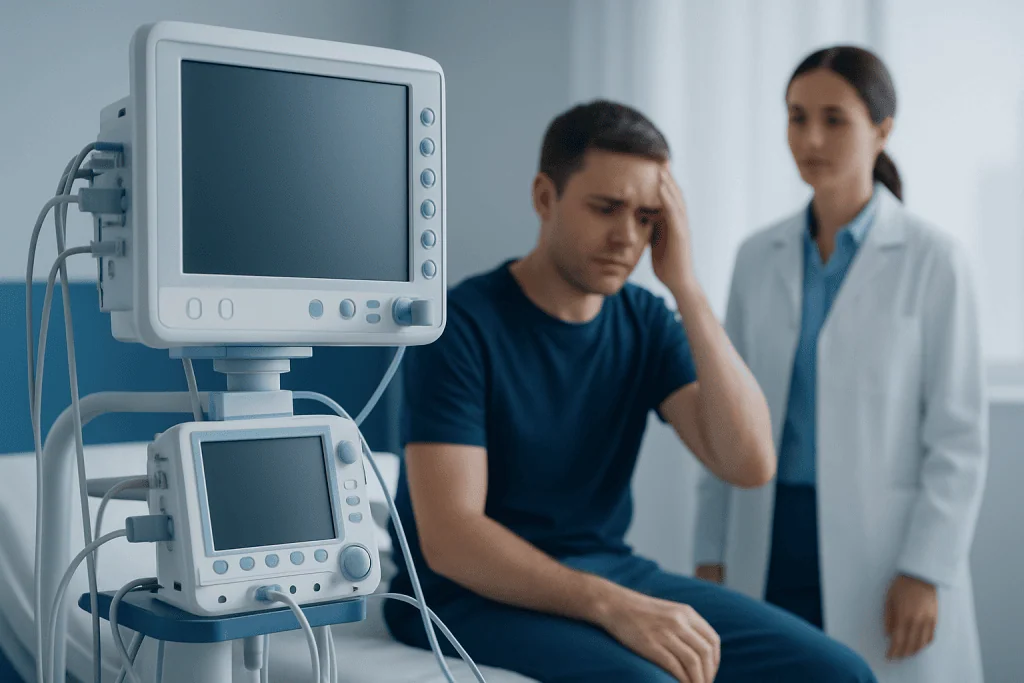
Stroke symptoms usually begin suddenly. The most important warning signs are facial drooping, weakness or numbness on one side of the body, trouble speaking or understanding speech, and sudden confusion. A person may also notice abrupt vision loss or double vision, difficulty walking, loss of balance, severe dizziness, or a sudden severe headache unlike usual headaches.
A helpful way to remember common signs is FAST: Face drooping, Arm weakness, Speech difficulty, and Time to call emergency services. Even if symptoms improve after a few minutes, urgent assessment is still needed because a temporary blockage, called a transient ischemic attack, can be a warning of a more serious event. Related conditions such as transient ischemic attack may look brief but should never be ignored.
Some younger adults have symptoms that are mistaken for migraine, inner ear problems, stress, panic, or exhaustion. This can delay treatment. Symptoms that are sudden, one-sided, or clearly different from a person’s usual pattern should be treated as a medical emergency.
- Sudden numbness or weakness of the face, arm, or leg, especially on one side
- Sudden speech or language problems
- Sudden trouble seeing in one or both eyes
- Sudden dizziness, poor coordination, or trouble walking
- Sudden severe headache, especially if unusual or explosive in onset
Causes and Risk Factors in Younger Adults
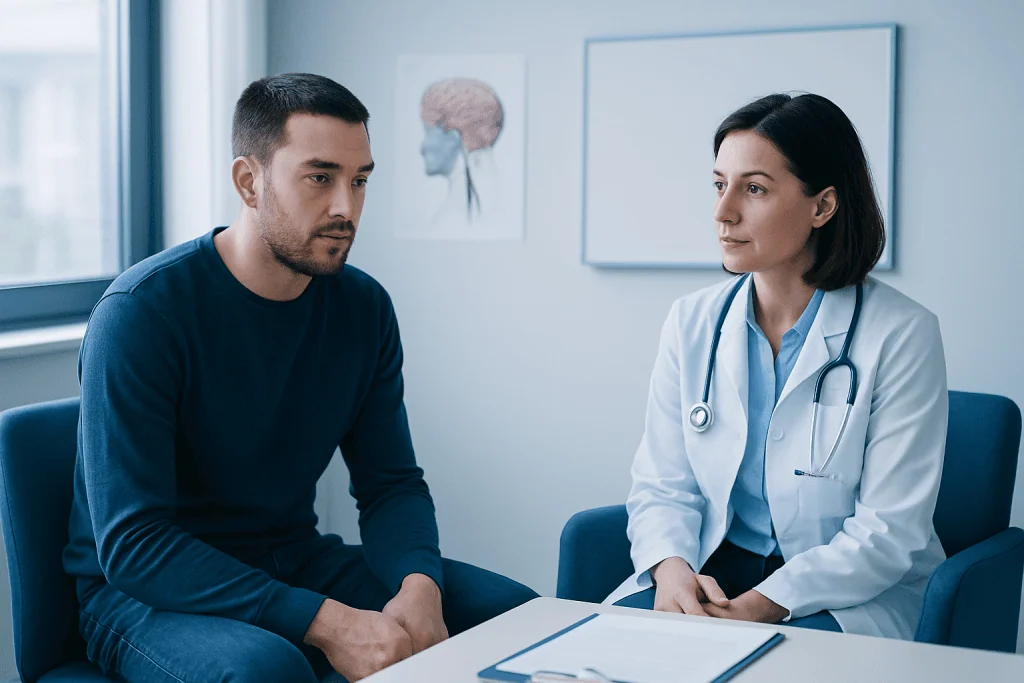
In younger adults, stroke may happen for a wide range of reasons. Some are the same as in older adults, including high blood pressure, diabetes, smoking, obesity, high cholesterol, physical inactivity, and heavy alcohol use. Use of stimulant drugs such as cocaine or amphetamines can also sharply increase stroke risk. Migraines with aura, especially when combined with smoking or certain hormonal contraceptives, may contribute to risk in some people.
Doctors also consider causes that are more common in younger patients. One important example is an artery dissection, which is a tear in the inner lining of an artery in the neck. This can follow even minor neck injury, sudden neck movement, sports trauma, or may occur spontaneously. Another possibility is a heart-related source of clots, including atrial fibrillation, structural heart abnormalities, or a small opening between the heart chambers called a patent foramen ovale in selected patients.
Blood-clotting disorders, autoimmune conditions, inflammatory blood vessel diseases, pregnancy and the postpartum period, and certain infections can also play a role. Rare genetic or metabolic disorders may be relevant in selected cases. Sometimes imaging or clinical findings point to brain aneurysm or other vascular abnormalities, while in other patients the cause remains unclear even after testing. Because the range of possibilities is broad, a detailed specialist evaluation is an important part of care after a first stroke in a younger person.
How Stroke Is Diagnosed
Stroke diagnosis begins with an emergency clinical assessment and brain imaging. Doctors need to know whether the stroke is caused by a blocked blood vessel or bleeding, because treatment differs. A non-contrast CT scan is often the first test because it is fast and can identify bleeding. Many patients also need MRI or vascular imaging to look at the brain’s blood vessels more closely.
Additional tests help find the underlying cause. These may include CT or MR angiography of the head and neck, heart monitoring for rhythm problems, echocardiography to assess the heart’s structure, and blood tests for cholesterol, blood sugar, inflammation, and clotting disorders. In selected cases, specialists may order more targeted studies based on age, family history, pregnancy status, autoimmune symptoms, or prior migraines.
Because time matters, rapid access to advanced imaging can guide urgent treatment decisions, including CT scanning and MRI. After the emergency phase, the diagnostic process often continues to identify why the stroke occurred and what steps are needed to prevent another one.
Treatment Options and Specialist Care
Stroke treatment depends on the type of stroke, how long symptoms have been present, and which blood vessels are involved. For ischemic stroke, caused by a blockage, some patients may be eligible for clot-dissolving medicine if they arrive quickly and meet safety criteria. Others may benefit from a procedure to remove the clot from a large brain artery. This emergency treatment is known as mechanical thrombectomy and is performed in carefully selected cases.
Hemorrhagic stroke, caused by bleeding, requires a different approach. Care focuses on controlling blood pressure, managing complications, reversing blood thinners when needed, and sometimes neurosurgical or endovascular treatment. If an aneurysm or another abnormal vessel is responsible, targeted treatment may be recommended to reduce the risk of further bleeding.
Specialist care is important for younger adults because the cause may be complex and the long-term needs can be different. A stroke team may include neurologists, interventional neuroradiologists, neurosurgeons, cardiologists, hematologists, rehabilitation physicians, speech therapists, physiotherapists, and occupational therapists. Near the end of the treatment journey, some international patients choose centers such as Acibadem International, where multidisciplinary specialists in JCI-accredited hospitals evaluate stroke causes, provide advanced treatment, and coordinate recovery planning.
Preventing another stroke is a major part of treatment. Depending on the cause, this may include antiplatelet medicines, anticoagulants, blood pressure treatment, cholesterol-lowering therapy, heart-rhythm management, or closure of a heart defect in selected patients. Treatment is personalized, and follow-up helps ensure that the chosen plan remains appropriate over time.
Recovery, Rehabilitation, and Daily Life
Recovery after stroke varies widely. Some younger adults recover quickly, while others need months of rehabilitation. The type and severity of symptoms, how quickly treatment was given, and the area of the brain involved all influence recovery. Improvements may continue gradually over time, especially with structured rehabilitation and consistent support.
Rehabilitation may include physiotherapy for strength and balance, occupational therapy for daily tasks and return to work, and speech-language therapy for communication or swallowing difficulties. Emotional and cognitive effects are also common. Fatigue, anxiety, depression, reduced concentration, memory changes, and frustration can affect quality of life even when physical recovery seems good.
Follow-up care should address practical issues such as driving, exercise, sleep, sexual health, pregnancy planning, and workplace adaptation when relevant. Open discussion with the medical team can help younger adults and their families set realistic goals and identify support early. Stroke recovery is not only about survival; it is also about restoring function, confidence, and participation in daily life.
Prevention and When to Seek Medical Help
Prevention focuses on both traditional risk factors and any stroke-specific cause found during testing. Stopping smoking, keeping blood pressure in a healthy range, treating diabetes, managing cholesterol, maintaining a healthy weight, and exercising regularly can all help reduce risk. Limiting alcohol and avoiding recreational stimulant drugs are also important. People with migraine, autoimmune disease, pregnancy-related concerns, or clotting problems should discuss their individual risk profile with a doctor.
Medicines prescribed after stroke should be taken exactly as directed unless a clinician advises otherwise. Follow-up appointments are important because the treatment plan may change if new information appears from heart monitoring, blood tests, or vascular imaging. Family members can also help by learning the warning signs of stroke and supporting healthy routines at home.
Emergency help is needed immediately if symptoms of stroke appear, even if they seem mild or go away. A person should not drive themselves to the hospital if emergency services are available. Fast assessment can open access to time-sensitive treatments and improve the chance of recovery.
Medical review is also important for repeated unexplained dizziness, sudden severe headache, brief episodes of weakness or speech trouble, or neurological symptoms that are becoming more frequent. These problems do not always mean stroke, but they should be assessed promptly by a qualified doctor.
Frequently asked questions
Can a healthy young adult really have a stroke?
Yes. While stroke is more common in older adults, it can also happen in younger people, including those who appear fit and active. In this age group, doctors often look for causes such as artery dissection, heart conditions, clotting disorders, or less obvious vascular risks.
What are the first warning signs of stroke in a younger adult?
The most common warning signs are sudden face drooping, weakness or numbness on one side, speech difficulty, vision changes, balance problems, or a sudden severe headache. Symptoms usually start abruptly. Any suspected stroke symptom should be treated as an emergency.
Is stroke in younger adults different from stroke in older adults?
The brain injury itself is similar, but the underlying causes can differ. Younger adults are more likely to need testing for uncommon causes such as artery tears, heart defects, autoimmune disorders, or inherited clotting conditions. Rehabilitation and return-to-work planning may also be especially important.
Can stroke symptoms come and go?
Yes, sometimes they do. Brief symptoms may be caused by a transient ischemic attack, which is a temporary interruption of blood flow to the brain. Even if symptoms fully resolve, urgent medical evaluation is still necessary because the risk of a more serious stroke may be increased.
How is the cause of stroke found in a younger person?
Doctors usually combine brain imaging with blood vessel imaging, heart tests, rhythm monitoring, and blood tests. The exact work-up depends on the person’s symptoms, medical history, and risk factors. In some cases, the cause is identified quickly, while in others it takes more detailed specialist evaluation.
What is recovery like after stroke in younger adults?
Recovery varies from person to person. Some people improve rapidly, while others need prolonged rehabilitation for movement, speech, swallowing, memory, or emotional changes. Early treatment, ongoing therapy, and careful follow-up can all support better long-term function.
This article is for general information only and is not a substitute for professional medical advice. Please consult a qualified doctor about your individual situation.
Explore treatments in Turkey — costs, top hospitals & a free quote
JCI-accredited · board-certified surgeons · reply within 24h
Add us as a Preferred Source to see more of our trusted health content across Google Search, AI Overviews and Discover.
Check your numbers in seconds
BMI, calories, due date, blood pressure and 30+ more clinical calculators — free, instant, doctor-reviewed ranges.

More from the Health Library
Ischemic Stroke Explained: How a Blocked Brain Artery Causes Symptoms
Ischemic Stroke: Symptoms, Diagnosis, and Treatment Options
What Is a Stroke? Types, Causes, and Why It Is a Medical Emergency
Recovery After Stroke: Timeline, Rehabilitation, and Realistic Expectations
Cerebrovascular Accident Explained: Meaning, Symptoms, and Treatment