Can Blood Pressure Medicine Cause a Stroke? Risks, Myths, and Safe Use

Most blood pressure medicines help prevent stroke by controlling hypertension. Stroke risk may rise if medication is stopped suddenly, taken incorrectly, or lowers blood pressure too much in certain people.
Key Takeaways
- Most blood pressure medicines help prevent stroke by controlling hypertension.
- Stroke risk may rise if medication is stopped suddenly, taken incorrectly, or lowers blood pressure too much in certain people.
- Symptoms such as sudden weakness, facial drooping, trouble speaking, or severe dizziness need urgent medical attention.
- Regular checkups, home blood pressure monitoring, and medication review support safe treatment.
- Any concerns about side effects or dizziness should be discussed with a doctor before changing medication.
Blood pressure medicines are designed to reduce the risk of stroke, not cause it. In some situations, however, sudden blood pressure changes, incorrect use, or underlying health problems may contribute to complications, which is why careful medical follow-up is important.
Overview
Many people wonder whether blood pressure medicine can cause a stroke. In most cases, the answer is no. These medicines are prescribed because high blood pressure is one of the most important risk factors for stroke, and lowering it appropriately usually helps protect the brain, heart, and blood vessels.
Confusion often comes from the fact that blood pressure medicines can sometimes cause side effects such as dizziness, lightheadedness, or weakness. These symptoms may feel alarming, but they do not usually mean a stroke is happening. Still, a sudden drop in blood pressure, severe dehydration, medication interactions, or unsafe use may create situations that deserve prompt medical review.
Stroke itself is not one single condition. It may be caused by a blocked blood vessel in the brain or by bleeding in or around the brain. Good blood pressure control is especially important because it lowers the risk of both major stroke types, including stroke and related vascular complications.
The safest approach is not to stop medication out of fear. Instead, patients should understand why the medicine was prescribed, how to take it correctly, which side effects are common, and when symptoms suggest the need for urgent care.
How Blood Pressure Medicine Affects Stroke Risk
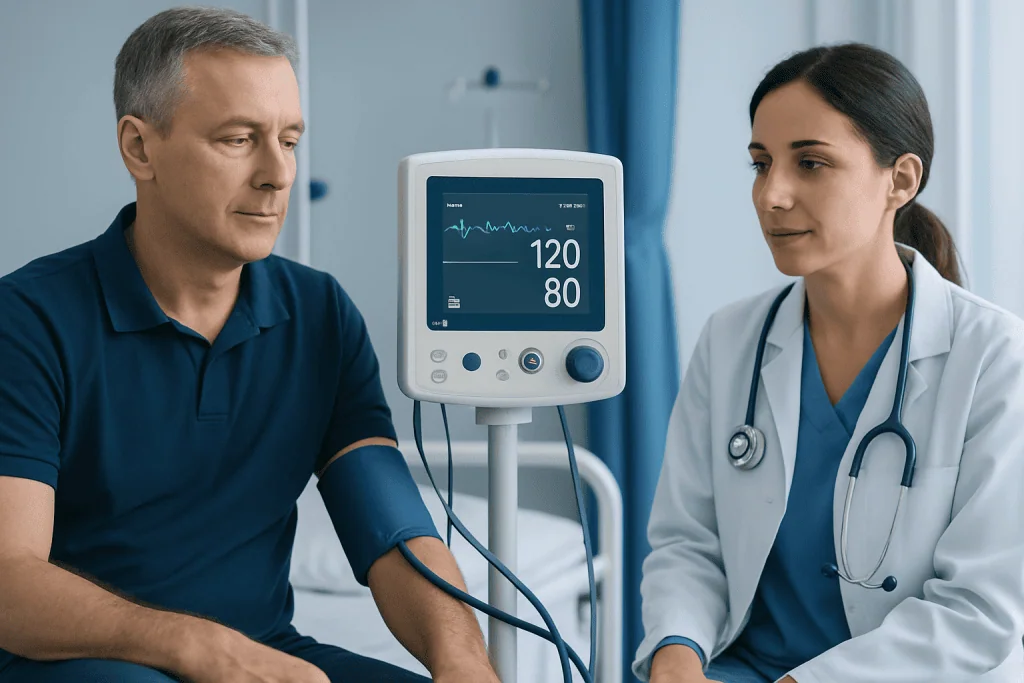
High blood pressure places extra force on artery walls over time. This can damage blood vessels, encourage plaque buildup, and increase the chance of a blockage or bleeding event in the brain. That is why controlling hypertension is a key part of stroke prevention.
Blood pressure medicines lower stroke risk by helping the heart and blood vessels work under less strain. Different medicine classes do this in different ways. Some relax blood vessels, some reduce the amount of fluid the body retains, and others slow the heart or change hormone signals involved in blood pressure regulation.
Problems are more likely to happen when blood pressure falls too low for a particular person, especially if the change is sudden. This may reduce blood flow to the brain and cause faintness, confusion, or falls. In rare cases, severely reduced blood flow can contribute to brain injury, but this is not the expected effect of properly prescribed treatment.
Doctors usually aim for gradual, individualized blood pressure control. A treatment plan may include lifestyle changes and medicines, with adjustments based on age, other medical conditions, kidney function, and prior vascular history. For some patients, broader management may also involve evaluation through hypertension treatment or specialist care focused on cardiovascular and neurological risk.
When Problems Can Happen
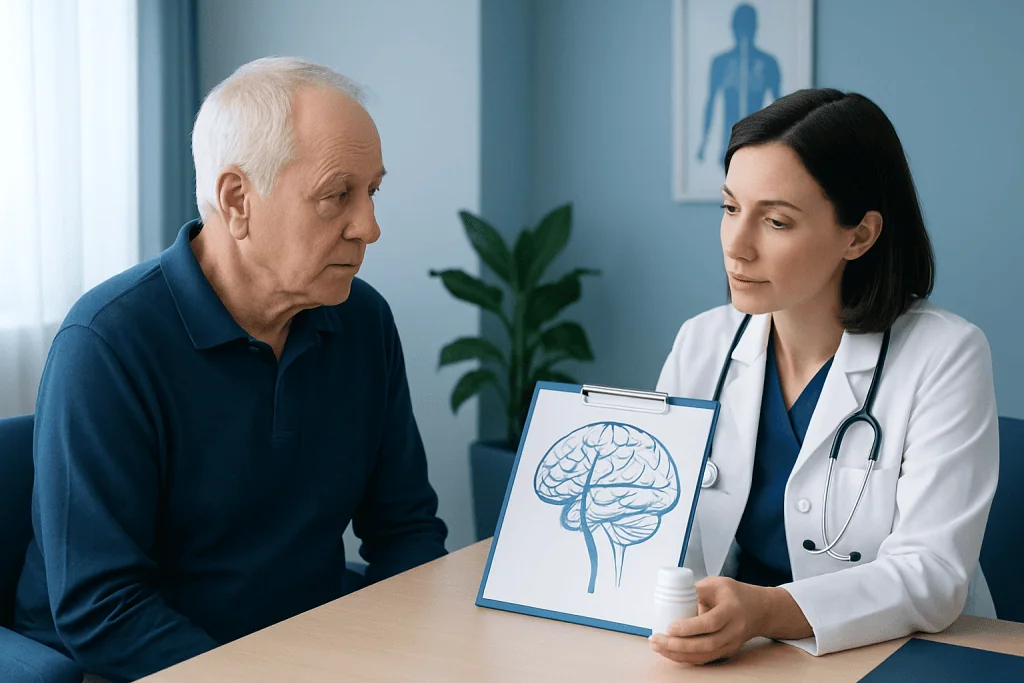
Although blood pressure medicine is generally protective, certain circumstances can make treatment less safe. One example is overtreatment, when blood pressure becomes too low. This can be more likely in older adults, people taking several blood pressure medicines, or those who become dehydrated from illness, heat, vomiting, or diarrhea.
Another concern is suddenly stopping medication without medical advice. Abrupt withdrawal of some blood pressure medicines can cause rebound hypertension, meaning blood pressure rises sharply. A rapid increase may place stress on the brain and blood vessels and can raise the risk of stroke or other cardiovascular emergencies.
Medication errors can also play a role. Taking the wrong dose, doubling up by mistake, mixing prescriptions and supplements without guidance, or using someone else’s medication can all increase the chance of harmful blood pressure swings. This is one reason medication lists should be reviewed regularly with a doctor or pharmacist.
Certain health conditions may complicate treatment decisions. People with severe narrowing of blood vessels, recent acute illness, heart rhythm problems, kidney disease, or a history of repeated fainting may need closer monitoring. In these situations, symptoms should not be ignored, and treatment may need to be adjusted rather than stopped.
Symptoms to Watch For
Common medication side effects can include mild dizziness, fatigue, or feeling unsteady when standing up quickly. These symptoms may happen when the body is adjusting to treatment, but they should still be reported if they are frequent, severe, or interfere with daily life.
Symptoms of stroke are different and should be treated as an emergency. These include sudden facial drooping, weakness or numbness on one side of the body, trouble speaking, trouble understanding speech, sudden vision changes, severe imbalance, or a sudden severe headache, especially if it is unlike usual headaches.
Very low blood pressure may cause lightheadedness, fainting, blurred vision, nausea, or confusion. These symptoms are not the same as stroke, but they can still be serious, especially if they lead to falls, injuries, or poor blood flow to vital organs. Persistent or repeated episodes deserve prompt medical assessment.
A helpful rule is not to guess. If symptoms are sudden, severe, one-sided, or involve speech or vision, emergency services should be contacted immediately. If symptoms are milder but recurring, a clinician should review blood pressure readings, medications, fluid intake, and other possible causes.
Diagnosis and Medical Evaluation
When a patient reports dizziness, fainting, or neurological symptoms after starting or changing blood pressure medicine, doctors first try to understand whether the problem is a side effect, an unrelated illness, or an actual stroke or transient ischemic attack. The history of symptoms, timing, medication changes, and home blood pressure readings can provide important clues.
Evaluation often includes blood pressure measurements taken sitting and standing, a neurological examination, and a review of all prescription and nonprescription products. Blood tests may help assess kidney function, electrolytes, dehydration, or other contributors to symptoms. In some cases, heart rhythm testing is also needed.
If stroke is suspected, urgent brain imaging and specialist assessment are essential. Depending on the situation, doctors may use CT or MRI scans and vascular imaging to look at blood vessels supplying the brain. Patients with suspected transient ischemic attack or stroke may need emergency treatment and close monitoring.
In more complex cases, a patient may benefit from coordinated evaluation involving neurology, cardiology, and internal medicine. This can help balance stroke prevention with blood pressure safety, especially in people with multiple chronic conditions or recent hospitalizations. Where appropriate, further assessment may involve stroke treatment pathways and specialist follow-up.
Treatment Options and Safe Medication Use
If a blood pressure medicine seems to be causing troublesome side effects, the usual solution is not to stop it suddenly. Doctors may instead lower the dose, change the timing, switch to another class of medicine, or check for dehydration, infection, or drug interactions that are making side effects worse.
Treatment should always be individualized. A younger person with very high blood pressure may need a different target and medicine combination than an older adult with dizziness on standing. People with diabetes, kidney disease, heart failure, or previous stroke may also require tailored choices to protect both the brain and other organs.
Patients can improve medication safety by taking medicine exactly as prescribed, keeping a written medication list, using a pill organizer if needed, and checking before adding over-the-counter cold remedies, pain relievers, or supplements. These products can sometimes affect blood pressure or interfere with treatment.
For patients who have had a stroke or are at high vascular risk, doctors may also address cholesterol, blood sugar, smoking, sleep apnea, weight, and physical activity. Comprehensive prevention is often more effective than focusing on one number alone. In specialized centers, this may include review by teams experienced in neurology treatment and vascular risk reduction.
Prevention, Self-Care, and When to See a Doctor
Safe blood pressure treatment starts with regular follow-up. Home blood pressure monitoring can be very helpful when done correctly with a validated device. Readings should be recorded and shared with the treating clinician, especially after starting a new medicine or changing a dose.
Self-care also matters. Staying hydrated, standing up slowly, limiting excess salt when advised, following a balanced eating pattern, being physically active within personal ability, avoiding tobacco, and limiting alcohol can all support healthier blood pressure control. Good sleep and stress management may also help.
A doctor should be contacted if medication causes repeated dizziness, fainting, falls, marked fatigue, swelling, or blood pressure readings that are consistently much lower or higher than expected. Medical advice is also important during vomiting, diarrhea, fever, or heat exposure, when dehydration can change how medicines affect the body.
Emergency care is needed for any possible stroke symptoms, chest pain, severe shortness of breath, or loss of consciousness. Near the end of the care journey, some patients may seek multidisciplinary evaluation at centers such as Acibadem International, where JCI-accredited hospitals and specialists support international patients with diagnosis and treatment planning for neurological and vascular conditions.
Frequently asked questions
Can blood pressure medicine directly cause a stroke?
In most cases, no. Blood pressure medicine is prescribed to lower stroke risk by treating hypertension. Rare problems may happen if blood pressure drops too low, medicine is used incorrectly, or treatment is stopped suddenly without medical advice.
Why do I feel dizzy after taking blood pressure medicine?
Dizziness can happen when blood pressure falls more than the body is used to, especially after standing up. It may also be related to dehydration, heat, illness, or interactions with other medicines. A doctor should review persistent or severe dizziness.
Is it dangerous to stop blood pressure medicine suddenly?
Yes, it can be. Stopping some blood pressure medicines abruptly may cause rebound hypertension, where blood pressure rises quickly. This can increase the risk of stroke, heart problems, and other emergencies.
How can someone tell the difference between medication side effects and a stroke?
Mild dizziness or fatigue can occur as medication side effects, but stroke symptoms are usually sudden and may include facial drooping, one-sided weakness, trouble speaking, or sudden vision changes. If stroke is possible, emergency medical help should be sought immediately. It is safer not to assume symptoms are just a side effect.
Who is more likely to have problems from blood pressure medicine?
Older adults, people with dehydration, kidney disease, multiple medications, or a history of fainting may be more sensitive to blood pressure changes. People with recent illness or complex heart and vascular conditions may also need closer monitoring. Individual risk depends on the medicine, dose, and overall health.
What should patients do if their home blood pressure readings seem too low?
They should record the readings, note any symptoms, and contact their doctor for guidance. Symptoms such as fainting, confusion, chest pain, or severe weakness need urgent attention. Medication should not be changed without professional advice unless a doctor has already provided a sick-day or low-reading plan.
This article is for general information only and is not a substitute for professional medical advice. Please consult a qualified doctor about your individual situation.
Explore treatments in Turkey — costs, top hospitals & a free quote
JCI-accredited · board-certified surgeons · reply within 24h
Add us as a Preferred Source to see more of our trusted health content across Google Search, AI Overviews and Discover.
Check your numbers in seconds
BMI, calories, due date, blood pressure and 30+ more clinical calculators — free, instant, doctor-reviewed ranges.

More from the Health Library

Spasticity After Stroke: Treatment Options From Therapy to Neuromodulation
Heat Stroke vs Stroke: Symptoms, First Aid, and When to Call Emergency Services

Ischemic Stroke: Causes, Clot Blockage, and Emergency Treatment
Stroke Risk From Atrial Fibrillation: Who Needs Blood Thinners?

Stroke vs Seizure: How Doctors Tell the Difference in an Emergency