

How to Prevent Colon Cancer: Key Lifestyle Steps

Regular colorectal cancer screening can find precancerous polyps before they turn into cancer. A healthy weight, physical activity, and a balanced diet support colon cancer prevention.
Key Takeaways
- Regular colorectal cancer screening can find precancerous polyps before they turn into cancer.
- A healthy weight, physical activity, and a balanced diet support colon cancer prevention.
- Avoiding tobacco and limiting alcohol may help reduce colon cancer risk.
- People with a family history or inherited syndromes may need earlier or more frequent screening.
- Persistent bowel changes, rectal bleeding, or unexplained weight loss should be assessed by a doctor.
Colon cancer cannot always be prevented, but many cases are linked to modifiable risk factors. Healthy daily habits, timely screening, and awareness of personal risk can meaningfully lower the chance of developing this disease.
Overview
Learning how to prevent colon cancer begins with understanding that prevention is partly about lifestyle and partly about early detection. Colon cancer, often discussed together with rectal cancer as colorectal cancer, usually develops slowly over time. In many people, it starts as a small growth called a polyp in the lining of the colon. Some polyps can become cancerous if they are not found and removed.
Not every case can be prevented. Age, family history, and certain inherited conditions can increase risk even in people with healthy habits. Still, research shows that everyday choices such as diet, exercise, body weight, smoking, and alcohol use influence colon cancer risk. This means prevention is not about one single step, but about a combination of long-term healthy behaviors.
Screening is one of the most effective tools in prevention. Unlike many cancers, colon cancer can often be stopped before it starts because screening tests can detect and remove precancerous polyps. This is why prevention includes both lowering risk factors and keeping up with recommended screening based on age and personal history.
Who Is at Higher Risk?
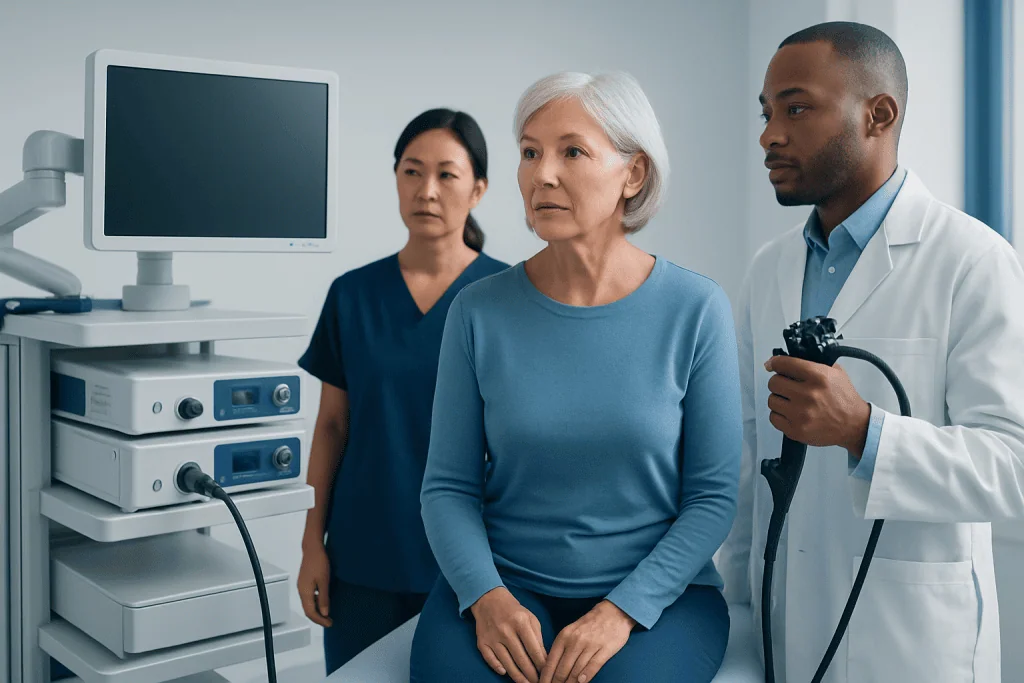
Anyone can develop colon cancer, but some people have a higher-than-average risk. Risk increases with age, especially after midlife, although younger adults can also be affected. A personal history of colon polyps, inflammatory bowel disease, or previous colorectal cancer also raises the chance of future disease.
Family history is important. A person may have a higher risk if a parent, sibling, or child has had colon cancer or advanced polyps, especially if diagnosed at a younger age. Some inherited syndromes, such as Lynch syndrome and familial adenomatous polyposis, greatly increase colon cancer risk and often require specialized screening plans.
Other conditions may contribute as well. Type 2 diabetes, obesity, physical inactivity, smoking, and high alcohol intake have all been associated with an increased risk. People living with long-term digestive conditions, including ulcerative colitis, should speak with a specialist about tailored surveillance because ongoing inflammation can increase risk over time.
Key Lifestyle Steps to Help Prevent Colon Cancer
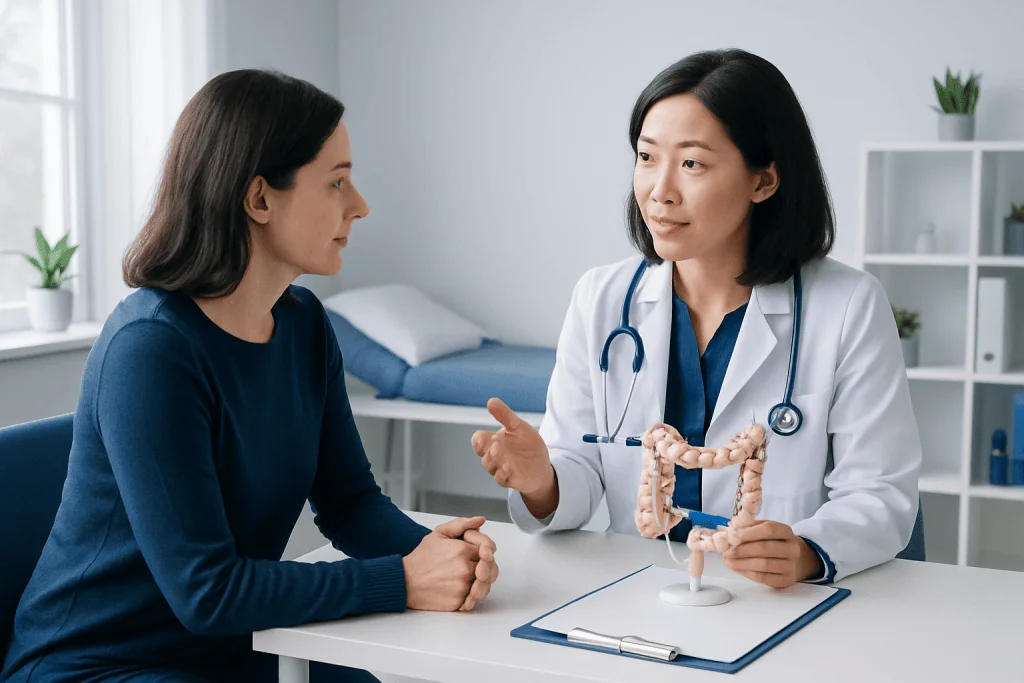
The most practical answer to how to prevent colon cancer is to focus on sustainable lifestyle habits. Regular physical activity helps support bowel health, weight control, insulin balance, and overall metabolic health. It does not need to mean intense training; consistent movement such as walking, cycling, swimming, or structured exercise most days of the week can be beneficial.
Maintaining a healthy body weight is another important step. Excess body fat, particularly around the abdomen, has been linked to a higher risk of colorectal cancer. Gradual, realistic changes in eating patterns and daily activity are often more effective than extreme diets or short-term plans.
Diet also matters. Many experts recommend a pattern of eating that emphasizes vegetables, fruits, whole grains, legumes, and other fiber-rich foods. Limiting processed meat and reducing large amounts of red meat may help lower risk. It is also wise to avoid smoking and to limit alcohol, since both can contribute to cancer risk in the digestive tract and elsewhere in the body.
- Choose more fiber-rich foods such as beans, oats, vegetables, and whole grains.
- Reduce processed meats such as sausages, bacon, and deli meats.
- Keep physically active on a regular basis.
- Work toward a healthy weight with steady, long-term habits.
- Avoid tobacco and keep alcohol intake low or avoid it altogether.
The Role of Screening in Prevention
Screening is central to colon cancer prevention because it can detect polyps before cancer develops. This is one of the clearest differences between prevention and simply finding disease early. Removing a precancerous polyp can interrupt the process that leads to cancer.
Several screening methods are available, including stool-based tests and visual exams of the colon. The best test depends on a person’s age, risk profile, symptoms, and preferences. Many people are familiar with colonoscopy, which allows a doctor to examine the colon and remove suspicious polyps during the same procedure. Other evaluations may be used depending on the situation, including endoscopic assessment of the digestive tract when symptoms need further investigation.
Screening usually begins at a standard age for adults at average risk, but earlier screening may be recommended for those with family history, inherited syndromes, or inflammatory bowel disease. It is important not to wait for symptoms, because early colon cancer and precancerous polyps often cause no warning signs. A qualified doctor can advise when to start, how often to repeat testing, and which method is most appropriate.
Diet, Nutrition, and Bowel Health
A healthy eating pattern supports colon health in several ways. Fiber helps move waste through the bowel, supports beneficial gut bacteria, and may reduce exposure of the colon lining to potentially harmful substances. Foods naturally high in fiber include vegetables, fruits, lentils, beans, nuts, seeds, and whole grains.
At the same time, it may help to limit foods associated with higher risk, especially processed meats. Highly processed diets that are low in fiber and high in calories can also make healthy weight control more difficult. This does not mean a person needs a perfect diet. Instead, the goal is a balanced eating pattern that can be maintained over time.
Some people ask whether supplements can prevent colon cancer. In general, it is safer to focus on getting nutrients from food unless a doctor recommends otherwise. If there are digestive symptoms, a history of polyps, or concerns about chronic bowel conditions such as Crohn's disease, individualized advice from a gastroenterology specialist or dietitian may be helpful.
Symptoms to Watch For and When to See a Doctor
Prevention also includes recognizing symptoms that should not be ignored. Colon cancer may cause no symptoms at first, which is why screening matters. When symptoms do appear, they can include a lasting change in bowel habits, blood in the stool, rectal bleeding, abdominal discomfort, ongoing fatigue, or unexplained weight loss.
These symptoms do not always mean cancer. Many noncancerous conditions, such as hemorrhoids, infections, or inflammatory bowel disease, can cause similar problems. Still, persistent symptoms deserve medical attention, especially if they are new, continue for more than a short time, or occur together.
A doctor may recommend tests to identify the cause. In some cases, imaging such as MRI or other diagnostic studies may be part of the workup, depending on symptoms and clinical findings. Anyone with warning signs, a strong family history, or uncertainty about screening timing should arrange a medical review rather than self-diagnosing.
Prevention Plan and Medical Support
A practical prevention plan usually combines regular checkups, age-appropriate screening, healthy daily habits, and awareness of family history. Keeping a record of relatives with colon cancer, rectal cancer, advanced polyps, or inherited syndromes can help guide screening decisions. People with higher risk may benefit from consultation with gastroenterology, genetics, or oncology specialists.
Prevention is also easier when it is approached step by step. Small changes, such as adding more vegetables, walking regularly, stopping smoking, or scheduling overdue screening, can have a meaningful impact over time. There is no need for a perfect routine; consistency matters more than intensity.
For people seeking coordinated care, Acibadem International’s multidisciplinary specialists in JCI-accredited hospitals diagnose and treat colorectal conditions for international patients. Whether the goal is prevention, screening, or evaluation of symptoms, a personalized medical plan can help clarify risk and next steps.
Frequently asked questions
Can colon cancer be prevented completely?
Colon cancer cannot always be prevented completely because some risk factors, such as age and inherited genetic conditions, cannot be changed. However, many cases may be reduced through healthy lifestyle habits and regular screening that can find and remove precancerous polyps.
What is the best screening test for colon cancer prevention?
There is no single best test for everyone. Colonoscopy is widely used because it can both detect and remove polyps, but stool-based tests and other screening methods may also be appropriate depending on a person's risk and preferences. A doctor can recommend the most suitable option.
At what age should screening for colon cancer begin?
Screening often starts in adulthood at a standard age for people at average risk, but the timing can vary by country and guideline. People with a family history, inherited syndromes, or inflammatory bowel disease may need to start earlier and be screened more often.
Does diet really affect colon cancer risk?
Yes, diet appears to play an important role in colon cancer risk. Eating more fiber-rich foods and limiting processed meats may help reduce risk, especially when combined with exercise, weight management, and avoiding tobacco.
Are colon cancer and colorectal cancer the same thing?
Colon cancer refers specifically to cancer in the colon, while colorectal cancer includes cancers of both the colon and rectum. The risk factors, screening methods, and many prevention strategies are very similar for both.
What symptoms should prompt a medical visit?
A person should see a doctor for ongoing changes in bowel habits, blood in the stool, rectal bleeding, unexplained weight loss, abdominal pain, or unusual fatigue. These symptoms are not always caused by cancer, but they should be evaluated if they persist or are concerning.
References
- World Health Organization
- American Cancer Society
- Centers for Disease Control and Prevention
- National Cancer Institute
- U.S. Preventive Services Task Force
This article is for general information only and is not a substitute for professional medical advice. Please consult a qualified doctor about your individual situation.
Colon Cancer in Turkey — costs, top hospitals & a free quote
JCI-accredited · board-certified surgeons · reply within 24h
Add us as a Preferred Source to see more of our trusted health content across Google Search, AI Overviews and Discover.
Check your numbers in seconds
BMI, calories, due date, blood pressure and 30+ more clinical calculators — free, instant, doctor-reviewed ranges.

Medical Oncology Department
Medical treatment of cancer with chemotherapy, immunotherapy and targeted therapies under a multidisciplinary tumor board.
60 specialists in this unitMore from the Health Library



Related Specialists

Prof. Dr. Ozan Kocakaya
Internal Medicine
Prof. Dr. Nadiye Köroğlu
Gynecology & Obstetrics
Dr. Hamza Furkan Şen
Gynecology & Obstetrics
Dt. Emre Orhon Kuybulu
Oral & Dental Health