How to Prevent Hip Replacement with Early Treatment

Persistent hip pain should be assessed early rather than ignored. Weight management, exercise, and physical therapy can reduce stress on the hip joint.
Key Takeaways
- Persistent hip pain should be assessed early rather than ignored.
- Weight management, exercise, and physical therapy can reduce stress on the hip joint.
- Treating underlying causes such as arthritis or structural problems may slow joint damage.
- Medications, injections, and activity changes may help some people avoid or delay surgery.
- Not every painful hip will need replacement, but worsening pain or loss of function needs medical review.
In some people, it may be possible to delay or prevent hip replacement with early treatment, especially when hip pain is caused by osteoarthritis, overuse, or correctable joint problems. Early evaluation and a personalized plan can reduce pain, improve movement, and help protect the hip joint for longer.
Overview: Can Hip Replacement Be Prevented?
Hip replacement is an effective treatment for severe joint damage, but it is not the first step for most people with hip pain. In many cases, early treatment can help reduce symptoms, improve mobility, and slow progression of the condition affecting the joint. Whether hip replacement can be prevented depends on the cause of pain, the degree of cartilage damage, age, activity level, and how early care begins.
The hip is a ball-and-socket joint that supports body weight and allows smooth movement. When cartilage wears down, inflammation develops, or the shape of the joint leads to abnormal stress, pain and stiffness can gradually increase. Common reasons people later need hip replacement include osteoarthritis, inflammatory arthritis, avascular necrosis, fractures, and some structural hip conditions that damage the joint over time.
Early treatment aims to protect the joint before damage becomes advanced. This often includes exercise therapy, weight management, pain control, correction of contributing factors, and regular medical follow-up. Some patients may also benefit from targeted procedures that address a specific problem before a full joint replacement becomes necessary.
Early Signs That Should Not Be Ignored
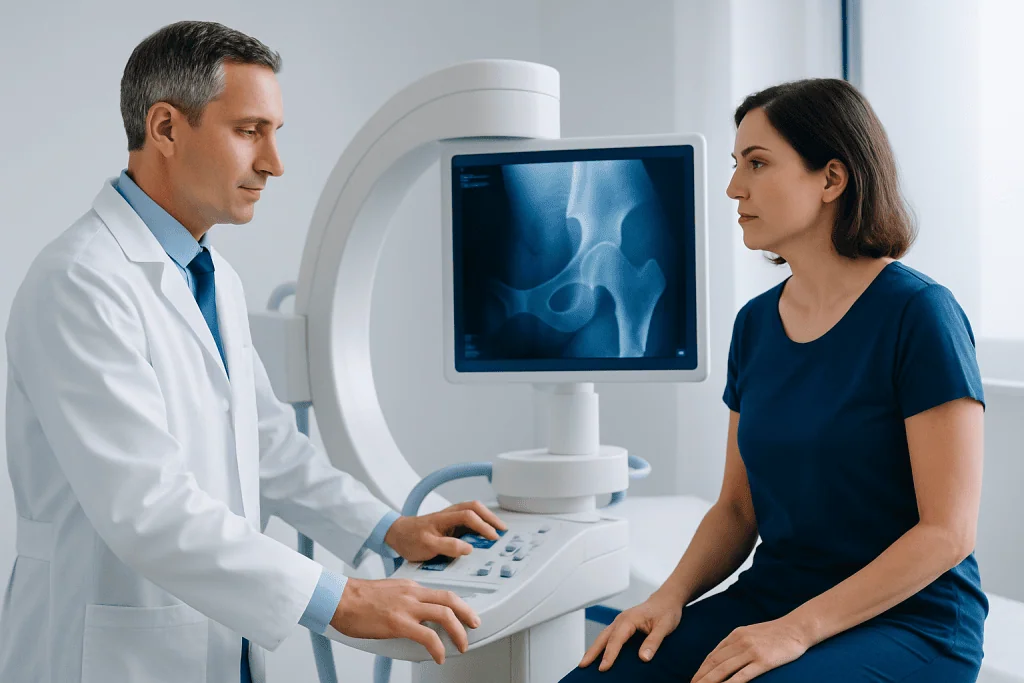
Hip problems often begin gradually. A person may notice pain in the groin, outer hip, buttock, or upper thigh, especially during walking, climbing stairs, or getting up from a chair. Stiffness after rest, reduced range of motion, and a limp are also common early warning signs.
Sometimes the pain is mild at first and comes and goes, so it is easy to dismiss. However, symptoms that continue for several weeks, return repeatedly, or interfere with daily activities deserve medical attention. Early assessment can identify whether the issue is coming from the hip joint itself or from nearby structures such as muscles, tendons, the lower back, or sacroiliac joint.
People should especially seek evaluation if they have:
- Ongoing hip or groin pain
- Morning stiffness or stiffness after sitting
- Pain with walking, sports, or standing
- Clicking, catching, or a feeling of the joint giving way
- Difficulty putting on shoes or socks
- Sleep disturbance from hip pain
Recognizing symptoms early creates the best opportunity to start non-surgical treatment and preserve joint function.
Common Causes and Risk Factors

The most common reason for progressive hip joint damage is osteoarthritis. In this condition, cartilage gradually wears away, causing pain, stiffness, and inflammation. Early osteoarthritis may respond well to activity changes, strengthening exercises, and symptom relief strategies, especially when treatment begins before major loss of joint space has occurred.
Other causes of hip pain include rheumatoid arthritis and other inflammatory diseases, tendon problems, bursitis, labral tears, femoroacetabular impingement, childhood hip disorders that affect joint shape, previous injury, and avascular necrosis, in which blood supply to part of the bone is reduced. Not all of these conditions lead to replacement, but some can cause lasting damage if overlooked.
Several risk factors can increase the chance of hip degeneration:
- Older age
- Excess body weight
- Family history of hip arthritis
- Previous hip injury or fracture
- Repetitive high-impact activity
- Poor muscle strength or limited mobility
- Inflammatory joint disease
- Long-term corticosteroid exposure in some cases
Identifying the cause is important because prevention strategies differ. A patient with arthritis may need long-term joint protection, while a younger person with a structural problem may benefit from more specific orthopedic treatment.
How Doctors Diagnose Hip Problems Early
Early diagnosis starts with a detailed history and physical examination. A doctor will ask where the pain is felt, when it started, what movements trigger it, and whether there is stiffness, limping, weakness, or difficulty with daily tasks. The examination usually includes checking walking pattern, range of motion, tenderness, strength, and signs that the pain may be coming from the spine or soft tissues rather than the hip joint itself.
Imaging tests may help confirm the cause. Standard X-rays often show arthritis, changes in joint shape, or signs of previous injury. If symptoms suggest cartilage, labrum, tendon, or early bone injury that is not clear on X-ray, MRI may be helpful. In some situations, ultrasound or CT is used to look more closely at soft tissue or bone structure.
Blood tests are not needed for every patient, but they may be used if inflammatory arthritis, infection, or another systemic condition is suspected. The goal of diagnosis is not only to name the condition, but also to find out whether it is mild, moderate, or advanced, because this guides treatment decisions and the chance of delaying surgery.
Treatment Options That May Delay or Prevent Surgery
For many patients, the first line of care is non-surgical treatment. A tailored exercise program can strengthen the muscles around the hip, improve flexibility, and reduce pressure on the joint. Physical therapy and rehabilitation is often one of the most useful early interventions because it helps improve movement patterns and supports long-term self-management.
Pain relief may include simple analgesics or anti-inflammatory medicines when appropriate, guided by a doctor who considers the person’s age, stomach, kidney, heart, and overall health. Some patients benefit from a cane used on the opposite side, supportive footwear, temporary reduction of high-impact activities, or assistive tools that make daily tasks easier. When excess body weight is contributing to symptoms, even modest weight loss can reduce load across the hip joint.
In selected cases, injections may be considered to help control pain and inflammation, particularly when symptoms flare despite exercise and medication. If there is a specific structural problem in a younger or middle-aged patient, preserving the joint with targeted orthopedic treatment may help. Examples include evaluation for hip arthroscopy in carefully chosen patients. When cartilage loss becomes severe and pain continues to limit walking, sleep, and quality of life despite appropriate conservative care, hip replacement may eventually be the most effective option.
The key point is that surgery is usually considered after reasonable non-surgical measures have been tried, unless there is major joint destruction or another urgent indication. Early treatment does not guarantee that surgery will never be needed, but it may delay it and improve function for years in some people.
Lifestyle Changes and Self-care for Hip Joint Protection
Daily habits can make a meaningful difference in hip health. Regular low-impact activity helps nourish the joint, maintain muscle strength, and prevent stiffness. Walking on even surfaces, cycling, swimming, and water exercise are commonly recommended because they place less stress on the hip than running or jumping activities.
Weight management is another important part of prevention. Extra body weight increases force across the hip joint during standing and walking. A balanced eating pattern, regular movement, and support from a clinician or dietitian can help a person work toward a healthy weight in a safe way.
Self-care measures may include:
- Doing prescribed hip and core exercises consistently
- Warming up before activity and stretching gently afterward
- Avoiding sudden increases in exercise intensity
- Choosing low-impact exercise during painful periods
- Using proper posture and body mechanics
- Stopping smoking, which supports overall bone and vascular health
People should avoid complete rest for long periods unless a doctor specifically recommends it, because inactivity can weaken muscles and worsen stiffness. The goal is usually balanced activity, not overprotection.
When to See a Doctor and When Surgery May Be Needed
A person should see a doctor if hip pain lasts more than a few weeks, keeps returning, limits walking or exercise, causes a limp, or affects sleep. Prompt evaluation is especially important after a fall or injury, or if there is sudden severe pain, fever, inability to bear weight, or significant swelling. These situations may require urgent care.
Surgery becomes more likely when joint damage is advanced and symptoms are no longer controlled with appropriate non-surgical treatment. Signs may include constant pain, major stiffness, reduced independence, and difficulty with routine tasks such as dressing, shopping, or climbing stairs. In these situations, delaying treatment too long can lead to further loss of function and reduced quality of life.
Deciding on surgery is individual. It should be based on symptoms, examination, imaging findings, health status, and the patient’s goals rather than on age alone. A thoughtful orthopedic assessment can help clarify whether continued conservative treatment is reasonable or whether replacement is likely to offer better long-term relief and mobility.
For international patients seeking evaluation, Acibadem International’s multidisciplinary specialists and JCI-accredited hospitals diagnose and treat hip conditions using both non-surgical and surgical approaches tailored to the individual.
Frequently asked questions
Can early treatment really prevent hip replacement?
In some people, yes, early treatment may delay or help prevent hip replacement for a period of time. This is most likely when the cause is identified early and managed with exercise, weight control, medication, and joint-protecting strategies. However, severe joint damage may still progress despite good care.
What is the best exercise for hip pain?
There is no single best exercise for everyone because the right program depends on the cause of the pain. In general, low-impact activities such as walking, cycling, swimming, and guided strengthening exercises are often helpful. A physiotherapist can design a safe plan based on symptoms and mobility.
Does losing weight help avoid hip surgery?
For people who are overweight, losing weight can reduce stress on the hip joint and may lessen pain during movement. It can also improve mobility and support other treatments such as exercise therapy. Weight loss alone may not solve every hip problem, but it is often an important part of joint protection.
Are hip injections a permanent solution?
Hip injections are usually used to help manage pain and inflammation, not to permanently cure the underlying condition. Some people get meaningful temporary relief, while others have less benefit. A doctor can explain whether an injection is appropriate based on the diagnosis.
When is hip replacement the right choice?
Hip replacement is usually considered when pain is severe, function is limited, and non-surgical treatment no longer provides enough relief. Imaging findings are important, but the decision also depends on how much symptoms affect daily life. An orthopedic specialist can help weigh the risks and benefits.
Should younger people with hip pain be checked early?
Yes. Younger adults may have structural hip problems, sports-related injuries, or inflammatory conditions that can worsen if left untreated. Early assessment may allow treatment that protects the joint and lowers the chance of long-term damage.
References
- World Health Organization
- American Academy of Orthopaedic Surgeons
- National Institute of Arthritis and Musculoskeletal and Skin Diseases
- National Health Service
- Arthritis Foundation
This article is for general information only and is not a substitute for professional medical advice. Please consult a qualified doctor about your individual situation.
Hip Replacement in Turkey — costs, top hospitals & a free quote
JCI-accredited · board-certified surgeons · reply within 24h
Add us as a Preferred Source to see more of our trusted health content across Google Search, AI Overviews and Discover.

Orthopedics & Spine
Care for bones, joints and the musculoskeletal system, including joint replacement, sports injuries and trauma.
125 specialists in this unit