

How to Prevent HPV Infection: Vaccination, Screening, and Safer Sex

HPV is common, but many infections can be prevented or managed early. Vaccination is one of the most effective ways to reduce the risk of HPV-related disease.
Key Takeaways
- HPV is common, but many infections can be prevented or managed early.
- Vaccination is one of the most effective ways to reduce the risk of HPV-related disease.
- Regular cervical screening helps detect cell changes before they become cancerous.
- Condoms and dental dams can lower, but not fully eliminate, HPV transmission.
- Stopping smoking and supporting immune health may help the body clear HPV more effectively.
HPV prevention focuses on lowering the chance of infection and reducing the risk of complications such as genital warts and certain cancers. The most effective approach combines vaccination, appropriate screening, safer sex practices, and open communication with healthcare professionals.
Overview: What HPV Prevention Means
Human papillomavirus, or HPV, is a very common virus that spreads mainly through intimate skin-to-skin sexual contact. There are many types of HPV. Some cause no symptoms and go away on their own, while others can lead to genital warts or increase the risk of cancers such as cervical, anal, penile, vulvar, vaginal, and some throat cancers.
Because HPV is so common, prevention is not about eliminating all risk in every situation. Instead, HPV prevention means using practical, evidence-based steps to reduce the chance of infection, identify problems early, and lower the risk of long-term complications. These steps are most effective when used together rather than alone.
The main pillars of prevention are vaccination, screening when appropriate, and safer sex practices. Lifestyle factors such as not smoking and keeping up with routine healthcare also play an important role. A calm, informed approach can help people make confident decisions for themselves and their families.
How HPV Spreads and Why Prevention Matters
HPV spreads through vaginal, anal, and oral sex, as well as close genital skin-to-skin contact. A person can have HPV without knowing it because the virus often causes no symptoms. This means transmission can happen even when neither partner has visible signs of infection.
Most HPV infections clear naturally with time, often with no lasting harm. However, some high-risk HPV types can persist in the body and cause abnormal cell changes. Over time, these changes may lead to cancer if they are not detected and treated early. Other low-risk types can cause genital warts, which are not cancerous but may still cause distress and require treatment.
Prevention matters because it can reduce both infection and disease. Vaccines protect against several of the most important HPV types. Screening can find early cervical cell changes before cancer develops. Safer sex helps reduce exposure, and prompt medical review of symptoms can support earlier diagnosis and care.
Vaccination: The Most Effective Preventive Step

The HPV vaccine is one of the most effective tools for preventing HPV-related disease. It helps protect against HPV types most strongly linked to cervical cancer and several other cancers, as well as types that commonly cause genital warts. The vaccine works best when given before exposure to HPV, which is why it is often recommended at younger ages, but many older adolescents and adults may also benefit depending on age, health guidance, and individual circumstances.
Vaccination is recommended for all eligible people, not only girls and women. Boys and men can also develop HPV-related disease and can transmit the virus to partners. Vaccinating all eligible groups broadens protection across the community and lowers the spread of infection.
The vaccine does not treat an existing HPV infection, and it does not replace screening. Even vaccinated individuals should still follow age-appropriate screening advice. Anyone with questions about timing, eligibility, or catch-up vaccination should speak with a qualified healthcare professional who can advise based on local recommendations and personal medical history.
- Vaccination is most effective before HPV exposure.
- It can protect against several high-risk and low-risk HPV types.
- It is important for people of all genders when eligible.
- Screening is still needed after vaccination.
Screening: Finding Problems Early
Screening does not prevent HPV exposure itself, but it is a key part of prevention because it can detect abnormal cervical cell changes early. Depending on age and local medical guidance, screening may involve an HPV test, a Pap test, or both. These tests look for signs that HPV may be causing changes that need monitoring or treatment.
Routine cervical screening is especially important because early cell changes usually do not cause symptoms. A person may feel completely well and still have abnormalities that need follow-up. Detecting these changes early can help prevent cervical cancer from developing.
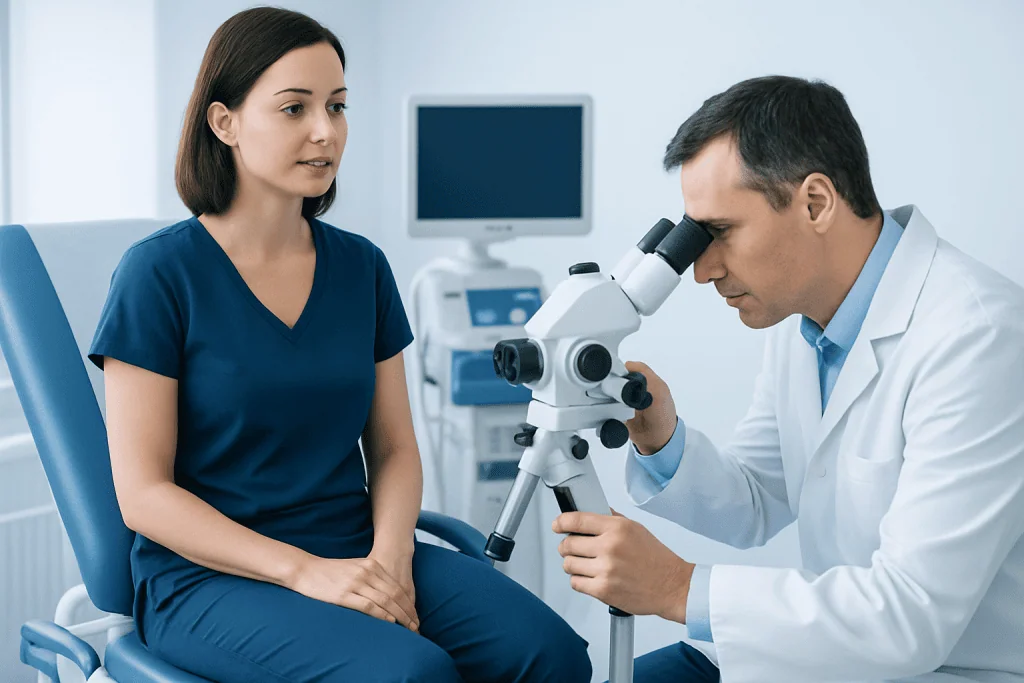
If a screening test is abnormal, it does not automatically mean cancer is present. Often, it means closer follow-up, repeat testing, or evaluation of the cervix is needed. In some cases, doctors may recommend a more detailed examination such as colposcopy to look at the cervix more closely and guide care. For people diagnosed with a related condition, learning more about cervical cancer may also be helpful as part of informed follow-up.
Safer Sex and Everyday Habits That Lower Risk
Safer sex can reduce the risk of HPV transmission, although it cannot remove it completely. Condoms and dental dams lower exposure by covering some areas involved in contact, but HPV can still spread from uncovered skin. Even so, using barrier protection consistently is a sensible and effective step that also helps protect against other sexually transmitted infections.
Limiting the number of sexual partners may reduce the chance of exposure, and honest communication with partners about sexual health can support better decision-making. Regular sexual health checkups may also be useful, especially for people with new partners or concerns about symptoms.
Everyday health habits matter too. Smoking is linked with a higher risk of persistent HPV infection and cervical cell changes, so stopping smoking can be an important preventive step. General immune support through adequate sleep, balanced nutrition, stress management, and management of chronic conditions may also help the body respond more effectively to infections.
- Use condoms or dental dams consistently.
- Discuss sexual health openly with partners.
- Avoid smoking or seek support to quit.
- Keep up with routine health visits and screening.
What to Do If There Are Symptoms or an Abnormal Test
HPV often causes no symptoms, but some people may notice genital warts, unusual bleeding, discomfort, or changes identified during screening. Any persistent symptom should be evaluated by a healthcare professional. Early assessment can help identify whether symptoms are related to HPV, another infection, or a different condition altogether.
If genital warts are present, doctors may recommend treatments to remove or reduce them. Management depends on the size, location, and number of warts, as well as patient preference and clinical judgment. Options can include topical therapies or office-based procedures such as cryotherapy in selected cases.
When abnormal cervical cell changes are found, treatment may not always be needed right away. Some changes are monitored because they can resolve on their own, while others need treatment to prevent progression. In certain situations, a doctor may advise procedures such as LEEP to remove abnormal tissue. People with persistent or more advanced disease may also need care that relates to broader HPV infection follow-up and prevention planning.
Who May Need Closer Attention
Some people may need more individualized prevention and follow-up plans. This can include those with weakened immune systems, people living with HIV, transplant recipients, and individuals taking medicines that suppress immunity. In these groups, HPV infections may be more likely to persist, and abnormal cell changes may need closer monitoring.
People with a history of abnormal cervical screening results, genital warts, or HPV-related disease may also need more frequent review based on medical advice. This does not mean serious illness is inevitable. It simply means regular follow-up can help detect changes at an earlier and more manageable stage.
Age, personal history, sexual history, and the type of screening result all influence what follow-up is appropriate. A healthcare professional can explain what a result means, what the next step is, and how often follow-up is needed. Tailored care is often the best way to reduce uncertainty and support long-term health.
When to See a Doctor and Getting Support
A doctor should be consulted for any unexplained genital growths, persistent itching, unusual bleeding, pain during sex, or if a screening test comes back abnormal. It is also wise to ask about HPV vaccination if there is any uncertainty about eligibility. People who are pregnant, immunocompromised, or have a history of HPV-related disease should follow medical advice closely.
Many people feel worried or embarrassed when discussing HPV, but healthcare professionals are used to these conversations and can provide practical, nonjudgmental guidance. In most cases, HPV can be managed effectively through monitoring, treatment when needed, and regular preventive care.
For international patients who need evaluation or treatment, Acibadem International’s multidisciplinary specialists and JCI-accredited hospitals provide diagnosis and care for HPV-related conditions. The most important first step is to seek advice from a qualified doctor and follow a prevention plan that includes vaccination, screening, and safer sex.
Frequently asked questions
Can HPV be completely prevented?
No method can remove all risk, because HPV can spread through skin-to-skin sexual contact, including areas not covered by condoms. However, vaccination, regular screening, and safer sex can significantly reduce the risk of infection and related health problems.
If someone has had the HPV vaccine, do they still need screening?
Yes. The HPV vaccine protects against several important HPV types, but it does not cover every type and does not treat existing infection. Regular cervical screening remains important according to age and local medical guidance.
Can condoms protect against HPV?
Condoms can lower the risk of HPV transmission, but they do not provide complete protection. This is because HPV can infect nearby skin that is not fully covered. Even so, consistent condom use is still strongly recommended.
Does HPV always cause symptoms?
No. In fact, HPV often causes no symptoms at all, which is one reason it spreads so easily. Some people only learn about it after screening detects abnormal cell changes or when genital warts appear.
Who should consider the HPV vaccine?
The vaccine is generally recommended for eligible children, adolescents, and many young adults, and some older adults may also benefit depending on individual circumstances and local guidance. A doctor can advise whether vaccination is appropriate based on age, prior vaccination status, and health history.
What happens if an HPV test or Pap test is abnormal?
An abnormal result does not automatically mean cancer is present. It usually means more follow-up is needed, such as repeat testing, closer monitoring, or a more detailed examination of the cervix. A healthcare professional will explain the result and recommend the next step.
References
- World Health Organization
- Centers for Disease Control and Prevention
- American College of Obstetricians and Gynecologists
- National Cancer Institute
- International Agency for Research on Cancer
This article is for general information only and is not a substitute for professional medical advice. Please consult a qualified doctor about your individual situation.
Explore treatments in Turkey — costs, top hospitals & a free quote
JCI-accredited · board-certified surgeons · reply within 24h
Add us as a Preferred Source to see more of our trusted health content across Google Search, AI Overviews and Discover.

More from the Health Library



Related Specialists

Dr. Nuri Soysal
Aesthetic Plastic & Reconstructive Surgery
Dr. Eda Tokuçcu
Cardiology
Dr. Özlem Akın Çakıcı
Dermatology
Fzt. Neslihan Yıldızdağı
Pediatric Rehabilitation