

How to Prevent Sweating Under Armpits? A Doctor-Reviewed Answer

Most underarm sweating is harmless and can be managed with daily antiperspirant use and lifestyle adjustments. Antiperspirants reduce sweat production, whereas deodorants mainly reduce odor.
Key Takeaways
- Most underarm sweating is harmless and can be managed with daily antiperspirant use and lifestyle adjustments.
- Antiperspirants reduce sweat production, whereas deodorants mainly reduce odor.
- Excessive sweating that affects daily life may be a condition called primary focal hyperhidrosis.
- Sudden new sweating, night sweats, or sweating with chest pain, fainting, or shortness of breath needs medical assessment.
- Doctors can offer prescription products, medicines, injections, and procedures when basic measures are not enough.
Underarm sweating is very common and is usually a normal way for the body to regulate temperature. It can often be reduced with correctly used antiperspirants, practical clothing choices, and medical treatments when sweating is persistent, distressing, or disproportionate to heat and activity.
How to Prevent Sweating Under Armpits
For most people wondering how to prevent sweating under armpits, the most effective first step is to use an antiperspirant correctly: apply it to completely dry skin in the evening, allow it to dry, and wash it off in the morning if preferred. Wearing breathable clothing, managing heat and stress triggers, and changing damp garments can also make underarm sweating less noticeable.
Underarm sweating is often harmless. Sweat helps the body cool itself during warm weather, exercise, emotional stress, fever, and other normal situations. However, sweating may need medical attention if it begins suddenly, is severe enough to interfere with work or social life, occurs during sleep without an obvious reason, or comes with symptoms such as chest pain, breathlessness, fever, unexplained weight loss, tremor, or palpitations.
A doctor can assess whether sweating is a normal response, primary focal hyperhidrosis, or a symptom of another health condition or medication effect. Evaluation is usually straightforward and starts with a discussion of symptoms, medical history, medicines, and any associated signs.
Why Underarms Sweat
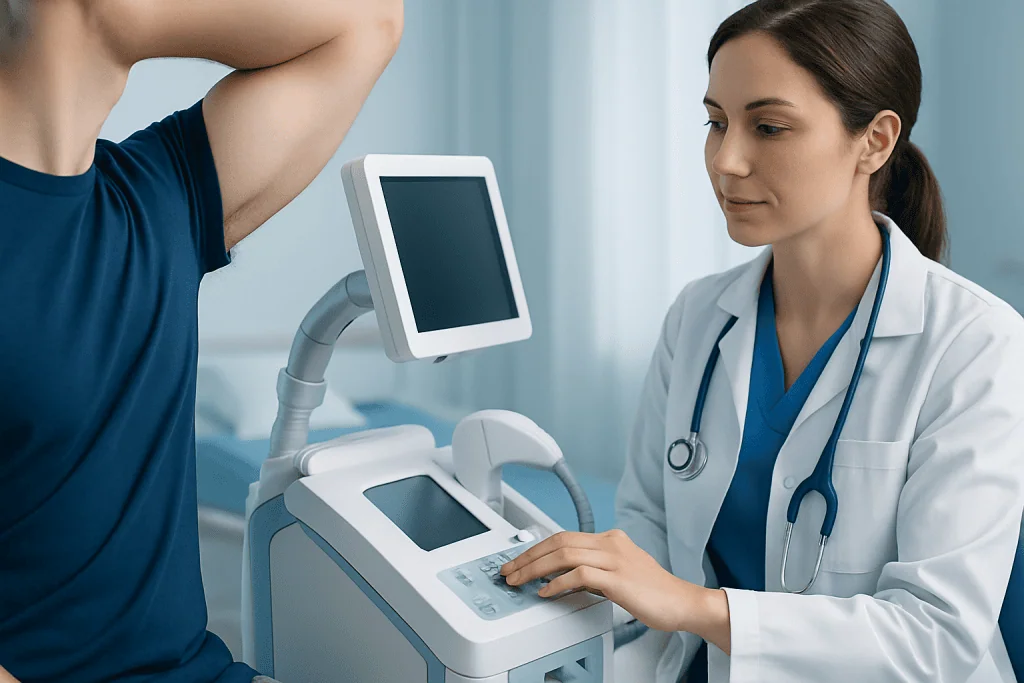
The body has millions of sweat glands that release fluid onto the skin. As sweat evaporates, it removes heat and helps control body temperature. The underarms contain a high concentration of sweat glands, including apocrine glands, which produce a thicker secretion that can develop an odor when it mixes with skin bacteria.
Sweating can increase with heat, physical activity, tight or non-breathable clothing, spicy foods, alcohol, caffeine, anxiety, and emotional situations. Hormonal changes, including those during menopause, may also cause episodes of increased sweating. These patterns are often temporary and do not necessarily indicate a medical problem.
Some people sweat more than expected even when they are not hot or physically active. When excessive sweating affects one or more specific areas, such as the underarms, hands, feet, face, or scalp, and has no identifiable underlying cause, it may be called primary focal hyperhidrosis. This condition is not dangerous, but it can be uncomfortable and can affect confidence, clothing choices, work, and relationships.
Daily Steps That Can Reduce Underarm Sweating

Antiperspirant is the main over-the-counter option for reducing sweat. Unlike deodorant, which primarily masks odor or reduces odor-causing bacteria, antiperspirant temporarily blocks sweat ducts near the skin surface. Products containing aluminum salts are commonly used and are available in sprays, sticks, roll-ons, gels, and creams.
For best results, antiperspirant should be applied at night to clean, fully dry underarm skin, when sweat glands are generally less active. It should not be applied immediately after shaving or onto irritated, broken, or recently waxed skin, as this can cause stinging or a rash. A person may start by using it nightly for several days, then reduce use to the frequency that keeps symptoms controlled.
Helpful practical measures include choosing loose, lightweight fabrics such as cotton or moisture-wicking materials; wearing an undershirt or absorbent underarm pads; keeping a spare top available when needed; and changing clothes after exercise. Reducing personal triggers, such as hot drinks, alcohol, spicy foods, or excess caffeine, may help some people. Relaxation techniques, regular sleep, and stress-management support can also be useful when anxiety is a clear trigger.
- Choose antiperspirant rather than deodorant when the goal is to reduce wetness.
- Allow antiperspirant to dry completely before dressing.
- Use gentle, fragrance-free products if the skin is sensitive.
- Wash regularly and dry the underarms carefully to help reduce odor and irritation.
When Sweating May Be Hyperhidrosis or Another Condition
Primary focal hyperhidrosis often starts in childhood, adolescence, or early adulthood. It commonly affects both underarms in a similar way and may occur at least weekly while a person is awake. It is not caused by poor hygiene, and it is not simply a matter of being nervous. Family history can be present, suggesting that inherited factors may play a role.
Secondary sweating occurs because of another factor, such as a medical condition, hormonal change, infection, low blood sugar, or a medicine. Examples of possible contributors include thyroid disorders, diabetes, menopause, some infections, neurological conditions, and certain antidepressants, pain medicines, or fever-reducing medicines. A clinician will consider these possibilities based on the person’s age, health history, symptoms, and examination.
Night sweats deserve particular attention when they repeatedly soak clothes or bedding, especially if they are new or accompanied by fever, fatigue, swollen glands, or unexplained weight change. Not all night sweating has a serious cause; a warm room, heavy bedding, menopause, or temporary illness can contribute. Still, persistent or unexplained symptoms should be discussed with a qualified doctor.
How a Doctor Assesses Excessive Underarm Sweating
A medical assessment usually begins with questions about when sweating started, which body areas are affected, whether it happens during sleep, and how much it interferes with daily activities. The doctor may ask about triggers, family history, recent illness, menstrual or menopausal symptoms, mood symptoms, and all prescription, over-the-counter, and herbal products being used.
The physical examination may include checking the skin and looking for signs that point to a hormonal, metabolic, infectious, or neurological cause. In many people with a typical pattern of primary focal hyperhidrosis, no extensive testing is required. If symptoms are new, generalized, or linked with other concerns, blood tests or other investigations may be recommended to look for an underlying cause.
Keeping a brief symptom diary before an appointment can be useful. It may include the timing of sweating episodes, food and drink triggers, stress levels, sleep symptoms, treatments already tried, and whether clothing must be changed. This information can help the doctor distinguish everyday sweating from a condition requiring targeted care.
Medical Treatment Options for Persistent Underarm Sweating
If standard antiperspirants do not provide enough relief, a doctor may recommend a prescription-strength topical antiperspirant or other prescription skin treatment. These products can be effective but may cause dryness, itching, or irritation, particularly in sensitive skin. A clinician can advise on safer application and options for minimizing irritation.
Botulinum toxin injections can temporarily reduce underarm sweating by blocking nerve signals that activate sweat glands. The procedure is performed by a trained clinician, and the effect gradually wears off, so repeat treatment may be needed. Some people may also be candidates for oral medicines that reduce sweating, although these can have side effects such as dry mouth, constipation, blurred vision, or urinary difficulties and require individualized medical advice.
For selected people with severe, treatment-resistant underarm hyperhidrosis, clinicians may discuss device-based procedures or surgery. These options are considered carefully because they may have limitations and potential side effects, including increased sweating in other body areas after certain surgical procedures. The best approach depends on symptom severity, medical history, treatment preferences, and the impact on quality of life.
Acibadem International’s multidisciplinary specialists in JCI-accredited hospitals can assess excessive sweating and discuss appropriate diagnostic and treatment options for international patients.
When to Seek Medical Care
A non-urgent medical appointment is appropriate when underarm sweating is frequent, embarrassing, painful, causes skin irritation, damages clothing, disrupts work or school, or does not improve with properly used over-the-counter antiperspirants. It is also sensible to seek advice if sweating has started after beginning a new medicine or if it occurs with symptoms that could suggest a hormonal or metabolic change.
Prompt medical assessment is important for sweating that begins suddenly or is accompanied by chest pain, shortness of breath, fainting, severe weakness, confusion, a fast or irregular heartbeat, or symptoms of low blood sugar. Emergency care may be needed in these situations, particularly if symptoms are severe or new.
A person should also arrange medical review for repeated drenching night sweats, fever, unexplained weight loss, persistent cough, swollen lymph nodes, or ongoing fatigue. These symptoms do not automatically mean a serious condition is present, but they should be evaluated rather than self-treated. Getting medical advice can provide reassurance and ensure that any underlying cause is addressed appropriately.
Frequently asked questions
Can deodorant prevent underarm sweating?
Deodorant mainly helps control underarm odor by reducing odor-causing bacteria or masking smell. It does not usually reduce the amount of sweat produced. An antiperspirant is the more suitable product when wetness is the main concern.
Why do my armpits sweat when I am not hot?
Emotional stress, anxiety, caffeine, hormonal changes, and primary focal hyperhidrosis can cause sweating even in a cool environment. Some medicines and medical conditions can also contribute. If this is new, severe, or affecting daily life, a doctor can help identify the cause.
Should antiperspirant be used at night or in the morning?
Many people get better results by applying antiperspirant at night to clean, completely dry skin. This gives the active ingredient time to form temporary plugs in the sweat ducts. It can be washed off in the morning if desired, while its sweat-reducing effect may continue.
Can shaving make underarm sweating worse?
Shaving does not increase sweat production. However, freshly shaved skin can be more sensitive, and applying antiperspirant immediately afterward may cause burning, itching, or irritation. Waiting until the skin has recovered and using a gentle product may be more comfortable.
Is excessive underarm sweating a sign of poor hygiene?
No. Excessive sweating is not caused by poor hygiene and can happen in people who wash regularly. Hygiene can help manage odor and protect the skin, but persistent excessive sweating may require antiperspirants or medical treatment.
Can anxiety cause excessive underarm sweating?
Yes, anxiety and stress can activate the body’s sweating response and make underarm wetness more noticeable. However, not everyone with excessive sweating has anxiety, and anxiety is not the only possible cause. A doctor can help assess persistent symptoms and discuss appropriate management.
References
- American Academy of Dermatology Association
- International Hyperhidrosis Society
- Mayo Clinic
- National Health Service
- Merck Manual Consumer Version
This article is for general information only and is not a substitute for professional medical advice. Please consult a qualified doctor about your individual situation.
Explore treatments in Turkey — costs, top hospitals & a free quote
JCI-accredited · board-certified surgeons · reply within 24h
Add us as a Preferred Source to see more of our trusted health content across Google Search, AI Overviews and Discover.

More from the Health Library



Related Specialists
Prof. Dr. Murat Gönenç
General Surgery
Prof. Dr. Metin Uzun
Orthopedic Surgery & Traumatology
Prof. Dr. Tolga Ergin
Gynecology & Obstetrics
Dr. Nesibe Sönmez Demiryoğuran
Emergency Service