How to Remove Mucus from Your Lungs Naturally

Mucus in the lungs is often linked to colds, flu, allergies, asthma, smoking, or lung infections. Drinking fluids, breathing humidified air, and avoiding smoke can help loosen and clear mucus.
Key Takeaways
- Mucus in the lungs is often linked to colds, flu, allergies, asthma, smoking, or lung infections.
- Drinking fluids, breathing humidified air, and avoiding smoke can help loosen and clear mucus.
- Controlled coughing, postural drainage, and gentle exercise may help move phlegm out of the airways.
- Persistent, worsening, or bloody mucus should be assessed by a doctor.
- Natural measures can support comfort, but they do not replace treatment for pneumonia, asthma flare-ups, or other lung conditions.
Mucus helps protect the airways, but too much can make breathing feel heavy and uncomfortable. Many people can ease chest mucus naturally with hydration, humidified air, gentle movement, and airway-clearing techniques, while knowing when medical advice is needed.
Overview: Why Mucus Builds Up in the Lungs
Mucus is a normal, protective substance made by the lining of the airways. It traps dust, germs, and other particles so they can be moved out of the lungs. Small hair-like structures called cilia help sweep mucus upward, where it can be coughed out or swallowed without notice.
Problems usually begin when the body makes too much mucus or when the mucus becomes thick and sticky. This can happen during a cold, after exposure to smoke or air pollution, or with long-term respiratory conditions. The result may be chest congestion, frequent throat clearing, a wet cough, or a feeling that it is hard to take a full breath.
Natural strategies can often help loosen secretions and make them easier to clear. These approaches focus on supporting the body’s normal clearing process. Still, thick mucus can sometimes signal a more serious issue, such as infection, asthma, or chronic lung disease, so ongoing symptoms should not be ignored.
Common Symptoms of Excess Lung Mucus
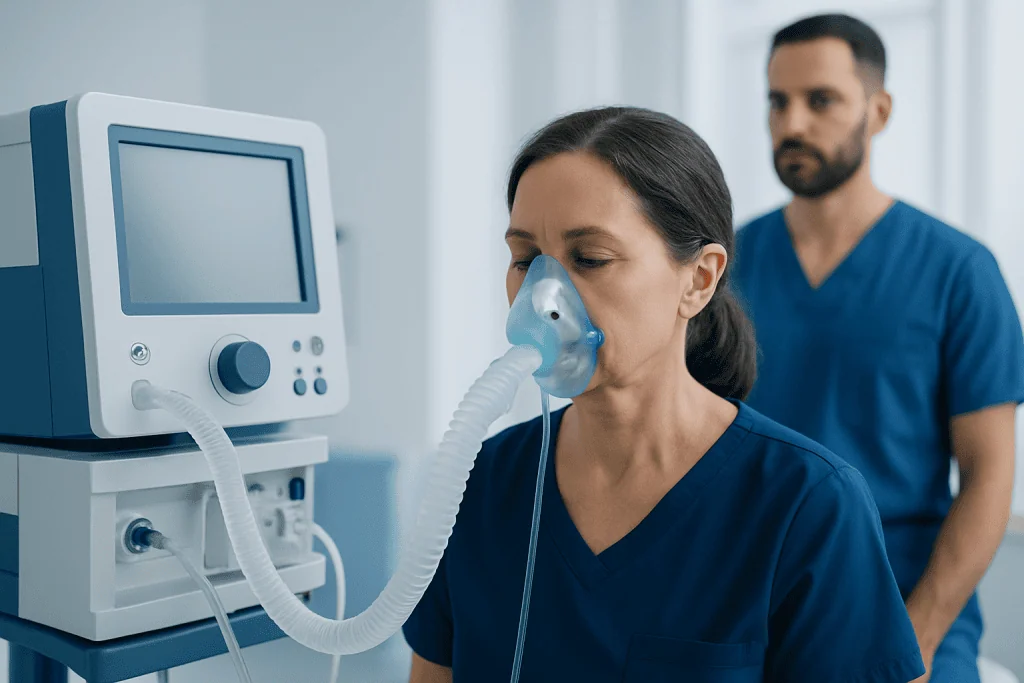
Excess mucus in the lungs may feel different from person to person. Some people notice a rattling sensation in the chest, while others mainly have a productive cough that brings up phlegm. The mucus may be clear, white, yellow, or green, depending on the cause and how long symptoms have been present.
Common symptoms can include chest congestion, coughing, wheezing, throat irritation, noisy breathing, and mild shortness of breath. Some people also feel tired because coughing can interrupt sleep and make daily activities more uncomfortable. Mucus may seem worse in the morning, after lying flat, or during a respiratory infection.
A change in mucus can provide useful clues, but color alone does not always show whether antibiotics are needed. If mucus is accompanied by fever, chest pain, worsening breathlessness, or blood, medical evaluation is important.
- Wet or productive cough
- Chest tightness or heaviness
- Wheezing or crackling sounds
- Frequent throat clearing
- Shortness of breath during activity
Causes and Risk Factors

Temporary mucus buildup is often caused by viral infections such as the common cold or flu. Allergies can also increase mucus production, especially when postnasal drip irritates the throat and airways. Environmental irritants such as cigarette smoke, dust, chemical fumes, and dry air may further thicken secretions.
Some people produce excess mucus because of an underlying lung condition. Examples include asthma, chronic bronchitis, chronic obstructive pulmonary disease, and bronchiectasis. In some cases, chest congestion may also occur with pneumonia or after a recent respiratory illness. Gastroesophageal reflux can sometimes worsen coughing and throat mucus as well.
Risk factors include smoking, secondhand smoke exposure, dehydration, older age, limited mobility, and certain chronic illnesses. People with weakened immune systems may be more likely to develop infections that increase lung mucus. If chest mucus keeps returning, it is sensible to look for the underlying reason rather than relying only on home remedies.
Natural Ways to Help Remove Mucus from the Lungs
One of the simplest and most effective measures is staying well hydrated. Water, warm soups, and other non-caffeinated fluids can help thin mucus, making it easier to cough out. Many people also find that warm drinks are soothing for the throat and chest during a cold.
Humidified air may also help. Using a cool-mist humidifier, taking a warm shower, or breathing in steam from a steamy bathroom can add moisture to the airways and loosen thick secretions. The humidifier should be cleaned regularly to reduce mold and bacteria buildup. Direct exposure to very hot steam should be avoided to prevent burns.
Breathing and coughing techniques can help move mucus upward. Slow deep breathing, followed by a controlled cough or “huff cough,” may clear secretions more comfortably than repeated forceful coughing. Gentle walking and light movement can also help expand the lungs and encourage natural drainage, especially after long periods of rest.
Some people benefit from changing position to help mucus drain, a method sometimes called postural drainage. Lying or sitting in positions that allow gravity to assist mucus movement may make coughing more productive. If symptoms are frequent or linked to a chronic condition, a doctor may suggest respiratory therapy to learn safe airway-clearance techniques.
Supportive Self-Care and What to Avoid
Rest is important because the body clears infections and inflammation more effectively when it is not overworked. Eating regular, nourishing meals and taking enough fluids can support recovery. If the throat feels irritated, warm liquids, honey in adults and children over one year, and avoiding very cold dry air may provide comfort.
Avoiding irritants is just as important as using soothing measures. Smoking and vaping can increase inflammation and slow the lungs’ natural cleaning system. Strong perfumes, household sprays, wood smoke, and dusty environments may also make congestion worse. If possible, keeping indoor air clean and well ventilated can help.
Over-the-counter products may be used by some people, but they are not always necessary and may not suit everyone, especially children, older adults, or people with certain medical conditions. A pharmacist or doctor can advise whether a mucus-thinning or cough medicine is appropriate. Natural measures work best when they are combined with treatment of the underlying cause, such as allergy control or asthma care.
Diagnosis and Medical Treatment When Needed
If mucus is severe, long-lasting, or keeps returning, a doctor may look for the cause with a physical examination and a review of symptoms. They may ask how long the cough has lasted, whether there is fever or wheezing, and whether smoking, allergies, reflux, or chronic lung disease could be playing a role.
Tests are not always needed, but sometimes doctors recommend a chest X-ray, breathing tests, blood tests, or sputum analysis. In more complex cases, advanced imaging or specialist assessment may be useful. People with repeated infections or persistent shortness of breath may need evaluation for conditions such as COPD or bronchiectasis.
Treatment depends on the cause. Viral illnesses often improve with time and supportive care, while bacterial infections may require antibiotics. Asthma or COPD may need inhaled medicines, and severe or unexplained symptoms may need input from a pulmonology team. In selected cases, doctors may advise bronchoscopy to examine the airways more closely or remove a blockage.
When to See a Doctor
Medical advice is important if chest mucus lasts longer than a few weeks, returns often, or is getting worse instead of better. A doctor should also assess symptoms that interfere with sleep, normal breathing, or daily activity. This is especially true for older adults, pregnant people, and anyone with asthma, COPD, heart disease, or a weakened immune system.
Urgent care is needed for severe shortness of breath, blue lips, confusion, chest pain, coughing up blood, or signs of dehydration. High fever, shaking chills, and a fast decline in breathing can also suggest a more serious infection. These symptoms should not be managed with home remedies alone.
For international patients who need further assessment, Acibadem International’s multidisciplinary specialists in JCI-accredited hospitals diagnose and treat respiratory conditions with a personalized approach. The most important step is timely evaluation when symptoms are persistent, troubling, or unusual.
Frequently asked questions
What naturally loosens mucus in the lungs?
Fluids, humidified air, warm showers, and gentle breathing exercises can help loosen mucus. Light movement and controlled coughing may also make it easier to bring phlegm up. These measures support the lungs' normal clearing process.
Is steam good for chest mucus?
Steam or moist air can help some people feel more comfortable and may loosen thick secretions. A warm shower or a cool-mist humidifier is usually safer than very hot steam. Care should be taken to avoid burns, especially in children.
Does coughing help remove mucus from the lungs?
Yes, coughing is one of the body’s natural ways of clearing mucus. A controlled or huff cough is often more effective and less tiring than repeated harsh coughing. If coughing is constant, painful, or causes breathlessness, medical advice is a good idea.
When should mucus in the lungs be checked by a doctor?
A doctor should assess mucus that lasts more than a few weeks, keeps coming back, or is associated with fever, wheezing, or shortness of breath. Coughing up blood, chest pain, or severe breathing difficulty needs urgent medical care. Persistent symptoms may point to infection, asthma, or another lung condition.
Can dehydration make chest mucus worse?
Yes, dehydration can make mucus thicker and harder to clear. Drinking enough fluids may help thin secretions and support easier coughing. This is one reason hydration is often recommended during colds and chest congestion.
Are natural remedies enough for all causes of lung mucus?
No, natural remedies can relieve symptoms, but they do not treat every cause. Pneumonia, asthma flare-ups, COPD, and some bacterial infections may need medical treatment. If symptoms are severe, persistent, or unusual, a qualified doctor should be consulted.
References
- World Health Organization
- National Heart, Lung, and Blood Institute
- American Lung Association
- National Health Service
- Centers for Disease Control and Prevention
This article is for general information only and is not a substitute for professional medical advice. Please consult a qualified doctor about your individual situation.
Hair transplant in Turkey — costs, graft counts & a free assessment
JCI-accredited · board-certified surgeons · reply within 24h
Add us as a Preferred Source to see more of our trusted health content across Google Search, AI Overviews and Discover.