How to Repair Myelin Sheath Naturally: Procedure, Recovery and Results

Myelin is a protective coating around many nerve fibers that helps electrical signals travel efficiently. Lifestyle measures can support overall nervous system health, but they cannot replace diagnosis or disease-specific treatment.
Key Takeaways
- Myelin is a protective coating around many nerve fibers that helps electrical signals travel efficiently.
- Lifestyle measures can support overall nervous system health, but they cannot replace diagnosis or disease-specific treatment.
- Some causes of myelin damage are partly reversible, while others require long-term management to prevent further injury.
- Recovery varies widely according to the cause, location and severity of nerve damage, as well as timely treatment.
- New remyelination therapies are under study, but most are not yet established routine treatments.
There is no proven natural procedure that reliably rebuilds a damaged myelin sheath. However, nutrition, physical activity, sleep, avoiding toxins and treating the underlying condition can support nerve health and may complement medical care for myelin-related disorders.
Overview: What Myelin Does and Why It Matters
Myelin is a fatty, insulating layer that covers many nerve fibers in the brain, spinal cord and peripheral nerves. It helps nerve signals move quickly and accurately, supporting movement, sensation, vision, balance and other body functions. When myelin is damaged, messages between the brain and body may slow down or become disrupted.
People searching for how to repair myelin sheath naturally often want a direct way to restore nerve function. Healthy habits can create better conditions for nervous system health, but no diet, supplement, detox or home procedure has been proven to regenerate myelin reliably in people. The most important step is identifying why myelin may be affected, because treatment and outlook depend on the cause.
Myelin damage can occur in inflammatory disorders, nutritional deficiencies, infections, inherited conditions, toxic exposures and injuries. In the central nervous system, myelin is made by oligodendrocytes; in peripheral nerves, it is made by Schwann cells. These systems can repair myelin to differing degrees, but the process is not always complete.
How Can I Regenerate My Myelin Sheath Naturally?
Natural measures cannot be considered a substitute for remyelination treatment, but they may support the body’s general capacity for nerve maintenance and recovery. A balanced eating pattern that provides adequate protein, healthy fats, vegetables, fruits, whole grains and key micronutrients is a sensible foundation. Vitamin B12, folate, vitamin D, copper and vitamin E are important for neurological health, but supplements should be used only when a clinician identifies a deficiency or a clear need.
Regular physical activity, adapted to a person’s abilities and symptoms, can support strength, cardiovascular fitness, mood and rehabilitation. Sleep is also important because it supports brain function, immune regulation and recovery. Avoiding smoking, excessive alcohol use and recreational drugs helps reduce potentially preventable nerve injury.
People should be cautious about products marketed as myelin-repair supplements. Claims for high-dose vitamins, herbal blends, restrictive diets or unregulated treatments may not be supported by reliable human evidence, and some products can interact with medicines or cause harm. A neurologist or registered dietitian can help develop a safe plan that fits the underlying diagnosis.
- Eat a varied, nutrient-dense diet rather than relying on a single “nerve healing” food.
- Address confirmed nutritional deficiencies with professional guidance.
- Stay physically active within safe limits and consider rehabilitation when symptoms affect function.
- Protect sleep, manage long-term conditions and avoid tobacco and neurotoxic substances.
Causes, Candidacy and the Clinical Assessment Process

Before discussing repair, clinicians determine whether symptoms are truly related to myelin injury. Symptoms may include numbness, tingling, weakness, balance difficulty, vision changes, coordination problems, pain or fatigue. These symptoms are common and can have many explanations, including conditions that do not primarily involve myelin.
Potential causes include inflammatory demyelinating diseases such as multiple sclerosis, peripheral neuropathies, vitamin B12 deficiency, diabetes, certain infections, autoimmune disorders, inherited nerve conditions, medicines and toxin exposure. Some conditions affect the brain and spinal cord, while others affect peripheral nerves outside the central nervous system.
There is no universal “candidacy” for a natural myelin repair procedure, because no such proven procedure exists. Instead, a person may be a candidate for targeted treatment, rehabilitation, nutritional correction or monitoring after a neurological assessment. Earlier evaluation may help prevent complications when symptoms are new, worsening or associated with loss of function.
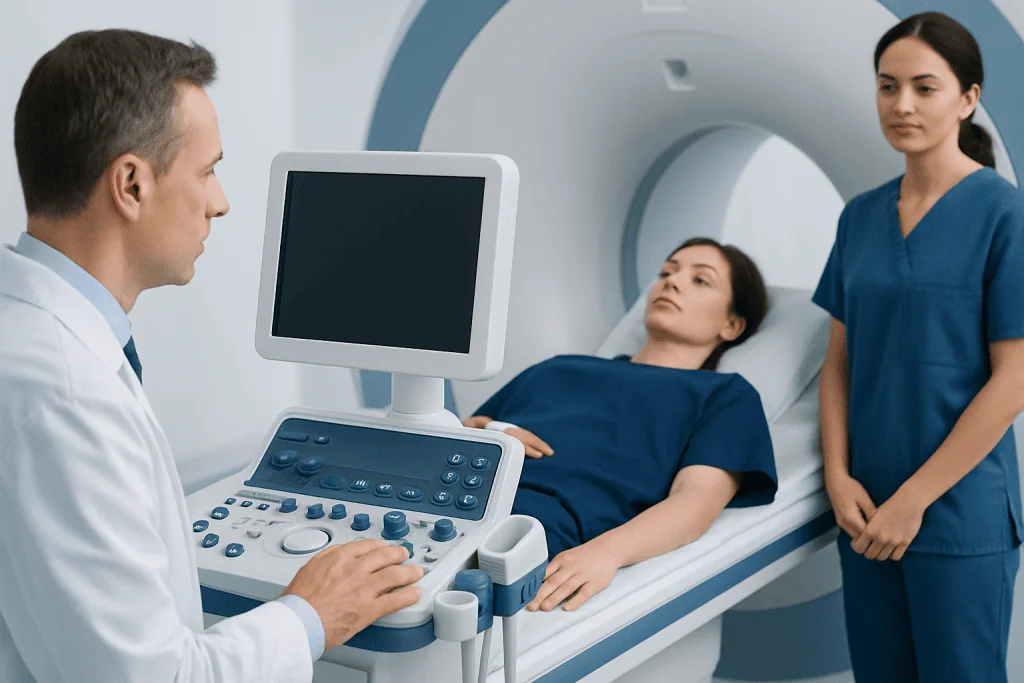
The assessment usually begins with a medical history and neurological examination. Depending on the concern, clinicians may request blood tests, magnetic resonance imaging, nerve conduction studies, electromyography, spinal fluid testing or other specialist investigations. These tests help distinguish active inflammation, nutritional issues, structural problems and other possible causes.
Step-by-Step: How Medical Care Supports Myelin Recovery
Although lifestyle has an important supportive role, medical care is the pathway used to address myelin damage. The first step is to confirm the diagnosis and determine whether symptoms suggest an urgent or treatable cause. A clinician then develops a plan based on the site of nerve involvement, disease activity, overall health and daily functional needs.
Second, treatment focuses on the underlying condition. For example, a nutritional deficiency may need replacement therapy, an autoimmune condition may require immune-directed treatment, and metabolic problems such as diabetes need careful management. In some cases, rehabilitation is an essential part of care, helping a person regain mobility, coordination, endurance or independence.
Third, follow-up monitoring helps clinicians assess symptoms, side effects, test results and disease activity. Plans may change over time, particularly if new symptoms occur. Neurology evaluation and treatment can bring together diagnostic testing, condition-specific management and rehabilitation planning when myelin-related symptoms are suspected.
Supportive care may include physiotherapy, occupational therapy, speech and swallowing assessment, pain management, vision assessment or psychological support. These interventions do not directly replace myelin, but they can improve safety, function and quality of life during recovery or long-term management.
How Long Does It Take to Rebuild the Myelin Sheath?
There is no fixed timeline for rebuilding myelin. Recovery can range from weeks to months, and some people have ongoing symptoms or incomplete recovery. The timeline depends on the cause of damage, whether inflammation is controlled, the extent of injury, a person’s age and health, and whether the affected nerves are in the central or peripheral nervous system.
In some temporary or reversible causes, such as a corrected nutrient deficiency or a successfully treated inflammatory episode, symptoms may improve gradually after treatment begins. Nerves and the nervous system often recover slowly, and symptom improvement may continue after the original problem has been addressed. However, longstanding or severe damage may leave persistent symptoms.
It is important not to judge recovery solely by day-to-day changes. Fatigue, heat, stress, infection and sleep disruption can temporarily make neurological symptoms feel worse. Regular review with the treating team provides a more reliable picture of improvement and helps identify when further evaluation is needed.
Can You Reverse Myelin Sheath Damage?
Myelin sheath damage can sometimes be partly repaired, but complete reversal is not possible in every case. The nervous system has some natural remyelination ability, especially when the injury is limited and the cause is treated early. If nerve fibers themselves have been severely damaged, recovery may be more limited even if some myelin repair occurs.
Conditions with repeated inflammation or progressive nerve injury may require long-term treatment designed to reduce future damage. In these situations, the goals are often to control disease activity, preserve function, manage symptoms and support participation in daily life. A realistic plan is individualized and should not rely on promises of a cure.
The benefits of appropriate treatment can include fewer or less severe symptoms, improved function, reduced risk of further injury in some conditions and better confidence in managing health. Risks depend on the specific therapy and may include medication side effects, treatment interactions or delays caused by self-treating without a diagnosis. Discussing benefits and risks with a qualified clinician is essential.
How Close Are We to Myelin Repair?
Research into remyelination is active and promising, particularly for conditions that damage myelin in the brain and spinal cord. Scientists are studying ways to protect nerve cells, encourage myelin-producing cells to mature, reduce harmful inflammation and improve the environment around injured nerves. These approaches may eventually complement treatments that control immune activity or address other causes of damage.
However, most experimental remyelination approaches are not yet standard medical care. Findings from laboratory studies or early clinical trials do not necessarily mean that a treatment is proven safe or effective for broad use. People considering clinical trials should discuss eligibility, potential benefits, uncertainties and risks with a specialist.
A person should also be wary of clinics or online sellers claiming to offer guaranteed myelin regeneration. Evidence-based care involves a clear diagnosis, transparent discussion of expected outcomes and appropriate monitoring. At Acibadem International, multidisciplinary specialists in JCI-accredited hospitals can assess and treat neurological conditions for international patients.
When to Seek Medical Care
Medical assessment is advisable for persistent or unexplained tingling, numbness, weakness, pain, balance changes, vision problems or reduced coordination. An appointment is particularly important if symptoms are new, progressive, affect both sides of the body, interfere with walking or daily activities, or occur alongside diabetes, autoimmune disease, digestive conditions that affect nutrient absorption, or a history of toxin exposure.
Urgent medical care is needed for sudden weakness or numbness on one side, facial drooping, speech difficulty, sudden vision loss, severe new imbalance, loss of bladder or bowel control, rapidly worsening weakness or confusion. These symptoms can have time-sensitive causes and should not be managed with home remedies.
For non-urgent symptoms, people can prepare for an appointment by noting when symptoms began, what makes them better or worse, current medicines and supplements, medical conditions and family history. This information can help the clinician decide which tests and referrals may be appropriate.
Frequently asked questions
How can I regenerate my myelin sheath naturally?
There is no proven natural method that reliably regenerates myelin in humans. Eating a balanced diet, correcting medically confirmed deficiencies, exercising safely, sleeping well and avoiding tobacco and excess alcohol can support overall nerve health, but they should complement—not replace—medical evaluation and treatment.
How long does it take to rebuild the myelin sheath?
The timeline varies greatly and may range from weeks to months, if improvement occurs. It depends on the cause, location and severity of nerve injury, how quickly the cause is treated and whether nerve fibers are also damaged.
Can you reverse myelin sheath damage?
Some myelin damage may be partly repaired, especially when the cause is identified and treated early. Complete reversal is not always possible, particularly after severe, repeated or longstanding injury, but treatment and rehabilitation can still improve function and help prevent further damage.
How close are we to myelin repair?
Researchers are studying therapies that may promote remyelination and protect nerve cells. These treatments remain an active area of research, and most are not routine care; current management still focuses on treating the underlying disease and supporting function.
Which vitamins are important for myelin health?
Vitamin B12, folate, vitamin D, vitamin E and copper are among nutrients relevant to nervous system function. Taking high doses without testing or medical advice is not recommended, because excess amounts may be harmful or can delay identification of another cause.
Can exercise help repair myelin?
Exercise may support general brain and nerve health, fitness, mood and rehabilitation, but it is not a proven stand-alone way to rebuild damaged myelin. The type and intensity should be adapted with medical advice when weakness, balance problems, fatigue or other neurological symptoms are present.
References
- National Institute of Neurological Disorders and Stroke
- National Multiple Sclerosis Society
- Mayo Clinic
- World Health Organization
- National Institutes of Health Office of Dietary Supplements
This article is for general information only and is not a substitute for professional medical advice. Please consult a qualified doctor about your individual situation.
Joint and spine care in Turkey — expert assessment & treatment
JCI-accredited · board-certified surgeons · reply within 24h
Add us as a Preferred Source to see more of our trusted health content across Google Search, AI Overviews and Discover.