How to Stop Period Pain Immediately at Home? Causes, Explanations, and Next Steps

Heat is one of the fastest home methods for easing period cramps. Over-the-counter anti-inflammatory pain relievers may help if a doctor has said they are safe for the person.
Key Takeaways
- Heat is one of the fastest home methods for easing period cramps.
- Over-the-counter anti-inflammatory pain relievers may help if a doctor has said they are safe for the person.
- Period pain is common, but severe, worsening, or unusual pain can signal an underlying condition.
- A doctor may ask about cycle timing, bleeding, bowel or bladder symptoms, sexual health, and may recommend an exam, ultrasound, or lab tests.
- Home care can help many people, but recurring pain that disrupts daily life should not be ignored.
Most period pain is caused by normal uterine cramping and can often be eased at home with heat, rest, hydration, gentle movement, and over-the-counter pain relief when appropriate. However, very severe pain, sudden changes, or symptoms such as heavy bleeding, fainting, fever, or pain outside the usual pattern deserve medical review.
Immediate Home Relief: What Usually Helps Fast
For people searching how to stop period pain immediately at home, the most practical first steps are simple and often effective: place a heating pad or hot water bottle over the lower abdomen, rest in a comfortable position, drink water, and try slow breathing to relax the abdominal and pelvic muscles. Many people also feel better curling on the side with knees bent or lying on the back with support under the knees.
If a clinician has previously said it is safe, an over-the-counter anti-inflammatory pain reliever may reduce cramping by lowering prostaglandins, the chemicals that trigger uterine contractions. It is important to follow the product label and avoid these medicines if there is a history of stomach ulcers, kidney disease, certain bleeding disorders, allergy to the medicine, or if a doctor has advised against them.
Gentle movement can also help, even when rest feels more natural. A short walk, light stretching, or a few minutes of yoga may improve blood flow and reduce the sense of pelvic tightness. Some people find that warm showers, herbal tea without excess caffeine, and avoiding very salty foods during painful hours make them more comfortable.
Home relief is most appropriate when the pain feels like the person’s usual menstrual cramps and there are no warning signs such as fever, fainting, severe one-sided pain, unusually heavy bleeding, or possible pregnancy. When those red flags are present, medical care is more important than trying to push through the pain at home.
Why Period Pain Happens
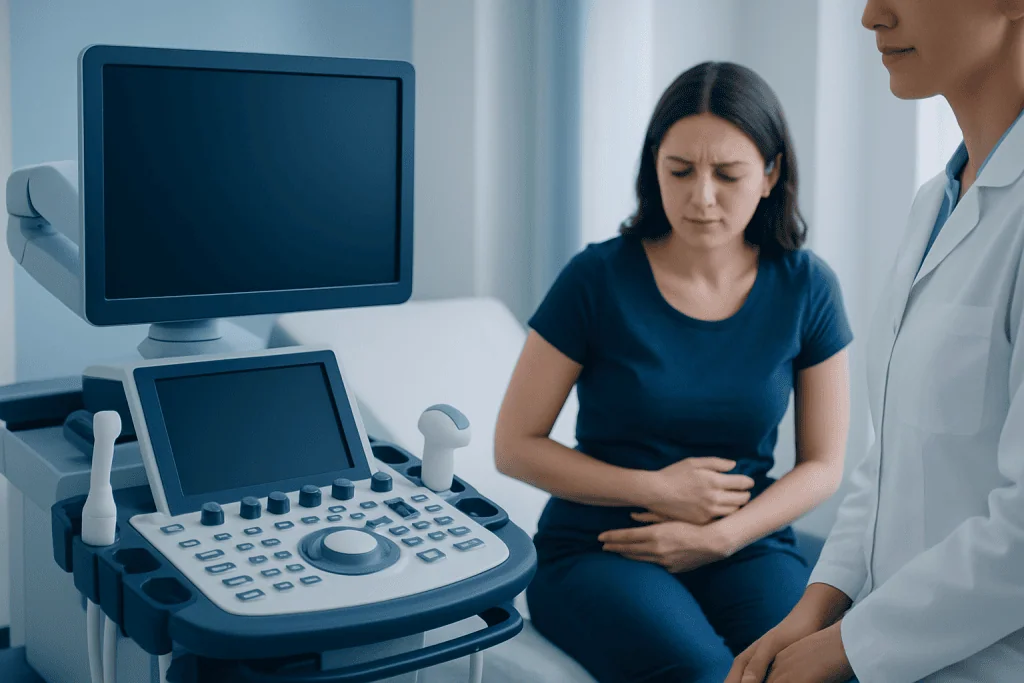
Period pain, also called dysmenorrhea, is extremely common. In many cases it is harmless and happens because the uterus contracts to shed its lining. These contractions are triggered by hormone-like substances called prostaglandins. Higher prostaglandin levels often mean stronger cramps, along with symptoms such as nausea, loose stools, headache, or lower back pain.
There are two broad patterns of period pain. Primary dysmenorrhea is the usual cramping that comes with menstruation and is not caused by another disease. It often begins in the teenage years or young adulthood and may improve with age or after pregnancy for some people. Secondary dysmenorrhea means the pain is linked to another condition affecting the reproductive organs or pelvis.
The pattern of pain gives helpful clues. Typical menstrual cramps often begin just before or at the start of bleeding and improve over one to three days. Pain that starts earlier, lasts much longer, becomes progressively worse over time, or occurs between periods is more likely to need medical assessment.
When Period Pain May Mean More Than Normal Cramps
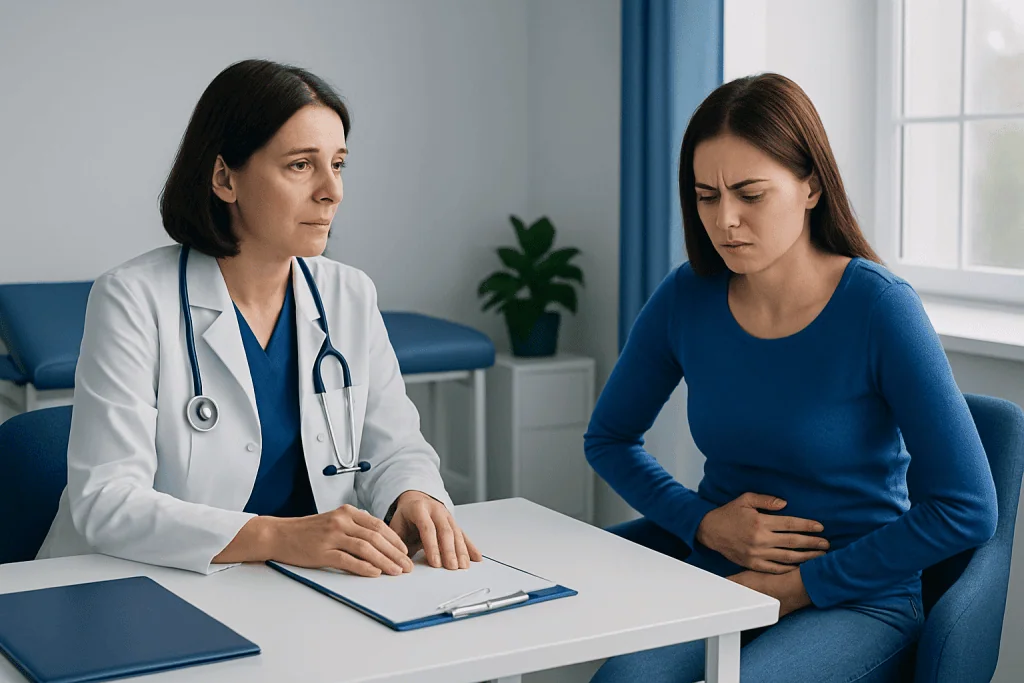
Although period pain is often not dangerous, some symptoms suggest something beyond routine cramps. Pain that suddenly becomes severe, prevents school or work every month, does not improve with standard home care, or is different from the usual pattern deserves attention. The same is true for heavy bleeding, bleeding between periods, pain during sex, pain with bowel movements, fever, vomiting, dizziness, or fainting.
Several conditions can cause significant menstrual pain. These include endometriosis, adenomyosis, uterine fibroids, pelvic inflammatory disease, ovarian cysts, and less commonly structural problems of the uterus or cervix. A person who develops painful periods for the first time in adulthood, especially after years of milder cycles, should consider medical review.
Pregnancy-related problems can also cause pelvic pain and bleeding, so sudden severe cramps with a missed period or possible pregnancy should not be treated as routine menstruation. In that situation, prompt medical assessment is important. The goal is not to alarm, but to recognize that common symptoms sometimes need a closer look.
- Seek urgent care for severe one-sided pelvic pain, fainting, chest pain, trouble breathing, or signs of pregnancy with pain and bleeding.
- Book a medical appointment for recurring pain that disrupts daily life, gets worse over time, or comes with heavy or irregular bleeding.
Common Causes and Risk Factors
Primary period pain is more likely in younger people, in those with a family history of painful periods, and in people whose cramps began soon after periods first started. Smoking, stress, poor sleep, and heavier menstrual flow may also make symptoms feel more intense. These factors do not mean anything is seriously wrong, but they can affect how strongly the body experiences cramping.
Secondary causes are more likely when pain begins later in life, changes noticeably from the usual pattern, or comes with other symptoms. Uterine fibroids can cause pressure, heavy bleeding, and cramping. Endometriosis may be suspected if there is severe pain, pain with sex, bowel pain during periods, or difficulty becoming pregnant. Pelvic infection may be considered if there is fever, unusual discharge, or pain unrelated to the cycle.
Hormonal birth control, an intrauterine device, previous pelvic surgery, or underlying gastrointestinal or urinary conditions can also influence pelvic pain patterns, though not all are harmful causes. Because many pelvic and abdominal conditions overlap, the history of when the pain happens and what comes with it is often just as important as the pain itself.
What a Doctor Will Check
If home methods are not enough or warning signs are present, a doctor will usually begin with a detailed history. They may ask when the pain starts in relation to bleeding, where it is felt, how severe it is, whether it radiates to the back or legs, and whether there is heavy bleeding, clots, nausea, diarrhea, pain during sex, urinary symptoms, or bowel pain. They may also ask about medications, contraception, pregnancy possibility, and family history.
A physical examination may include an abdominal exam and, when appropriate, a pelvic exam. Not every person needs every part of the examination, and the approach is usually tailored to age, symptoms, and comfort. The aim is to look for clues such as tenderness, masses, infection, or other reasons for pelvic pain.
Tests depend on the situation. A pregnancy test may be recommended if relevant. Pelvic ultrasound is commonly used to look for fibroids, ovarian cysts, adenomyosis, or other structural causes; in some cases, a doctor may recommend pelvic ultrasound as the next step. Blood tests may be used if there is heavy bleeding, anemia, inflammation, or infection, and sometimes additional imaging or referral to a gynecologist is advised.
If a clear cause is suspected, treatment can be more targeted. When the picture is less clear, symptom tracking over a few cycles can help. Keeping notes on timing, bleeding, severity, and associated symptoms often makes diagnosis easier and more accurate.
Treatment Options Beyond Home Care
When period pain keeps returning or interferes with daily life, treatment may go beyond immediate home relief. Doctors often recommend anti-inflammatory pain relief, hormonal treatments that reduce ovulation or thin the uterine lining, or both, depending on the person’s symptoms, medical history, and future fertility plans. These options are chosen individually rather than by a single standard approach.
If an underlying condition is found, treatment focuses on the cause. Fibroids, endometriosis, adenomyosis, ovarian cysts, or infection each require a different plan. For example, care for painful periods linked to endometriosis may include medication, hormonal treatment, or in selected cases endometriosis treatment. Some people with structural causes of pain may need gynecologic evaluation and treatment to discuss the most suitable options.
Supportive care still matters, even when medical treatment is added. Heat, regular sleep, light exercise, stress management, and symptom tracking can improve comfort and help reveal whether treatment is working. If pain medicines are needed often, it is wise to review this with a doctor rather than continuing indefinitely without reassessment.
Near the end of the care pathway, some patients may need specialist input for persistent or complex symptoms. Acibadem International’s multidisciplinary specialists and JCI-accredited hospitals evaluate and treat gynecologic causes of pelvic pain for international patients when further assessment is needed.
Prevention and Self-Care Between Periods
There is no guaranteed way to prevent all period pain, but regular self-care may reduce its intensity. Many people benefit from consistent physical activity, adequate sleep, balanced meals, and staying well hydrated throughout the month. These habits support circulation, muscle relaxation, and overall resilience during menstruation.
It may also help to prepare before the expected start of a period. Some clinicians advise starting symptom relief early if cramps are very predictable, rather than waiting until pain becomes severe, but the timing and choice of medicine should be discussed with a qualified doctor or pharmacist. Tracking symptoms in an app or diary can help identify patterns and triggers.
Useful self-care strategies include:
- Using heat on the lower abdomen or lower back
- Choosing gentle exercise such as walking or stretching
- Limiting smoking and excess alcohol
- Reducing stress with breathing exercises or relaxation techniques
- Seeking review if home care stops working or symptoms change
Self-care should be seen as supportive, not as a reason to ignore significant symptoms. Menstrual pain that repeatedly affects daily life is important and treatable, even when it has been present for years.
When to Seek Medical Care
Most period pain can be managed safely at home, but there are times when medical advice is the better next step. A person should arrange a medical review if cramps are severe enough to miss usual activities, if pain worsens month by month, if bleeding is unusually heavy, or if pain occurs outside the usual menstrual window. Review is also sensible when new symptoms appear, such as pain during sex, bowel pain, or trouble becoming pregnant.
Urgent care is needed for severe sudden pelvic pain, fever, fainting, marked weakness, heavy bleeding causing lightheadedness, or pain with possible pregnancy. These symptoms do not always mean something serious, but they should not be assumed to be normal period pain. Early assessment can rule out urgent problems and guide safe treatment.
For people with recurring pelvic pain, it can be helpful to bring a record of cycle dates, bleeding pattern, pain severity, and what home treatments were tried. This often helps the doctor decide whether the problem is typical dysmenorrhea or something that needs further evaluation.
Frequently asked questions
What helps period pain immediately at home?
Heat on the lower abdomen is one of the quickest and most reliable home measures for many people. Resting in a comfortable position, drinking water, and trying gentle stretching or slow breathing can also help. If a doctor has said it is safe, an over-the-counter anti-inflammatory pain reliever may reduce cramps more effectively than waiting for the pain to peak.
Is severe period pain normal?
Mild to moderate cramps are common, but severe pain that regularly stops normal activities is not something a person has to simply accept. It can still be treatable even if it has been present for years. Severe, worsening, or unusual pain should be assessed for causes such as endometriosis, fibroids, or other pelvic conditions.
When should someone worry about period cramps?
Medical advice is important if cramps suddenly become much worse, are different from the usual pattern, or come with heavy bleeding, fever, fainting, vomiting, or severe one-sided pain. Pain with a missed period or possible pregnancy also needs prompt review. These signs may point to a condition that requires more than home care.
Can dehydration make period cramps feel worse?
Dehydration does not directly cause menstrual cramps, but it can make a person feel more unwell, fatigued, or headachy during a painful period. Drinking fluids may help overall comfort and reduce bloating for some people. Warm drinks can be especially soothing, although they do not treat the underlying cause of cramps.
What causes period pain if it was not painful before?
When periods become painful after previously being manageable, doctors think about secondary causes rather than routine cramping alone. Possibilities include fibroids, endometriosis, adenomyosis, ovarian cysts, or infection. A change in pattern is a good reason to schedule a medical assessment.
Will exercise make cramps worse?
Gentle activity usually does not make typical menstrual cramps worse and may actually help relieve them. Walking, stretching, and light yoga can relax muscles and improve blood flow. If movement sharply increases pain, especially if the pain is unusual or one-sided, medical advice may be needed.
References
- American College of Obstetricians and Gynecologists
- National Institute for Health and Care Excellence
- Mayo Clinic
- National Health Service
- World Health Organization
This article is for general information only and is not a substitute for professional medical advice. Please consult a qualified doctor about your individual situation.
Joint and spine care in Turkey — expert assessment & treatment
JCI-accredited · board-certified surgeons · reply within 24h
Add us as a Preferred Source to see more of our trusted health content across Google Search, AI Overviews and Discover.