How to Support Children’s Health at Home and in School

Consistent routines for sleep, meals, physical activity, and screen time support overall child health. A healthy school environment includes nutrition, physical movement, emotional safety, and good communication with teachers.
Key Takeaways
- Consistent routines for sleep, meals, physical activity, and screen time support overall child health.
- A healthy school environment includes nutrition, physical movement, emotional safety, and good communication with teachers.
- Preventive care such as vaccinations, dental visits, vision checks, and growth monitoring helps detect concerns early.
- Children’s emotional well-being is closely linked to learning, behavior, and physical health.
- Parents and caregivers can build healthy habits gradually through realistic, age-appropriate steps.
Supporting a child’s health involves everyday habits at home and strong cooperation with the school environment. Healthy meals, sleep, movement, emotional support, hygiene, and preventive care all help children grow, learn, and thrive.
Overview: What Supports Children’s Health?
Children’s health is shaped by daily routines, family habits, school experiences, and regular medical care. Good health is not only the absence of illness. It also includes healthy growth, emotional well-being, learning ability, physical activity, and the sense of safety and support a child feels at home and in school.
Home and school are the two settings where children spend most of their time. When families and educators work toward the same goals, healthy habits become easier to maintain. This may include regular sleep schedules, balanced meals, active play, limited recreational screen time, emotional support, and prompt attention to health concerns.
Each child has unique needs based on age, development, personality, family circumstances, and any medical conditions. Some children may need extra support for allergies, learning differences, chronic conditions, or behavioral concerns. A child-centered approach that is calm, practical, and consistent can help build habits that last.
Healthy Routines at Home
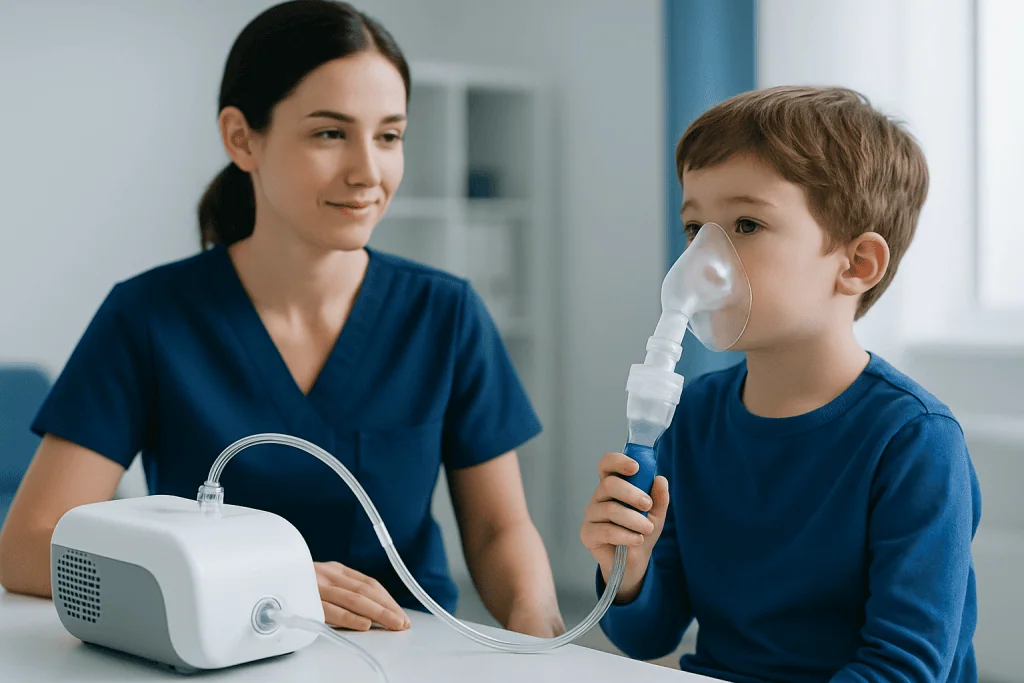
Healthy routines give children structure and predictability. Regular schedules for waking up, meals, homework, play, and bedtime can support physical health and emotional regulation. Children often do better when expectations are clear and repeated kindly over time.
Sleep is one of the most important foundations of health. Children who get enough sleep may have better attention, mood, memory, and immune function. A bedtime routine can include quiet activities such as reading, dimming lights, and keeping devices away before sleep. Bedrooms are generally healthiest when they are calm, dark, and comfortable.
Nutrition also starts at home. Families can support healthy eating by offering regular meals and snacks, including fruits, vegetables, whole grains, protein sources, and dairy or other calcium-rich foods when appropriate. It helps to make water the main drink most of the time and to keep sugary drinks and highly processed snacks as occasional choices rather than daily habits.
Children also benefit from active play every day. Depending on age, this can include walking, outdoor games, sports, dancing, cycling, or unstructured movement. Physical activity supports bones, muscles, heart health, sleep, and emotional well-being. Family activities such as evening walks or park visits can make movement feel enjoyable rather than like a task.
Supporting Health in the School Environment
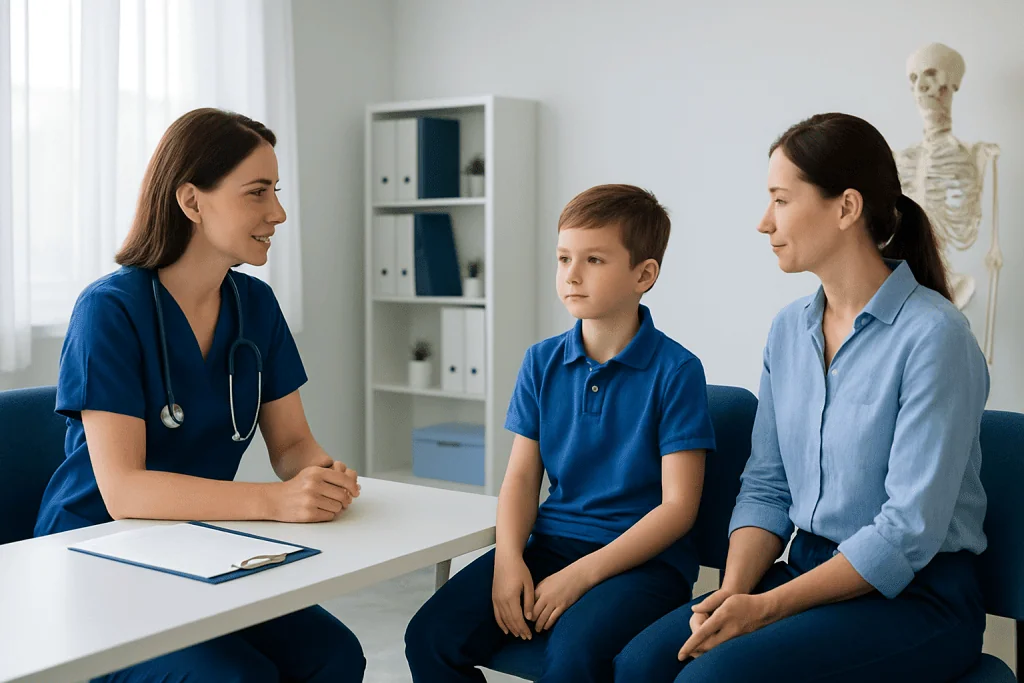
Schools play an important role in children’s health because they influence routines, meals, physical activity, social development, and learning. A supportive school environment helps children feel safe, included, and ready to participate. Good school health support often begins with open communication between parents, teachers, school nurses, and other staff.
Parents can share important medical information with the school, such as allergies, asthma, diabetes, medication needs, or developmental concerns. This helps staff respond appropriately during the school day. It is also helpful to update emergency contact details and discuss any health plans the child may need.
School attendance matters, but children should stay home when they are unwell in ways that could affect recovery or spread infection. Families can help by teaching handwashing, respiratory etiquette, and when to tell an adult about symptoms. Packing nutritious lunches and snacks, when allowed, can also support attention and energy throughout the day.
Emotional safety is just as important as physical safety. Children need respectful relationships with adults and peers, predictable expectations, and support if bullying, stress, or exclusion occurs. If a child seems reluctant to attend school, has frequent stomachaches or headaches, or shows changes in mood or behavior, it may be helpful to explore whether school-related stress is contributing.
Nutrition, Sleep, and Physical Activity
Three pillars of child wellness are balanced nutrition, sufficient sleep, and regular physical activity. These habits work together. For example, active children may sleep better, and well-rested children may find it easier to regulate appetite, mood, and concentration.
A practical approach to food is often more sustainable than strict rules. Caregivers can offer a variety of nourishing foods and let children learn to recognize hunger and fullness cues over time. Family meals, when possible, may encourage healthier eating patterns and provide time for conversation. If a child is a selective eater, repeated gentle exposure to new foods often works better than pressure.
Physical activity should match the child’s age and interests. Younger children often benefit from active play, while older children may enjoy organized sports, swimming, martial arts, or cycling. Limiting long periods of sitting, especially outside school hours, can be helpful. Screen time limits are usually easiest to maintain when adults model the same habits and create screen-free times during meals and before bed.
- Offer breakfast to support morning energy and concentration.
- Encourage water intake throughout the day.
- Keep bedtime and wake times as consistent as possible.
- Make movement part of the daily routine, even in short sessions.
- Choose progress over perfection when building new habits.
Emotional Well-Being, Behavior, and Social Health
Children’s emotional health affects how they think, behave, relate to others, and cope with challenges. Feeling secure, heard, and valued helps children develop resilience. Warm, responsive parenting and regular check-ins can make it easier for children to talk about worries, friendships, school pressures, or difficult feelings.
Behavior is often a form of communication. Changes such as irritability, withdrawal, sleep problems, falling school performance, or frequent complaints of physical symptoms may reflect stress, anxiety, bullying, family changes, or a health issue. Calm observation and supportive conversation are often more effective than punishment when trying to understand what a child needs.
Healthy social development also matters. Children benefit from learning empathy, sharing, problem-solving, and respectful boundaries. Parents and schools can reinforce these skills together. Encouraging hobbies, friendships, and age-appropriate independence can support self-confidence and a sense of belonging.
Some children may need extra support from a pediatrician, school counselor, child psychologist, or other professional. Early guidance can be especially useful when concerns persist or interfere with daily life. In some cases, a child may need assessment for attention, learning, mood, or developmental concerns.
Preventive Care and Common Health Checks
Preventive care helps identify concerns early and supports healthy development over time. Regular pediatric visits usually include growth tracking, developmental review, hearing and vision screening when appropriate, and guidance on nutrition, sleep, safety, and behavior. Vaccinations are an important part of protecting children from serious infectious diseases.
Dental care is also essential. Children should learn daily brushing and age-appropriate oral hygiene habits, with regular dental visits based on professional advice. Good oral health supports comfort, nutrition, sleep, speech development, and confidence.
Some children need more frequent monitoring because of ongoing health conditions such as asthma, allergies, obesity, diabetes, or recurrent infections. If a child has a chronic condition, families may benefit from clear action plans for home and school. For example, children with respiratory conditions may need structured follow-up for asthma management, while others may need help addressing childhood obesity through gradual lifestyle changes.
If a doctor recommends further assessment, tests such as regular pediatric check-ups or diagnostic imaging may help clarify symptoms in certain situations. These decisions depend on the child’s age, medical history, and examination findings, and should be guided by qualified clinicians.
Safety, Hygiene, and Self-Care Skills
Teaching safety and hygiene is an important part of protecting children’s health. Handwashing with soap and water, especially before eating and after using the toilet, helps reduce the spread of infections. Children can also be taught to cover coughs and sneezes, avoid sharing personal items, and tell an adult if they feel unwell.
At home, age-appropriate safety measures may include car seats or seat belts, secure storage of medicines and cleaning products, smoke alarms, water safety, and supervision during risky activities. In school-age children, road safety, sports safety, and basic digital safety are also important topics.
Self-care skills should grow with the child’s age. Younger children may need reminders for toothbrushing, handwashing, and dressing for the weather. Older children can begin to take more responsibility for packing healthy snacks, carrying a water bottle, organizing school materials, and recognizing when they need rest or support.
When children are involved in caring for their own health, they often become more confident and cooperative. Praise for effort, rather than perfection, can help healthy behaviors become part of everyday life.
When to Seek Medical Advice
Many day-to-day health questions can be managed with guidance from a pediatrician or family doctor. It is sensible to seek medical advice if a child has persistent fever, breathing difficulty, poor growth, frequent infections, ongoing pain, repeated vomiting, significant sleep problems, or changes in eating, mood, behavior, or school performance that do not improve.
Parents should also speak to a doctor if they have concerns about development, hearing, vision, learning, concentration, social communication, or emotional well-being. Early assessment can lead to support that improves daily functioning and reduces stress for the child and family.
If a child has a known medical condition, families should follow the care plan provided by their clinician and ask for school guidance if needed. For children who require broader evaluation or specialist care, multidisciplinary pediatric services can help coordinate support. Acibadem International’s multidisciplinary specialists in JCI-accredited hospitals provide diagnosis and treatment for international patients when more complex pediatric assessment is needed.
Supporting children’s health is an ongoing process rather than a single task. Small, steady habits at home and in school can make a meaningful difference in how children grow, learn, and feel.
Frequently asked questions
What are the most important ways to support a child’s health every day?
The most important daily habits include regular sleep, balanced meals, physical activity, good hygiene, and emotional support. Consistent routines and preventive healthcare also help children stay well and develop healthy long-term habits.
How can parents and schools work together for a child’s health?
Parents can share health information, discuss any medical needs, and stay in contact with teachers or school nurses. Schools can support healthy routines, emotional safety, and appropriate responses to illness or chronic conditions.
How much does sleep matter for school performance and behavior?
Sleep plays a major role in attention, memory, mood, and behavior. Children who do not get enough sleep may have more difficulty concentrating, managing emotions, and coping with school demands.
What should families do if a child is a picky eater?
Picky eating is common in childhood and often improves with time and repeated gentle exposure to foods. Offering a variety of healthy options without pressure, keeping mealtimes calm, and discussing persistent concerns with a pediatrician can be helpful.
When should a parent worry about emotional or behavioral changes?
A medical or mental health review may be helpful if changes are persistent, severe, or interfere with sleep, learning, relationships, or daily activities. Warning signs can include withdrawal, frequent anger, school refusal, ongoing sadness, or repeated physical complaints linked to stress.
Why are regular checkups important if a child seems healthy?
Regular checkups help monitor growth and development, update vaccinations, and identify problems early before they become more serious. They also give families a chance to ask questions about nutrition, sleep, learning, safety, and behavior.
References
- World Health Organization
- UNICEF
- American Academy of Pediatrics
- Centers for Disease Control and Prevention
- National Health Service
This article is for general information only and is not a substitute for professional medical advice. Please consult a qualified doctor about your individual situation.
Explore treatments in Turkey — costs, top hospitals & a free quote
JCI-accredited · board-certified surgeons · reply within 24h
Add us as a Preferred Source to see more of our trusted health content across Google Search, AI Overviews and Discover.

More from the Health Library



Related Specialists

Dr. Senem Almaç Deniz
Otorhinolaryngology
Dr. Özer Öztürk
Orthopedic Surgery & Traumatology
Dr. Hüseyin Akcan
Radiology
Dr. Mesil Acar
Inpatient Clinic Physicians Clinical Service