How Vaccines Prevent Infection: Antibodies, Immune Memory, and Community Protection
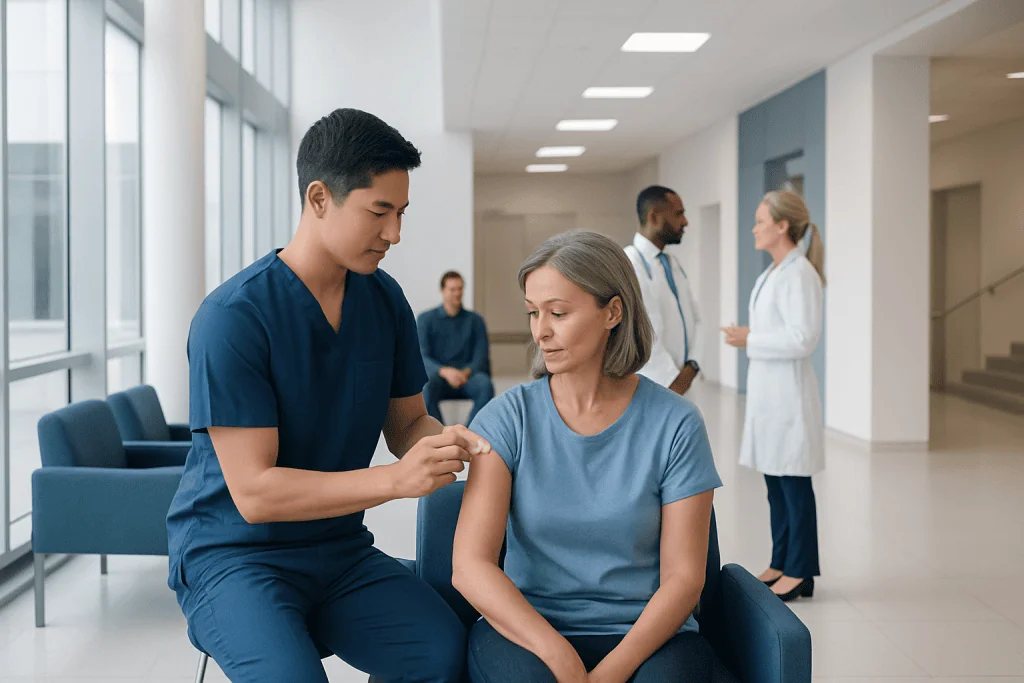
Vaccines expose the immune system to a safe version or part of a germ so it can prepare a defense. Antibodies can block or weaken infections, while memory cells help the body respond faster in the future.
Key Takeaways
- Vaccines expose the immune system to a safe version or part of a germ so it can prepare a defense.
- Antibodies can block or weaken infections, while memory cells help the body respond faster in the future.
- Vaccination can reduce the severity of illness even when it does not prevent infection completely.
- High vaccination coverage helps protect people who are too young, too ill, or unable to be vaccinated.
- Recommended vaccines vary by age, health condition, pregnancy status, travel plans, and local public health guidance.
Vaccines help the body recognize and fight germs before they can cause serious illness. They work by stimulating antibodies, building immune memory, and reducing the spread of infection within communities.
Overview: What Vaccines Do
Vaccines are designed to prepare the immune system for future contact with harmful germs such as viruses or bacteria. Instead of waiting for a natural infection to occur, vaccination gives the body a safe opportunity to learn what a germ looks like and how to respond to it. This reduces the chance of severe disease and, for some infections, can prevent illness altogether.
Different vaccines are made in different ways. Some contain an inactivated germ, some use only a protein or sugar from a germ, and some use newer platforms that teach cells to briefly make a harmless piece of the germ so the immune system can recognize it. None of these approaches are meant to cause the disease they protect against when used appropriately.
The main goal of vaccination is not simply to create a short-term response. It is to build lasting protection through antibodies and immune memory. This allows the body to react much more quickly and effectively if it encounters the real infection later.
How the Immune System Responds to Vaccines
When a vaccine enters the body, the immune system identifies it as something that should be examined. Specialized cells capture the vaccine material and present it to immune cells that coordinate a response. This process tells the body that a specific germ may be important in the future.
One part of this response involves B cells, which can mature into cells that make antibodies. Antibodies are proteins that attach to a germ or its toxins. By binding to the target, they may block the germ from entering cells, mark it for destruction, or reduce its ability to cause harm.
Another part of the response involves T cells. Some T cells help B cells make stronger antibodies, while others can identify and destroy infected cells. This is especially important for infections caused by viruses, which often spend part of their life cycle inside human cells.
Together, these responses create a coordinated defense. A vaccine does not “boost” immunity in a vague sense; it trains the immune system in a targeted way so that future exposure to the same germ is met with a faster and more effective reaction.
Antibodies and Immune Memory

Antibodies are often the most familiar part of vaccine protection, but they are only one piece of the picture. After vaccination, antibody levels may rise, then naturally decline over time. This does not necessarily mean protection has disappeared. The immune system also develops memory B cells and memory T cells that remain ready for future use.
If the vaccinated person later encounters the real germ, these memory cells can respond far more quickly than they would during a first infection. The body can begin producing new antibodies sooner and activate other protective immune functions before the infection becomes severe. This is why vaccinated people often have milder symptoms, shorter illness, or fewer complications even if they do become infected.
For some diseases, vaccine protection can last for many years. For others, immunity may weaken with time or the germ may change enough that updated vaccines or booster doses are useful. Booster doses remind the immune system and strengthen immune memory, helping maintain better protection.
- Antibodies can neutralize germs or their toxins.
- Memory B cells help the body make antibodies rapidly after exposure.
- Memory T cells support immune coordination and may help limit severe illness.
- Boosters can renew or improve protection when immunity declines or germs evolve.
Why Vaccines May Not Always Prevent Every Infection
No vaccine offers perfect protection for every person in every situation. The immune response can vary according to age, overall health, medications, and how well the vaccine matches the circulating germ. Some infections also begin very quickly in the nose or throat, which can make complete prevention more difficult even when the immune system has been trained.
Even so, vaccination remains highly valuable. A vaccine may lower the chance of infection, reduce the amount of virus or bacteria in the body, shorten the illness, and greatly reduce the risk of hospitalization or other serious complications. In everyday terms, this means vaccination can turn a potentially dangerous infection into a much milder one.
This is especially relevant for respiratory infections and fast-changing viruses. Public health recommendations may include updated seasonal vaccines when circulating strains shift over time. These updates help the immune system recognize what is most likely to be encountered during the current period.
It is also important to remember that vaccines work best as part of a broader prevention strategy. Hand hygiene, good ventilation, staying home when sick, and following medical advice after exposure can all help reduce transmission alongside vaccination.
Community Protection and Why High Coverage Matters
Vaccination protects not only the individual but also the wider community. When many people are immune, germs have fewer opportunities to spread. This can slow transmission and help shield those who are more vulnerable, including newborns, older adults, people receiving cancer treatment, and individuals with certain immune system conditions.
This broader effect is often called community protection or herd immunity, although the level of coverage needed differs by disease. Highly contagious infections require very high levels of immunity in the population to limit outbreaks. If vaccination rates fall, germs can spread more easily and previously controlled diseases may return.
Community protection is particularly important because some people cannot receive certain vaccines for medical reasons. Others may not develop a strong immune response even after vaccination. In these situations, the protection created by family members, classmates, coworkers, and the public becomes especially meaningful.
Vaccines are one of the most effective public health tools for preventing outbreaks of infectious diseases. They are used alongside surveillance, testing when needed, and medical care to reduce the burden of illness across populations.
Vaccine Safety, Side Effects, and Recommended Schedules
Vaccines are carefully evaluated before approval and continue to be monitored after they are introduced into routine use. Like all medical products, they can cause side effects, but these are usually mild and short-lived. Common reactions include soreness at the injection site, fatigue, low fever, or muscle aches for a day or two.
Serious side effects are uncommon, but any concerning reaction should be discussed promptly with a qualified healthcare professional. Doctors consider a person’s age, allergy history, pregnancy status, chronic health conditions, and current treatments when deciding which vaccines are appropriate and when they should be given.
Recommended vaccine schedules are designed to protect people at the times they are most at risk and when their immune systems are most likely to respond well. Babies and children receive vaccines early because some infections are especially dangerous in the first years of life. Adults may need boosters, seasonal vaccines, or vaccines for travel, work, or health conditions.
When questions arise, a clinician can explain the benefits and possible risks in the context of the individual’s health. In centers such as Acibadem International, multidisciplinary specialists in JCI-accredited hospitals support international patients with prevention planning, diagnosis, and treatment related to vaccine-preventable illnesses and general infectious disease care.
How to Stay Protected and When to Seek Medical Advice
The best way to stay protected is to follow recommended vaccination schedules and keep records up to date. This includes childhood vaccines, routine adult boosters, vaccines recommended during pregnancy, and seasonal or travel-related vaccines when appropriate. A healthcare professional can review what is needed based on age, medical history, destination, and personal risk.
It is sensible to seek medical advice if there is uncertainty about missed doses, previous vaccine records, or whether a chronic condition affects vaccination timing. People with weakened immune systems, those taking immunosuppressive medicines, or anyone planning international travel may benefit from a more individualized discussion. Travel-related prevention may also include travel health services before departure.
Medical advice should also be sought after a significant exposure to a serious infection, because some situations require urgent vaccination, preventive medicine, or monitoring. People with symptoms of infection should contact a doctor if symptoms are severe, persistent, or involve breathing difficulties, dehydration, confusion, chest pain, or a high-risk medical condition.
Vaccination works best as part of overall preventive care. Regular checkups, healthy lifestyle habits, and timely consultation with a doctor help people make informed choices and maintain protection throughout different stages of life.
Frequently asked questions
Do vaccines give someone the disease they are meant to prevent?
Vaccines used in routine care are designed to train the immune system safely and are not intended to cause the disease they prevent. Some people may develop mild, short-lived reactions such as soreness, tiredness, or a low fever, which are signs of the immune system responding rather than the infection itself.
Why are booster shots sometimes needed?
Booster doses may be needed because immune protection can decrease over time or because the germ changes. A booster reminds the immune system and can improve the speed and strength of future protection.
Can a vaccinated person still get infected?
Yes, this can happen because no vaccine is perfect and immune responses vary between people. However, vaccination often makes infection less severe and reduces the risk of serious complications.
What is herd immunity?
Herd immunity, also called community protection, happens when enough people are immune that a germ has more difficulty spreading. This can help protect people who cannot be vaccinated or who do not respond well to vaccines.
Are vaccines important for adults too?
Yes. Adults may need boosters, seasonal vaccines, pregnancy-related vaccines, or vaccines linked to travel, work, age, or chronic medical conditions. Immunization is a lifelong part of preventive care, not only a childhood concern.
How can someone know which vaccines are needed?
The right vaccines depend on age, health status, pregnancy, past immunizations, occupation, and travel plans. A qualified doctor or vaccination clinic can review medical history and local guidance to create an appropriate schedule.
References
- World Health Organization
- Centers for Disease Control and Prevention
- European Centre for Disease Prevention and Control
- UNICEF
- American Academy of Pediatrics
This article is for general information only and is not a substitute for professional medical advice. Please consult a qualified doctor about your individual situation.
Explore treatments in Turkey — costs, top hospitals & a free quote
JCI-accredited · board-certified surgeons · reply within 24h
Add us as a Preferred Source to see more of our trusted health content across Google Search, AI Overviews and Discover.

More from the Health Library



Related Specialists

Dr. Yalçin Ünlü
Internal Medicine
Dt. Aslı Yetğın Yazar
Oral & Dental Health
Prof. Dr. Mehmet Akif Sargin
Gynecology & Obstetrics
Prof. Dr. İsmail Cinel
Anesthesiology