How Vaccines Prevent Infection: What Immunity Actually Means
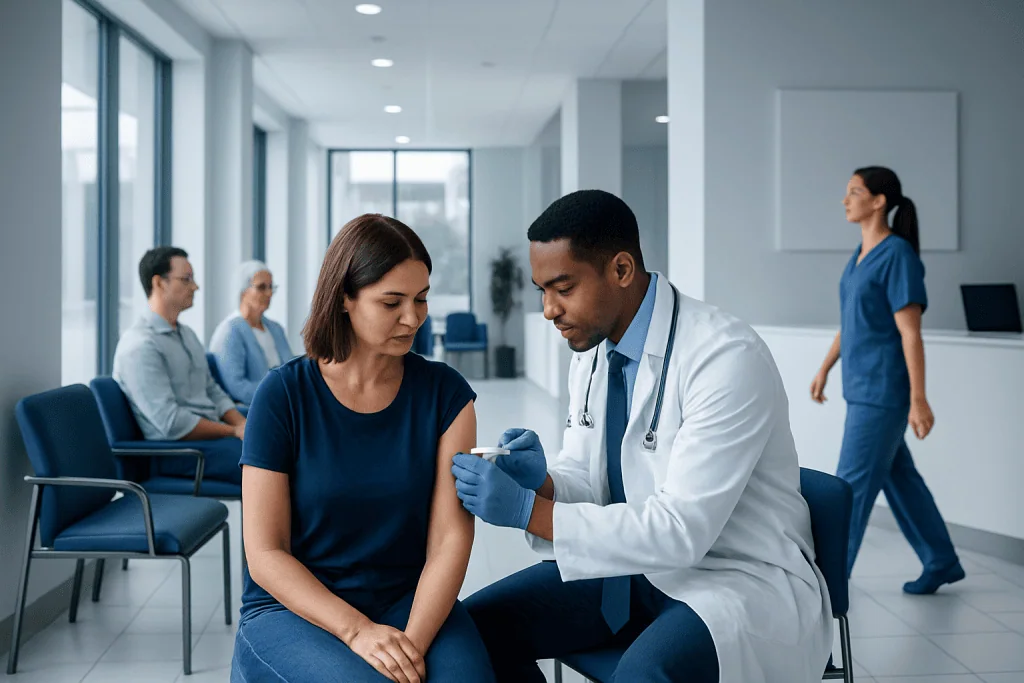
Vaccines train the immune system without causing the disease they protect against. Immunity means the body can recognize and respond to a germ more quickly and effectively.
Key Takeaways
- Vaccines train the immune system without causing the disease they protect against.
- Immunity means the body can recognize and respond to a germ more quickly and effectively.
- Some vaccines prevent infection completely, while others mainly reduce severe illness and complications.
- Community protection grows when more people are vaccinated, helping protect vulnerable groups.
- Booster doses may be needed because immune protection can decrease over time or germs can change.
Vaccines help the body prepare for future contact with harmful germs. By safely teaching the immune system what to recognize, they reduce the chance of infection, severe illness, and spread within the community.
Overview: How Vaccines Help the Body Defend Itself
Vaccines are one of the most effective tools in preventive medicine. They work by introducing the immune system to a harmless form of a germ, a small part of it, or instructions that help the body make a harmless protein from it. This allows the body to learn what the germ looks like and prepare a defense before real exposure happens.
When a person later comes into contact with the actual virus or bacterium, the immune system can respond much faster. In many cases, this rapid response prevents infection entirely. In other cases, it may not stop the germ from entering the body, but it can still make illness milder, shorter, and far less likely to cause serious complications.
Immunity does not mean the body becomes impenetrable. Instead, it means the body has developed a memory of the threat and can fight it more efficiently. This is why vaccinated people may still occasionally become infected, especially if a germ changes over time, but they are often better protected against severe disease than those without prior immune training.
What Immunity Actually Means

Immunity is the immune system’s ability to recognize and respond to a germ in a way that helps prevent illness or reduce its impact. The immune system includes many different parts, including white blood cells, antibodies, and specialized memory cells. Together, these components detect harmful invaders and coordinate a defense.
After vaccination or natural infection, the body may produce antibodies. These are proteins that can attach to a virus or bacterium and help block it from infecting cells. The body also develops memory B cells and T cells, which can respond quickly if the same germ appears again. This immune memory is a key reason vaccines are protective.
There are different levels of immunity. Sterilizing immunity means a germ is blocked before it can establish infection. More commonly, vaccines provide protective immunity, which may still allow some infection but greatly lowers the chance of severe symptoms, hospitalization, or long-term complications. Both forms of protection are valuable.
Immunity can change over time. Protection may fade gradually, or the germ may evolve in ways that make it less recognizable to existing immune defenses. This is one reason booster doses are sometimes recommended.
How Vaccines Prevent Infection

Vaccines prevent infection by preparing the immune system in advance. Without vaccination, the body encounters a new germ with no memory of it and needs time to build a defense. During that delay, the germ may multiply and cause symptoms. Vaccination shortens this response time because the immune system has already practiced.
Different vaccines use different methods. Some contain inactivated germs, some use weakened forms that cannot cause disease in healthy people, and some use only a part of the germ, such as a protein. Newer platforms may use genetic instructions, such as mRNA, to teach the body to make a harmless target protein so the immune system can learn to recognize it.
Once vaccinated, the immune system can respond at several stages of infection. It may neutralize a germ before it enters cells, limit how much it can multiply, or help destroy infected cells before the illness becomes severe. This is why vaccines can reduce both the chance of getting sick and the seriousness of illness if infection still occurs.
Vaccines also support broader public health. If enough people are protected, a germ has fewer opportunities to spread. This community-level benefit, often called herd immunity or community immunity, is especially important for infants, older adults, and people with weakened immune systems who may be more vulnerable.
Types of Protection Vaccines Can Provide
Not all vaccines protect in exactly the same way, and that does not mean they are ineffective. Some vaccines are very good at stopping infection altogether. Others are especially strong at preventing severe disease, pneumonia, hospitalization, disability, or death. The exact pattern depends on the germ, the vaccine design, and the person’s immune response.
For example, a vaccine may reduce the amount of virus in the body, making symptoms milder and recovery faster. It may also lower the chance of passing the infection to others, even if it does not eliminate transmission completely. This partial protection still has meaningful benefits for individuals and communities.
Vaccine effectiveness can also vary by age and health status. Babies, older adults, pregnant people, and those with certain chronic illnesses may have different levels of immune response or may need vaccines on a specific schedule for best protection. That is why immunization recommendations are tailored for different groups.
- Protection against infection
- Protection against symptomatic illness
- Protection against severe disease and complications
- Reduced spread within families and communities
- Longer-term immune memory through booster doses when needed
Why Booster Doses and Vaccine Schedules Matter
Many vaccines are given in a series rather than a single dose. This schedule helps the immune system build a stronger and more durable memory. The first dose introduces the immune system to the target, and later doses reinforce that training. In young children, a series is often especially important because the immune system is still developing.
Booster doses may be recommended months or years later. They can restore protection that has decreased over time and improve the immune response against newer variants or circulating strains. This is common for diseases such as influenza and may also apply to other infections depending on public health guidance.
Staying on schedule matters because delayed or missed doses can leave a person less protected than intended. If a vaccine dose is missed, it is often possible to continue the series without starting over, but a healthcare professional should advise on the correct timing.
National immunization schedules are based on evidence about when people are most at risk and when vaccines work best. Following these schedules helps provide timely protection throughout childhood, adulthood, travel, pregnancy, and later life.
Vaccine Safety, Side Effects, and Common Concerns
Vaccines are carefully tested before approval and continuously monitored after they are introduced. Like any medical product, they can have side effects, but most are mild and short-lived. Common reactions include soreness at the injection site, tiredness, mild fever, or muscle aches. These symptoms are usually a sign that the immune system is responding.
Serious side effects are uncommon, and health authorities continue to track safety closely. The risks of many vaccine-preventable diseases are often much greater than the risks associated with vaccination. Discussing any previous allergic reactions, underlying health conditions, or past vaccine experiences with a doctor can help guide safe decisions.
Some people worry that vaccination can overwhelm the immune system. In reality, the immune system handles many daily exposures from food, air, and the environment. Modern vaccines present only a small fraction of the antigens the body naturally encounters and are designed to stimulate immunity in a controlled way.
Another common concern is whether natural infection is better than vaccination. While infection can also create immunity, it comes with the real risk of severe illness, complications, and transmission to others. Vaccination provides immune training in a much safer way.
Who Should Be Vaccinated and How to Stay Protected
Vaccination is recommended across the lifespan, from infancy through older adulthood. The specific vaccines a person needs depend on age, medical history, pregnancy status, occupation, travel plans, and underlying health conditions. People with chronic diseases, weakened immune systems, or frequent exposure to infections may need particular attention to staying up to date.
Travel can also affect vaccine needs. Depending on destination and duration, additional vaccines may be advised to reduce the risk of regional infections. Families planning travel should ideally review vaccine recommendations well in advance so there is enough time for doses to work properly.
Self-care for vaccine protection includes keeping an accurate immunization record, attending routine health visits, and asking about boosters. It also includes combining vaccines with other preventive measures such as hand hygiene, good ventilation, staying home when ill, and prompt medical advice when symptoms are concerning.
For people who need individualized advice, a clinician can review allergies, immune conditions, medicines, and timing around pregnancy or surgery. Near the end of the care journey, some international patients may also seek coordinated evaluation through centers such as Acibadem International, where multidisciplinary specialists in JCI-accredited hospitals diagnose and manage infectious disease prevention needs.
When to Speak With a Doctor
A doctor can help if there are questions about which vaccines are needed, when they should be given, or whether a medical condition changes the plan. This is especially important for infants, older adults, pregnant people, people receiving cancer treatment, transplant recipients, or anyone with an immune system disorder.
Medical advice is also important after a missed dose, before international travel, or if there has been a previous allergic reaction to a vaccine or one of its components. A doctor can explain the benefits and risks in the context of personal health and help create a safe, evidence-based schedule.
Urgent medical attention should be sought for signs of a severe allergic reaction after vaccination, such as trouble breathing, swelling of the face or throat, or widespread hives. These reactions are rare, but they require prompt care. For most routine side effects, rest, fluids, and usual supportive care are enough, though persistent or unusual symptoms should still be discussed with a healthcare professional.
Frequently asked questions
Do vaccines always prevent infection completely?
Not always. Some vaccines can stop infection before it starts, while others mainly reduce the chance of severe illness, complications, or spread. Even when infection still happens, vaccination often helps the body respond faster and recover more safely.
What is the difference between immunity from infection and immunity from vaccination?
Both can teach the immune system to recognize a germ. The key difference is that natural infection carries the risk of the disease itself, including serious complications and transmission to others. Vaccination provides immune training without exposing the person to those same dangers.
Why are booster shots needed?
Booster shots can strengthen protection that has faded over time. They may also improve the immune response when a virus or bacterium changes. A booster helps remind the immune system what to look for and how to respond quickly.
Can vaccinated people still spread infections?
Sometimes yes, depending on the infection and the vaccine. However, vaccination may lower how much of the germ is in the body and shorten the time a person is contagious. This can reduce spread, even if it does not eliminate it completely.
Are mild side effects after vaccination normal?
Yes. Soreness, mild fever, fatigue, or muscle aches are common and usually brief. These reactions often mean the immune system is responding to the vaccine as expected.
Who should ask a doctor before getting vaccinated?
Anyone with a history of severe allergic reactions, a weakened immune system, pregnancy, recent transplantation, or complex medical conditions should speak with a doctor. A healthcare professional can decide which vaccines are appropriate and the safest timing.
References
- World Health Organization
- Centers for Disease Control and Prevention
- European Centre for Disease Prevention and Control
- UNICEF
- National Institutes of Health
This article is for general information only and is not a substitute for professional medical advice. Please consult a qualified doctor about your individual situation.
Explore treatments in Turkey — costs, top hospitals & a free quote
JCI-accredited · board-certified surgeons · reply within 24h
Add us as a Preferred Source to see more of our trusted health content across Google Search, AI Overviews and Discover.