HPV Vaccine for Women: Who Should Get It and What Protection to Expect

The HPV vaccine protects against the HPV types most often linked to cervical cancer, other cancers, and genital warts. Vaccination is most effective before a person becomes sexually active, but some older teens and adults may still benefit.
Key Takeaways
- The HPV vaccine protects against the HPV types most often linked to cervical cancer, other cancers, and genital warts.
- Vaccination is most effective before a person becomes sexually active, but some older teens and adults may still benefit.
- The vaccine prevents new HPV infections; it does not treat existing HPV infection or abnormal cervical cell changes.
- Regular cervical screening is still important even after vaccination.
- A doctor can help decide whether HPV vaccination is appropriate based on age, medical history, and prior vaccination status.
The HPV vaccine for women is a safe and effective way to reduce the risk of cervical cancer and several other HPV-related diseases. It works best when given before exposure to the virus, but many women may still benefit depending on age, health history, and personal risk.
Overview: What the HPV Vaccine for Women Does
The HPV vaccine for women helps protect against infection with certain types of human papillomavirus (HPV). HPV is a very common virus that spreads mainly through intimate skin-to-skin contact, including sexual contact. Many HPV infections go away on their own, but some types can persist and lead to health problems over time.
The main goal of vaccination is prevention. The vaccine protects against the HPV types most strongly associated with cervical cancer and can also reduce the risk of cancers of the vulva, vagina, anus, and throat, as well as genital warts. Because it prevents infection before it happens, it is most useful when given before exposure to HPV.
For women, the vaccine is an important part of long-term reproductive and cancer-prevention care. However, it does not replace routine gynecologic care. Even vaccinated women should continue recommended cervical screening because the vaccine does not cover every cancer-causing HPV type and does not treat infections already present.
Who Should Get the HPV Vaccine
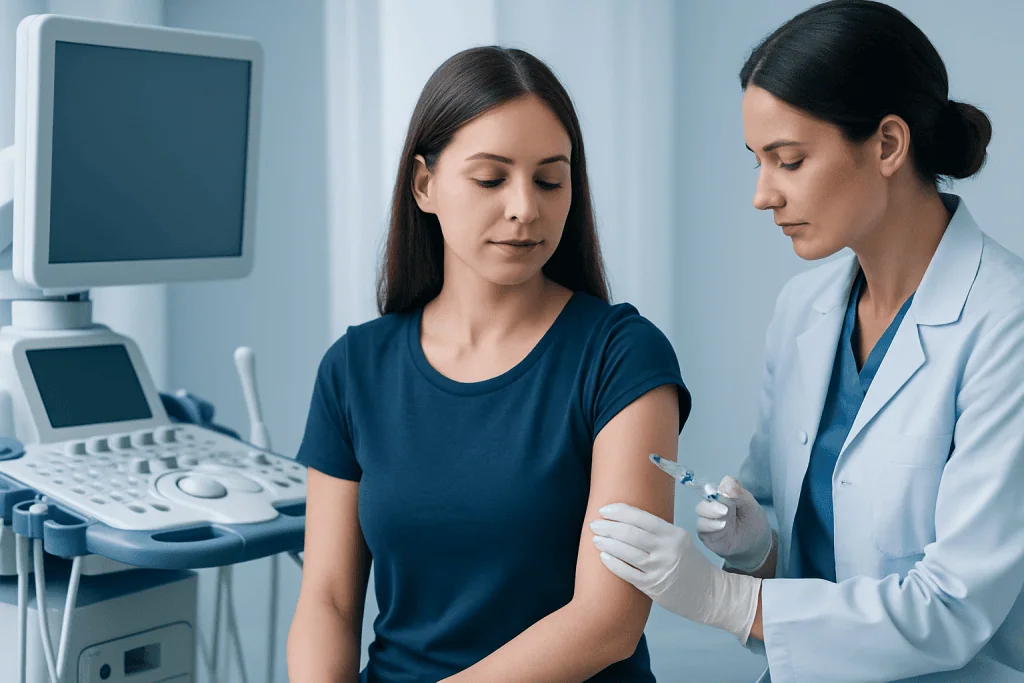
Health authorities generally recommend HPV vaccination in early adolescence, usually starting around ages 11 to 12, although it can be given earlier in many settings. Vaccinating at a younger age leads to a stronger immune response and provides protection before future exposure to the virus. Catch-up vaccination may also be recommended for teenagers and young adults who were not fully vaccinated earlier.
For adult women, the decision may depend on age and individual circumstances. Some women up to age 26 are routinely advised to receive the vaccine if they have not completed the series. In some cases, adults aged 27 to 45 may also consider vaccination after discussing likely benefits with a doctor, especially if they may not have been exposed to all the HPV types covered by the vaccine.
Certain situations may require extra discussion with a healthcare professional. These include pregnancy, a weakened immune system, a history of severe allergic reaction to a vaccine component, or uncertainty about previous doses. A doctor can review vaccination records, personal risk, and general health to decide the most appropriate timing.
- Best before sexual activity begins
- Recommended as catch-up for many who missed earlier doses
- May still benefit some adults after individualized medical advice
- Not given to treat existing HPV-related disease
What Protection to Expect
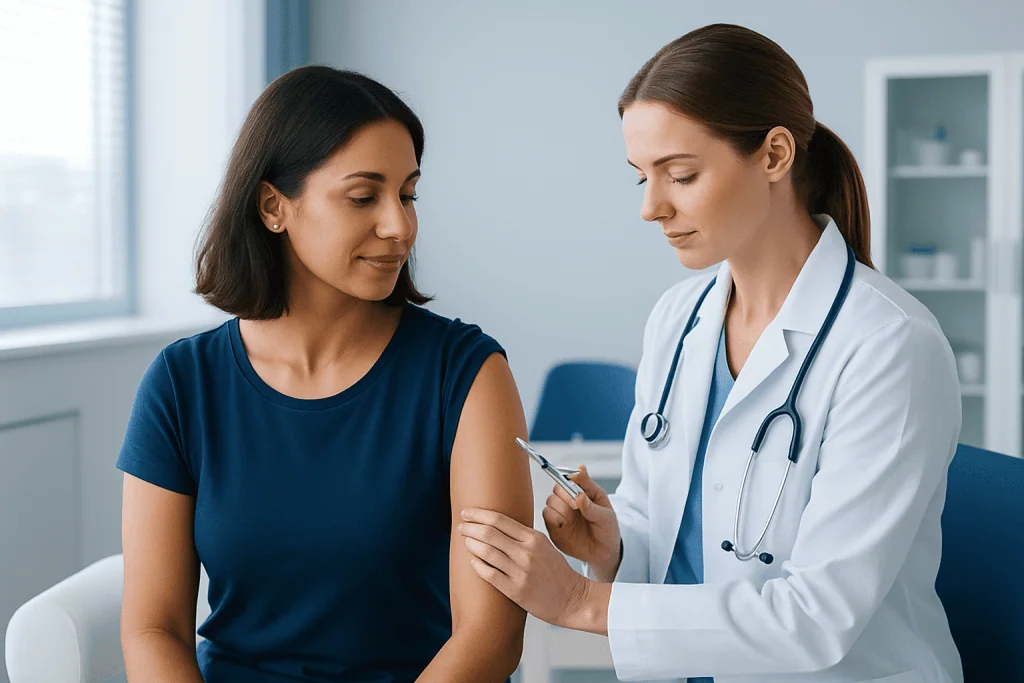
Women can expect strong protection against the HPV types included in the vaccine, especially when the full vaccine series is completed before HPV exposure. This means the vaccine can significantly lower the risk of precancerous cervical changes and cervical cancer caused by those types. It also helps prevent genital warts and may reduce the risk of other HPV-related cancers.
It is important to have realistic expectations. The vaccine does not remove HPV that is already in the body, and it does not cure abnormal Pap test results, genital warts, or conditions such as cervical cancer. If a woman already has one type of HPV, she may still gain protection against other types covered by the vaccine.
Protection is long-lasting based on current evidence, and booster doses are not routinely recommended for most people who complete the schedule. Even so, vaccination is only one part of prevention. Safer sex practices, regular checkups, and recommended screening remain important for full protection.
Safety, Side Effects, and Common Concerns
The HPV vaccine has been carefully studied and monitored for safety. For most women and girls, side effects are mild and short-lived. The most common reactions are soreness, redness, or swelling where the injection is given, along with tiredness, headache, low-grade fever, or muscle aches.
Some people may feel dizzy or faint after any injection, especially adolescents, so it is common to sit or lie down briefly after vaccination. Severe allergic reactions are rare, but anyone with a history of a serious reaction to a previous dose or a known vaccine ingredient should discuss this with a doctor before vaccination.
A common misunderstanding is that HPV vaccination affects fertility, puberty, or sexual behavior. There is no evidence that the vaccine harms fertility. In fact, by helping prevent cervical disease and the need for some invasive treatments later on, vaccination may support future reproductive health.
Why Screening Still Matters After Vaccination
One of the most important messages for women is that HPV vaccination does not replace cervical screening. Screening tests, such as Pap tests and HPV tests, can help find cell changes or infection early, often before symptoms develop. Early detection makes follow-up and treatment more effective and less invasive.
This is necessary because the vaccine does not protect against every HPV type linked to cervical disease. Also, some women are vaccinated after they may already have been exposed to HPV. For these reasons, routine screening remains a key part of check-up and screening and women’s preventive care.
Women should follow the screening schedule recommended in their country or by their doctor. If a screening test is abnormal, further evaluation may be needed. Depending on the findings, this could include repeat testing, colposcopy, or other gynecological oncology services for diagnosis and treatment planning.
When the Vaccine May Be Especially Helpful
The vaccine can be especially valuable for girls and young women who have not yet been exposed to HPV, but benefit is not limited to this group. Women who were not vaccinated at the recommended age may still gain protection later, particularly if they have had limited prior exposure to HPV types included in the vaccine. This is why individual medical advice matters.
Women with a history of abnormal cervical screening, previous HPV infection, or treatment for cervical cell changes sometimes wonder whether vaccination is still useful. In some cases, it may still offer protection against HPV types they have not had before, though it will not treat current disease. Women with questions about abnormal bleeding, screening results, or prior treatment may also need evaluation for related conditions such as cervical cancer.
Those with weakened immune systems may be at higher risk of persistent HPV infection and its complications. Although immune response can vary, vaccination is still often recommended unless there is a specific reason not to receive it. A specialist can help tailor the plan to the person’s health needs.
Practical Questions: Doses, Timing, and Pregnancy
The number of HPV vaccine doses depends mainly on the age at which vaccination begins and whether the person has certain immune conditions. Younger adolescents may need fewer doses than those who start later. It is important to complete the full series on the recommended schedule to achieve the best protection.
If a dose is delayed, the series usually does not need to be restarted. A healthcare professional can simply continue the remaining doses according to current guidance. Keeping a clear vaccination record can make future decisions easier, especially for women who received some doses in another country or at a younger age.
HPV vaccination is not usually started during pregnancy. If a woman learns she is pregnant after beginning the series, the remaining dose or doses are typically postponed until after pregnancy rather than considered an emergency. Women planning vaccination and broader preventive care may discuss options during a routine gynecology visit or while arranging obstetrics and gynecology follow-up.
When to Speak With a Doctor
It is a good idea for any woman who is unsure about her vaccination status to speak with a doctor. This is especially true if she missed adolescent vaccines, has a history of abnormal Pap or HPV test results, has a weakened immune system, or is wondering whether vaccination would still provide meaningful benefit.
Medical advice is also important if there are symptoms such as unusual vaginal bleeding, pelvic pain, pain during intercourse, or visible genital lesions. These symptoms do not necessarily mean HPV-related disease, but they should be assessed properly. Diagnosis may involve a pelvic exam, cervical screening, or referral for specialized care.
For international patients seeking coordinated women’s health care, Acibadem International’s multidisciplinary specialists and JCI-accredited hospitals diagnose and treat HPV-related conditions and provide preventive services. The best next step is a personalized discussion with a qualified clinician who can review age, health history, and screening needs.
Frequently asked questions
Can women who are already sexually active still get the HPV vaccine?
Yes, many sexually active women may still benefit from HPV vaccination. The vaccine does not treat an existing infection, but it can still protect against HPV types a person has not yet encountered. A doctor can help decide whether vaccination is likely to be useful based on age and health history.
Does the HPV vaccine prevent cervical cancer completely?
The vaccine greatly reduces the risk of cervical cancer caused by the HPV types it covers, but it does not prevent every case. Some cancer-related HPV types are not included, and some women may have been exposed before vaccination. That is why regular cervical screening remains important.
Is the HPV vaccine safe for women?
Yes, the HPV vaccine has a strong safety record and is widely used around the world. Most side effects are mild, such as arm soreness, tiredness, or headache. Serious allergic reactions are rare, but any concerns should be discussed with a healthcare professional.
Can the HPV vaccine treat an abnormal Pap smear or HPV infection?
No, the HPV vaccine is preventive, not a treatment. It does not clear existing HPV infection, reverse an abnormal Pap result, or treat genital warts. Women with abnormal test results should follow their doctor’s advice for monitoring or treatment.
Should a vaccinated woman still have Pap or HPV tests?
Yes, vaccinated women should still follow recommended screening schedules. The vaccine does not cover all cancer-causing HPV types, and screening can find early changes before symptoms appear. This combination of vaccination and screening offers the best protection.
Can the HPV vaccine affect fertility or pregnancy?
There is no evidence that the HPV vaccine harms fertility. It is not usually started during pregnancy, but if pregnancy is discovered after a dose, the remaining doses are generally delayed until after pregnancy. A doctor can advise on the safest timing for completion.
References
- World Health Organization
- Centers for Disease Control and Prevention
- American College of Obstetricians and Gynecologists
- National Cancer Institute
- European Centre for Disease Prevention and Control
This article is for general information only and is not a substitute for professional medical advice. Please consult a qualified doctor about your individual situation.
Oncology care in Turkey — second opinion and treatment plan
JCI-accredited · board-certified surgeons · reply within 24h
Add us as a Preferred Source to see more of our trusted health content across Google Search, AI Overviews and Discover.

More from the Health Library



Related Specialists

Dr. Mehmet Tayfun Osmanağaoğlu
Gynecology & Obstetrics
Dr. Harun Yaşar
Physical Medicine & Rehabilitation
Dr. Mehmet Can Şahin
Inpatient Clinic Physicians Clinical Service
Assoc. Prof. Dr. Erkin İsmail
General Surgery