Hrt Therapy: How It Works, Results and What to Expect

HRT therapy is most often used to manage bothersome menopause symptoms, especially hot flushes, night sweats, and vaginal symptoms. Estrogen is usually combined with a progestogen for people who still have a uterus to protect the uterine lining.
Key Takeaways
- HRT therapy is most often used to manage bothersome menopause symptoms, especially hot flushes, night sweats, and vaginal symptoms.
- Estrogen is usually combined with a progestogen for people who still have a uterus to protect the uterine lining.
- Some people notice improvement within days to weeks, but full HRT therapy results may take around three months.
- HRT is not appropriate for everyone, so an individual medical assessment is important before starting treatment.
- Weight gain is common around midlife and menopause, but HRT itself is not generally considered a direct cause of weight gain.
HRT therapy, also called hormone replacement therapy or menopausal hormone therapy, replaces estrogen with or without progesterone to ease symptoms caused by menopause. The right type, dose, and duration depend on a person’s symptoms, age, medical history, and individual balance of benefits and risks.
Overview: How HRT Therapy Works
HRT therapy works by replacing hormones that become lower during the menopause transition and after menopause. Most often, it provides estrogen. For people who have not had a hysterectomy, a progestogen is usually prescribed alongside estrogen because estrogen alone can cause the lining of the uterus to thicken over time.
By restoring hormone levels to a suitable range, HRT therapy can reduce hot flushes, night sweats, sleep disruption, vaginal dryness, discomfort during sex, and some urinary symptoms. It can also help prevent bone loss after menopause in selected patients. HRT is a medical treatment rather than a one-size-fits-all solution, so its form and plan should be reviewed with a qualified clinician.
Hormones may be taken as tablets, applied through the skin as patches, gels, or sprays, used vaginally as creams, tablets, or rings, or delivered with certain intrauterine systems that provide progestogen. Local vaginal estrogen mainly treats genitourinary symptoms and generally has little absorption into the bloodstream compared with systemic treatment.
What Does HRT Do Exactly?
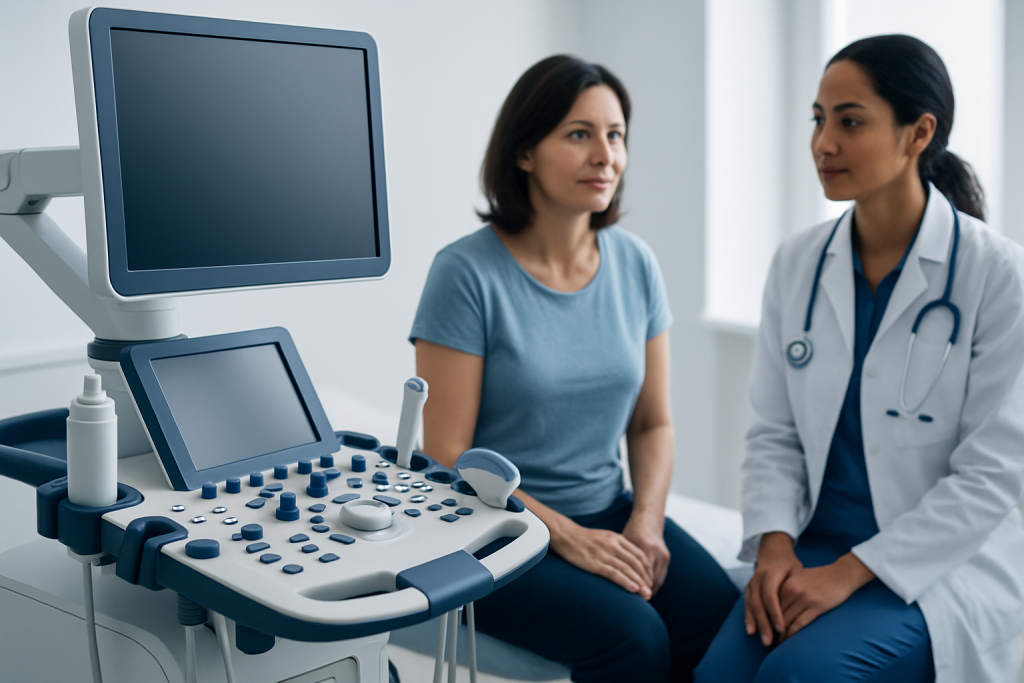
HRT addresses symptoms linked to lower estrogen levels rather than stopping menopause itself. Estrogen acts in many body tissues, including the brain, skin, bones, vagina, bladder, and blood vessels. When estrogen levels fluctuate and then decline, symptoms can vary widely from person to person.
Systemic HRT, meaning treatment that circulates through the bloodstream, is particularly effective for vasomotor symptoms such as hot flushes and night sweats. It may also improve sleep when night sweats are disrupting rest and can reduce menopause-related vaginal and urinary discomfort. Vaginal estrogen can be an effective option when symptoms are limited mainly to dryness, irritation, recurrent urinary discomfort, or pain during sex.
HRT may be prescribed for natural menopause, early menopause, or menopause following surgery or certain medical treatments. People who experience menopause before the usual age often need specialist advice because replacing hormones until around the typical age of menopause may have additional implications for bone and long-term health.
What Does HRT Do to Your Body?

In the first weeks, HRT can reduce the body’s exaggerated temperature responses that contribute to hot flushes and sweating. Over time, it can support the tissues of the vagina and urinary tract, which may become thinner and drier when estrogen is low. It also slows the increased bone breakdown that occurs after menopause.
Some temporary effects can occur while the body adjusts. These may include breast tenderness, nausea, bloating, headaches, mood changes, or light bleeding or spotting. Such effects often improve after the first few months, but persistent or troublesome symptoms should be discussed with the prescribing clinician, as a different dose, route, or hormone combination may suit the person better.
HRT is not intended to reverse aging, improve overall health in every person, or serve as a weight-loss treatment. Its most established role is relief of menopause symptoms and, in appropriate circumstances, prevention of bone loss. The treatment plan should reflect the symptoms that matter most to the individual.
Who May Be a Candidate for HRT Therapy?
HRT therapy may be considered for people with symptoms that affect comfort, sleep, daily activities, sexual wellbeing, or quality of life during perimenopause or menopause. It is often most favorable for healthy people who are younger than 60 years or within 10 years of menopause onset, although decisions should always be individualized.
A clinician will ask about menstrual changes, symptoms, personal and family medical history, medicines, and reproductive history. Blood tests are not routinely needed to diagnose menopause in people over 45 with typical symptoms, but they may be useful in selected circumstances, including suspected early menopause or when another condition may be causing similar symptoms.
Systemic HRT may not be suitable for people with certain hormone-sensitive cancers, unexplained vaginal bleeding, a current or previous blood clot, some liver conditions, or a recent stroke or heart attack. A specialist may still be able to advise on carefully selected options in some situations. Non-hormonal approaches and local treatments may also be appropriate depending on the symptoms and medical history.
- Estrogen-only HRT is generally used after hysterectomy.
- Combined estrogen and progestogen HRT is generally used when the uterus is present.
- Transdermal patches, gels, and sprays may be preferred for some people with factors that raise clotting risk.
- Vaginal estrogen may be considered for local vaginal or urinary symptoms, including when systemic HRT is not appropriate.
Starting HRT: Step by Step and Expected Results
Starting HRT usually begins with a consultation to clarify symptoms, review health history, discuss personal priorities, and consider alternative explanations for symptoms. The clinician and patient then choose a formulation and route of administration. A low effective dose is commonly used initially, with changes made according to response and side effects.
After treatment begins, follow-up is important. The first review is often arranged within a few months to assess symptom relief, side effects, bleeding patterns, adherence, and whether the chosen treatment remains suitable. Longer-term reviews help ensure that the benefits continue to outweigh any risks.
How long does it take for HRT therapy to start working? Some people experience fewer hot flushes or better sleep within a few days or weeks. For many, meaningful improvement develops over several weeks, while it can take up to three months to judge the full effect of a new regimen. HRT therapy results for vaginal and urinary symptoms can also take weeks, particularly if symptoms have been present for a long time.
There is no fixed answer to how long HRT therapy should continue. Treatment is reviewed regularly rather than automatically stopped after a certain number of years. Decisions about ongoing use consider symptom severity, age, treatment type, personal risk factors, and the person’s preferences.
Benefits, Risks, and Safety Considerations
The main benefits of HRT are effective relief of hot flushes and night sweats, improvement in menopause-related vaginal symptoms, and protection against bone loss while treatment is used. It may also improve sleep and day-to-day wellbeing when menopause symptoms are the reason for poor sleep or reduced quality of life.
Risks depend on the type of HRT, route of use, whether progestogen is included, treatment duration, and an individual’s health background. Combined HRT can be associated with a small increase in breast cancer risk that becomes more relevant with longer use. Oral estrogen can increase the risk of blood clots and stroke in some people, while transdermal estrogen may have a lower clotting risk.
Unexpected vaginal bleeding should always be assessed, particularly if it occurs after the first few months of treatment, is heavy, or begins after a period without bleeding. Routine breast screening and other recommended preventive care should continue. HRT should be prescribed and monitored by a clinician who can revisit the plan as health needs change.
Do You Gain Weight With HRT?
HRT is not generally shown to directly cause weight gain. Weight changes are common in midlife because of aging, changes in muscle mass, lower physical activity, sleep disruption, stress, and shifting body composition during menopause. Many people notice that fat is more likely to accumulate around the abdomen after menopause, whether or not they use HRT.
Some people may experience temporary bloating or fluid retention soon after starting a treatment, which can feel like weight gain. If this is persistent or distressing, a clinician can review the regimen and look for other possible causes. Sudden swelling, breathlessness, or rapid unexplained weight change should be assessed promptly.
Regular movement, strength exercises, adequate protein and fiber, sleep support, and attention to alcohol intake can help with body composition and general health during menopause. These measures complement HRT but do not replace individualized medical advice.
When to Seek Medical Care
Medical advice is recommended when menopause symptoms are affecting sleep, work, relationships, sexual comfort, or emotional wellbeing. A clinician can help distinguish menopause symptoms from thyroid disease, anemia, depression, sleep disorders, medication effects, and other health concerns that can produce similar symptoms.
Urgent medical assessment is needed for symptoms that could suggest a blood clot or stroke, such as one-sided leg swelling or pain, sudden chest pain, sudden shortness of breath, facial weakness, difficulty speaking, or sudden severe headache. These symptoms are not expected effects of HRT and should not be managed by simply stopping or changing medication without prompt clinical advice.
People using HRT should contact their clinician for heavy bleeding, bleeding that continues beyond the adjustment period, new breast changes, severe headaches, jaundice, or troublesome side effects. Acibadem International’s multidisciplinary specialists and JCI-accredited hospitals can assess menopause concerns and provide individualized treatment planning for international patients.
Frequently asked questions
What are the signs you need HRT?
There is no single test or symptom that means a person needs HRT. It may be worth discussing with a clinician when hot flushes, night sweats, poor sleep, vaginal dryness, pain during sex, or mood and concentration changes are affecting daily life. A medical review can confirm whether symptoms are likely related to menopause and whether HRT is suitable.
How long does it take HRT therapy to work?
Some symptoms, especially hot flushes and night sweats, may begin to improve within days to a few weeks. Many clinicians advise allowing around three months to assess the overall response to a new HRT regimen. The timing varies with the symptoms being treated and the hormone preparation used.
Can HRT be started during perimenopause?
Yes. HRT can be used during perimenopause when symptoms are bothersome and a clinician confirms that it is appropriate. People who can still become pregnant may need contraception as HRT is not a contraceptive treatment.
Is HRT safe for everyone?
No. Safety depends on an individual’s age, time since menopause, medical history, and the type of treatment considered. People with a history of certain cancers, blood clots, stroke, unexplained vaginal bleeding, or significant liver disease need careful specialist assessment.
Can HRT help with anxiety or low mood?
HRT may improve mood indirectly when menopause symptoms such as night sweats and poor sleep are contributing to distress. However, anxiety and depression can have many causes, and HRT is not the right treatment for every person with these symptoms. A clinician can recommend appropriate mental health support or other treatment when needed.
Can you stop HRT suddenly?
Some people can stop HRT without serious problems, but symptoms may return after stopping. Gradually reducing treatment may be preferred for some individuals, although either approach should be discussed with the prescribing clinician. Ongoing treatment decisions should be based on current symptoms, risks, and personal preferences.
References
- North American Menopause Society
- National Institute for Health and Care Excellence
- American College of Obstetricians and Gynecologists
- International Menopause Society
- World Health Organization
This article is for general information only and is not a substitute for professional medical advice. Please consult a qualified doctor about your individual situation.
Explore treatments in Turkey — costs, top hospitals & a free quote
JCI-accredited · board-certified surgeons · reply within 24h
Add us as a Preferred Source to see more of our trusted health content across Google Search, AI Overviews and Discover.