Hydration and Health: Signs of Dehydration and How Much Water You Need

Thirst, dark urine, dry mouth, headache, fatigue, and dizziness can be early signs of dehydration. Daily water needs vary by age, body size, activity level, climate, diet, pregnancy, breastfeeding, and medical conditions.
Key Takeaways
- Thirst, dark urine, dry mouth, headache, fatigue, and dizziness can be early signs of dehydration.
- Daily water needs vary by age, body size, activity level, climate, diet, pregnancy, breastfeeding, and medical conditions.
- A practical hydration check is pale yellow urine and steady urination, though some foods, supplements, and medicines can change urine color.
- Water is the best everyday drink, but foods, milk, soups, and unsweetened beverages also contribute to total fluid intake.
- Infants, older adults, pregnant people, athletes, and people with fever, vomiting, or diarrhea may need extra attention to hydration.
Hydration supports circulation, temperature control, digestion, kidney function, and clear thinking. Most people can stay well hydrated by drinking regularly, eating water-rich foods, and adjusting fluid intake for heat, activity, illness, and personal health needs.
Overview
Hydration is the balance between the fluid a person takes in and the fluid the body loses through urine, sweat, breathing, and bowel movements. Water is involved in almost every body system. It helps carry nutrients, remove waste, lubricate joints, protect tissues, regulate body temperature, and support blood volume and blood pressure.
Dehydration happens when fluid loss is greater than fluid intake. It may be mild and easy to correct, or it may become more serious if losses continue, especially during hot weather, intense exercise, fever, vomiting, or diarrhea. The goal is not to drink as much as possible, but to maintain a healthy balance that matches the person’s needs.
Hydration needs are individual. A person who works outdoors in a warm climate, an endurance athlete, a breastfeeding parent, and someone recovering from a stomach infection may all need more fluid than a person resting in a cool environment. Some medical conditions, such as kidney disease or heart failure, require personalized fluid advice from a doctor.
How Much Water Do You Need?
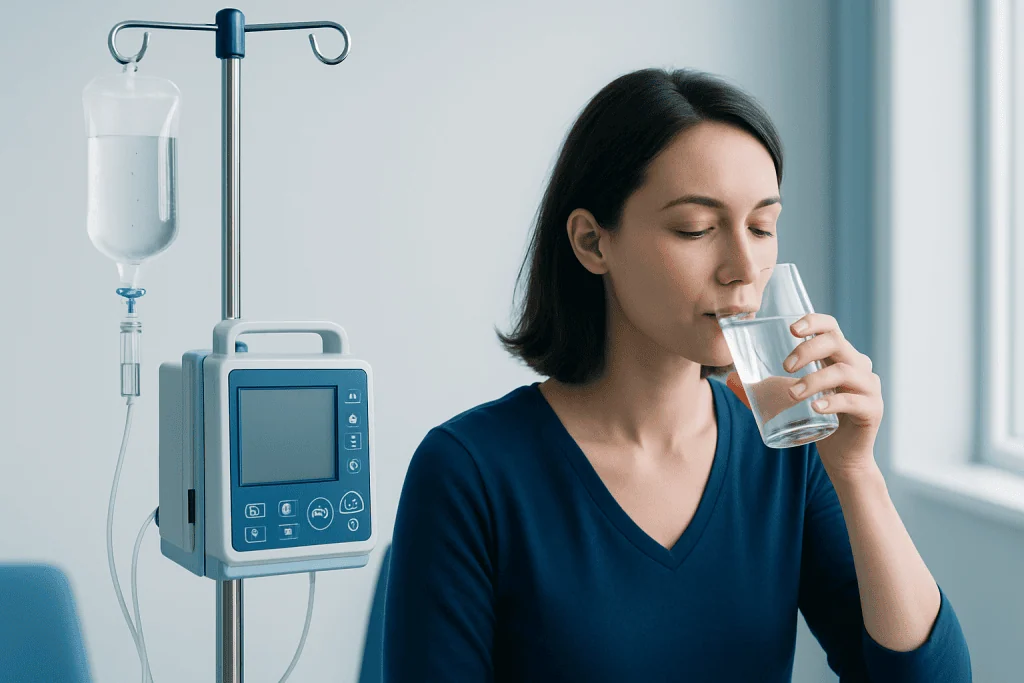
There is no single amount of water that is perfect for everyone. Many healthy adults meet their needs by drinking when thirsty, choosing fluids with meals, and increasing intake when they sweat more. General guidance often refers to total daily water intake, which includes plain water, other drinks, and water from foods such as fruits, vegetables, yogurt, soups, and cooked grains.
As a practical daily habit, many adults do well with regular fluids spread across the day rather than large amounts at once. A reusable water bottle, a glass of water with meals, and fluids before and after exercise can help. People who drink mostly sugary beverages may benefit from gradually replacing some of them with water, sparkling water without sugar, or unsweetened tea.
Fluid needs may rise with:
- Hot or humid weather, saunas, or high-altitude travel
- Physical activity, especially prolonged or intense exercise
- Fever, vomiting, diarrhea, or heavy sweating
- Pregnancy or breastfeeding
- High-fiber diets, which require fluid to support comfortable digestion
Some people should not increase fluids without medical guidance. Those with heart, kidney, or liver disease, low sodium levels, or certain medication plans may need a specific fluid target. In these situations, the safest approach is to follow the care team’s instructions.
Signs and Symptoms of Dehydration

Early dehydration symptoms can be subtle. Thirst is an important signal, but it is not always reliable, particularly in older adults and young children. Common early signs include dry mouth, increased thirst, darker yellow urine, urinating less often than usual, headache, tiredness, reduced concentration, and feeling lightheaded when standing.
As dehydration becomes more significant, symptoms may include very little urine, fast heartbeat, rapid breathing, muscle cramps, weakness, confusion, sunken eyes, or skin that feels unusually dry. In babies and young children, caregivers may notice fewer wet diapers, no tears when crying, unusual sleepiness, irritability, or a sunken soft spot on the head.
Urine color can be a useful clue, but it is not perfect. Pale yellow urine often suggests adequate hydration, while dark amber urine may suggest the need for more fluid. However, vitamin supplements, some medicines, beets, food dyes, and certain medical conditions can change urine color, so symptoms and context also matter.
Causes and Risk Factors
Dehydration is usually caused by reduced fluid intake, increased fluid loss, or both. People may drink less when they are busy, traveling, unwell, nauseated, or avoiding bathroom trips. Fluid loss increases with sweating, fever, diarrhea, vomiting, burns, and certain conditions that cause frequent urination.
Some groups have a higher risk. Infants and young children can lose fluid quickly and may not be able to explain thirst. Older adults may have a lower sense of thirst and may take medicines that affect urination. People who exercise for long periods, work outdoors, or live in hot climates need to replace fluid more actively. Anyone with diabetes, kidney disease, gastrointestinal illness, or a history of heat-related illness should be especially attentive.
Alcohol can increase urination and may contribute to fluid loss, while high-caffeine drinks may increase urination in some people, especially if consumed in large amounts or by those not used to caffeine. Very salty meals can also increase thirst. These factors do not mean a person must avoid them completely, but they are reasons to balance the day with water and nourishing foods.
Hydration During Exercise, Heat, and Illness
Exercise and hot weather increase sweat loss. A simple approach is to begin activity well hydrated, drink during longer sessions, and replace fluid afterward. For short, moderate exercise, water is usually enough. For prolonged exercise, heavy sweating, or activity in heat, the body may also need sodium and other electrolytes, especially if sweat losses are high.
During vomiting or diarrhea, the body loses both fluid and salts. Small, frequent sips are often easier to tolerate than large drinks. Oral rehydration solutions can be helpful because they contain a balanced mix of fluid, salts, and sugar to support absorption. Sports drinks are not the same as medical oral rehydration solutions, and very sugary drinks may worsen diarrhea in some people.
Heat illness prevention includes drinking regularly, taking cooling breaks, wearing breathable clothing, and avoiding peak heat when possible. People should not wait until they feel faint or extremely thirsty before drinking. Children, older adults, outdoor workers, and athletes may need planned hydration reminders during hot days.
Can You Drink Too Much Water?
Although dehydration is more common, drinking excessive amounts of water in a short time can also be harmful. Overhydration can dilute sodium in the blood, a condition called hyponatremia. This is more likely during endurance events when a person drinks far more than they lose through sweat, or in people with conditions that affect the kidneys’ ability to remove water.
Symptoms of low sodium can include nausea, headache, confusion, swelling, and unusual fatigue. Because these symptoms can overlap with dehydration, it is important not to assume that more water is always the answer. People doing long-distance endurance sports should follow evidence-based hydration plans that include attention to thirst, sweat loss, and electrolytes.
For most healthy people, normal drinking patterns and listening to thirst help prevent both dehydration and overhydration. The safest message is balance: drink regularly, increase fluids when losses rise, and seek medical advice if symptoms are unusual, severe, or linked to a known health condition.
Prevention and Daily Self-care
Healthy hydration is easiest when it becomes part of daily routines. Keeping water visible, drinking with meals, choosing water-rich foods, and carrying fluids during travel or outdoor activity can reduce the chance of dehydration. Fruits such as oranges, melons, and berries, and vegetables such as cucumbers, tomatoes, and leafy greens, add both fluid and nutrients.
People who forget to drink may benefit from scheduled reminders, especially older adults, students, office workers, and people who take long trips. During busy days, the first signs of dehydration may be fatigue or headache rather than thirst. A steady pattern of fluids is usually better than trying to catch up late in the day.
Helpful daily habits include:
- Starting the day with a drink of water or another unsweetened beverage
- Drinking before, during, and after physical activity
- Adding a glass of water with high-fiber meals
- Limiting frequent sugary drinks and choosing water more often
- Checking urine color and frequency as a general guide
When to See a Doctor
Medical advice is important if dehydration symptoms are persistent, worsening, or associated with illness. A person should seek prompt care for confusion, fainting, inability to keep fluids down, very little or no urination, severe weakness, signs of heat illness, blood in vomit or stool, or diarrhea that is severe or prolonged. Infants, young children, older adults, and people with chronic illnesses should be assessed earlier because dehydration can progress more quickly.
A doctor may review symptoms, medicines, medical history, fluid intake, urine output, and possible causes of fluid loss. In some cases, blood tests or urine tests may be used to check kidney function, electrolytes, and the degree of dehydration. Treatment may include oral rehydration, medication for the underlying cause, or intravenous fluids when oral intake is not enough.
For international patients who need evaluation or treatment for dehydration-related illness or underlying conditions, Acibadem International’s multidisciplinary specialists and JCI-accredited hospitals provide diagnosis and care in a coordinated setting. Patients should always follow individualized medical guidance, especially if they have kidney, heart, endocrine, or gastrointestinal conditions.
Frequently asked questions
Is thirst enough to know when to drink water?
For many healthy adults, thirst is a useful guide. However, thirst may be less reliable in older adults, young children, during intense exercise, or during illness. Urine color, urine frequency, energy level, and the situation, such as heat or fever, should also be considered.
Does coffee or tea count toward hydration?
Yes, coffee and tea contribute to daily fluid intake. Caffeine can increase urination in some people, especially at higher amounts, but moderate intake is generally still hydrating. Water remains the best everyday choice, particularly for people sensitive to caffeine.
What is the best drink for dehydration?
For mild dehydration from daily under-drinking, plain water is usually appropriate. If dehydration is related to vomiting, diarrhea, heavy sweating, or prolonged exercise, an oral rehydration solution or electrolyte-containing fluid may be more suitable. People with medical conditions should ask a clinician which option is safest.
How can parents tell if a child is dehydrated?
Warning signs include fewer wet diapers or less urination, dry mouth, no tears when crying, unusual sleepiness, irritability, and sunken eyes. Children can lose fluid quickly during fever, vomiting, or diarrhea. Parents should seek medical advice early if a child cannot drink, keeps vomiting, or seems unusually drowsy.
Can drinking more water help headaches?
Dehydration can trigger or worsen headaches in some people, so drinking water may help if fluid intake has been low. However, headaches have many causes, including migraine, infection, stress, vision problems, and medication effects. A severe, sudden, recurring, or unusual headache should be discussed with a doctor.
Should everyone drink eight glasses of water a day?
The eight-glass rule is a simple reminder, not a medical requirement for everyone. Total fluid needs vary and include water from foods and other drinks. A better approach is to drink regularly, adjust for activity and weather, and follow personalized advice for any medical condition.
References
- World Health Organization
- Centers for Disease Control and Prevention
- National Academies of Sciences, Engineering, and Medicine
- Mayo Clinic
- European Food Safety Authority
This article is for general information only and is not a substitute for professional medical advice. Please consult a qualified doctor about your individual situation.
Persistent digestive symptoms? Get evaluated in Turkey
JCI-accredited · board-certified surgeons · reply within 24h
Add us as a Preferred Source to see more of our trusted health content across Google Search, AI Overviews and Discover.
Check your numbers in seconds
BMI, calories, due date, blood pressure and 30+ more clinical calculators — free, instant, doctor-reviewed ranges.

More from the Health Library



Related Specialists

Dr. Arzu Özgeneci Öngün
Pediatrics
Asst. Prof. Dr. Yiğit Umur Cirdi
Orthopedic Surgery & Traumatology
Fzt. Semih Kızıltan
Physical Medicine & Rehabilitation
Dr. Derya Uyan
Gynecology & Obstetrics