Hypercarbia — Explained by Medical Evidence, Not Myths

Hypercarbia means excess carbon dioxide builds up in the bloodstream. Common symptoms include headache, sleepiness, shortness of breath, confusion, and flushed skin.
Key Takeaways
- Hypercarbia means excess carbon dioxide builds up in the bloodstream.
- Common symptoms include headache, sleepiness, shortness of breath, confusion, and flushed skin.
- Causes range from COPD and sleep-related breathing disorders to sedative medications and neuromuscular conditions.
- Diagnosis often includes a clinical exam, pulse oximetry, blood gas testing, and chest or sleep-related assessments.
- Treatment focuses on correcting the cause and supporting breathing safely.
- Urgent medical care is needed for severe drowsiness, worsening breathlessness, bluish lips, or confusion.
Hypercarbia is a higher-than-normal level of carbon dioxide in the blood. It usually happens when the body cannot remove carbon dioxide effectively, often because breathing is too slow, too shallow, or limited by lung, nerve, muscle, or airway problems.
Overview: what hypercarbia means
Hypercarbia, also called hypercapnia, means there is too much carbon dioxide (CO2) in the blood. CO2 is a normal waste gas made by the body during metabolism and removed through the lungs with each breath. When ventilation is not adequate, CO2 can build up faster than the body can exhale it.
This is not a disease by itself. Instead, hypercarbia is a clinical sign that breathing is not effectively clearing CO2. It may happen suddenly, such as during a severe asthma flare, medication-related breathing suppression, or a major airway problem. It can also develop gradually in long-term lung or sleep-related breathing disorders, where symptoms may be subtle at first.
Medical evidence shows that hypercarbia is most closely linked to inadequate alveolar ventilation rather than low oxygen alone. A person may have low oxygen, high CO2, both, or neither, depending on the underlying problem. That is why careful assessment matters, rather than relying on myths or assumptions about breathing symptoms.
Because the brain and many organs are sensitive to changing CO2 levels, hypercarbia can affect alertness, comfort, and heart-lung function. The good news is that it is treatable once the cause is identified, and many people improve with timely diagnosis and the right respiratory support.
How carbon dioxide builds up in the body
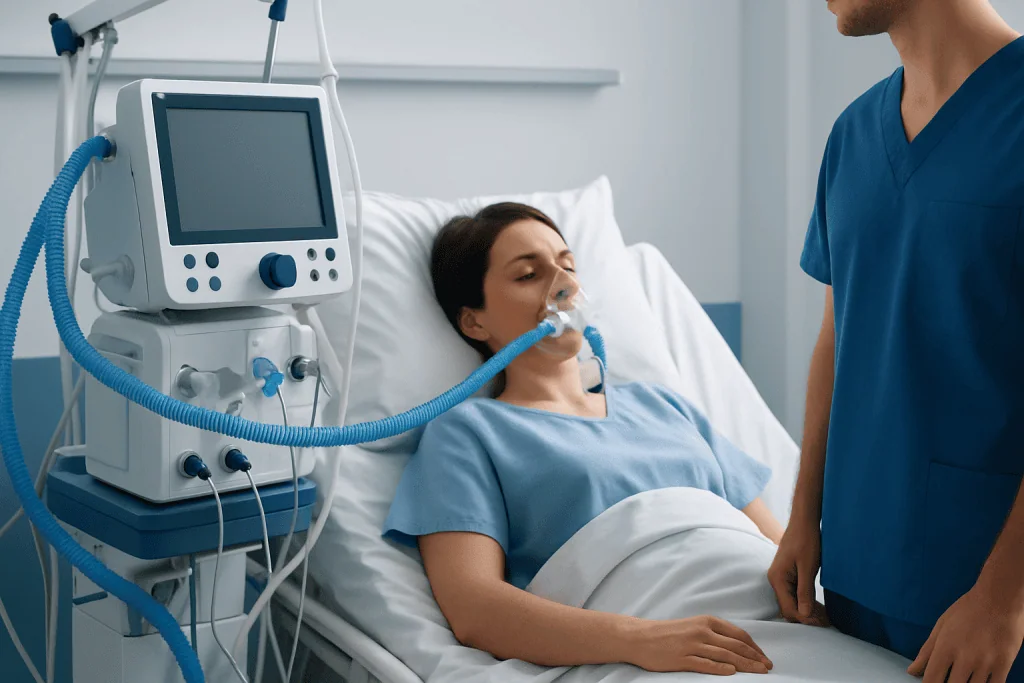
The lungs normally exchange oxygen and carbon dioxide in tiny air sacs called alveoli. Breathing must be deep and regular enough to move fresh air into these spaces and carry waste gas out. If breathing becomes too slow, too shallow, obstructed, or mechanically limited, CO2 removal falls and blood levels rise.
Several body systems help maintain normal ventilation. The brain controls breathing rhythm, nerves transmit signals to the diaphragm and chest muscles, the muscles generate movement, and the airways and lungs allow gas exchange. Problems in any of these steps can lead to hypercarbia.
Hypercarbia can be acute or chronic. In acute cases, CO2 rises over a short time and symptoms may become serious quickly. In chronic cases, the body partially adapts, and the person may mainly notice morning headaches, poor sleep, reduced concentration, or daytime fatigue until the problem becomes more advanced.
Doctors often consider hypercarbia in the broader context of respiratory failure. Depending on the cause, it may overlap with conditions such as chronic obstructive pulmonary disease or sleep-disordered breathing. Understanding the mechanism helps guide the safest and most effective treatment.
Symptoms and possible effects

Symptoms of hypercarbia can vary based on how high the CO2 level is and how quickly it rises. Mild or slowly developing cases may cause headache, daytime sleepiness, fatigue, poor concentration, or a sense of not feeling mentally clear. Some people also notice shortness of breath, disturbed sleep, or waking unrefreshed.
As CO2 levels increase, symptoms may become more obvious. A person may feel flushed, restless, anxious, or unusually sleepy. They may develop confusion, trouble thinking clearly, hand tremor, or a sensation of air hunger. Family members sometimes notice personality or behavior changes before the patient recognizes them.
Severe hypercarbia is a medical emergency. It can lead to marked drowsiness, disorientation, inability to stay awake, bluish lips or fingertips, and in extreme cases reduced consciousness. These signs suggest breathing is not keeping up with the body’s needs and urgent assessment is important.
- Common symptoms: headache, fatigue, breathlessness, poor sleep, morning headaches
- Neurologic symptoms: confusion, sleepiness, slowed thinking, tremor
- Emergency signs: severe drowsiness, worsening shortness of breath, blue discoloration, reduced responsiveness
Causes and risk factors
Many conditions can contribute to hypercarbia. Chronic lung diseases are a frequent cause, especially when airflow is limited or breathing muscles become overworked. Examples include severe asthma, emphysema, chronic bronchitis, chest wall restriction, and advanced obesity-related breathing problems. In some people, sleep apnea or obesity hypoventilation syndrome plays a central role, especially overnight.
Medication effects are another important cause. Opioid pain medicines, sedatives, some anti-anxiety medications, and substances that depress the central nervous system can slow breathing. This risk may be higher in older adults, people with underlying lung disease, and those taking more than one sedating medicine.
Neuromuscular and nervous system conditions can also reduce ventilation. If the diaphragm or chest muscles are weak, the body cannot generate enough effective breaths. Certain brain, spinal cord, or nerve disorders may interfere with the drive to breathe or the ability to move air in and out.
Other risk factors include smoking, advanced lung disease, severe infections affecting the lungs, airway obstruction, recent surgery, and major sleep-related breathing problems. Hypercarbia may also appear during severe respiratory illness requiring hospital-level monitoring and, in some cases, intensive care support.
How doctors diagnose hypercarbia
Diagnosis starts with the story and physical examination. A doctor asks about shortness of breath, sleep quality, medication use, snoring, chronic lung disease, recent illness, and how quickly symptoms began. They also assess alertness, breathing effort, respiratory rate, and whether oxygen levels appear reduced.
Pulse oximetry can help check oxygen saturation, but it does not measure CO2 directly. The most direct way to confirm hypercarbia is with a blood gas test, often an arterial blood gas, which measures carbon dioxide, oxygen, and blood acidity. In some settings, venous blood gases or transcutaneous/end-tidal CO2 monitoring may also provide useful information.
Doctors may order additional tests to find the cause. These can include a chest X-ray, lung function testing, sleep studies, blood tests, or imaging if a structural or neurologic problem is suspected. If a chronic lung condition is involved, assessment may connect with care pathways used for COPD treatment.
The goal is not only to confirm that CO2 is high, but to understand why it is happening. This helps distinguish acute emergencies from longer-term ventilation problems and allows treatment to be tailored safely.
Treatment options and what care may involve
Treatment for hypercarbia focuses on the cause and the person’s overall condition. If the problem is mild and stable, management may involve adjusting medications, treating an infection, addressing sleep-disordered breathing, or improving control of an underlying lung disorder. Some people benefit from breathing support during sleep or targeted pulmonary care.
In more significant cases, oxygen may be used carefully when needed, but oxygen alone does not remove CO2. The priority is improving ventilation. Depending on the cause, doctors may use inhaled medications, airway clearance, infection treatment, reversal of sedating medicines when appropriate, or noninvasive ventilation such as a mask-based breathing device. In severe cases, hospital monitoring and more advanced support may be necessary.
When the airway is obstructed or the lungs are severely affected, respiratory specialists may evaluate whether bronchoscopy or other procedures are helpful. If a sleep-related breathing disorder is involved, structured assessment and management can reduce repeated overnight CO2 retention and improve daytime symptoms.
Long-term treatment may include smoking cessation, pulmonary rehabilitation, weight management, medication review, and careful follow-up. Near the end of the care pathway, some international patients may seek evaluation at centers such as Acibadem International, where multidisciplinary specialists in JCI-accredited hospitals diagnose and treat complex respiratory conditions.
Prevention and self-care
Not every case of hypercarbia can be prevented, but several steps can lower risk. Good control of chronic lung disease is one of the most important. This includes taking prescribed medicines correctly, avoiding smoking and secondhand smoke, staying current with recommended vaccines, and seeking early treatment for worsening respiratory symptoms.
People who snore heavily, stop breathing during sleep, wake with headaches, or feel excessively sleepy in the daytime should ask a doctor about sleep-related breathing disorders. Treating these conditions can improve sleep quality, energy, and carbon dioxide regulation. Weight management may also be helpful for people with obesity-related hypoventilation.
Medication safety matters as well. Sedating medicines should only be used as prescribed, especially opioids or combinations of drugs that can suppress breathing. Any new drowsiness, slowed breathing, or confusion after starting a medication should be discussed promptly with a clinician.
- Do not ignore new morning headaches, worsening fatigue, or increasing sleepiness
- Follow treatment plans for asthma, COPD, or other chronic respiratory conditions
- Avoid smoking and discuss support for quitting if needed
- Ask about sleep testing if snoring or witnessed pauses in breathing are present
When to seek medical care
Medical review is appropriate if a person has ongoing morning headaches, unexplained daytime sleepiness, worsening breathlessness, or symptoms of poor sleep along with a known lung or neuromuscular condition. These signs do not always mean hypercarbia, but they can suggest that breathing is not fully effective, especially during sleep or illness.
Urgent care is needed if symptoms appear suddenly or worsen quickly. Warning signs include increasing confusion, marked drowsiness, bluish lips, chest tightness, rapid decline in alertness, or severe shortness of breath. These can indicate significant respiratory compromise and should not be managed at home without medical advice.
People with chronic respiratory disease, sleep apnea, or previous episodes of CO2 retention may benefit from a clear action plan. Knowing when to call a doctor, when to use prescribed support devices, and when to go to an emergency department can make care safer and more timely.
Because many different conditions can lead to high CO2, a qualified doctor should assess persistent or recurrent symptoms rather than assuming they are simply due to aging, stress, or poor sleep.
Frequently asked questions
Is hypercarbia the same as hypercapnia?
Yes. Hypercarbia and hypercapnia are commonly used to mean excess carbon dioxide in the blood. In everyday medical use, the terms are often treated as interchangeable.
Can someone have hypercarbia without feeling very short of breath?
Yes, especially if it develops gradually. Some people mainly notice morning headaches, daytime sleepiness, poor concentration, or unrefreshing sleep rather than obvious breathlessness.
Does low oxygen always mean hypercarbia?
No. Low oxygen and high carbon dioxide are related but different problems. A person can have one without the other, which is why testing such as blood gas analysis may be needed.
What are common conditions linked to hypercarbia?
Common causes include COPD, severe asthma, sleep apnea, obesity hypoventilation syndrome, sedative medication effects, and some neuromuscular disorders. Lung infections or airway obstruction can also contribute.
How is hypercarbia treated at home?
Home care depends on the cause and should follow a doctor’s plan. It may involve using prescribed inhalers or nighttime breathing support, avoiding sedating substances, stopping smoking, and monitoring for worsening symptoms.
When is hypercarbia an emergency?
It is an emergency when there is severe drowsiness, confusion, bluish lips, trouble staying awake, or rapidly worsening shortness of breath. These signs can mean breathing is failing to clear carbon dioxide effectively and urgent medical care is needed.
References
- World Health Organization
- American Thoracic Society
- National Heart, Lung, and Blood Institute
- National Institute for Health and Care Excellence
- Merck Manual Professional Edition
This article is for general information only and is not a substitute for professional medical advice. Please consult a qualified doctor about your individual situation.
Explore treatments in Turkey — costs, top hospitals & a free quote
JCI-accredited · board-certified surgeons · reply within 24h
Add us as a Preferred Source to see more of our trusted health content across Google Search, AI Overviews and Discover.

More from the Health Library

Creatine: An Evidence-Based Guide for Patients

Manuka Honey — Explained by Medical Evidence, Not Myths

Valerian Root: A Complete Medical Overview

Best Antidepressant for Anxiety and Depression: A Complete Medical Overview

E. Coli Meat UTI Study — Explained by Medical Evidence, Not Myths