Hyperlipidemia: Diagnosis, Outlook, and Modern Treatment Approaches

Hyperlipidemia is high fat levels in the blood, usually cholesterol or triglycerides, and it is diagnosed with blood tests and managed with lifestyle changes…
Key Takeaways
- Hyperlipidemia usually causes no symptoms and is commonly detected with a lipid panel blood test.
- It can involve high LDL cholesterol, high triglycerides, low HDL cholesterol, or a combination of these changes.
- Treatment focuses on lowering the risk of heart attack, stroke, and pancreatitis rather than only improving numbers on a lab report.
- Healthy eating, physical activity, weight management, and stopping smoking are central parts of care.
- Some people also need medicines such as statins, especially if they have diabetes, cardiovascular disease, or inherited lipid disorders.
- Regular follow-up helps track progress and adjust treatment safely.
Hyperlipidemia means there are high levels of fats, such as cholesterol or triglycerides, in the blood. It is often found on routine blood tests, and most people can lower their long-term cardiovascular risk with a combination of lifestyle changes, regular monitoring, and, when needed, medication.
Overview: What hyperlipidemia means
Hyperlipidemia is the medical term for unhealthy levels of fats in the blood, most often cholesterol and triglycerides. In practical terms, it means a person has blood lipid levels that raise the risk of health problems over time, especially atherosclerosis, in which fatty deposits build up in artery walls.
The term may include several patterns: high low-density lipoprotein (LDL) cholesterol, high triglycerides, low high-density lipoprotein (HDL) cholesterol, or a mix of these. LDL is often called “bad” cholesterol because excess LDL contributes to plaque formation. HDL is sometimes called “good” cholesterol because it helps carry cholesterol away from the bloodstream, although treatment decisions are based on overall risk rather than HDL alone.
Hyperlipidemia is common and often develops silently. Many people feel completely well and only learn they have it after a routine blood test. Even without symptoms, untreated lipid disorders can gradually increase the chance of coronary artery disease, stroke, peripheral artery disease, and in very high triglyceride levels, pancreatitis.
Modern care looks beyond a single cholesterol number. Doctors assess a person’s full cardiovascular risk, including age, family history, blood pressure, diabetes, smoking, body weight, and other medical conditions. This broader approach helps guide whether lifestyle steps alone are appropriate or whether medication should be added.
Symptoms and possible complications
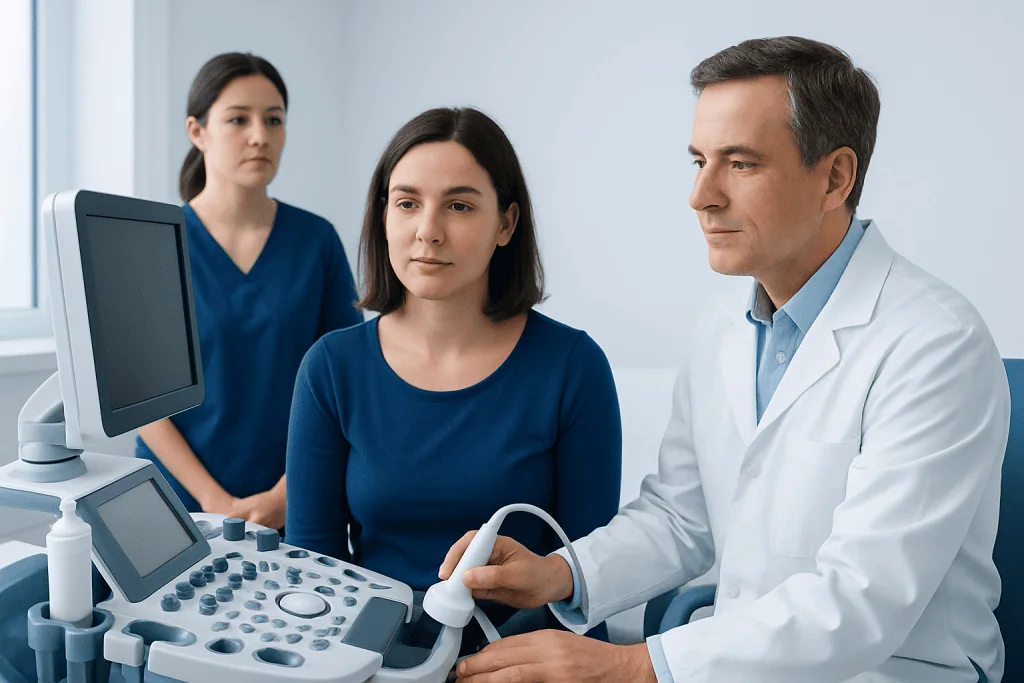
Hyperlipidemia itself usually does not cause noticeable symptoms. This is one reason screening is important. A person may have markedly abnormal lipid levels for years without any warning signs until vascular disease begins to affect the heart, brain, or circulation.
When complications develop, symptoms relate to the affected organ rather than to the lipid problem itself. For example, chest pressure or shortness of breath may suggest heart disease, while sudden weakness, facial drooping, or speech difficulty may point to a stroke. Leg pain with walking can occur when circulation to the limbs is reduced.
Some inherited or severe lipid disorders can produce visible findings. These may include yellowish cholesterol deposits in the skin or around the eyelids, or fatty nodules over tendons. Very high triglyceride levels may also increase the risk of acute pancreatitis, which can cause severe upper abdominal pain, nausea, and vomiting.
- Most people have no symptoms at all.
- Complications may involve the heart, brain, or blood vessels.
- Very high triglycerides can become an urgent issue because of pancreatitis risk.
- A strong family history may suggest an inherited condition such as familial hypercholesterolemia.
Causes and risk factors

Hyperlipidemia may be primary, meaning it is largely influenced by genetics, or secondary, meaning it is linked to another condition, medicine, or lifestyle factor. Often, both play a role. A person may inherit a tendency toward high LDL cholesterol but also develop higher levels because of weight gain, limited exercise, or diet.
Common lifestyle-related contributors include eating patterns high in saturated fat, trans fat, or excess refined carbohydrates, low physical activity, obesity, and smoking. Regular alcohol use can also raise triglyceride levels in some people. In many cases, improving these factors can make a meaningful difference, even when medication is also needed.
Several medical conditions may contribute to abnormal lipids. These include diabetes, hypothyroidism, chronic kidney disease, liver disease, metabolic syndrome, and some hormonal conditions. Certain medicines, such as some steroids, retinoids, immunosuppressants, and hormonal therapies, can affect cholesterol or triglyceride levels as well.
Family history remains especially important. If close relatives developed high cholesterol or cardiovascular disease at a younger age, an inherited lipid disorder may be present. In such cases, doctors may recommend earlier or more intensive evaluation, and sometimes family members also need testing.
How hyperlipidemia is diagnosed
Diagnosis is usually made with a blood test called a lipid panel. This test measures total cholesterol, LDL cholesterol, HDL cholesterol, and triglycerides. In some cases, doctors may also consider non-HDL cholesterol, apolipoprotein B, or lipoprotein(a), especially when risk appears higher than standard testing alone suggests.
A lipid panel may be done as part of routine preventive care or because a person has risk factors such as diabetes, high blood pressure, obesity, a strong family history, or established cardiovascular disease. Fasting is not always required, but a clinician may request a fasting sample when triglycerides are high or results need clarification.
Diagnosis is not based on one number alone. A doctor interprets lipid levels in the context of overall health and long-term risk. This may include reviewing blood pressure, blood sugar, kidney function, thyroid tests, medication use, smoking history, and any previous cardiovascular events. The goal is to decide how likely plaque-related disease is and how much treatment may lower that risk.
If results suggest a more complex disorder, additional evaluation may be recommended. This can include repeat testing, assessment for secondary causes, or referral to a specialist in cardiology, endocrinology, or internal medicine. In selected people, advanced cardiovascular evaluation or cardiology check-up planning can help clarify overall vascular risk.
Modern treatment approaches
Treatment for hyperlipidemia is individualized. The main goal is not simply to normalize a lab value, but to lower the chance of heart attack, stroke, and other complications. For people with very high triglycerides, treatment also aims to reduce pancreatitis risk. The plan depends on which lipid abnormality is present, how severe it is, whether there is cardiovascular disease already, and what other risk factors a person has.
Lifestyle changes are the foundation of care. Doctors commonly advise a heart-healthy eating pattern rich in vegetables, fruits, legumes, whole grains, nuts, and sources of unsaturated fat, while limiting saturated fats, trans fats, and excess sugar. Regular exercise, weight management, smoking cessation, and moderation of alcohol intake are also important. These measures can improve lipids and support blood pressure, blood sugar, and overall metabolic health at the same time.
When medication is needed, statins are often the first choice because they lower LDL cholesterol and reduce cardiovascular risk. Depending on the situation, other medicines may be added or substituted, such as ezetimibe, PCSK9-targeted therapies, bile acid sequestrants, fibrates, or omega-3-based treatments for selected patients with high triglycerides. A doctor will consider benefits, side effects, liver and muscle safety, other medicines, and whether pregnancy is possible or planned.
Some people need more structured management because of inherited disorders, mixed lipid abnormalities, or established vascular disease such as coronary artery disease. In appropriate cases, care may include specialist input and broader cardiovascular prevention. Depending on the person’s needs, related evaluation or treatment can include coronary angiography or cholesterol treatment as part of a coordinated plan.
Prevention, self-care, and long-term outlook
Prevention begins with healthy daily habits and regular health checks. Because hyperlipidemia often causes no symptoms, routine screening plays an important role, especially for adults with risk factors or a family history of early cardiovascular disease. Early detection allows treatment to begin before complications develop.
Self-care measures can be highly effective. Helpful steps include choosing more fiber-rich foods, limiting processed and fried foods, staying physically active most days of the week, maintaining a healthy body weight, sleeping well, and avoiding tobacco. People with high triglycerides may also need to reduce alcohol and refined carbohydrates more carefully, as these can strongly affect triglyceride levels.
The long-term outlook is often very good when hyperlipidemia is recognized and managed consistently. Many people achieve meaningful improvement with lifestyle changes alone, while others benefit from medicine that keeps risk lower over the years. Following the treatment plan matters, because lipid levels can rise again if medication is stopped or healthy routines become difficult to maintain.
Regular follow-up helps doctors monitor progress and make adjustments. This may involve repeat lipid testing, checking for side effects, and reviewing blood pressure, diabetes control, diet, exercise, and smoking status. Near the end of the care journey, some international patients may seek coordinated assessment at centers such as Acibadem International, where multidisciplinary specialists in JCI-accredited hospitals diagnose and treat cardiovascular risk conditions.
When to seek medical care
A person should arrange a medical review if routine blood tests show high cholesterol or triglycerides, or if there is a strong family history of early heart disease or inherited lipid disorders. Medical advice is also important for people who have diabetes, high blood pressure, obesity, kidney disease, or thyroid disease, since these conditions often interact with lipid levels.
Prompt care is needed if symptoms suggest a complication rather than uncomplicated hyperlipidemia. Urgent evaluation is appropriate for chest pain, shortness of breath, sudden weakness, trouble speaking, severe headache, or fainting. Severe upper abdominal pain with nausea or vomiting can be a warning sign of pancreatitis, especially when triglycerides are very high.
People taking lipid-lowering medication should also contact a clinician if they develop unexpected muscle pain, weakness, dark urine, jaundice, or other concerning side effects. In most cases, medicines can be adjusted safely, but symptoms should not be ignored.
Medical care is especially helpful when results remain abnormal despite lifestyle efforts. A clinician can look for underlying causes, estimate overall cardiovascular risk, and decide whether medication or specialist referral is appropriate.
Frequently asked questions
Is hyperlipidemia the same as high cholesterol?
High cholesterol is one common form of hyperlipidemia, but the term is broader. Hyperlipidemia can also include high triglycerides, low HDL cholesterol, or a combination of abnormal blood fats.
Can hyperlipidemia cause symptoms?
Usually, no. Most people feel well and only find out through a blood test. Symptoms generally appear only if complications such as heart disease, stroke, or pancreatitis develop.
Can diet and exercise really improve hyperlipidemia?
Yes, for many people they can make a meaningful difference. Healthy eating, regular physical activity, weight management, and stopping smoking often improve lipid levels and reduce overall cardiovascular risk, although some people still need medication because of genetics or other health conditions.
When are medicines needed for hyperlipidemia?
Medicines may be recommended when LDL cholesterol or triglycerides are significantly elevated, when lifestyle changes are not enough, or when a person already has cardiovascular disease, diabetes, or high overall risk. The choice of medicine depends on the lipid pattern, medical history, and treatment goals.
Is hyperlipidemia hereditary?
It can be. Some people inherit conditions that cause very high cholesterol levels, often at a young age, and these disorders may run strongly in families. A family history of early heart disease or very high cholesterol should be discussed with a doctor.
How often should lipid levels be checked?
The timing varies by age, risk factors, and whether a person is on treatment. Some people need periodic routine screening, while others need more frequent follow-up to see how lifestyle changes or medication are working.
This article is for general information only and is not a substitute for professional medical advice. Please consult a qualified doctor about your individual situation.
Heart care in Turkey — expert evaluation and treatment
JCI-accredited · board-certified surgeons · reply within 24h
Add us as a Preferred Source to see more of our trusted health content across Google Search, AI Overviews and Discover.
Check your numbers in seconds
BMI, calories, due date, blood pressure and 30+ more clinical calculators — free, instant, doctor-reviewed ranges.

More from the Health Library

Metatarsalgia: Early Signs, Risk Factors, and How It Is Treated

Microvascular Ischemia: Early Signs, Risk Factors, and How It Is Treated

Outpatient Physical Therapy: How It Works, Results and What to Expect

Dermatosis: Early Signs, Risk Factors, and How It Is Treated

Understanding Keratoconjunctivitis Sicca: A Complete Patient Guide