

Hypervolemia: Diagnosis, Outlook, and Modern Treatment Approaches
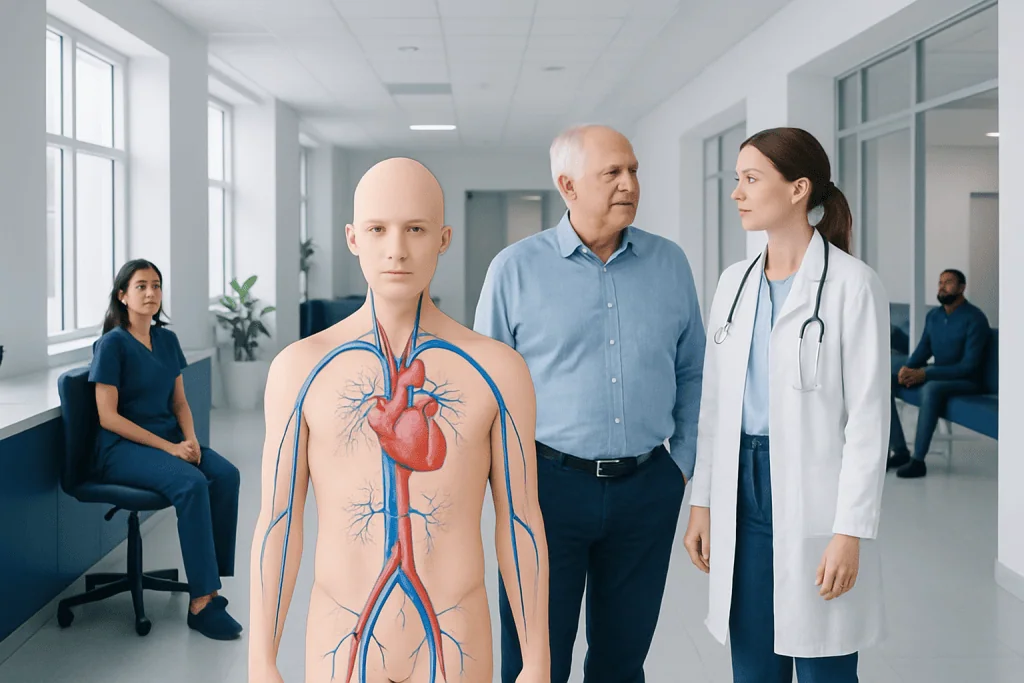
Hypervolemia is excess body fluid, often called fluid overload. Common signs include swelling, rapid weight gain, shortness of breath, and high blood pressure.
Key Takeaways
- Hypervolemia is excess body fluid, often called fluid overload.
- Common signs include swelling, rapid weight gain, shortness of breath, and high blood pressure.
- It is often linked to heart, kidney, or liver disease, certain medicines, or too much sodium and fluid intake.
- Diagnosis usually combines a physical exam, blood and urine tests, and imaging when needed.
- Treatment may include fluid and salt restriction, diuretic medicines, and care for the underlying condition.
- New or worsening breathing trouble, chest pain, or confusion needs prompt medical attention.
Hypervolemia means there is too much fluid in the bloodstream and tissues. It is usually a sign of an underlying medical problem, and care focuses on confirming the cause, easing symptoms, and restoring a safer fluid balance.
Overview: What hypervolemia means
Hypervolemia is a condition in which the body holds on to too much fluid. This extra fluid increases the amount of liquid in the blood vessels and can also move into tissues, leading to swelling and congestion. In everyday practice, doctors often describe it as fluid overload.
Hypervolemia is not usually a disease by itself. Instead, it is often a result of another health problem that affects how the body handles salt and water. Common examples include heart failure, kidney disease, and liver disease, although medicines, intravenous fluids, and some hormonal disorders can also contribute.
The outlook depends largely on the underlying cause, how quickly symptoms are recognized, and how well the person responds to treatment. Many people improve with a careful treatment plan, especially when the cause is identified early and fluid balance is monitored closely.
Symptoms and how it may feel

Symptoms of hypervolemia can build gradually or appear more quickly, depending on the cause. A person may notice puffiness in the feet, ankles, legs, hands, or abdomen. Clothing, rings, or shoes may feel tighter than usual, and body weight can increase over a short period of time because of retained fluid rather than body fat.
When extra fluid affects the lungs or circulation, breathing may become harder. Some people feel short of breath when walking, lying flat, or during the night. Others notice a cough, a sense of chest heaviness, or unusual fatigue because the heart and lungs are working harder.
Other possible signs include raised blood pressure, a bloated feeling, visibly distended neck veins, and reduced exercise tolerance. In more severe cases, fluid overload can be associated with confusion, dizziness, or worsening weakness, especially in older adults or people with significant kidney or heart disease.
- Swelling in the legs, ankles, feet, or hands
- Rapid weight gain over days
- Shortness of breath or trouble lying flat
- Abdominal swelling or fullness
- High blood pressure
- Fatigue and reduced stamina
Causes and risk factors

The body normally keeps fluid balance through a coordinated system involving the kidneys, heart, blood vessels, hormones, and sodium levels. Hypervolemia develops when this balance shifts and the body retains more salt and water than it can safely manage. In many cases, sodium retention is a key part of the problem, because water tends to follow sodium.
Heart conditions are a common cause. When the heart cannot pump efficiently, fluid may back up in the lungs and tissues. This is one reason fluid overload can occur in people with heart failure. Kidney disorders are another major cause because the kidneys regulate how much water and salt leave the body. If kidney function declines, the body may retain fluid, as can happen in kidney failure.
Liver disease can also lead to fluid retention, especially when low protein levels and pressure changes in blood vessels allow fluid to leak into tissues or the abdomen. In addition, some medicines, such as certain anti-inflammatory drugs, steroids, hormone treatments, and some blood pressure medicines, may worsen fluid retention in susceptible people. People receiving large amounts of intravenous fluids, especially during hospitalization, may also develop hypervolemia if their body cannot clear the excess well.
Risk is higher in older adults, people with chronic heart, liver, or kidney disease, and those with a high-sodium diet. Reduced mobility, advanced illness, and certain endocrine disorders can also increase the likelihood of fluid overload.
How hypervolemia is diagnosed
Diagnosis starts with a careful medical history and physical examination. Doctors ask about recent weight changes, shortness of breath, swelling, salt intake, urine output, and medicines. They also look for signs such as pitting edema, elevated blood pressure, lung crackles, and swollen neck veins.
Laboratory tests help clarify why fluid is building up. Blood tests may assess kidney function, electrolytes, liver function, and protein levels. Urine tests can provide clues about how well the kidneys are concentrating and eliminating fluid. Depending on symptoms, doctors may also request tests related to the heart, such as markers used when evaluating suspected heart failure.
Imaging and other studies are chosen based on the clinical picture. A chest X-ray may show fluid congestion in the lungs, while ultrasound can help assess fluid in the abdomen or evaluate the kidneys. An echocardiogram may be recommended when a heart-related cause is suspected. In more complex cases, diagnosis may involve a combined review by nephrology, cardiology, or internal medicine specialists.
Daily weight tracking can be very useful, both during diagnosis and after treatment begins. Small changes from one day to the next may show whether the body is gaining or losing excess fluid, even before symptoms become obvious.
Modern treatment approaches
Treatment for hypervolemia focuses on two goals: reducing the extra fluid safely and addressing the underlying condition that caused it. The plan depends on how severe symptoms are, whether the lungs are affected, and how well the heart, kidneys, and liver are functioning. Mild cases may improve with outpatient care, while more serious fluid overload may require hospital monitoring.
Many people are advised to limit sodium and sometimes total fluid intake. Sodium reduction matters because salt encourages the body to hold on to water. Doctors may also prescribe diuretics, often called water pills, to help the kidneys remove extra fluid through urine. These medicines need monitoring because they can affect blood pressure, kidney function, and electrolyte levels.
If hypervolemia is related to kidney failure or severe kidney dysfunction, treatment may include more advanced support such as dialysis. If a heart-related cause is present, care may include medicines and follow-up aimed at improving circulation and controlling congestion. In selected cases, clinicians may investigate whether procedures used in cardiology care are relevant to the underlying disease rather than to hypervolemia itself.
Hospital care may be needed for severe breathing difficulty, very low urine output, or rapidly worsening swelling. In that setting, treatment can include intravenous diuretics, oxygen support, and close monitoring of weight, urine output, blood tests, and vital signs. For international patients with complex causes, Acibadem International’s multidisciplinary specialists and JCI-accredited hospitals provide diagnosis and treatment planning tailored to the person’s overall condition.
Living with hypervolemia: self-care and prevention
Self-care is an important part of managing hypervolemia, especially for people with chronic heart, kidney, or liver conditions. Daily habits can support medical treatment and help detect fluid retention early. Following the care team’s advice on salt, fluids, and medicines is often central to keeping symptoms stable.
Many doctors recommend checking body weight at the same time each day, usually in the morning after using the bathroom and before eating. A sudden increase may suggest fluid retention, even if swelling is not yet obvious. Keeping a symptom diary can also help track shortness of breath, ankle swelling, appetite, or changes in urination.
Food choices matter because a high-sodium diet makes fluid overload more likely. Processed foods, canned soups, salty snacks, and restaurant meals are common sources of hidden salt. People with hypervolemia often benefit from reading labels, cooking more at home, and discussing an appropriate eating plan with a doctor or dietitian.
- Take medicines exactly as prescribed
- Monitor daily weight and report sudden gains
- Follow sodium and fluid recommendations
- Attend follow-up visits and blood tests
- Ask before using over-the-counter pain relievers or supplements
- Stay active as advised, while balancing rest and symptom limits
Outlook and what affects recovery
The outlook for hypervolemia varies widely because it depends on the reason it developed. When fluid overload is caused by a temporary issue, such as excessive intravenous fluids or a short-term medication effect, it may improve quickly once the trigger is corrected. In chronic conditions, hypervolemia can return if the underlying disease progresses or treatment is not enough.
Recovery is often better when symptoms are recognized early and monitored consistently. People who understand their personal warning signs, attend regular follow-up visits, and keep a close eye on weight changes may be able to prevent more serious episodes. Good communication with the care team is especially important when symptoms change or medicines are adjusted.
Long-term management may involve more than one specialist, particularly when the cause involves the heart, kidneys, or liver. For example, some people benefit from coordinated care that includes evaluation in nephrology services or specialist review for advanced liver or heart disease. Even when hypervolemia is chronic, symptom control and quality of life can often improve with a structured plan.
When to seek medical care
Medical advice is recommended if a person develops new swelling, unexplained rapid weight gain, or increasing shortness of breath. These symptoms do not always mean severe illness, but they should be assessed, particularly in someone who already has heart, kidney, or liver disease.
Prompt medical attention is important if breathing becomes difficult at rest, chest pain develops, confusion appears, urine output drops sharply, or swelling worsens quickly. These signs can suggest significant fluid overload or worsening of the underlying condition and may require urgent treatment.
People who have been told to monitor their weight or fluid intake should contact their clinician if they exceed the limits or notice a sudden change from their usual pattern. Early review may help prevent a hospital visit and allows treatment to be adjusted safely.
Frequently asked questions
Is hypervolemia the same as edema?
Not exactly. Hypervolemia means there is too much fluid in the body, especially within the circulation, while edema refers to swelling caused by fluid collecting in tissues. Hypervolemia can lead to edema, but the terms are not fully interchangeable.
Can hypervolemia go away on its own?
Sometimes mild fluid retention improves when a temporary trigger is removed, such as excess salt intake or unnecessary fluids. However, hypervolemia often reflects an underlying medical issue, so it should not be ignored. A doctor can determine whether monitoring, lifestyle changes, or treatment is needed.
What is the difference between hypervolemia and dehydration?
Hypervolemia means too much fluid, while dehydration means too little fluid. Both can upset the body’s balance and affect blood pressure, kidney function, and energy levels. Because symptoms can overlap in some situations, medical assessment is helpful.
How quickly can treatment work?
The response depends on the cause and severity. Some people notice reduced swelling or easier breathing within days of treatment, especially if diuretics and sodium restriction are effective. Others need ongoing adjustment of therapy because chronic heart, kidney, or liver disease can make fluid balance more complex.
Does drinking less water always fix hypervolemia?
No. Although fluid restriction may be part of treatment, the main problem is often how the body handles salt and water because of an underlying disease. Reducing fluids too much without medical guidance can also be unsafe, so it is best to follow individualized advice.
Who is most at risk of hypervolemia?
People with heart failure, chronic kidney disease, kidney failure, or advanced liver disease are at higher risk. Older adults, hospitalized patients receiving intravenous fluids, and people taking medicines that promote fluid retention may also be more vulnerable.
References
- National Heart, Lung, and Blood Institute
- National Institute of Diabetes and Digestive and Kidney Diseases
- American Heart Association
- Kidney Disease: Improving Global Outcomes
- Merck Manual Professional Edition
This article is for general information only and is not a substitute for professional medical advice. Please consult a qualified doctor about your individual situation.
Explore treatments in Turkey — costs, top hospitals & a free quote
JCI-accredited · board-certified surgeons · reply within 24h
Add us as a Preferred Source to see more of our trusted health content across Google Search, AI Overviews and Discover.
Check your numbers in seconds
BMI, calories, due date, blood pressure and 30+ more clinical calculators — free, instant, doctor-reviewed ranges.

More from the Health Library



Related Specialists
Dr. Haldun Şentürk
Emergency Service
Dr. Şenol Coşkun
Cardiology
Dr. Özgün Barış Çolak
Physical Medicine & Rehabilitation
Assoc. Prof. Dr. Pınar Kahraman Koytak
Neurology