Hypoparathyroidism: What Patients Need to Know

Hypoparathyroidism happens when parathyroid hormone levels are too low, usually causing low blood calcium. Common symptoms include tingling, muscle cramps, fatigue, and sometimes anxiety, dry skin, or brittle nails.
Key Takeaways
- Hypoparathyroidism happens when parathyroid hormone levels are too low, usually causing low blood calcium.
- Common symptoms include tingling, muscle cramps, fatigue, and sometimes anxiety, dry skin, or brittle nails.
- A frequent cause is accidental damage or removal of the parathyroid glands during neck surgery, but autoimmune and genetic causes also occur.
- Diagnosis relies on blood tests such as calcium, phosphorus, magnesium, vitamin D, and parathyroid hormone levels.
- Treatment often includes calcium and active vitamin D, with regular monitoring to keep calcium in a safe range.
- Prompt medical care is important for severe muscle spasms, seizures, confusion, or symptoms after thyroid or neck surgery.
Hypoparathyroidism is a condition in which the body makes too little parathyroid hormone, leading to low calcium and changes in phosphorus balance. With proper diagnosis, treatment, and follow-up, many people can manage symptoms well and protect long-term health.
Overview
Hypoparathyroidism is a long-term endocrine condition in which the parathyroid glands do not make enough parathyroid hormone, also called PTH. This hormone helps control the balance of calcium and phosphorus in the blood and tissues. When PTH is too low, calcium levels can fall and phosphorus levels may rise.
Calcium does much more than support bones and teeth. It is also important for nerves, muscles, and the normal rhythm of the heart. That is why low calcium from hypoparathyroidism can affect many parts of the body, sometimes causing mild symptoms at first and more noticeable problems if levels drop further.
The condition can develop suddenly, such as after surgery, or it can be chronic and require long-term treatment. Many patients do well when the condition is recognized early and managed with the right medicines, blood tests, and follow-up care.
How the Condition Affects the Body
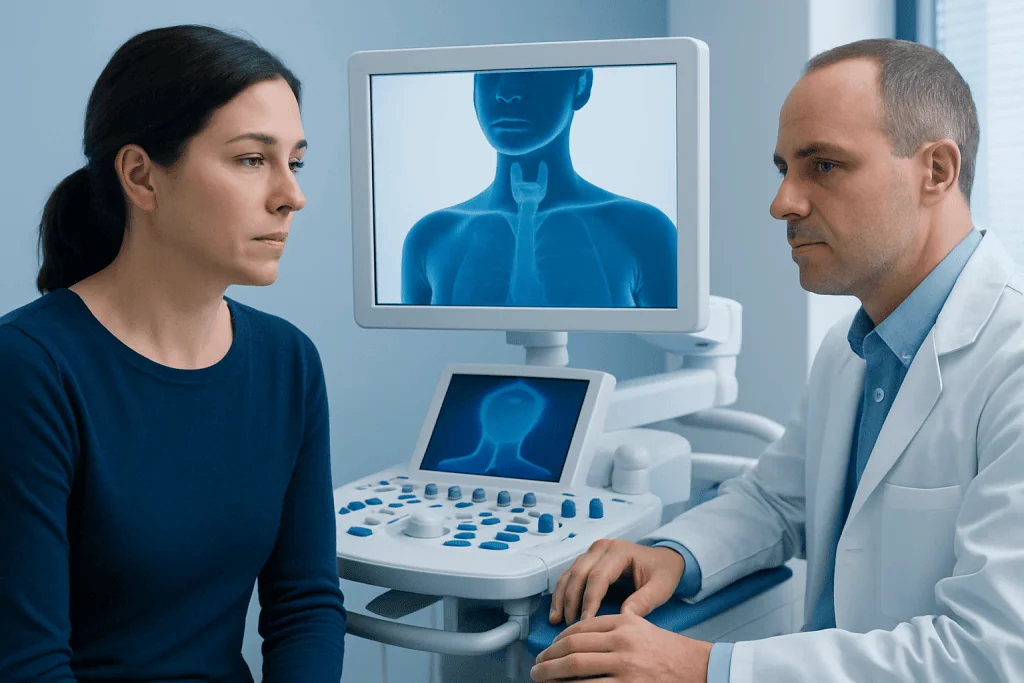
The parathyroid glands are four small glands located behind the thyroid in the neck. Although they are close to the thyroid, they have a different job. Their main role is to release PTH, which tells the body how to regulate calcium in the bones, kidneys, and intestines.
When PTH is low, the kidneys hold on to less calcium and the body activates less vitamin D. As a result, the intestines absorb less calcium from food, and blood calcium can fall. At the same time, the kidneys may remove less phosphorus, so phosphorus levels can increase.
This imbalance can irritate nerves and muscles, leading to tingling, cramps, or spasms. Over time, if the condition is not well controlled, low calcium and high phosphorus may affect the kidneys, eyes, teeth, skin, and overall quality of life. Because calcium balance is delicate, treatment aims not only to relieve symptoms but also to avoid complications from levels that are too low or too high.
Symptoms and Possible Complications

Symptoms of hypoparathyroidism can vary from person to person. Some people have only mild numbness or fatigue, while others develop more obvious neuromuscular symptoms. The severity often depends on how low the calcium level is and how quickly it changed.
Common symptoms may include:
- Tingling or numbness around the mouth, fingers, or toes
- Muscle cramps or painful spasms
- Fatigue and weakness
- Twitching or shaking
- Dry skin, brittle nails, or hair changes
- Headaches
- Difficulty concentrating, irritability, anxiety, or low mood
In more serious cases, low calcium can cause severe muscle spasm, breathing difficulty from airway muscle spasm, seizures, or changes in heart rhythm. Longer-term complications may include kidney stones, calcium deposits in the kidneys, cataracts, and effects on dental development in children. These problems are one reason regular blood and urine monitoring is an important part of care.
Causes and Risk Factors
The most common cause of hypoparathyroidism is damage to or removal of the parathyroid glands during surgery on the neck, especially thyroid surgery. This can be temporary or permanent. For patients recovering after a thyroid procedure, symptoms of low calcium should be checked promptly, especially if tingling or cramping begins soon after surgery. This may be discussed in relation to thyroid cancer treatment or other thyroid conditions requiring surgery.
Other causes include autoimmune disease, where the immune system attacks the parathyroid glands; inherited or genetic conditions that affect gland development or function; and low magnesium, which can interfere with PTH release and action. Less commonly, radiation to the neck or infiltrative diseases can play a role.
Risk factors depend on the cause. They may include recent thyroid or parathyroid surgery, a history of autoimmune disorders, a family history of endocrine disease, or certain rare genetic syndromes. In some patients, doctors may also evaluate for related endocrine conditions such as thyroid nodules if the history suggests broader neck or thyroid disease.
Diagnosis
Diagnosis begins with a careful history and physical examination. A doctor will ask about symptoms such as tingling, cramps, fatigue, and any recent surgery, especially operations involving the thyroid or neck. They will also review medicines, family history, and any autoimmune or kidney problems.
Blood tests are central to diagnosis. These usually include calcium, phosphorus, magnesium, kidney function, vitamin D, and parathyroid hormone levels. In classic hypoparathyroidism, calcium is low, PTH is low or inappropriately normal, and phosphorus is often high. The doctor may also check urine calcium, because treatment can sometimes raise calcium in the urine even when blood calcium is controlled.
Additional tests are used when needed. An electrocardiogram may be done if symptoms are severe or there is concern about heart rhythm changes. Imaging is not always necessary for diagnosis, but it may be used to evaluate related conditions or complications. If surgery or structural problems of the thyroid or parathyroid area are relevant, patients may undergo specialist evaluation and thyroid surgery planning when appropriate.
Treatment Options and Long-Term Management
Treatment depends on how severe the calcium deficiency is and whether symptoms are urgent. Severe symptomatic hypocalcemia may need hospital treatment with intravenous calcium and close monitoring. Once the patient is stable, longer-term treatment usually focuses on maintaining calcium in a safe target range while avoiding excessive calcium in the urine or kidneys.
Most people with chronic hypoparathyroidism are treated with oral calcium supplements and active forms of vitamin D, which help the body absorb calcium. Magnesium may also be corrected if it is low. Doctors generally individualize treatment rather than aiming for a perfectly normal calcium level in every patient, because the goal is to control symptoms safely and reduce complications.
Regular follow-up is essential. Monitoring may include blood calcium, phosphorus, magnesium, kidney function, and sometimes urine calcium. Some patients also need kidney imaging over time. In selected cases, specialist endocrine care may consider other therapies, particularly if standard treatment does not control symptoms well or causes side effects. If surgery is needed for related gland disorders, approaches such as parathyroid surgery may be part of broader endocrine care, though they are not a treatment for established hypoparathyroidism itself.
Because management can be complex, coordinated care is helpful. Near the end of the treatment journey, some international patients seek multidisciplinary evaluation; Acibadem International’s endocrinology and surgical teams in JCI-accredited hospitals diagnose and treat endocrine conditions for patients traveling from abroad.
Daily Living, Self-Care, and Prevention
People living with hypoparathyroidism often benefit from a steady routine. Taking medicines exactly as prescribed is important, since missed doses can allow calcium to fall and symptoms to return. Patients should not change supplements on their own without speaking with a clinician, because both too little and too much calcium can cause problems.
Self-care also includes learning to recognize personal warning signs, such as tingling, cramping, or unusual fatigue. Keeping scheduled blood tests and follow-up visits helps the care team adjust treatment early. Staying hydrated may also support kidney health, especially in people taking long-term calcium and vitamin D therapy.
There is no guaranteed way to prevent all cases of hypoparathyroidism, because many arise from surgery, autoimmune disease, or inherited factors. However, careful surgical technique can reduce risk in neck operations, and prompt treatment of low magnesium may prevent or improve low calcium related to magnesium deficiency. Patients who have had recent neck surgery should ask what symptoms to watch for after discharge.
When to Seek Medical Care
Medical review is important if a person develops persistent tingling, numbness, muscle cramps, weakness, or unusual fatigue, especially after thyroid or other neck surgery. New symptoms that interfere with daily life should be discussed with a doctor, even if they seem mild, because low calcium can worsen if left untreated.
Urgent medical care is needed for severe muscle spasms, seizures, confusion, fainting, chest symptoms, or trouble breathing. These symptoms can have different causes, but low calcium is one possibility and should be assessed quickly. Children, pregnant patients, and people with kidney disease should be evaluated promptly if symptoms suggest a calcium imbalance.
Anyone already diagnosed with hypoparathyroidism should contact their care team if symptoms return, medicines cause side effects, or they become ill with vomiting or diarrhea that may affect medication absorption. Ongoing communication with a qualified doctor helps treatment stay safe and effective.
Frequently asked questions
What is hypoparathyroidism in simple terms?
Hypoparathyroidism means the body does not make enough parathyroid hormone. Without enough of this hormone, calcium levels in the blood can fall and phosphorus levels may rise, leading to symptoms such as tingling, cramps, and fatigue.
Is hypoparathyroidism the same as thyroid disease?
No. The parathyroid glands sit near the thyroid gland, but they have a different function. The thyroid mainly regulates metabolism, while the parathyroid glands help control calcium balance.
Can hypoparathyroidism happen after surgery?
Yes, it can occur after thyroid or other neck surgery if the parathyroid glands are injured, removed, or temporarily lose blood supply. In some patients this is temporary, while in others it can become long term.
How is hypoparathyroidism treated?
Treatment usually includes calcium supplements and active vitamin D to keep calcium at a safe level and reduce symptoms. Doctors also monitor blood and sometimes urine tests regularly, and they may correct magnesium if it is low.
Can people live normally with hypoparathyroidism?
Many people live well with hypoparathyroidism when it is diagnosed and monitored properly. Long-term management, regular testing, and attention to symptoms are important for avoiding complications and maintaining quality of life.
What foods should someone with hypoparathyroidism eat?
A doctor or dietitian may suggest a balanced diet that supports calcium and overall health, but food alone is often not enough to treat the condition. Patients should not start or stop supplements based only on diet advice, because treatment needs are individualized.
When should someone with suspected hypoparathyroidism go to the hospital?
Emergency care is appropriate for seizures, severe muscle spasms, confusion, trouble breathing, fainting, or other severe symptoms. People who have recently had neck surgery should also seek prompt care if tingling, cramping, or worsening weakness appears.
References
- National Institute of Diabetes and Digestive and Kidney Diseases
- National Organization for Rare Disorders
- Mayo Clinic
- MedlinePlus
- Endocrine Society
This article is for general information only and is not a substitute for professional medical advice. Please consult a qualified doctor about your individual situation.
Explore treatments in Turkey — costs, top hospitals & a free quote
JCI-accredited · board-certified surgeons · reply within 24h
Add us as a Preferred Source to see more of our trusted health content across Google Search, AI Overviews and Discover.

More from the Health Library

Peppermint: An Evidence-Based Guide for Patients

Kussmaul Respirations — Explained by Medical Evidence, Not Myths

Msg Vetsin: What Patients Need to Know

Monoglycerides — Explained by Medical Evidence, Not Myths

Diaphragm Birth Control: An Evidence-Based Guide for Patients