

Hysterectomy for Endometriosis: An Evidence-Based Patient Guide

A hysterectomy removes the uterus and permanently ends the possibility of carrying a pregnancy. It may improve heavy bleeding and uterine pain, but it does not automatically remove all endometriosis.
Key Takeaways
- A hysterectomy removes the uterus and permanently ends the possibility of carrying a pregnancy.
- It may improve heavy bleeding and uterine pain, but it does not automatically remove all endometriosis.
- Removing visible endometriosis lesions during the same operation is often important for pain management.
- Keeping or removing the ovaries is a separate decision with major effects on hormones, menopause, and recurrence risk.
- Minimally invasive surgery may allow a shorter recovery, but the best approach depends on the extent of disease and prior surgery.
- Persistent or worsening pelvic pain deserves assessment by a qualified gynecologist or endometriosis specialist.
Hysterectomy for endometriosis can be an appropriate option for some people with severe, persistent symptoms who do not want future pregnancy and have not found enough relief with other care. It removes the uterus, but endometriosis lesions outside the uterus can remain or recur, so treatment decisions should be individualized and discussed with an experienced gynecologic surgeon.
Overview: What Hysterectomy Means for Endometriosis
Hysterectomy for endometriosis is surgery to remove the uterus, sometimes along with the cervix, fallopian tubes, ovaries, and visible endometriosis tissue. It can be considered when symptoms such as pelvic pain, heavy bleeding, or pressure continue despite appropriate medicines and less extensive surgery, particularly when a person is certain they do not wish to carry a pregnancy in the future.
Endometriosis occurs when tissue similar to the uterine lining grows outside the uterus, often on the ovaries, pelvic lining, bowel, bladder, or supporting ligaments. Because these lesions are outside the uterus, hysterectomy alone is not a guaranteed cure. A careful operation usually aims to treat visible lesions as well as address uterine conditions that may contribute to symptoms, such as adenomyosis or fibroids.
The decision is personal and should balance symptom severity, treatment history, fertility plans, age, ovarian health, possible adenomyosis, and the location of endometriosis. Understanding endometriosis and its different patterns can help people have a more informed conversation with their care team.
How the Operation Works and Who May Be a Candidate
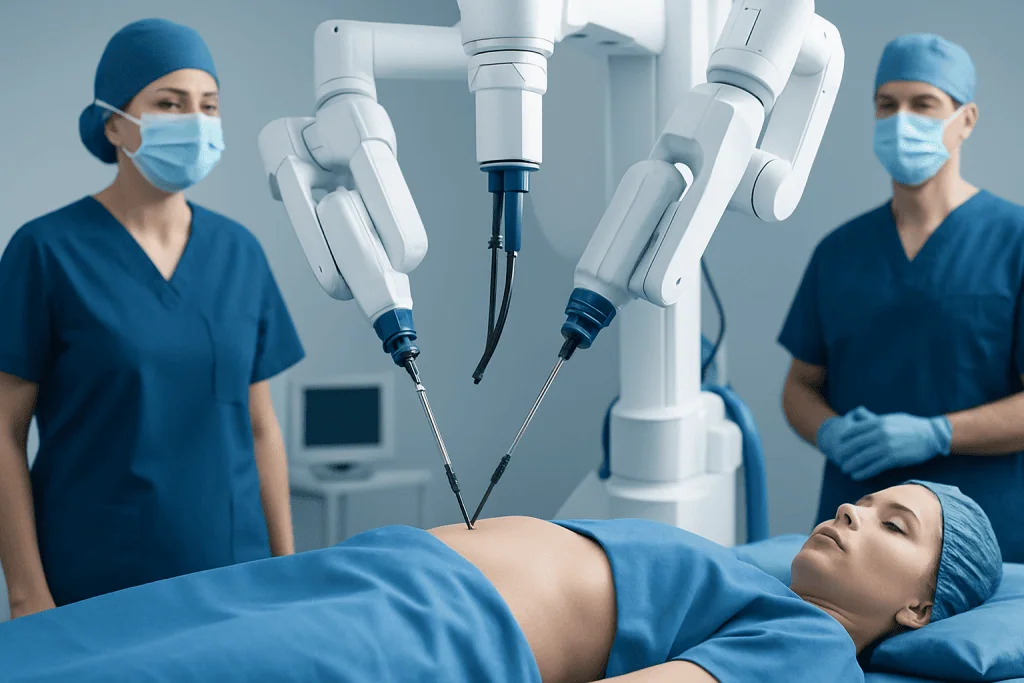
A hysterectomy permanently removes the uterus. A total hysterectomy removes the uterus and cervix, while a supracervical hysterectomy leaves the cervix in place. The fallopian tubes are often removed at the same time, a procedure called salpingectomy. Whether to remove one or both ovaries requires a separate, carefully considered discussion.
The surgeon may use laparoscopy, robotic-assisted laparoscopy, vaginal surgery, or an abdominal incision. Minimally invasive approaches use small incisions and a camera, and may be suitable for many patients. However, extensive deep endometriosis, severe scarring, bowel or bladder involvement, a very enlarged uterus, or previous operations can influence the safest surgical route.
Potential candidates commonly have pain that significantly affects daily life, repeated symptoms after other treatment, bleeding linked to uterine disease, or a clear preference for definitive contraception after counseling. It is generally not the first choice for people who may want to become pregnant later. Before choosing surgery, clinicians often discuss pain-relieving medicines, hormonal treatment, pelvic-floor physiotherapy, and conservative removal of endometriosis lesions.
When endometriosis involves other organs, care may include gynecologic surgeons together with colorectal surgeons, urologists, pain specialists, radiologists, and fertility specialists. This multidisciplinary planning helps match the operation to the locations of disease and the person’s goals.
What Happens Before, During, and After Surgery

Before surgery, the team reviews symptoms, medical history, prior treatments, medicines, imaging, and anesthetic risks. Ultrasound or magnetic resonance imaging may help identify ovarian endometriomas, adenomyosis, or suspected deep disease, although imaging cannot detect every lesion. Some people also need blood tests and preoperative assessment.
During the procedure, the patient receives general anesthesia. The surgeon examines the pelvis, removes the uterus using the planned surgical approach, and may remove fallopian tubes, ovaries, and visible endometriosis tissue. If disease affects the bowel, bladder, ureters, or nerves, surgery may be more complex and may involve additional specialists. Tissue removed during surgery is usually examined by a pathology laboratory.
After a minimally invasive operation, many patients return home the same day or after a short hospital stay. Abdominal hysterectomy usually requires a longer stay. Early recovery focuses on pain control, hydration, gentle walking, bowel care, wound monitoring, and avoiding heavy lifting or vaginal intercourse until the surgeon confirms healing.
Recovery varies by surgical approach and individual health. Many people resume light activities within a few weeks after minimally invasive surgery, while full recovery after abdominal surgery may take longer. Follow-up appointments review wound healing, pathology findings, symptoms, activity progression, and any need for ongoing endometriosis treatment.
Benefits, Limits, and Risks of Hysterectomy for Endometriosis
The main potential benefit is relief from symptoms caused by the uterus, including heavy menstrual bleeding, cramping, and pain from adenomyosis. Hysterectomy also prevents future periods and pregnancy. For people with severe symptoms who have completed childbearing, these outcomes can be meaningful and may improve quality of life.
However, endometriosis-related pain can persist if lesions remain outside the uterus, if microscopic disease is not visible during surgery, or if another pain condition is also present. Removing visible lesions at the same operation may improve the chance of symptom relief. Pain can also have contributions from pelvic-floor muscle dysfunction, bowel or bladder conditions, nerve sensitization, or other gynecologic disorders.
All operations carry risks, including bleeding, infection, blood clots, anesthesia reactions, injury to nearby organs, scar tissue, and the need for further treatment. Risks can be higher when endometriosis is extensive or close to the bowel, bladder, ureters, or pelvic nerves. A surgeon should explain the expected benefits and the risks that are most relevant to the individual case.
Removing both ovaries lowers estrogen production and causes immediate surgical menopause if the person has not already reached menopause. This may reduce hormonal stimulation of remaining endometriosis but can cause hot flashes, vaginal dryness, sleep changes, bone loss over time, and other effects. Hormone therapy may be considered for some patients, but decisions should be individualized, especially when endometriosis has been extensive.
Is It Worth Getting a Hysterectomy for Endometriosis?
Whether hysterectomy is worth it depends on what symptoms are most troublesome and what the person hopes treatment will achieve. It may be a reasonable option for someone with severe ongoing symptoms, no future pregnancy plans, and evidence that the uterus is contributing to pain or bleeding, particularly after other approaches have not provided adequate relief.
It may be less suitable when fertility preservation is important, when pain is mainly from endometriosis outside the uterus, or when non-surgical treatments have not yet been fully explored. A hysterectomy cannot guarantee that pelvic pain will disappear, so it is important to ask whether visible endometriosis lesions will be treated during the operation and how other possible sources of pain will be assessed.
A useful shared-decision discussion includes the likelihood of symptom improvement, the role of ovarian preservation or removal, the expected recovery, and alternatives such as hormonal suppression or conservative excision surgery. Seeking an opinion from a gynecologist experienced in complex endometriosis can be especially helpful before an irreversible procedure.
How Do Japanese and Chinese Clinicians Treat Endometriosis?
How do the Japanese treat endometriosis? In Japan, as in many countries, treatment is individualized according to pain, disease location, age, fertility wishes, and treatment response. Common evidence-based options include pain medicines, hormonal therapies that suppress ovulation or menstruation, and laparoscopic surgery to diagnose and remove or treat lesions when appropriate. Fertility-focused care may include surgery in selected circumstances and assisted reproductive treatment when needed.
Japanese clinical practice also emphasizes long-term follow-up because endometriosis may be chronic and symptoms can change over time. The exact medicines available, prescribing practices, and insurance pathways differ between countries, but the core principle is shared decision-making based on symptoms and reproductive goals rather than a single universal treatment.
How do Chinese treat endometriosis? In China, conventional gynecologic care similarly uses hormonal treatment, pain management, minimally invasive surgery, and fertility support according to clinical need. Some patients also use traditional Chinese medicine approaches, such as herbal preparations or acupuncture, alongside conventional care. Evidence for complementary therapies varies in quality, and they should not replace evaluation or treatment for severe pain, infertility, heavy bleeding, or suspected organ involvement.
People considering herbal or complementary products should tell their clinician, especially before surgery or when taking hormonal medicines, anticoagulants, or other regular treatments. Some products can interact with medicines or affect bleeding risk, and product quality may vary.
What Are the 5 D's of Endometriosis?
What are the 5 D’s of endometriosis? The “5 D’s” is an informal memory aid sometimes used to describe common symptom patterns. The terms may vary between educational sources, but they often refer to dysmenorrhea (painful periods), dyspareunia (pain during sex), dyschezia (painful bowel movements), dysuria (painful urination), and difficulties with fertility.
These symptoms are not specific to endometriosis. For example, painful periods can occur with adenomyosis or fibroids, while bowel and urinary symptoms can have gastrointestinal or urologic causes. Some people with endometriosis have only one symptom, and others have few or no symptoms despite extensive disease.
Keeping a symptom diary can help identify links with menstrual cycles, bowel habits, sexual activity, urination, and daily functioning. This information can support a more focused medical assessment and help monitor whether treatment is working.
When to Seek Medical Care
Medical assessment is appropriate for pelvic pain that persists, returns regularly with periods, interferes with work, sleep, movement, sexual activity, or emotional well-being, or does not improve with usual measures. An appointment is also important for heavy or irregular bleeding, pain with bowel movements or urination that follows the menstrual cycle, difficulty becoming pregnant, or symptoms that continue after endometriosis treatment.
Urgent care is needed for sudden severe pelvic or abdominal pain, fainting, fever with worsening pain, very heavy bleeding, repeated vomiting, trouble passing urine, or signs of infection after surgery, such as increasing redness, drainage, or fever. These symptoms do not always indicate a serious problem, but prompt evaluation is safest.
Acibadem International’s multidisciplinary specialists and JCI-accredited hospitals assess and treat endometriosis for international patients, including complex cases requiring coordinated gynecologic and surgical care. A qualified clinician can help determine whether hysterectomy, lesion-focused surgery, medication, or a combined approach best fits the person’s needs.
Frequently asked questions
Can endometriosis come back after a hysterectomy?
Yes. A hysterectomy removes the uterus but may not remove endometriosis lesions outside it. Symptoms can persist or return if disease remains, new lesions develop, or pain has another contributing cause. Removing visible lesions and discussing ovarian management may affect recurrence risk.
Does hysterectomy cure endometriosis?
No procedure can guarantee a cure for every person with endometriosis. Hysterectomy can be very helpful for uterine bleeding, adenomyosis-related symptoms, and some types of pelvic pain, but it does not automatically eliminate disease outside the uterus. Individual outcomes depend on the extent and location of endometriosis and other pain factors.
Should the ovaries be removed during hysterectomy for endometriosis?
This decision is individualized. Removing both ovaries can reduce estrogen stimulation of remaining endometriosis but causes immediate menopause before the natural menopausal age. Keeping one or both ovaries avoids sudden surgical menopause, but may be associated with a greater chance of ongoing hormonally responsive symptoms.
How long does recovery take after hysterectomy for endometriosis?
Recovery depends on the surgical route, the extent of endometriosis removal, and overall health. Many people need several weeks before returning gradually to usual activities after minimally invasive surgery, while recovery after an abdominal incision often takes longer. The surgical team should provide personalized activity and wound-care instructions.
Can someone get pregnant after a hysterectomy?
No. Because the uterus is removed, pregnancy cannot be carried after hysterectomy. Anyone who may want biological children in the future should discuss fertility-preserving options before surgery, including the possible role of egg or embryo freezing when appropriate.
What questions should be asked before agreeing to hysterectomy?
Useful questions include whether the uterus is believed to be a main source of symptoms, whether all visible endometriosis will be treated, and whether the ovaries and tubes will be removed or preserved. It is also helpful to ask about alternatives, possible complications, expected recovery, and the plan if pain continues after surgery.
References
- American College of Obstetricians and Gynecologists
- European Society of Human Reproduction and Embryology
- National Institute for Health and Care Excellence
- World Health Organization
- Mayo Clinic
This article is for general information only and is not a substitute for professional medical advice. Please consult a qualified doctor about your individual situation.
Endometriosis in Turkey — costs, top hospitals & a free quote
JCI-accredited · board-certified surgeons · reply within 24h
Add us as a Preferred Source to see more of our trusted health content across Google Search, AI Overviews and Discover.

Gynecology & Obstetrics
Women’s health across pregnancy, gynecologic surgery and high-risk pregnancy care.
186 specialists in this unitMore from the Health Library



Related Specialists

Dr. Ebru Banu Türk
Radiology
Asst. Prof. Dr. Neval Yurttutan Uyar
Clinical Laboratory
Asst. Prof. Dr. Hülya Kuşoğlu
Infectious Diseases & Clinical Microbiology
Dr. Mehmet Malçok
Pediatrics