Ic Diet: What the Clinical Research Actually Says

The IC diet is usually a short-term elimination and reintroduction plan, not a permanent list of forbidden foods. Coffee, alcohol, carbonated drinks, citrus, spicy foods, and some acidic products are commonly reported triggers, but responses vary widely.
Key Takeaways
- The IC diet is usually a short-term elimination and reintroduction plan, not a permanent list of forbidden foods.
- Coffee, alcohol, carbonated drinks, citrus, spicy foods, and some acidic products are commonly reported triggers, but responses vary widely.
- Clinical evidence supports individualized symptom tracking more strongly than universal food restrictions.
- Overly restrictive eating can reduce nutritional quality and may contribute to anxiety around food.
- Persistent bladder symptoms should be assessed by a qualified clinician because several conditions can cause similar symptoms.
An IC diet is an individualized eating approach used by some people with interstitial cystitis/bladder pain syndrome (IC/BPS) to identify foods and drinks that may worsen bladder pain, urgency, or frequency. Research suggests dietary triggers are common, but evidence does not support one restrictive diet as necessary or effective for everyone.
What Is an IC Diet?
An IC diet is a dietary self-management strategy for people with interstitial cystitis/bladder pain syndrome, often shortened to IC/BPS. IC/BPS is a chronic condition involving bladder-related pain, pressure, or discomfort, usually together with urinary urgency or frequency. The purpose of the diet is not to cure the condition. Instead, it is intended to help a person identify whether particular foods or drinks seem to increase symptoms.
In practice, the approach usually involves temporarily reducing commonly reported bladder irritants, keeping a symptom and food record, and then reintroducing foods one at a time. This can help distinguish a consistent personal trigger from a symptom flare that happened for another reason, such as stress, poor sleep, menstruation, constipation, or a urinary infection.
The term can be misleading because there is no single medically standardized “IC diet.” Lists available online vary considerably, and a food that bothers one person may be well tolerated by another. A useful plan should therefore be flexible, nutritionally adequate, and based on the individual’s symptoms rather than broad, lifelong restrictions.
What Clinical Research Supports—and What It Does Not

Clinical research and patient surveys consistently indicate that many people with IC/BPS notice symptom changes after consuming certain foods or beverages. Commonly reported triggers include caffeinated drinks, alcohol, carbonated beverages, citrus fruits, tomatoes, spicy foods, chocolate, artificial sweeteners, and some highly acidic or heavily processed products. These observations support discussing diet as one component of symptom management.
However, most available evidence is based on observational studies, surveys, and clinical experience rather than large, high-quality randomized trials of a specific diet. This means research cannot confirm that a particular food causes IC/BPS, nor can it reliably identify one eating pattern that works for everyone. There is also limited evidence that broad food avoidance changes the underlying course of the condition.
The best-supported practical method is an individualized trial. A person may briefly avoid a small group of plausible triggers, monitor symptoms, and then add foods back in systematically. If symptoms repeatedly worsen after a specific food and improve when it is removed, that food may be worth limiting. If there is no reproducible pattern, unnecessary restriction is unlikely to be helpful.
Dietary changes should be considered alongside other evidence-based care, such as education, pelvic floor assessment when appropriate, bladder-focused therapies, pain management, sleep support, and treatment of coexisting conditions. Food choices are one possible tool, not a replacement for medical evaluation or a complete treatment plan.
Foods and Drinks Commonly Tested as Possible Triggers
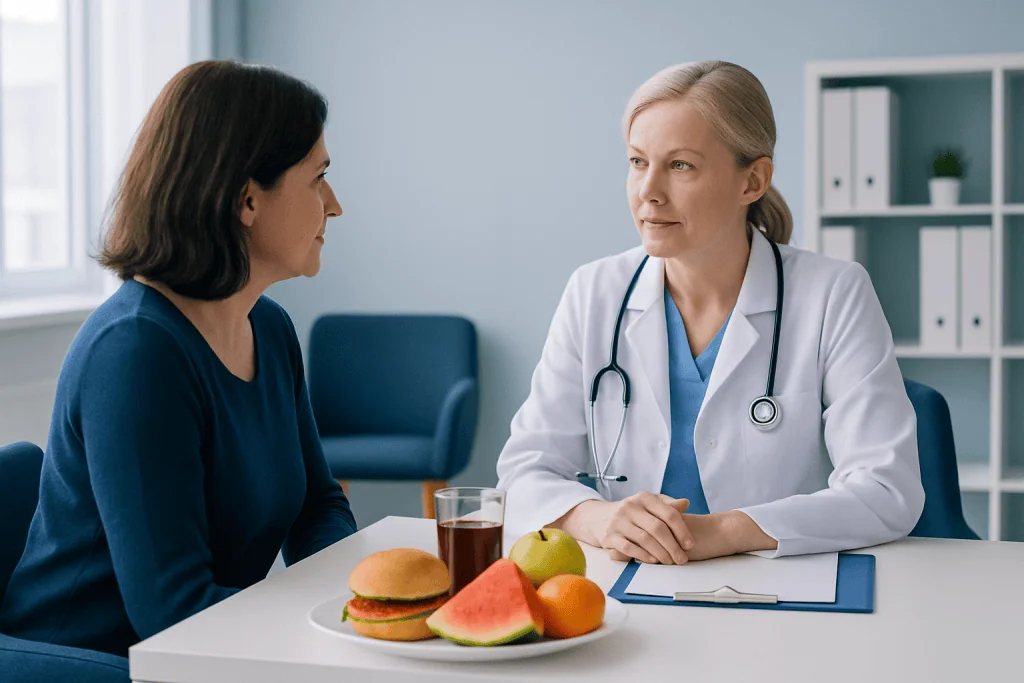
People often begin by reviewing drinks, because fluid choices can have a noticeable effect on urinary symptoms. Coffee and other caffeinated beverages may increase urgency or frequency in some individuals. Alcohol and carbonated drinks can also be problematic for some people, while others tolerate small amounts. Plain water is usually a reasonable main beverage, although fluid needs should be individualized, especially for people with heart, kidney, or other medical conditions.
Foods often included in a short elimination trial are citrus fruits and juices, tomatoes and tomato sauces, hot peppers, vinegar-heavy foods, chocolate, and highly spicy dishes. Some people also report symptoms with artificial sweeteners, energy drinks, aged or cured foods, or products containing certain preservatives. These reports are useful starting points, but they are not proof that every person with IC/BPS needs to avoid these foods.
A food-and-symptom diary may be more informative than relying on a generic list. The diary can include the food or drink, portion size, time consumed, symptoms over the next day, stress level, bowel symptoms, sleep, menstrual timing where relevant, and any new medicines or supplements. Patterns are more convincing when they occur repeatedly under similar circumstances.
- Consider changing one or two likely triggers at a time rather than eliminating many foods at once.
- Allow enough time to observe a pattern, while avoiding prolonged restriction without guidance.
- Reintroduce one food in a normal portion when symptoms are relatively stable.
- Keep foods that are tolerated, even if they appear on a general IC diet avoidance list.
How to Try an IC Diet Safely and Maintain Good Nutrition
A cautious elimination-and-reintroduction approach is generally more useful than adopting a highly restrictive diet indefinitely. After discussing symptoms with a clinician, a person may choose a limited trial that removes a few commonly suspected triggers for a short period. If symptoms are stable or improved, foods can be reintroduced individually, ideally several days apart, to see whether a consistent response occurs.
Meals should still provide adequate protein, fiber, healthy fats, vitamins, and minerals. For example, if citrus fruits or tomato products are reduced, other fruits and vegetables can remain part of the diet as tolerated. Whole grains, legumes, fish, eggs, poultry, dairy or fortified alternatives, nuts, seeds, and a variety of vegetables may fit into an individualized plan unless another health condition requires modifications.
Constipation can worsen pelvic and urinary symptoms for some people, so regular fiber intake, appropriate fluids, and physical activity may be important. Yet suddenly increasing fiber can cause bloating or discomfort. Gradual changes are usually easier to tolerate. A registered dietitian can be particularly helpful when a person has multiple food restrictions, weight loss, diabetes, irritable bowel syndrome, kidney disease, food allergies, or a history of disordered eating.
It is also important not to reduce fluid intake excessively to avoid urination. Very concentrated urine may irritate the bladder in some people and can contribute to dehydration. A clinician can advise on an appropriate daily fluid plan based on symptoms, medications, climate, activity level, and other medical needs.
Side Effects, Interactions, and Who Should Avoid Restrictive Diets
The main potential harm of an IC diet is unnecessary restriction. Avoiding large numbers of foods can make meals less enjoyable, create nutritional gaps, increase social stress, and make it harder to maintain adequate energy intake. This risk is greater when someone follows extensive online avoidance lists without testing which foods actually affect their own symptoms.
There is no known medication interaction caused by the basic concept of avoiding suspected bladder triggers. However, dietary changes can indirectly affect medical care. For example, changes in vitamin K-rich foods may matter for people taking warfarin, reduced calcium or vitamin D intake may affect bone health, and major changes in carbohydrate intake can affect glucose management for people using diabetes medicines. Individuals should discuss significant dietary changes with their prescribing clinician.
Pregnant or breastfeeding people, children and adolescents, older adults at risk of malnutrition, and people with eating disorders or a history of disordered eating should not undertake broad elimination diets without professional support. The same caution applies to people with chronic kidney disease, inflammatory bowel disease, celiac disease, diabetes, or medically required diets. In these situations, a dietitian can help protect nutritional adequacy while exploring possible symptom triggers.
Supplements marketed for bladder health should also be approached carefully. “Natural” does not necessarily mean safe or effective, and supplements may interact with medicines or cause side effects. A doctor or pharmacist can review a product before it is started, particularly if the person takes regular medication or has liver, kidney, bleeding, or heart conditions.
Symptoms, Diagnosis, and the Role of Diet in Overall Care
IC/BPS symptoms commonly include bladder or pelvic pain that may worsen as the bladder fills, urinary urgency, frequent urination, and discomfort during or after sexual activity. Symptoms can vary from mild to severe and may come and go. Because these symptoms overlap with urinary tract infection, overactive bladder, pelvic floor dysfunction, endometriosis, prostatitis, bladder stones, and other conditions, diagnosis should not be based on diet response alone.
Clinicians usually evaluate symptoms through a medical history, physical examination when appropriate, urine testing to exclude infection or blood in the urine, and assessment for other causes. Further testing is selected according to the person’s age, symptoms, medical history, and examination findings. There is no single food test, blood test, or scan that confirms IC/BPS.
For people diagnosed with IC/BPS, treatment is typically tailored to symptoms and may involve more than one specialty. Options can include education, bladder training, pelvic floor physical therapy when muscles are tense or tender, pain-relief approaches, selected oral or bladder-directed medicines, and procedures for certain cases. Dietary adjustments may be most helpful when they are incorporated into this broader plan and reviewed over time.
Acibadem International’s multidisciplinary specialists and JCI-accredited hospitals evaluate and treat bladder and pelvic pain conditions for international patients, with care plans based on the individual’s symptoms and diagnostic findings.
When to Seek Medical Care
A person should arrange medical assessment for new or persistent bladder pain, urinary urgency, frequent urination, pain with urination, or pelvic pain, particularly if symptoms last more than a few days or repeatedly return. It is important not to assume that symptoms are caused by foods, because a urinary tract infection and other treatable conditions may need prompt care.
Urgent medical attention is appropriate for fever, chills, vomiting, inability to pass urine, severe flank or back pain, visible blood in the urine, severe worsening pain, or symptoms during pregnancy. These signs may indicate a condition other than IC/BPS and should be evaluated without delay.
Medical review is also advisable when dietary changes lead to unintentional weight loss, fatigue, constipation, nutritional concerns, or increasing fear around eating. A clinician can help decide whether a symptom diary, a limited food trial, referral to a urologist or gynecologist, pelvic floor assessment, or dietitian support would be most appropriate.
Frequently asked questions
Does the IC diet cure interstitial cystitis?
No. The IC diet does not cure interstitial cystitis/bladder pain syndrome or reverse its underlying causes. It may help some people reduce flares linked to particular foods or drinks, but it is only one part of symptom management.
What foods should be avoided with an IC diet?
Commonly tested triggers include coffee, alcohol, carbonated drinks, citrus, tomatoes, chocolate, spicy foods, and artificial sweeteners. These foods do not affect everyone, so a personalized trial is generally more appropriate than permanent avoidance of all items on a list.
How long should an IC food elimination trial last?
There is no single research-based timetable that suits every person. A short, structured trial followed by gradual reintroduction is generally preferred over long-term broad restriction, and a clinician or dietitian can help set a suitable plan.
Can drinking less water improve IC symptoms?
Reducing fluids may temporarily reduce the number of bathroom visits, but excessive restriction can lead to dehydration and concentrated urine, which may worsen irritation for some people. Fluid needs should be discussed with a clinician, especially when other medical conditions are present.
Is caffeine always harmful for people with IC/BPS?
No. Caffeine is a commonly reported trigger, but individual tolerance differs. Some people may find that avoiding it helps, while others can tolerate small amounts; a symptom diary can clarify the person’s own pattern.
Should a person take supplements for bladder pain instead of changing diet?
Supplements should not replace medical assessment or evidence-based treatment. Their benefits may be uncertain, and some products can cause side effects or interact with medicines, so a doctor or pharmacist should review them before use.
References
- American Urological Association
- National Institute of Diabetes and Digestive and Kidney Diseases
- International Continence Society
- European Association of Urology
- Academy of Nutrition and Dietetics
This article is for general information only and is not a substitute for professional medical advice. Please consult a qualified doctor about your individual situation.
Explore treatments in Turkey — costs, top hospitals & a free quote
JCI-accredited · board-certified surgeons · reply within 24h
Add us as a Preferred Source to see more of our trusted health content across Google Search, AI Overviews and Discover.