ICD Cataract: An Evidence-Based Patient Guide

ICD-10-CM cataract codes vary by cataract type, cause and whether the right, left or both eyes are affected. A cataract is clouding of the eye’s natural lens and commonly causes blurred vision, glare and reduced contrast.
Key Takeaways
- ICD-10-CM cataract codes vary by cataract type, cause and whether the right, left or both eyes are affected.
- A cataract is clouding of the eye’s natural lens and commonly causes blurred vision, glare and reduced contrast.
- A comprehensive dilated eye examination confirms cataracts and helps identify other causes of vision change.
- Cataract surgery removes the cloudy lens and replaces it with an artificial intraocular lens when vision problems affect daily activities.
- Urgent assessment is important for sudden vision loss, eye pain, marked redness, flashes or a curtain-like shadow in vision.
ICD cataract codes are classification codes used to document the type, cause and affected eye for a cataract. They support accurate clinical records and billing, while cataract care itself is guided by symptoms, eye examination findings and a person’s daily visual needs.
ICD Cataract: What It Means for Patients
An ICD cataract entry is not a separate kind of cataract. It refers to the International Classification of Diseases code used by clinicians and health systems to record a cataract diagnosis, its cause or appearance, and the eye involved. In the United States, the clinical modification is called ICD-10-CM.
Cataracts occur when the normally clear lens inside the eye becomes cloudy. They usually develop gradually with age, although they may also be related to diabetes, eye injury, previous eye surgery, certain medicines, inflammation, radiation exposure or congenital conditions. A code helps describe the diagnosis, but it does not determine whether treatment is needed.
Decisions about monitoring or surgery are individualized. An ophthalmologist considers how the cataract affects reading, driving, work, mobility, medication management and other everyday activities, as well as the health of the eye overall.
How Cataracts Affect Vision and How They Are Evaluated
Common cataract symptoms include blurred, dim or hazy vision; greater sensitivity to glare; halos around lights; faded colors; difficulty seeing at night; and needing more light for close work. Some people notice that their glasses prescription seems to change more often. Cataracts frequently affect both eyes, but they do not always progress at the same rate.
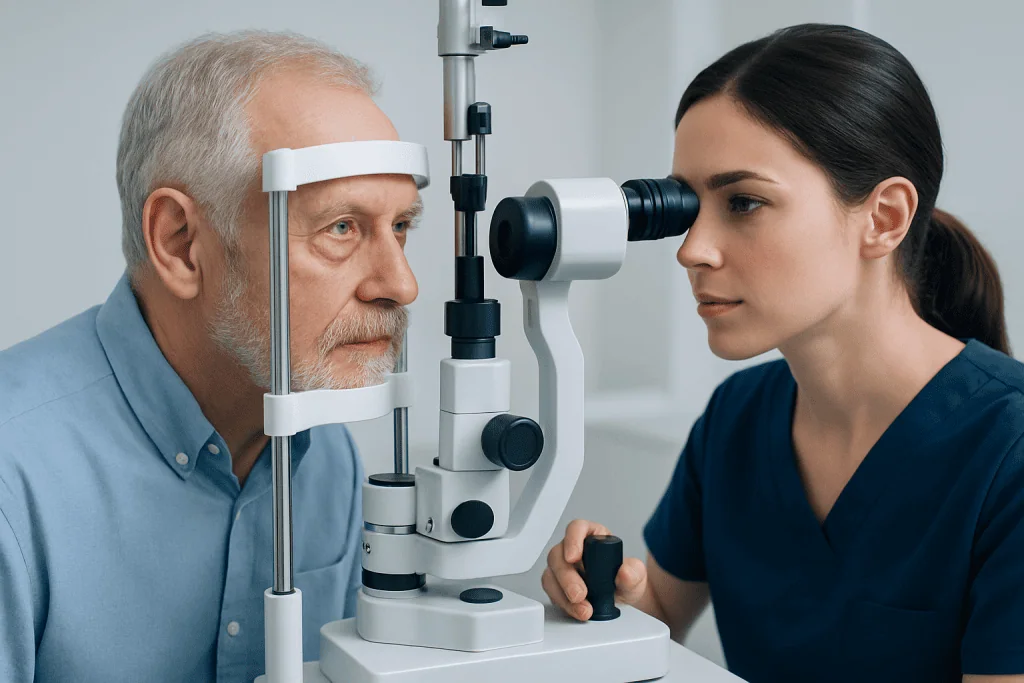
An ICD-10 cataract evaluation begins with a medical and eye history, vision testing and an examination of the front and back of the eye. Eye drops may be used to widen the pupils so the ophthalmologist can assess the lens and retina more completely. Tests of eye pressure and the shape or length of the eye may be needed when surgery is being considered.
Blurred vision is not always caused by cataracts. Dry eye disease, glaucoma, macular degeneration, diabetic retinal disease and other conditions may coexist or be responsible for symptoms. Identifying these issues is important because cataract removal may improve lens-related blur but cannot correct every cause of reduced vision.
What Are the ICD-10 Codes for Cataracts?
There is no single universal ICD cataract code. ICD-10-CM uses several code families, chosen according to the documented cataract type and cause. Common examples include age-related cataracts in the H25 category, other and unspecified cataracts in the H26 category, cataracts associated with diseases classified elsewhere in the H28 category, and congenital cataracts in the Q12 category.
Within these groups, codes may specify the morphology of the lens opacity, such as nuclear, cortical, posterior subcapsular or combined forms. Many codes also identify laterality: right eye, left eye, bilateral disease or unspecified eye. For example, an ICD cataract right eye code should only be selected when the clinician has documented the diagnosis and laterality.
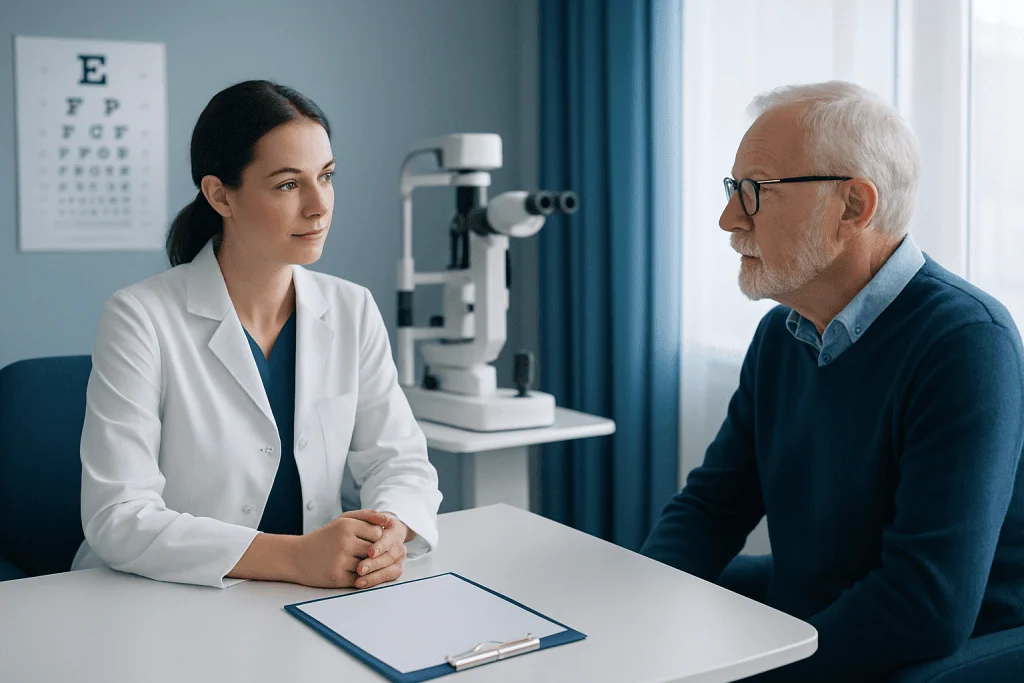
Accurate coding depends on the provider’s clinical documentation and the current official ICD-10-CM tabular list and coding guidance. Patients should not try to self-select a code from symptoms alone. A coding professional or treating clinician can clarify which diagnosis is appropriate for a particular record or insurance claim.
What Is the ICD-10 Code for Mature Cataracts in the Right Eye?
A mature cataract is generally a very advanced lens opacity that substantially blocks the view through the lens. In ICD-10-CM, the commonly used code for a mature cataract in the right eye is H26.8, described as “other specified cataract, right eye,” when that is the documented clinical diagnosis and no more specific applicable code is available.
However, coding can depend on the underlying cause, whether the cataract is traumatic, congenital, age-related or secondary to another condition, and on the documentation standard being used. The term “mature” alone may not capture every relevant clinical detail. Clinicians and coding teams should verify the current code set and official instructions before submitting a claim.
A mature cataract can make vision significantly poorer and may make surgery technically more complex. An ophthalmologist can assess lens density, eye pressure, retina health and the expected benefit of surgery before recommending the safest approach.
What ICD-10-CM Code Is Reported for an Encounter for Cataract Screening?
For an encounter specifically documented as screening for an eye disorder, the ICD-10-CM code often used is Z13.5, “Encounter for screening for eye and ear disorders.” This may be relevant when a person has no known cataract diagnosis and attends a preventive or screening assessment.
If an examination identifies a cataract, the clinician may also document the confirmed cataract diagnosis using the relevant code. The appropriate coding approach depends on the purpose of the visit, findings, payer requirements and the clinician’s documentation. A screening code should not be substituted for a diagnosis when a condition has been established.
Routine eye examinations are valuable because early cataracts may cause few symptoms, and eye care professionals can also check for conditions that may not be noticeable in their early stages. The recommended frequency of examinations varies with age, health conditions, medications and personal eye history.
What Is the ICD-10 Code for Unspecified Cataracts?
The ICD-10-CM category for unspecified cataract is H26.9, “Unspecified cataract.” It may be used when a cataract has been diagnosed but the available documentation does not identify a more specific type or cause.
Whenever possible, more specific documentation is preferable because it communicates clinically useful information, including laterality and whether the cataract is age-related, traumatic, congenital or associated with another eye or health condition. An unspecified code does not mean that the cataract is necessarily severe or that surgery is required.
People reviewing their records may see different descriptions or codes over time as an eye examination becomes more detailed. Questions about a diagnosis code, referral or invoice are best discussed with the ophthalmology office, medical records department or insurer.
ICD Cataract Surgery: How It Works, Candidacy and Recovery
Cataract surgery is considered when vision limitations interfere with a person’s goals or safety, rather than at a particular visual acuity alone. It may also be advised when the lens prevents monitoring or treating another eye condition. During cataract surgery, the surgeon removes the cloudy natural lens and places a clear artificial intraocular lens, also called an IOL.
Before surgery, the eye is measured to help select the IOL and plan the procedure. On the day, numbing drops or local anesthesia are typically used, sometimes with medicine to help the patient relax. The surgeon makes very small incisions, uses ultrasound energy to break up and remove the lens, then inserts and positions the IOL. Most procedures are outpatient, but the exact method may differ for very dense cataracts or other eye conditions.
Vision can begin improving within days, although healing and visual stabilization often continue for several weeks. Patients usually use prescribed eye drops, protect the eye as advised and attend follow-up visits. Temporary blur, light sensitivity or mild scratchiness can occur. The care team gives individualized guidance about driving, swimming, lifting and returning to work.
Benefits may include clearer vision, less glare and better ability to carry out daily tasks. Serious complications are uncommon but can include infection, bleeding, swelling, retinal detachment, increased eye pressure, lens-position problems or persistent reduced vision. A cloudy membrane behind the IOL can develop later and is often treatable with a laser procedure. The ophthalmologist can explain personal risks, including those related to glaucoma, diabetes, prior eye surgery or retinal disease.
When to Seek Medical Care
Arrange a non-urgent eye appointment for gradually worsening vision, increasing glare, difficulty with night driving or a change in how clearly glasses work. These symptoms can be caused by cataracts, but an eye examination is needed to determine the reason and to discuss options such as updated glasses, monitoring or surgery.
Seek urgent medical attention for sudden vision loss, a dark curtain or shadow in the visual field, a sudden increase in flashes or floaters, severe eye pain, marked redness, nausea with eye pain, or vision changes after an eye injury. These symptoms are not typical of a slowly developing cataract and may indicate another condition requiring prompt assessment.
There is no proven eye drop, supplement or exercise that reverses an established cataract. Wearing ultraviolet-protective sunglasses, avoiding smoking, managing diabetes and using eye protection during hazardous activities may support general eye health and reduce some preventable risks. Acibadem International’s multidisciplinary specialists and JCI-accredited hospitals diagnose and treat cataracts for international patients, with care plans based on each patient’s eye health and visual needs.
Frequently asked questions
Is an ICD cataract code the same as a cataract diagnosis?
An ICD cataract code is a standardized way to record a cataract diagnosis in medical documentation. It may indicate the cataract type, cause and laterality, but it does not replace an ophthalmology examination or describe the full effect on a person’s vision.
Does cataract code laterality matter?
Yes. Right-eye, left-eye and bilateral codes can be different, so laterality should be documented accurately. If the record does not specify the eye, an unspecified laterality code may be used where available, but more complete documentation is usually preferable.
Is cataract extraction the same as cataract surgery?
Cataract extraction refers to removing the cloudy natural lens, which is the central part of cataract surgery. In modern surgery, the lens is usually replaced during the same procedure with an artificial intraocular lens.
Can glasses stop a cataract from getting worse?
Glasses can improve vision when a cataract is mild or when refractive error contributes to blur, but they cannot remove or reverse lens clouding. If glasses no longer provide adequate vision for everyday activities, an ophthalmologist can discuss surgery.
How long does recovery take after cataract surgery?
Many people notice improved vision within several days, but recovery varies according to the eye, cataract density and any other eye conditions. Visual healing and stabilization commonly continue for several weeks, and follow-up appointments are important.
Can cataracts return after surgery?
The removed natural lens does not grow back, so a true cataract does not return. Some people later develop clouding of the capsule that supports the artificial lens; this is often called a secondary cataract and can usually be treated with a brief laser procedure.
References
- American Academy of Ophthalmology
- Centers for Disease Control and Prevention
- National Eye Institute
- Centers for Medicare & Medicaid Services
- World Health Organization
This article is for general information only and is not a substitute for professional medical advice. Please consult a qualified doctor about your individual situation.
Explore treatments in Turkey — costs, top hospitals & a free quote
JCI-accredited · board-certified surgeons · reply within 24h
Add us as a Preferred Source to see more of our trusted health content across Google Search, AI Overviews and Discover.