Ice Cap: A Complete Medical Overview

An ice cap is a cold compress designed to cool the head and may help relieve headaches, migraines, and mild swelling. Cold therapy works best when used for short periods with a fabric barrier to protect the skin.
Key Takeaways
- An ice cap is a cold compress designed to cool the head and may help relieve headaches, migraines, and mild swelling.
- Cold therapy works best when used for short periods with a fabric barrier to protect the skin.
- An ice cap is for symptom relief only and should not replace medical evaluation for serious or recurring symptoms.
- People with circulation problems, reduced skin sensation, or certain neurological conditions should ask a doctor before using cold therapy.
- Urgent care is needed for severe headache, head injury with concerning symptoms, or neurological warning signs.
An ice cap is a reusable cold therapy wrap placed around the head to help reduce pain, swelling, and discomfort, most often during headaches, migraines, fever, or minor head and facial injuries. It can be helpful for symptom relief, but it does not treat the underlying cause, so persistent, severe, or unusual symptoms should be medically assessed.
What is an ice cap?
An ice cap is a soft, wearable cold pack made to fit around the head, forehead, temples, or scalp. It is commonly used to ease headache pain, migraine symptoms, facial swelling, or general discomfort by cooling the area in a controlled way. Some styles are gel-filled and chilled in a refrigerator or freezer, while others are fabric wraps that hold removable cold inserts.
In practical terms, people usually mean “ice cap” as a home cold-therapy device rather than a medical diagnosis. It can be helpful when someone wants hands-free cooling and gentle compression at the same time. Many patients find this more comfortable than holding a standard ice pack in place.
Cold therapy does not cure the reason for pain, but it may reduce symptom intensity for a short time. For example, an ice cap may be used during a migraine episode, after minor dental or facial procedures, or for mild swelling after a small bump to the head. If headaches are frequent, severe, or changing in pattern, the person should seek medical advice rather than relying only on home measures.
How an ice cap may help
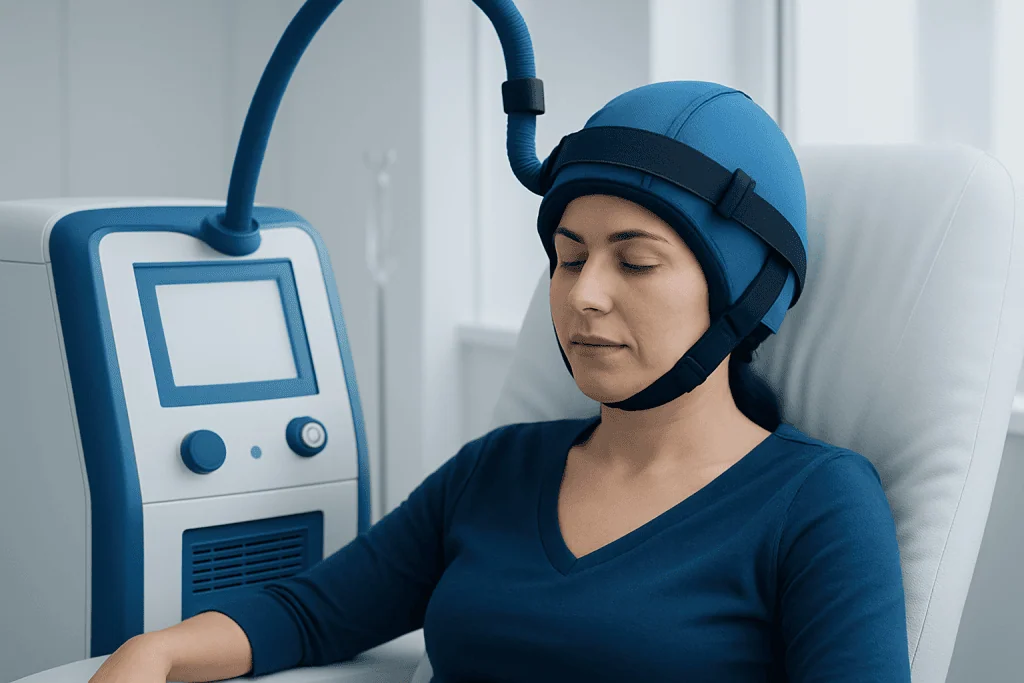
The main benefit of an ice cap is localized cooling. Cold can narrow superficial blood vessels, slow down inflammatory processes, and temporarily reduce the transmission of pain signals. This is why many people feel some relief when an ice cap is used during a headache or after minor soft-tissue irritation.
For migraine, cooling the forehead, temples, scalp, or neck may lessen throbbing discomfort in some patients. During fever or general malaise, a cool wrap may also provide comfort, although it should not replace proper hydration, rest, or treatment of the illness causing the fever. In cases of mild swelling, the cooling effect may help limit puffiness and tenderness.
An ice cap can also be useful because it provides a structured way to apply cold safely. Compared with loose ice cubes or very cold homemade packs, a purpose-designed wrap is often more even in temperature and easier to remove promptly. However, benefit varies from person to person, and a lack of improvement can be a sign that the underlying issue needs evaluation, especially in people with recurrent migraine or unexplained head pain.
Common uses and when it may be appropriate

An ice cap is most often used for headache-related discomfort. This includes tension-type headaches, some migraine attacks, and head or scalp soreness where cooling feels soothing. It may also be used for mild swelling of the face or scalp after a minor injury, after certain dental treatments, or following everyday bumps that do not cause concerning neurological symptoms.
Some people use an ice cap during sinus pressure, fever, or after long periods of screen time if they feel heat or tightness around the forehead. Others use it as part of a broader symptom plan that may include hydration, rest, reduced light exposure, and medicines recommended by a healthcare professional. When migraines are frequent or disruptive, evaluation may lead to a broader care plan that can include neurology assessment or a structured headache treatment approach.
An ice cap is generally most appropriate when symptoms are mild to moderate, familiar, and clearly improving with simple self-care. It is not the right response to severe head trauma, loss of consciousness, confusion, weakness, seizures, or a sudden “worst headache” pattern. In those situations, immediate medical assessment is more important than home cooling.
- Headaches or migraines where cold brings relief
- Mild facial or scalp swelling
- Minor soft-tissue discomfort after procedures or small injuries
- Short-term comfort during fever or sinus pressure
How to use an ice cap safely
Safe use matters because very cold temperatures can irritate or injure the skin. The ice cap should not be applied directly if it is excessively cold; placing a thin cloth barrier between the skin and the cap can help protect sensitive areas. In general, short sessions are safest, followed by breaks to allow the skin to return to normal temperature.
The person should stop using the ice cap if the skin becomes numb, very pale, blotchy, painful, or unusually hard. It should also be removed if it triggers dizziness, discomfort, or worsening headache. For children, older adults, or anyone with reduced skin sensation, an adult caregiver or clinician should guide use more carefully.
Cold therapy may not be suitable for everyone. People with poor circulation, cold sensitivity disorders, some nerve conditions, advanced diabetes-related nerve damage, or skin disease affecting the scalp or face should ask a doctor before using an ice cap. After head injury, the presence of ongoing vomiting, confusion, sleepiness, or visual changes is a reason to seek medical assessment rather than continuing home treatment.
Possible risks, limits, and who should be cautious
An ice cap is usually low risk when used correctly, but it has limits. It may reduce pain or swelling temporarily, yet it cannot diagnose the cause of symptoms. This matters because headaches can come from many different conditions, ranging from common tension headaches to infections, medication effects, sinus disease, blood pressure problems, or less common neurological disorders.
There is also a risk of overuse. If someone repeatedly depends on cold therapy but the symptoms continue to return, become more severe, or interfere with sleep and daily life, medical review is important. In some cases, specialist assessment may be needed to rule out secondary causes of headache or to create a long-term management plan.
People should be especially cautious if they have numbness, impaired circulation, open wounds, skin infection, recent major surgery, or unexplained swelling. It is also important to remember that cooling can mask symptoms without addressing a serious cause. If headache occurs with vision changes, fainting, neck stiffness, fever, or new neurological symptoms, an urgent evaluation is more appropriate than continued self-treatment.
When to seek medical care
Medical care is needed when a headache is sudden, severe, or unlike previous headaches. A person should also seek prompt assessment if pain follows a head injury and is accompanied by vomiting, confusion, drowsiness, memory problems, seizure, weakness, slurred speech, or loss of consciousness. These symptoms may suggest a more serious problem that requires urgent attention.
Further evaluation is also advisable for headaches that keep recurring, are getting worse over time, wake someone from sleep, or begin after age 50 without a clear explanation. Fever, stiff neck, rash, persistent visual symptoms, facial drooping, numbness, or difficulty walking are additional reasons to seek care. In children, repeated vomiting, unusual sleepiness, irritability, or behavior change after a head injury should be assessed without delay.
For ongoing or complex symptoms, clinicians may recommend a neurological examination and, when appropriate, MRI or other imaging to investigate underlying causes. At Acibadem International, multidisciplinary specialists in JCI-accredited hospitals diagnose and treat headache disorders and related neurological conditions for international patients.
Diagnosis, treatment, and everyday self-care beyond an ice cap
If symptoms are frequent or unexplained, the doctor will usually begin with a medical history and physical examination. Questions often cover the location of pain, timing, triggers, associated symptoms, past illnesses, medicines, hydration, sleep, and any recent injury. Depending on the findings, further tests may or may not be needed.
Treatment depends on the cause. A tension headache may improve with rest, hydration, posture changes, stress management, and suitable medication, while recurring migraine may require trigger management and preventive or episode-based therapies. If a patient has symptoms linked to a different condition such as sinusitis, treatment will focus on that underlying problem rather than cold therapy alone.
Daily habits can also make a difference. Helpful measures may include regular sleep, balanced meals, adequate fluids, limiting excess alcohol, managing screen time, and identifying personal headache triggers. An ice cap can remain part of a home comfort plan, but it works best as a supportive tool within a broader, medically informed approach to symptom control and prevention.
Frequently asked questions
What is an ice cap used for?
An ice cap is used to provide cold therapy around the head. It may help relieve headache or migraine discomfort, reduce mild swelling, and provide short-term comfort during fever or facial soreness. It is a symptom-relief tool, not a cure for the underlying cause.
Can an ice cap help migraine symptoms?
For some people, yes. Cooling the forehead, temples, scalp, or neck may lessen throbbing pain and improve comfort during a migraine attack. However, migraine care often needs more than cold therapy, especially if attacks are frequent or disabling.
How long should an ice cap stay on?
It is generally safest to use cold therapy for short periods and then take a break. This helps reduce the risk of skin irritation or cold injury. If the skin becomes numb, painful, very pale, or uncomfortable, the cap should be removed right away.
Is it safe to sleep with an ice cap on?
Sleeping with an ice cap is usually not recommended unless a doctor has specifically advised it and the device is designed for that purpose. During sleep, a person may not notice excessive cold exposure or skin irritation. Short, supervised use while awake is generally safer.
When should a headache not be treated at home with an ice cap?
Home treatment is not enough for a sudden severe headache, a new unusual headache, or a headache after head injury with vomiting, confusion, weakness, fainting, or seizures. Urgent care is also needed if headache comes with fever, stiff neck, vision loss, or trouble speaking. These situations need medical assessment.
Who should be careful about using an ice cap?
People with poor circulation, reduced skin sensation, certain nerve disorders, cold sensitivity, or skin problems affecting the scalp or face should be cautious. Children and older adults may also need closer supervision. When in doubt, a healthcare professional can advise whether cold therapy is appropriate.
This article is for general information only and is not a substitute for professional medical advice. Please consult a qualified doctor about your individual situation.
Explore treatments in Turkey — costs, top hospitals & a free quote
JCI-accredited · board-certified surgeons · reply within 24h
Add us as a Preferred Source to see more of our trusted health content across Google Search, AI Overviews and Discover.

More from the Health Library

Mp Joint: A Complete Medical Overview

Hyperextended Elbow — Explained by Medical Evidence, Not Myths

Black seed benefits for female: A Complete Medical Guide for Patients

Lewy Body Dementia Fast Decline — Explained by Medical Evidence, Not Myths

Cumin: A Complete Medical Overview