

Mp Joint: A Complete Medical Overview

The mp joint refers to the metacarpophalangeal joint, commonly called the knuckle joint. MP joints allow bending, straightening, spreading, and closing of the fingers and thumb.
Key Takeaways
- The mp joint refers to the metacarpophalangeal joint, commonly called the knuckle joint.
- MP joints allow bending, straightening, spreading, and closing of the fingers and thumb.
- Pain, swelling, stiffness, or reduced grip can result from injury, arthritis, tendon problems, or overuse.
- Diagnosis usually involves a physical exam and may include X-rays, ultrasound, or MRI.
- Treatment depends on the cause and may include rest, splinting, therapy, medicines, or surgery.
- Persistent pain, deformity, sudden swelling, or loss of function should be assessed by a doctor.
The mp joint is the metacarpophalangeal joint, the knuckle area where the fingers or thumb connect to the hand. These joints are essential for gripping, pinching, and coordinated hand movement, and they can be affected by injury, arthritis, overuse, or inflammation.
Overview: what the mp joint is and why it matters
The mp joint is the metacarpophalangeal joint, often called the knuckle joint. It is the place where each finger meets the hand, and a similar joint connects the thumb to the hand. These joints are central to many daily tasks because they help the hand grasp, pinch, release, and stabilize objects.
Each MP joint is formed by the rounded end of a metacarpal bone in the hand and the base of a finger bone called a proximal phalanx. Surrounding ligaments, tendons, cartilage, and a joint capsule support smooth movement and stability. Because these structures work together constantly, the MP joints are exposed to frequent stress from sports, work activities, typing, lifting, and repetitive hand use.
Problems affecting an MP joint can range from a simple sprain to inflammatory arthritis or wear-related joint damage. Symptoms may involve one joint or several joints at once, and the pattern can give clues about the underlying cause. Understanding how the MP joint works can help patients recognize symptoms early and seek appropriate evaluation.
How the mp joint works
MP joints are designed for both mobility and control. They allow the fingers to bend and straighten, and they also permit side-to-side movement when the hand is open. This combination is important for tasks such as holding a cup, buttoning clothing, writing, or using a phone.
The thumb MP joint works a little differently from the finger MP joints because the thumb has a specialized role in pinch and fine motor control. Together with the thumb base joint and tendons, it supports precision grip. Even mild thumb MP discomfort can therefore affect daily tasks more than people expect.
Cartilage covers the ends of the bones inside the joint, reducing friction during movement. Strong ligaments stabilize the joint, while tendons from the forearm and hand provide motion. When any of these tissues become inflamed, torn, unstable, or worn down, pain and stiffness can develop and hand function may decline.
Because MP joints are closely linked to nearby tendons and soft tissues, symptoms are not always caused by the joint itself. For example, tendon inflammation, a ligament injury, or a nearby fracture can all create pain around the knuckle area. This is one reason a clinical exam is important when symptoms do not improve.
Common symptoms of mp joint problems

MP joint symptoms vary depending on the cause, but pain is the most common complaint. Some people notice discomfort only when gripping or making a fist, while others feel pain at rest. Swelling around the knuckle, morning stiffness, warmth, or tenderness can also occur.
Reduced range of motion is another common sign. A person may have difficulty fully bending or straightening the finger, spreading the fingers apart, or using the thumb for pinching. In more severe cases, weakness, a sense of instability, or visible deformity may be present.
Symptoms that may suggest a more specific problem include clicking, catching, or the feeling that the joint slips out of place. Numbness or tingling can occur if swelling irritates nearby nerves, though these symptoms may also point to a separate nerve condition. Longstanding inflammatory disease may affect several MP joints at the same time and can change hand shape over time.
- Pain with gripping, lifting, pinching, or twisting
- Swelling or puffiness around the knuckle
- Morning stiffness or stiffness after rest
- Limited movement or a weak grip
- Joint instability, deformity, or locking
- Redness or warmth, especially with inflammation
Causes and risk factors
MP joint pain can develop for many reasons. Acute injuries are common, especially after a fall, a direct blow, sports trauma, or the finger being forced backward or sideways. These injuries may cause a sprain, dislocation, cartilage damage, or a fracture near the joint.
Overuse is another frequent cause. Repetitive gripping, manual work, prolonged use of tools, racket sports, and repeated thumb pinching can strain the joint and surrounding tendons. In some people, pain is related more to tendon or soft tissue irritation than to joint damage itself.
Inflammatory and degenerative conditions should also be considered. Rheumatoid arthritis commonly affects the small joints of the hands, including the MP joints, and may cause swelling, prolonged morning stiffness, and progressive deformity if untreated. Wear-related joint changes can also occur, although osteoarthritis often affects other hand joints more prominently than the MP joints.
Less common causes include infection, crystal-related arthritis such as gout, ligament tears, and problems involving the tendon sheath. Risk factors may include previous hand injury, repetitive strain, autoimmune disease, age-related wear, and certain jobs or sports that place repeated stress on the hands.
How doctors diagnose mp joint conditions
Diagnosis starts with a careful history and physical examination. A doctor will usually ask when the symptoms began, whether there was an injury, which activities worsen pain, and whether stiffness is worse in the morning or after use. During the exam, the joint is checked for swelling, tenderness, warmth, instability, range of motion, and alignment.
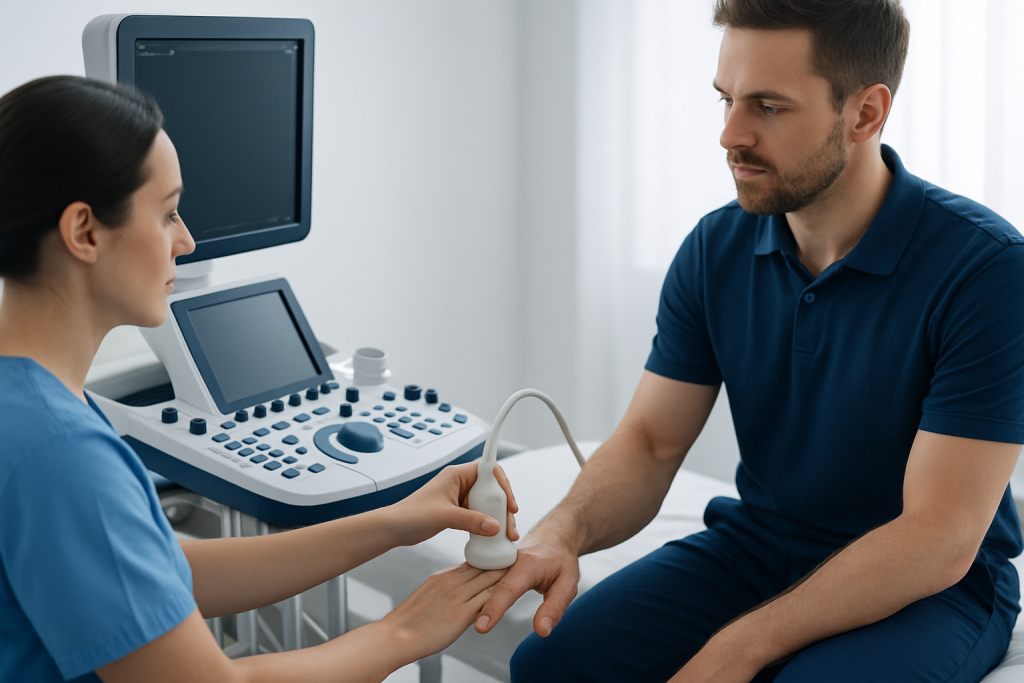
Imaging tests are often helpful when the cause is unclear or if a fracture, dislocation, ligament injury, or arthritis is suspected. Standard X-rays can show bone alignment, fractures, erosions, or joint space narrowing. Ultrasound may help evaluate inflammation, fluid, or tendon problems, while MRI can provide more detail about cartilage, ligaments, and soft tissues.
Blood tests are sometimes ordered if an inflammatory or autoimmune condition is possible. These may help support the diagnosis of disorders such as rheumatoid arthritis or rule out infection or other systemic causes. The pattern of symptoms matters: one painful MP joint after trauma suggests a different problem than several swollen joints on both hands.
If symptoms are persistent or function is affected, referral to a hand specialist, orthopedist, or rheumatologist may be appropriate. In some cases, doctors may recommend advanced evaluation through orthopedic assessment or rheumatology care to clarify the diagnosis and guide treatment.
Treatment options for mp joint pain and dysfunction
Treatment depends on the underlying cause, severity of symptoms, and how much the joint problem interferes with daily life. For minor sprains or overuse injuries, initial care often includes rest, avoiding aggravating activities, short-term splinting or taping, and ice. A clinician may also suggest anti-inflammatory medicines when appropriate, though these should be used under medical guidance, especially in people with stomach, kidney, or heart concerns.
Hand therapy can play an important role. Targeted exercises may improve mobility, strength, and function once acute pain settles. A therapist may also provide advice on joint protection, ergonomic adjustments, and supports that reduce strain during work or sports. For inflammatory conditions, early treatment helps protect joint structure and preserve hand function.
If the problem is related to an inflammatory disease, treatment may involve disease-specific medicines prescribed by a specialist. If there is a fracture, major ligament tear, recurrent dislocation, or advanced joint damage, surgery may sometimes be needed. Depending on the diagnosis, management can include hand surgery or broader physical therapy and rehabilitation support during recovery.
Acibadem International’s multidisciplinary specialists and JCI-accredited hospitals evaluate hand and joint conditions for international patients, helping coordinate imaging, specialist assessment, and treatment planning when needed.
Prevention and self-care
Not every MP joint problem can be prevented, but simple measures may lower strain and support joint health. Avoiding repetitive overload, taking breaks during hand-intensive tasks, and using proper technique with tools or sports equipment can reduce the risk of overuse injury. For people who work with their hands, ergonomic changes may be especially helpful.
After minor irritation, relative rest is often better than complete inactivity. Gentle movement within a comfortable range can help prevent stiffness, while forceful gripping or high-impact use should be limited until symptoms improve. Supportive splints or taping should ideally be chosen with professional advice so that they protect the joint without causing unnecessary stiffness.
General health also matters. Managing inflammatory disease, maintaining muscle strength, and treating injuries promptly can help reduce long-term joint problems. If the MP joint remains painful or swollen beyond a short period, self-care alone may not be enough, and a proper assessment is a safer approach.
- Warm up before sports or repetitive hand tasks
- Take regular breaks from gripping or typing
- Use padded handles or ergonomic tools when possible
- Avoid returning too quickly to heavy hand use after injury
- Seek early care for persistent swelling or reduced movement
When to seek medical care
Medical care is advisable if MP joint pain lasts more than a few days, keeps returning, or starts to interfere with work, sleep, or basic hand function. It is also important to seek evaluation if the joint looks deformed, feels unstable, or cannot be moved normally after an injury.
Urgent assessment is especially important when there is marked swelling, severe pain, redness with fever, a suspected fracture, or sudden inability to grip or extend the finger. These features may suggest a significant injury, infection, or inflammatory flare that needs prompt treatment.
People who have multiple swollen hand joints, prolonged morning stiffness, or known autoimmune disease should not ignore new MP joint symptoms. Early evaluation can help identify conditions such as rheumatoid arthritis before permanent damage develops. A qualified doctor can determine whether symptoms are due to a simple strain or a condition that requires more targeted care.
Frequently asked questions
What does mp joint mean?
MP joint means metacarpophalangeal joint. It is the joint where a finger or the thumb connects to the hand, commonly known as the knuckle joint.
Why does my mp joint hurt when I bend my finger?
Pain when bending the finger can happen with a sprain, tendon irritation, arthritis, overuse, or swelling within or around the joint. If pain persists, follows an injury, or limits movement, a doctor should assess it.
Can mp joint pain go away on its own?
Mild MP joint pain from temporary overuse or a minor strain may improve with rest, activity changes, and simple self-care. Pain that lasts, worsens, or keeps coming back may point to a deeper problem and should be evaluated.
Is mp joint pain a sign of arthritis?
It can be, especially if there is swelling, stiffness, and symptoms in more than one hand joint. However, MP joint pain can also be caused by injury, tendon problems, or repetitive strain, so arthritis is only one possibility.
How is an mp joint injury diagnosed?
Doctors diagnose MP joint injuries using a history, physical exam, and sometimes imaging such as X-rays, ultrasound, or MRI. The goal is to check for fractures, ligament damage, dislocation, inflammation, or wear-related changes.
When should someone worry about an mp joint problem?
A person should seek medical care if there is severe pain, major swelling, visible deformity, inability to move the finger, or symptoms after trauma. Persistent stiffness, repeated flare-ups, or several swollen knuckles also deserve evaluation.
This article is for general information only and is not a substitute for professional medical advice. Please consult a qualified doctor about your individual situation.
Joint and spine care in Turkey — expert assessment & treatment
JCI-accredited · board-certified surgeons · reply within 24h
Add us as a Preferred Source to see more of our trusted health content across Google Search, AI Overviews and Discover.

More from the Health Library

Daltonism Color Blindness: What Patients Need to Know

Tom Brady Pea Gatling.: A Complete Medical Overview

Antiseptic for Cat Scratch — Explained by Medical Evidence, Not Myths

Early Psoriasis — Explained by Medical Evidence, Not Myths

Interferons: An Evidence-Based Guide for Patients

Hemorrhage: What Patients Need to Know
Orthopedic Surgery & Traumatology Specialists at Acibadem

Prof. Dr. Arel Gereli
Orthopedic Surgery & Traumatology
Fzt. Asım Sakallı
Physical Medicine & Rehabilitation
Fzt. Aslı Hacıoğlu
Physical Medicine & Rehabilitation
Assoc. Prof. Dr. Ata Can
Orthopedic Surgery & Traumatology