Ice Pick Headache Explained: Common Triggers and Red Flags
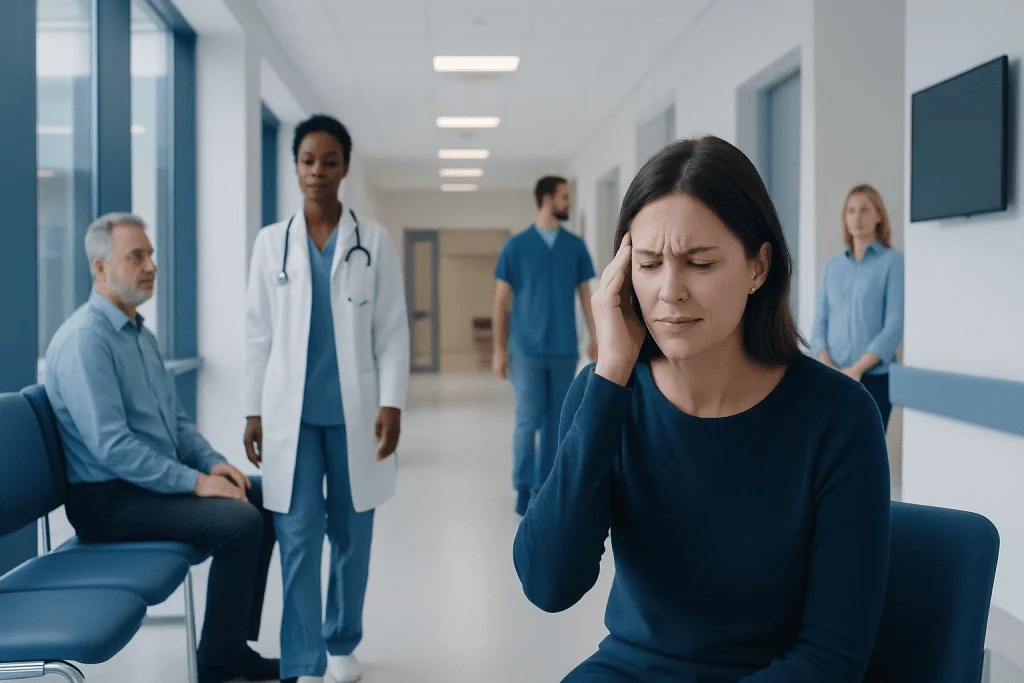
Ice pick headache usually feels like a sharp, stabbing pain that starts and stops suddenly. Episodes are brief, often lasting only a few seconds, and may happen once or in clusters.
Key Takeaways
- Ice pick headache usually feels like a sharp, stabbing pain that starts and stops suddenly.
- Episodes are brief, often lasting only a few seconds, and may happen once or in clusters.
- Many people with migraine are more likely to experience this type of headache.
- A doctor may recommend evaluation if symptoms are new, severe, frequent, or linked with neurological changes.
- Treatment depends on how often attacks happen and whether another headache disorder or medical condition is present.
An ice pick headache is a sudden, brief, stabbing pain in the head that often lasts only a few seconds. It is commonly benign, especially when it happens occasionally, but new, frequent, or unusual attacks should be evaluated to rule out other causes.
Overview: What Is an Ice Pick Headache?
An ice pick headache is a very short burst of sharp, stabbing head pain that appears suddenly and then goes away quickly. Many people describe it as a jab, stab, or electric-like pain in one small area of the head. The medical term often used for this pattern is primary stabbing headache.
These headaches are usually brief, lasting a few seconds, although some people may have repeated stabs over a short period. They can occur in different parts of the head and may shift from one side to the other. Because the pain is intense but so short, it can feel alarming even when the cause is not dangerous.
In many cases, an ice pick headache is a primary headache disorder, which means it is the condition itself rather than a symptom of another illness. However, not every sharp head pain is the same. A careful history helps distinguish ice pick headache from migraine, cluster headache, nerve pain, and headaches related to infections, inflammation, or structural problems.
What Does It Feel Like?
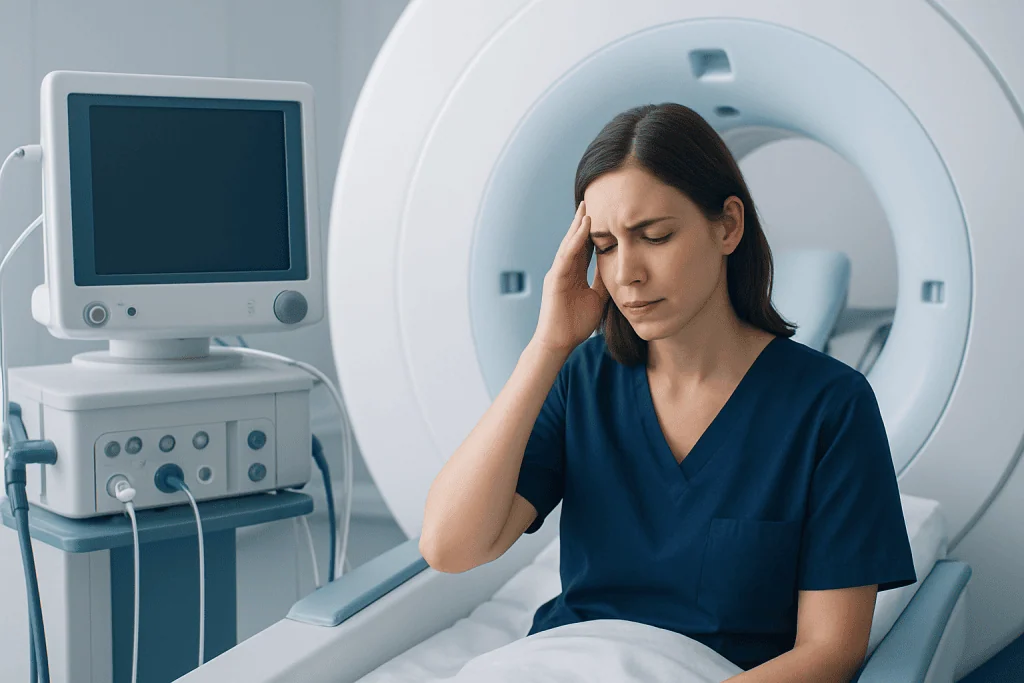
The most typical symptom is a sudden, piercing pain that affects a small, limited spot on the scalp, temple, forehead, or around the eye. The pain often reaches full intensity immediately rather than building gradually. Unlike many other headaches, there may be no lingering ache after the stab passes.
Some people experience only an occasional episode, while others notice several attacks in a day. The location can stay the same or move around. Although many attacks happen on one side, both sides can be involved at different times.
Ice pick headache does not usually include the long-lasting throbbing, pressure, or disability associated with classic migraine. Still, it can overlap with other headache conditions, especially migraine. For some individuals, the stabs happen in areas where they usually get migraine pain, which can help a clinician recognize the pattern.
- Sudden onset
- Sharp, stabbing, or jabbing quality
- Very short duration, often seconds
- One attack or a cluster of brief attacks
- Usually no loss of consciousness or prolonged confusion
Common Triggers and Who Is More Likely to Get It

A clear trigger is not always found. Ice pick headaches can happen without warning, even during normal daily activities. However, they are seen more often in people who already live with other headache disorders, particularly migraine. This suggests that the nervous system may be more sensitive in some individuals.
Some people notice patterns that seem to bring attacks on, such as stress, poor sleep, fatigue, or sudden changes in routine. Others report that attacks are more common during periods when migraine is active. These factors do not prove a direct cause, but they can be useful clues when tracking symptoms.
Less commonly, stabbing head pain may be secondary to another issue rather than a primary headache disorder. That is why a doctor pays attention to whether the pain is truly brief and isolated or whether it comes with fever, visual changes, weakness, facial pain, scalp tenderness, or a new type of headache after age 50. If symptoms suggest another diagnosis, a clinician may investigate conditions such as brain tumor or other neurological causes, although most people with occasional ice pick headaches do not have a serious underlying disorder.
How Doctors Diagnose Ice Pick Headache
Diagnosis begins with a detailed description of the pain. A doctor will ask how long each attack lasts, where it occurs, how often it happens, whether the location moves, and whether there are symptoms between attacks. This history is especially important because the attacks are so brief that examination during an episode is often not possible.
The physical and neurological examination is used to look for warning signs of another condition. Many people with typical primary stabbing headache have a normal examination. If the pattern is classic and there are no red flags, testing may not always be necessary.
Imaging or other tests may be considered when the headache is new, changing, unusually severe, or linked with abnormal findings. Depending on the situation, a specialist may recommend brain MRI or other evaluations to rule out structural, vascular, inflammatory, or infectious causes. In complex cases, consultation with a neurologist can help distinguish ice pick headache from trigeminal neuralgia, short-lasting unilateral neuralgiform headaches, cluster headache, or other forms of headache.
Treatment Options and Symptom Management
Because ice pick headache attacks are so brief, there is often no practical rescue treatment to stop a single stab once it starts. Management usually focuses on confirming the diagnosis, excluding secondary causes when needed, and deciding whether preventive treatment is necessary. Many people who have infrequent episodes do not need medication.
If attacks are frequent, disruptive, or occur in clusters, a doctor may consider preventive therapy. The choice depends on the overall headache history, other medical conditions, and possible side effects. Treatment is individualized, and self-medicating with frequent pain relievers is generally not helpful for these very short attacks.
When another headache disorder is present, treating that condition may also reduce stabbing pains. For example, patients with migraine may benefit from broader neurology care and headache management strategies. In selected cases, additional assessment through headache treatment services can help tailor a plan. Near the end of the care pathway, patients seeking international evaluation may also learn that Acibadem International’s multidisciplinary specialists and JCI-accredited hospitals diagnose and treat headache disorders for international patients.
Self-Care, Tracking, and Prevention
There is no guaranteed way to prevent every ice pick headache, but symptom tracking can be very helpful. A simple diary can note the date, time, location of pain, duration, number of stabs, possible triggers, and any other symptoms such as nausea, tearing, or light sensitivity. Over time, this can reveal patterns that guide diagnosis and treatment.
General headache-friendly habits may reduce overall nervous system sensitivity. These include regular sleep, good hydration, balanced meals, stress management, and avoiding personal migraine triggers when relevant. While these steps may not stop every episode, they support overall brain health and can reduce confusion between different headache types.
It is also wise to avoid overusing over-the-counter pain medicines for recurring head pain unless a doctor advises otherwise. Frequent use of some pain relievers can contribute to medication-overuse headache in people with other headache disorders. If attacks are becoming more frequent, changing in pattern, or causing anxiety, a medical review is the safest next step.
When to Seek Medical Care
Occasional, very brief stabbing head pains in someone with a typical pattern are often not an emergency. Still, medical care is important when the diagnosis is uncertain or when the headache no longer fits a familiar pattern. New-onset symptoms deserve more attention if they begin later in life, become frequent, or are noticeably different from past headaches.
A person should seek prompt medical evaluation if stabbing head pain is accompanied by weakness, numbness, confusion, trouble speaking, fainting, fever, neck stiffness, seizure, vision loss, or persistent vomiting. Immediate care is also needed for a sudden severe headache unlike any previous headache, or for head pain after a significant injury.
Even without emergency warning signs, a doctor visit is appropriate if the pain keeps returning, interferes with daily life, or causes concern. A careful evaluation can confirm whether it is a benign ice pick headache or whether another condition should be considered.
Frequently asked questions
Are ice pick headaches dangerous?
Ice pick headaches are often benign, especially when they are brief, occasional, and occur in a typical pattern. They should still be assessed if they are new, unusually frequent, or accompanied by neurological symptoms or other warning signs.
How long does an ice pick headache last?
Most attacks last only a few seconds. Some people may have several brief stabs close together, but the individual pains are usually very short rather than long-lasting.
Is an ice pick headache the same as a migraine?
No. An ice pick headache is a short stabbing pain, while migraine typically lasts much longer and may include throbbing pain, nausea, and sensitivity to light or sound. However, people with migraine are more likely to experience ice pick headaches.
Can stress trigger ice pick headaches?
Stress may be a contributing factor for some people, although a specific trigger is not always clear. Poor sleep, fatigue, and changes in routine may also be associated with attacks in certain individuals.
Do ice pick headaches need brain scans?
Not always. If the symptoms are typical and the examination is normal, imaging may not be necessary. A doctor may recommend a scan when the headache is new, changing, severe, or linked with abnormal neurological findings.
What is the best treatment for ice pick headache?
Treatment depends on how often the attacks happen and whether another headache disorder is present. Many people with rare episodes do not need treatment, while frequent or disruptive attacks may be managed with preventive strategies recommended by a doctor.
References
- International Classification of Headache Disorders
- National Institute of Neurological Disorders and Stroke
- American Migraine Foundation
- Mayo Clinic
- Cleveland Clinic
This article is for general information only and is not a substitute for professional medical advice. Please consult a qualified doctor about your individual situation.
Explore treatments in Turkey — costs, top hospitals & a free quote
JCI-accredited · board-certified surgeons · reply within 24h
Add us as a Preferred Source to see more of our trusted health content across Google Search, AI Overviews and Discover.