ICU After Coronary Bypass Surgery: What Patients and Families Should Expect

A stay in the ICU after coronary bypass surgery is standard and allows close monitoring during the earliest stage of recovery. Patients may wake up with breathing support, chest tubes, IV lines, and monitoring equipment that are expected after surgery.
Key Takeaways
- A stay in the ICU after coronary bypass surgery is standard and allows close monitoring during the earliest stage of recovery.
- Patients may wake up with breathing support, chest tubes, IV lines, and monitoring equipment that are expected after surgery.
- Pain control, breathing exercises, early movement, and careful observation help reduce complications and support healing.
- Recovery timelines vary, but most patients gradually move from ICU to a regular hospital room once stable.
- Families can help by understanding the equipment, asking questions, and supporting follow-up instructions after discharge.
ICU after coronary bypass surgery is a routine part of recovery, where the care team closely monitors breathing, heart function, blood pressure, pain, and early healing. Knowing what usually happens in the first hours and days can help patients and families feel more prepared and reassured.
Overview: Why the ICU Is Needed After Coronary Bypass Surgery
ICU after coronary bypass surgery is a normal and planned stage of care. After coronary artery bypass grafting, also called CABG, the body needs time to recover from both the heart procedure and the effects of anesthesia. The intensive care unit gives doctors and nurses the ability to watch the patient closely during these first critical hours.
In the ICU, the team checks heart rhythm, blood pressure, oxygen levels, urine output, temperature, and drainage from surgical tubes. This close observation helps them respond quickly if support is needed. For most patients, this does not mean that something has gone wrong. It simply reflects the standard level of care after major heart surgery.
Many patients and families feel uneasy when they hear the words “intensive care.” In this setting, however, ICU care is often part of a smooth recovery path. The goal is to support breathing, circulation, comfort, and early healing until the patient is stable enough to move to a regular hospital room.
What Patients Usually See and Feel in the First Hours
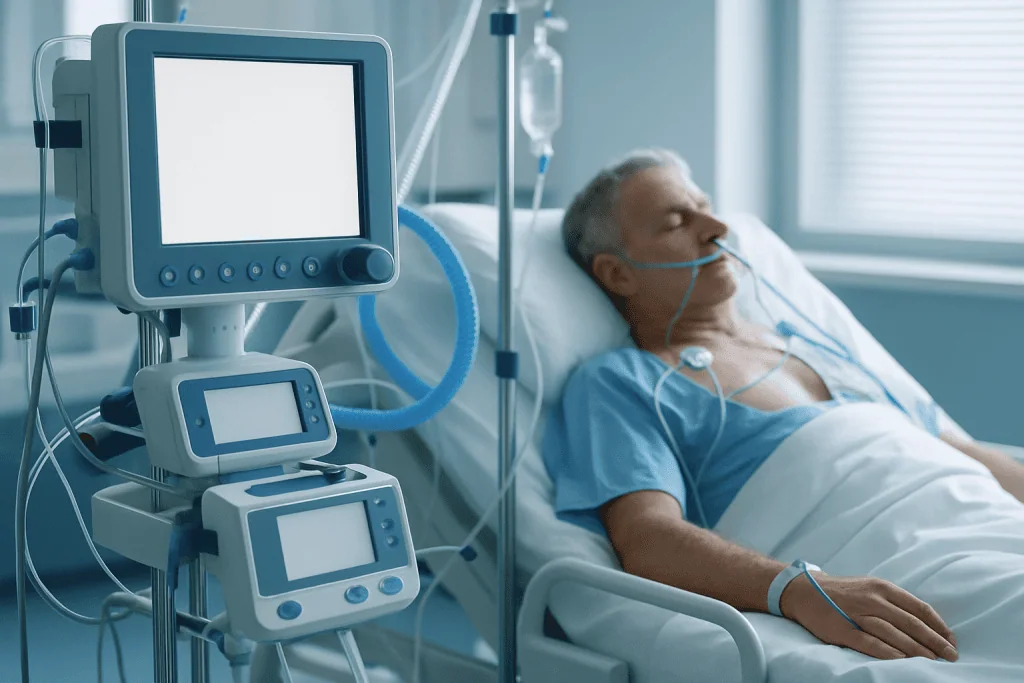
When a patient first wakes up, they may feel sleepy, confused, cold, thirsty, or uncomfortable. This is common after anesthesia and major surgery. Some patients wake up while still connected to a breathing machine through a tube in the mouth, although the team usually removes this tube as soon as it is safe to do so.
It is also common to have several lines, tubes, and monitors in place. These may include chest tubes to drain fluid, intravenous lines for medicines and fluids, a urinary catheter, pacing wires, and adhesive patches on the chest to monitor the heart rhythm. These devices can look alarming, but they are standard tools used to support recovery.
Pain or pressure around the chest incision is expected, and the care team works to keep discomfort manageable. Patients may also notice a sore throat from the breathing tube, mild swelling, or grogginess. Nurses regularly assess comfort, breathing, and alertness so treatment can be adjusted as recovery progresses.
- Heart monitor showing rhythm and rate
- Blood pressure and oxygen monitors
- Chest tubes for temporary drainage
- IV lines for fluids, pain relief, and other medicines
- A urinary catheter to monitor urine output
How the ICU Team Monitors Recovery

The ICU team includes heart surgeons, intensive care doctors, cardiologists, nurses, respiratory therapists, and other specialists. Together, they focus on helping the heart and lungs work well while the body begins to heal. They review test results, examine the patient frequently, and adjust treatment based on recovery needs.
Breathing is a major focus in the first hours after surgery. The team checks oxygen levels, listens to the lungs, and helps the patient begin deep breathing and coughing exercises when awake enough. These steps help reduce mucus buildup and lower the risk of pneumonia. If needed, extra oxygen is given through a mask or nasal tube after the breathing tube is removed.
Heart function is watched closely because changes in rhythm, blood pressure, or fluid balance can happen after bypass surgery. The team may perform blood tests, chest X-rays, and electrocardiograms. They also monitor for bleeding, infection, kidney function, and signs that the new bypass grafts are supporting blood flow as expected. Patients being treated for blocked heart arteries may already be familiar with coronary artery disease, the condition that often leads to bypass surgery.
Common Symptoms and Temporary Concerns in the ICU
Many symptoms during an ICU stay are temporary and improve as the effects of surgery wear off. Fatigue is very common. Patients may feel weak, foggy, or emotionally sensitive. Sleep can also be poor because of noise, lights, frequent checks, and discomfort. This can make the first day feel longer and more stressful than expected.
Some patients have nausea, low appetite, or constipation related to anesthesia, pain medicines, or reduced movement. Others notice swelling in the hands or legs, especially if a vein was taken from the leg for the bypass graft. Mild fever can sometimes occur early after surgery, although the team will assess carefully for signs of infection if temperature changes continue.
An irregular heartbeat, especially atrial fibrillation, can happen after bypass surgery and is often treatable. Shortness of breath, chest discomfort, or anxiety may also occur and should be reported promptly so the team can evaluate them. Because symptoms can overlap with expected recovery, frequent monitoring helps distinguish what is routine from what needs additional attention.
Treatment and Support During the ICU Stay
Care in the ICU is designed to support safe healing and prevent complications. Pain control is an important part of this. The team may use a combination of medicines rather than relying on just one approach. Good pain management helps patients breathe deeply, cough more effectively, and begin moving sooner.
Breathing support is gradually reduced as the patient becomes more awake and stable. Respiratory therapy, oxygen support, and guided breathing exercises are commonly used. Patients are usually encouraged to sit up, move their legs, and start short periods of activity as soon as it is safe. Early movement supports circulation, lung function, and bowel recovery.
Other treatments may include medications for blood pressure, heart rhythm, blood sugar control, and blood thinning, depending on the individual situation. Some patients will later continue care through coronary artery bypass grafting follow-up care and may also need cardiac rehabilitation to rebuild strength and confidence after discharge. If the surgery was part of treatment for advanced coronary blockage, longer-term planning may also involve specialist cardiology care.
How Long the ICU Stay Lasts and What Happens Next
The length of ICU stay after coronary bypass surgery varies from person to person. Many patients stay for about one to two days, but this can be shorter or longer depending on age, overall health, the complexity of surgery, and how quickly breathing, circulation, and alertness return to stable levels.
Before transfer from the ICU, the team usually wants to see that the patient is breathing adequately without advanced support, blood pressure and heart rhythm are stable, pain is reasonably controlled, and there are no urgent signs of bleeding or other complications. Chest tubes and certain lines may be removed when they are no longer needed.
After the ICU, the patient generally moves to a step-down or regular cardiac ward. The focus then shifts to walking more, eating, bowel recovery, wound care, medication planning, and preparing for discharge. This stage is still important, but it often feels less intense and more familiar for families.
How Families Can Help and What Questions to Ask
Family members often feel better when they understand what they are seeing. Monitors may beep, staff may come in and out frequently, and the patient may not be fully awake right away. These are common parts of ICU care. Speaking calmly, following visiting rules, and asking for updates can help everyone feel more oriented.
Helpful questions include asking whether the breathing tube has been removed, how pain is being managed, whether heart rhythm is stable, when walking may begin, and what milestones are needed before transfer out of the ICU. It can also be useful to ask which symptoms are expected and which should prompt immediate concern.
As discharge planning begins, families may want to clarify wound care, bathing, lifting restrictions, medicines, follow-up visits, diet, and signs of complications to watch for at home. Near the end of the hospital stay, some international patients may choose coordinated follow-up through centers such as Acibadem International, where multidisciplinary specialists in JCI-accredited hospitals diagnose and treat heart conditions for patients traveling from abroad.
When to Seek Medical Help After Leaving the ICU or Hospital
Even after a stable ICU recovery, patients should remain alert to symptoms that need medical review. It is important to contact a doctor promptly for fever, worsening redness or drainage from the incision, increasing shortness of breath, fainting, severe palpitations, new leg swelling, or chest pain that is new, severe, or different from expected surgical soreness.
Emotional changes also matter. Feeling tired or low in mood can be common after major surgery, but persistent anxiety, confusion, panic, or depression should be discussed with the care team. Recovery is not only physical. Sleep, appetite, and emotional adjustment can affect healing and quality of life.
Follow-up appointments are an important part of safe recovery. Doctors may review wound healing, medications, heart rhythm, blood pressure, and physical activity goals. Patients who have questions about longer-term outlook after surgery may also benefit from learning about related recovery topics such as heart failure if reduced heart function is part of their overall condition, though not every bypass patient has this issue.
Frequently asked questions
How long do patients usually stay in the ICU after coronary bypass surgery?
Many patients stay in the ICU for about one to two days after coronary bypass surgery. The exact timing depends on breathing, heart rhythm, blood pressure, bleeding risk, and overall recovery progress.
Is it normal to wake up with tubes and monitors after bypass surgery?
Yes. Tubes, drains, IV lines, and heart monitors are expected after this type of surgery and help the team track recovery closely. Most of these are removed gradually as the patient becomes more stable.
Will the patient be in pain in the ICU?
Some pain or soreness is expected, especially around the chest incision. The ICU team regularly checks discomfort and uses pain relief strategies to keep symptoms manageable and support deep breathing and movement.
Why might a patient seem confused or sleepy after surgery?
Grogginess, confusion, and fatigue are common in the first hours after anesthesia and major surgery. Poor sleep, pain medicines, and the stress of the procedure can also contribute, but the team monitors mental alertness closely.
When can patients start walking after coronary bypass surgery?
Light movement often begins quite early, sometimes within a day, depending on the patient's condition. The care team encourages gradual activity because it helps lung function, circulation, and overall recovery.
What should families watch for after the patient leaves the hospital?
Families should watch for fever, worsening shortness of breath, severe palpitations, new swelling, or signs of wound infection such as redness or drainage. Any concerning symptom should be discussed with a doctor promptly.
References
- American Heart Association
- National Heart, Lung, and Blood Institute
- Society of Thoracic Surgeons
- European Society of Cardiology
- Mayo Clinic
This article is for general information only and is not a substitute for professional medical advice. Please consult a qualified doctor about your individual situation.
Heart care in Turkey — expert evaluation and treatment
JCI-accredited · board-certified surgeons · reply within 24h
Add us as a Preferred Source to see more of our trusted health content across Google Search, AI Overviews and Discover.
Check your numbers in seconds
BMI, calories, due date, blood pressure and 30+ more clinical calculators — free, instant, doctor-reviewed ranges.