Idiopathic Guttate Hypomelanosis: Symptoms, Causes, and Treatment Options

Idiopathic guttate hypomelanosis causes small, pale or white spots on sun-exposed skin. It is benign, noncontagious, and not related to skin cancer.
Key Takeaways
- Idiopathic guttate hypomelanosis causes small, pale or white spots on sun-exposed skin.
- It is benign, noncontagious, and not related to skin cancer.
- Long-term sun exposure and aging are the main factors linked to this condition.
- Diagnosis is usually clinical, but a dermatologist may check for other causes of light patches.
- Treatment is often optional and focuses on cosmetic improvement rather than medical necessity.
Idiopathic guttate hypomelanosis is a common, harmless skin condition that causes small, smooth white spots, most often on sun-exposed areas such as the arms and legs. Although the spots are benign and usually do not need treatment, a dermatologist can confirm the diagnosis and discuss options if appearance is a concern.
Overview
Idiopathic guttate hypomelanosis is a benign skin condition that appears as multiple small white spots, usually on areas that receive regular sun exposure. The spots are typically round or oval, smooth, and a few millimeters wide. They are most often seen on the forearms, shins, and sometimes the face, shoulders, or upper back.
The name can sound complex, but it describes the condition quite directly: “idiopathic” means the exact cause is not fully defined, “guttate” refers to drop-like spots, and “hypomelanosis” means reduced skin pigment. In practice, doctors understand it as a common pattern of pigment loss linked mainly to aging and cumulative ultraviolet exposure.
This condition is especially common in adults and tends to become more noticeable over time. It does not usually cause itching, pain, scaling, or other symptoms. Many people seek advice because they want to know whether the spots are serious or because they would like to improve their appearance.
Importantly, idiopathic guttate hypomelanosis is not an infection, is not contagious, and is not considered a dangerous disorder. Still, light spots on the skin can have several causes, so it is reasonable to have new or changing patches assessed by a qualified clinician, especially if the pattern is unusual.
How the Spots Look and Where They Appear
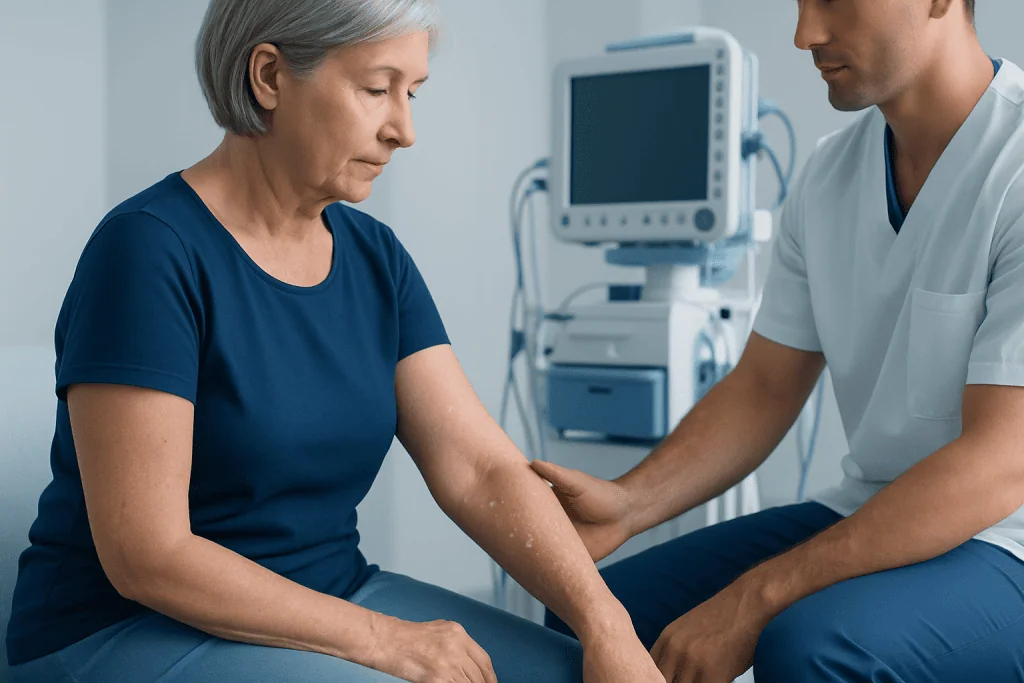
The spots of idiopathic guttate hypomelanosis are usually sharply defined and lighter than the surrounding skin. They are often porcelain-white or pale, with a flat surface and no surrounding redness. Unlike some other skin conditions, these spots generally do not peel, crust, or become inflamed.
Common locations include the fronts of the legs, the forearms, and other sun-exposed areas. The spots may occur singly at first and then gradually increase in number over the years. In many people they are symmetrical, appearing on both sides of the body in similar areas.
People with darker skin tones may notice the spots more clearly because of the contrast with surrounding skin, but idiopathic guttate hypomelanosis can occur in all skin types. The condition itself does not change the texture of the skin significantly, although dryness from sun damage may make the area look more noticeable.
Features that fit this diagnosis often include:
- Small white or pale spots, usually 2 to 5 millimeters across
- Smooth, flat surface
- No pain, itching, or significant irritation
- Gradual increase over time
- Most visible on chronically sun-exposed skin
Causes and Risk Factors

The exact mechanism behind idiopathic guttate hypomelanosis is still being studied, but dermatologists generally associate it with long-term sun exposure and natural skin aging. Over time, ultraviolet light can affect melanocytes, the cells that produce melanin, leading to small areas with reduced pigment.
Age is one of the strongest risk factors. The condition is more common in middle-aged and older adults, although younger adults can develop it too, especially if they have had high sun exposure. Repeated outdoor activity without adequate sun protection may increase the likelihood that these spots will appear earlier or become more numerous.
Some people may also have a family tendency toward developing similar pigment changes, though idiopathic guttate hypomelanosis is not usually described as a straightforward inherited disorder. Fairer skin, a history of sunburns, and cumulative ultraviolet exposure over many years may all play a role.
It is helpful to know what this condition is not caused by. It is not due to poor hygiene, is not a fungal infection, and is not spread from person to person. While white spots can also happen in other skin disorders, including vitiligo, idiopathic guttate hypomelanosis has a different pattern and is usually much more limited.
How Doctors Diagnose It
Diagnosis is usually made during a skin examination. A dermatologist looks at the size, shape, color, and location of the spots and asks when they first appeared and whether they have changed. The typical appearance on sun-exposed skin is often enough to make the diagnosis confidently.
In some cases, a doctor may use a dermatoscope, a handheld magnifying device that helps assess skin patterns in more detail. This can support the diagnosis and help distinguish idiopathic guttate hypomelanosis from other causes of hypopigmented or depigmented patches.
The main part of diagnosis is ruling out look-alike conditions. Depending on the pattern, the clinician may consider conditions such as vitiligo, post-inflammatory hypopigmentation, pityriasis versicolor, or other pigment changes related to eczema, psoriasis, or previous skin injury. If there is uncertainty, additional tests may be recommended.
These tests are not always needed, but may include a Wood’s lamp examination, skin scraping, or, rarely, a skin biopsy. If a person has many skin changes from sun exposure, a broader dermatology evaluation can also help identify any unrelated concerns that may need treatment or monitoring.
Treatment Options and What to Expect
Because idiopathic guttate hypomelanosis is harmless, treatment is optional. Many people choose simple observation once they understand the diagnosis. The spots often persist and may slowly increase with time, but they do not usually lead to medical complications.
When treatment is desired for cosmetic reasons, options may include topical medicines, procedural therapies, or both. Dermatologists may discuss carefully selected topical retinoids or other prescription creams that aim to encourage skin cell turnover and pigment blending. Results are often gradual and can vary from person to person.
Some procedures may help selected patients, such as light cryotherapy techniques, superficial abrasion methods, or targeted laser approaches. These treatments are not suitable for everyone and may carry risks such as irritation, incomplete improvement, or temporary color changes. For this reason, treatment decisions are individualized after considering skin type, extent of spots, and expectations. In some cases, a specialist may discuss whether laser treatment could be appropriate.
Camouflage cosmetics and tinted sunscreens can also reduce contrast between the spots and surrounding skin. A realistic goal is improvement in appearance, not always complete repigmentation. If a person is considering procedural care, an experienced dermatology specialist can explain likely benefits and limitations in a safe, personalized way.
Prevention and Self-care
Although existing spots can be difficult to reverse completely, prevention focuses mainly on reducing additional sun damage. Daily sun protection can help limit further contrast and may reduce the development of new spots over time. This is useful even on cloudy days and during routine outdoor activities.
Practical sun-protective habits include broad-spectrum sunscreen, protective clothing, hats, and seeking shade when ultraviolet intensity is highest. Sunscreen should be applied consistently to exposed areas such as the forearms, lower legs, shoulders, and face.
General skin care can also make the skin look more even overall. Gentle cleansing, regular moisturizing, and avoiding harsh scrubs or irritating products may help maintain the skin barrier. While these steps do not cure idiopathic guttate hypomelanosis, they can support healthier-looking skin and reduce irritation from unnecessary self-treatment.
It is best to avoid trying strong chemical products or home remedies without medical guidance. Light spots have different causes, and using unsuitable treatments can irritate the skin or make discoloration more noticeable. If diagnosis is uncertain, professional assessment is the safest approach.
When to Seek Medical Care
Idiopathic guttate hypomelanosis itself is harmless, but it is sensible to seek medical advice when white spots are new, spreading quickly, or look different from the usual small sun-related pattern. A doctor should also review patches that itch, scale, become inflamed, or appear after a rash or skin injury, because these features may suggest a different condition.
Medical review is also important if the light patches involve the lips, hands, scalp, or large areas of the body, or if there are changes in hair color within the patches. These signs may point toward another pigment disorder rather than idiopathic guttate hypomelanosis. People with a personal or family history of autoimmune disease may particularly benefit from proper evaluation when depigmented patches appear.
A consultation can provide reassurance as well as a clear diagnosis. If appearance is affecting confidence or quality of life, a dermatologist can explain management options and discuss whether treatment is likely to help. Near the end of the care journey, some patients may also value support from centers experienced in skin disorders; Acibadem International’s multidisciplinary specialists and JCI-accredited hospitals diagnose and treat dermatologic conditions for international patients.
If a clinician is concerned that the spots are not typical, they may arrange further testing or refer for additional skin assessment, including skin examination and screening when broader sun-related skin changes are present. Prompt evaluation is not about assuming the worst; it is about making sure the diagnosis is accurate and the advice is appropriate.
Frequently asked questions
Is idiopathic guttate hypomelanosis dangerous?
No. Idiopathic guttate hypomelanosis is considered a benign condition and does not usually cause health problems. The main concern is often cosmetic, although a doctor may still confirm the diagnosis because other conditions can also cause white spots.
Can idiopathic guttate hypomelanosis turn into skin cancer?
Idiopathic guttate hypomelanosis itself is not skin cancer and is not known to turn into skin cancer. However, because it often appears on sun-exposed skin, a clinician may also look for other signs of sun damage during an examination.
How is idiopathic guttate hypomelanosis different from vitiligo?
Idiopathic guttate hypomelanosis usually causes many tiny white spots on sun-exposed areas, especially the arms and legs. Vitiligo more often causes larger, more clearly depigmented patches and may affect the hands, face, body folds, or around the mouth and eyes.
Will the white spots go away on their own?
In many people, the spots remain long term and may slowly increase in number over time. They do not usually disappear completely without treatment, although their appearance may be less noticeable with sun protection and cosmetic blending.
What treatments can help idiopathic guttate hypomelanosis?
Treatment is optional and usually aimed at improving appearance rather than treating a medical problem. A dermatologist may suggest prescription creams, selected procedural treatments, or camouflage techniques, depending on the skin type and the extent of spots.
Can sun protection help prevent more spots?
Yes, consistent sun protection may help reduce further sun-related pigment changes and limit contrast between spots and surrounding skin. Sunscreen, shade, and protective clothing are sensible long-term measures.
References
- American Academy of Dermatology
- National Institute of Arthritis and Musculoskeletal and Skin Diseases
- DermNet
- British Association of Dermatologists
This article is for general information only and is not a substitute for professional medical advice. Please consult a qualified doctor about your individual situation.
Joint and spine care in Turkey — expert assessment & treatment
JCI-accredited · board-certified surgeons · reply within 24h
Add us as a Preferred Source to see more of our trusted health content across Google Search, AI Overviews and Discover.

More from the Health Library



Related Specialists

Dr. İpek Betül Özçivit Erkan
Gynecology & Obstetrics
Funda Özdemir
Physical Medicine & Rehabilitation
Prof. Dr. Turgay Çelikel
Pulmonology
Dt. Aslı Yetğın Yazar
Oral & Dental Health