

If Biopsy Is Negative Can It Still Be Cancer: Procedure, Recovery and Results

A negative biopsy means no cancer cells were identified in the tissue sample examined. Cancer can occasionally still be present if the needle or surgical sample did not capture the abnormal area.
Key Takeaways
- A negative biopsy means no cancer cells were identified in the tissue sample examined.
- Cancer can occasionally still be present if the needle or surgical sample did not capture the abnormal area.
- When results do not match suspicious imaging or ongoing symptoms, further testing or a repeat biopsy may be recommended.
- Most biopsies are outpatient procedures, and recovery depends on the body site and biopsy method.
- Increasing pain, spreading redness, fever, heavy bleeding, or drainage from a biopsy site should be assessed promptly.
If biopsy is negative can it still be cancer? A negative result is reassuring, but it does not always completely rule out cancer when imaging findings, examination results, or symptoms remain concerning. Doctors interpret biopsy findings together with the location and quality of the sample, scans, laboratory tests, and a person’s overall clinical picture.
Overview: what a negative biopsy result means
A biopsy is a procedure in which a small sample of cells or tissue is removed and examined under a microscope by a pathologist. It is often the most reliable way to determine whether an area seen on a scan, felt during an examination, or causing symptoms is cancerous, inflammatory, infectious, or benign.
A negative biopsy result means that cancer cells were not found in the sample that was tested. This is commonly reassuring. However, a biopsy evaluates only the tissue collected, not every cell in the surrounding organ or lesion. If a scan remains highly suspicious, a lump grows, or symptoms continue, the medical team may recommend additional evaluation to make sure the sampled tissue accurately represents the area of concern.
Results should therefore be understood in context. Doctors compare the pathology report with imaging, such as ultrasound, CT, MRI, or mammography, as well as examination findings and medical history. This process is sometimes called clinical-pathological or imaging-pathology correlation.
Can you still have cancer if a biopsy is negative?
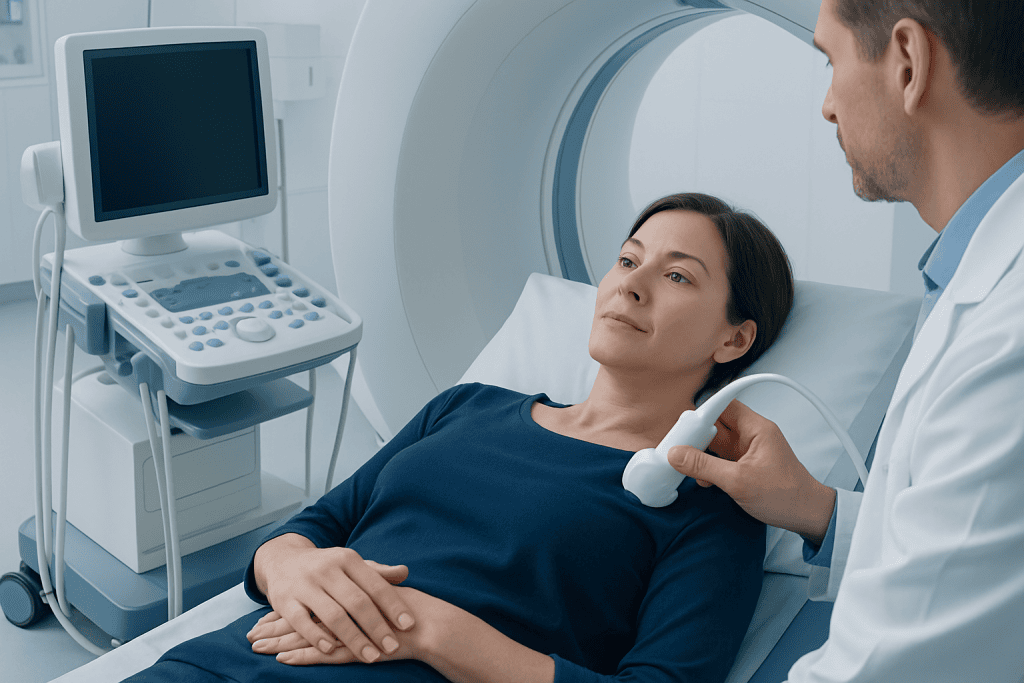
Yes, it is possible but not common. A negative biopsy can be a false-negative result, meaning cancer is present but was not identified in the tissue sample. This can happen when a lesion is small, difficult to reach, uneven in appearance, or when the sample contains nearby normal tissue, inflammation, scar tissue, or dead cells rather than the abnormal cells of interest.
The likelihood depends on the organ involved, the type of biopsy, how the sample was guided, and how concerning the original finding appears. Image-guided biopsies use ultrasound, CT, MRI, or other imaging to help place the needle accurately. Even so, some abnormalities require more than one sample or a larger tissue specimen to reach a confident diagnosis.
If the biopsy result is negative and the imaging or clinical findings are also reassuring, follow-up may simply involve repeat imaging after a planned interval. If findings do not agree, the doctor may request a pathology review, obtain another scan, repeat the biopsy using a different technique, or recommend surgical removal of part or all of the suspicious area for examination.
A negative result should not be interpreted alone or as a reason to ignore persistent symptoms. The clinician who ordered the biopsy can explain whether the result fits the original concern and what follow-up, if any, is appropriate.
How a biopsy works and who may need one
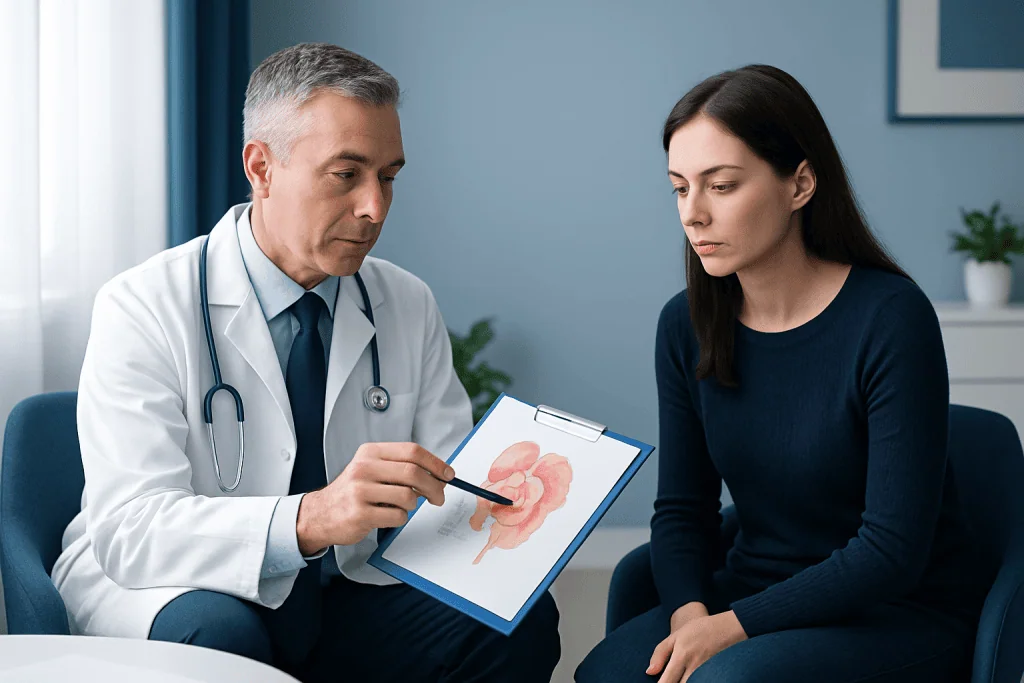
A biopsy may be advised when a doctor identifies an unexplained lump, a skin change, an enlarged lymph node, an abnormal blood result, or an area of concern on imaging. It may also help diagnose non-cancer conditions, including infections, autoimmune diseases, inflammatory disorders, and certain lung, liver, kidney, or digestive conditions.
The method is chosen according to the body site, the size and position of the abnormality, and a person’s overall health. Common approaches include fine-needle aspiration, core needle biopsy, punch or shave skin biopsy, endoscopic biopsy, bone marrow biopsy, and surgical biopsy. Needle biopsies can often be performed with local anesthetic; deeper or more complex procedures may require sedation or general anesthesia.
Before the procedure, the care team reviews medications, allergies, bleeding risks, and medical conditions. Blood-thinning medicines may need special planning, but they should never be stopped without instructions from the prescribing clinician. Patients should also ask whether fasting, a driver home, or temporary activity restrictions will be needed.
For suspected cancer, biopsy findings are central to diagnosis and treatment planning. The tissue can sometimes be tested further to identify cell type and molecular features that may guide care.
What happens during a biopsy: step by step
Although details vary, most biopsies follow a similar process. The team confirms the person’s identity, reviews consent, explains the procedure, and positions the patient so the area can be accessed safely. Imaging may be used immediately before and throughout the procedure to locate the target accurately.
The skin is cleaned with antiseptic, and local anesthetic is used for many procedures. A person may feel brief stinging from the anesthetic and pressure as tissue is collected, but sharp pain should be reported. For a needle biopsy, a small incision may be made, and several samples may be taken through the same entry point.
The specimen is placed in a container and sent to pathology. Depending on the reason for testing, the laboratory may examine the tissue under a microscope, perform special stains, or carry out genetic and molecular tests. The biopsy site is then covered with a dressing, and the patient receives instructions for wound care and follow-up.
Results can take from a few days to longer when additional testing is needed. The ordering clinician should communicate the result, explain whether it matches the imaging or examination findings, and outline the next step. If cancer is diagnosed, care may involve lung cancer treatment or other site-specific treatment planning with an appropriate multidisciplinary team.
Recovery timeline, benefits and possible risks
Many skin, breast, lymph node, thyroid, and superficial needle biopsies are outpatient procedures. Mild soreness, bruising, swelling, or a small amount of bleeding for a few days is common. Simple pain relief and a cool pack may be suggested, depending on the biopsy site and the clinician’s instructions.
Recovery from deeper biopsies, such as lung, liver, kidney, or bone marrow procedures, may require a period of observation. Some patients need several hours of monitoring, particularly after sedation or a procedure involving an internal organ. The team will advise when it is safe to eat, drive, return to work, exercise, or resume regular medicines.
The major benefit of biopsy is diagnostic clarity. It can prevent unnecessary treatment when a finding is benign and can help ensure that treatment is tailored appropriately when cancer or another condition is identified. Biopsy is generally safe, but potential risks include pain, bleeding, infection, damage to nearby structures, and an inadequate or non-diagnostic sample. Risks vary substantially by procedure and body site.
For example, a lung biopsy can rarely cause air to leak around the lung, known as pneumothorax. Teams assess these risks in advance and provide monitoring and follow-up instructions. A person should ask about the specific benefits, alternatives, and risks for their planned procedure.
My biopsy site isn't healing. What should I do?
It is normal for a biopsy site to be tender or bruised for a short time, but healing should gradually improve. The area should be kept clean and dry as instructed, and dressings should be changed only according to the care team’s advice. Picking at scabs, soaking the wound too early, or returning to strenuous activity before clearance may delay healing.
A patient should contact the clinic that performed the biopsy if the wound is not improving, is opening, continues to bleed, or has persistent or worsening pain. It is also important to seek medical advice for increasing redness, warmth, swelling, cloudy or foul-smelling drainage, or fever, as these may indicate infection or another complication.
People with diabetes, reduced circulation, immune suppression, poor nutrition, or use of certain medicines may heal more slowly and may need more individualized wound advice. Do not apply antibiotic creams, herbal preparations, or other products unless the treating team recommends them, as some products can irritate the skin or interfere with wound assessment.
What does it mean if my lung cancer biopsy results are positive?
A positive lung biopsy means that the pathology examination found cancer cells in the collected tissue. The report usually provides more information about the cancer type, such as non-small cell lung cancer or small cell lung cancer, and may include further details that help the team plan the next tests.
A positive biopsy alone does not determine the stage of cancer. Staging evaluates whether cancer is limited to the lung or has involved lymph nodes or other parts of the body. This often includes imaging and, in selected cases, additional procedures. Molecular and biomarker testing may also be performed because it can influence which treatments are most suitable.
Care is usually planned by specialists from respiratory medicine, thoracic surgery, medical oncology, radiation oncology, radiology, and pathology. Options may include surgery, radiation therapy, systemic medicines, or a combination, depending on the type and stage of cancer and the person’s health. Patients can also learn about lung cancer to understand the condition and the role of staging.
Receiving a positive result can be difficult. Asking for a copy of the pathology report, bringing a support person to appointments, and writing down questions can help patients feel more prepared for discussions about next steps.
How long do you stay in hospital after a biopsy?
Most biopsies do not require an overnight hospital stay. Skin biopsies and many ultrasound- or CT-guided needle biopsies are performed as outpatient procedures, meaning patients go home the same day after a short recovery period. Those who receive sedation generally need someone else to drive them home.
The observation period can be longer for biopsies of the lung, liver, kidney, or other internal organs because the team may monitor blood pressure, oxygen level, pain, bleeding, or procedure-specific complications. A chest X-ray may be performed after certain lung biopsies before discharge. Some surgical biopsies or procedures performed under general anesthesia may require an overnight stay.
The expected length of stay should be discussed before the procedure. It can depend on the biopsy type, the use of anesthesia, individual health needs, and whether any unexpected issue occurs. Discharge instructions should include a contact number, activity guidance, wound care information, and symptoms that require urgent assessment.
When to seek medical care
People should seek urgent medical attention after a biopsy for heavy or uncontrolled bleeding, difficulty breathing, chest pain, fainting, rapidly worsening swelling, severe pain not controlled by the advised plan, or signs of a serious allergic reaction. Fever, expanding redness, pus-like drainage, or worsening tenderness at the site should be reported promptly to the treating clinic.
A follow-up appointment is also important when a negative biopsy does not explain ongoing symptoms or when a lump changes, imaging remains suspicious, or a clinician recommends further testing. Timely review does not mean cancer is likely; it helps ensure that results and symptoms are assessed together and that no important finding is missed.
Acibadem International’s multidisciplinary specialists and JCI-accredited hospitals support international patients with biopsy assessment, pathology review, and coordinated treatment planning when needed.
Frequently asked questions
If biopsy is negative can it still be cancer?
Yes, although a negative result is often reassuring. Cancer may still be present if the sample did not include the abnormal cells or if the lesion is difficult to sample. Doctors compare the biopsy result with scans, examination findings, and symptoms to decide whether follow-up or another biopsy is needed.
What is a false-negative biopsy?
A false-negative biopsy occurs when the pathology report does not identify cancer, but cancer is present elsewhere in the suspicious area. It may result from sampling error, a small or uneven lesion, or technical limitations. Further imaging, pathology review, or repeat sampling can help clarify discordant results.
Can a biopsy make cancer spread?
Modern biopsy techniques are widely used and are considered an essential part of cancer diagnosis. The risk of tumor cells spreading along a biopsy path is very low for most cancers. The care team selects the safest approach and considers how the biopsy route may affect later treatment.
How long does it take to get biopsy results?
Basic pathology results often take several days, but timing varies by tissue type and laboratory workflow. Additional testing, including special stains or molecular testing, can take longer. The clinician should explain when results are expected and how they will be communicated.
Should a negative biopsy be repeated?
A repeat biopsy is not necessary for every negative result. It may be recommended when imaging or symptoms remain concerning, when the sample was insufficient, or when pathology and radiology findings do not match. The decision is individualized and should be discussed with the treating specialist.
When can normal activities resume after a biopsy?
Many people return to light activities within a day after a simple superficial biopsy. More invasive biopsies may require avoiding strenuous exercise, heavy lifting, driving after sedation, or bathing for a longer period. The procedure team’s written instructions should take priority because recovery depends on the biopsy site and method.
References
- National Cancer Institute
- American Cancer Society
- National Health Service
- College of American Pathologists
- Radiological Society of North America
This article is for general information only and is not a substitute for professional medical advice. Please consult a qualified doctor about your individual situation.
Oncology care in Turkey — second opinion and treatment plan
JCI-accredited · board-certified surgeons · reply within 24h
Add us as a Preferred Source to see more of our trusted health content across Google Search, AI Overviews and Discover.

More from the Health Library



Related Specialists

Fzt. Busenur Sezer
Physical Medicine & Rehabilitation
Prof. Dr. Alp Yentür
Anesthesiology
Dt. Ferah Kuybulu
Oral & Dental Health
Dr. Ali Osman Çiçek
Orthopedic Surgery & Traumatology