

Iih Treatment: How It Works, Results and What to Expect

IIH, or idiopathic intracranial hypertension, can cause headaches, visual changes and swelling of the optic nerve. Protecting eyesight is the priority; regular eye examinations and visual field testing help guide treatment.
Key Takeaways
- IIH, or idiopathic intracranial hypertension, can cause headaches, visual changes and swelling of the optic nerve.
- Protecting eyesight is the priority; regular eye examinations and visual field testing help guide treatment.
- Weight management and pressure-lowering medicines are often first-line treatments when appropriate.
- Surgery is generally considered for worsening or sight-threatening vision loss, or selected people with persistent symptoms.
- New or rapidly worsening visual symptoms require urgent medical assessment.
IIH treatment aims to lower raised pressure around the brain, relieve symptoms and, most importantly, protect vision. Care commonly includes weight management and medication, while urgent procedures or surgery may be needed when vision is threatened or symptoms remain difficult to control.
IIH Treatment: How It Works
Idiopathic intracranial hypertension (IIH) is a condition in which pressure inside the skull is raised without a brain tumor, hydrocephalus or another clear structural cause. The pressure can affect the optic nerves, which carry visual information from the eyes to the brain. For this reason, IIH treatment is designed first to preserve vision, while also reducing headaches, pulsatile tinnitus (a heartbeat-like sound in the ears) and other symptoms.
Most people receive care from a team that may include a neurologist, neuro-ophthalmologist, ophthalmologist, radiologist, dietitian and, when needed, neurosurgeon. The treatment plan depends on visual function, optic nerve swelling, headache pattern, body weight, other health conditions, medicines and whether there is a secondary cause of raised intracranial pressure.
People may encounter varied online terms, including “ihi treatment,” “ihi ihtc” or “iihs symptoms.” In clinical practice, it is important to use a confirmed diagnosis rather than rely on search terminology, because several conditions can cause headache and visual symptoms. Care begins with a careful assessment to establish whether IIH is present and how urgently treatment is needed.
Assessment, Candidacy and Diagnosis
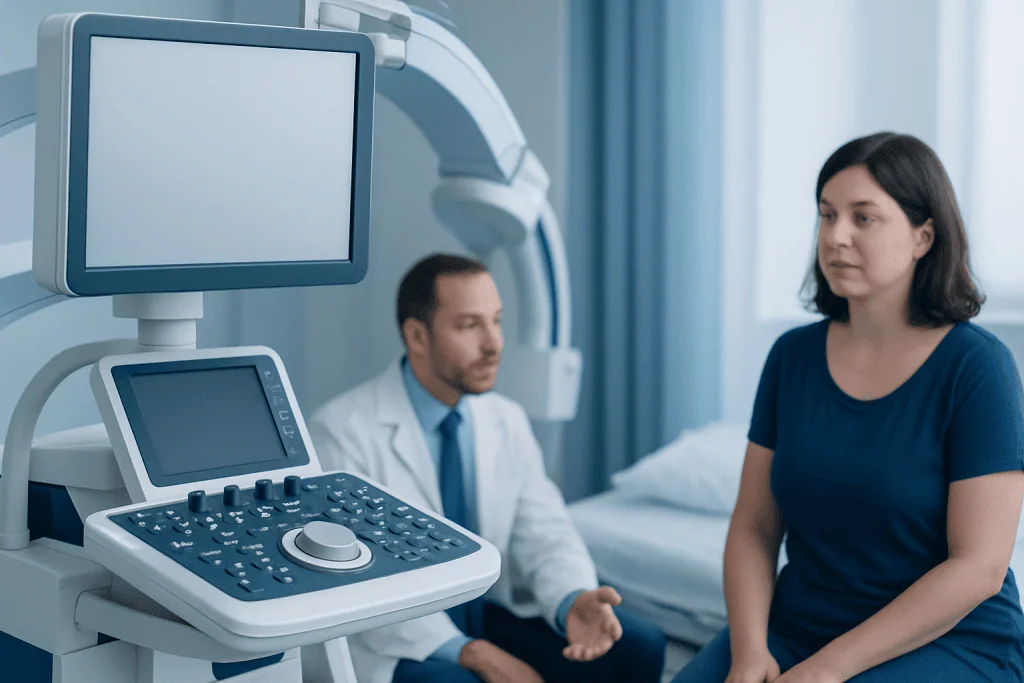
IIH is most often diagnosed after clinicians identify optic nerve swelling, called papilledema, and exclude other causes of raised intracranial pressure. An eye examination may include visual acuity testing, visual field testing, photographs of the optic nerve and optical coherence tomography (OCT), which measures changes in the optic nerve. These tests are also repeated over time to assess response to treatment.
Brain imaging, typically magnetic resonance imaging (MRI), often with imaging of the brain’s veins, helps rule out a mass, clot or other explanation. A lumbar puncture may then be used to measure cerebrospinal fluid pressure and examine the fluid. The test can support diagnosis, but it is not usually a long-term treatment by itself because pressure and symptoms may return.
Candidacy for a particular treatment is based primarily on the risk to vision. People with mild and stable visual findings may begin with non-surgical care and close follow-up. Those with rapidly declining vision, severe papilledema or visual field loss may require urgent intervention. Clinicians also review possible contributing factors, including certain medicines and endocrine conditions, before finalizing a plan.
Non-Surgical IIH Treatment Options

For people with overweight or obesity, gradual, medically supported weight loss can reduce intracranial pressure and may improve papilledema and symptoms. The appropriate approach is individualized and may include nutrition support, physical activity suited to the person’s health, behavioral strategies and management of related medical conditions. Sustained weight management is often an important part of long-term control and reducing recurrence risk.
Doctors may prescribe medicines that reduce cerebrospinal fluid production or support headache management. Choice of medication depends on the person’s symptoms, pregnancy plans, kidney function, mental health history and potential side effects. Medicines can cause effects such as tingling, fatigue, taste changes, stomach upset or kidney stones in some people, so follow-up and blood testing may be advised.
Headache in IIH can resemble migraine and may persist even when pressure and optic nerve swelling improve. A clinician may recommend a separate headache plan, including avoiding frequent use of pain relievers that can contribute to medication-overuse headache. Sleep, hydration, regular meals and management of migraine triggers may also be helpful, but these measures do not replace monitoring of visual function.
Questions about IIH and hormone replacement therapy should be discussed individually with the prescribing clinician and IIH team. Hormonal treatment should not be stopped abruptly without medical advice. The team can review the indication, timing of symptoms, personal clotting risk and whether another cause of intracranial hypertension needs to be excluded.
Procedures and Surgery: Step by Step
Procedures are considered when eyesight is at immediate risk or when carefully selected people do not respond adequately to non-surgical treatment. The main surgical approaches are optic nerve sheath fenestration, cerebrospinal fluid shunting and, in selected cases, venous sinus stenting. Each approach addresses a different aspect of the condition, so the best option depends on whether the major concern is vision loss, overall pressure control, anatomy of the brain’s venous drainage and the person’s wider health.
Optic nerve sheath fenestration is performed around the optic nerve, usually by an eye surgeon with appropriate expertise. A small opening is made in the covering of the optic nerve to relieve pressure around it. The procedure is mainly intended to protect vision and may be considered when visual decline is prominent.
A cerebrospinal fluid shunt is placed by a neurosurgeon to divert fluid from around the brain or spinal cord to another part of the body, most often the abdomen, where it can be absorbed. Before surgery, the person has imaging, blood tests and anesthesia assessment. During the operation, the surgeon places tubing and a valve; afterward, the team monitors neurological status, wound healing, headache and vision.
Venous sinus stenting may be considered for a carefully selected person with narrowing in a major vein that drains blood from the brain, when specialized evaluation supports a meaningful pressure gradient across the narrowing. The procedure is usually performed through a blood vessel using imaging guidance. It requires discussion of antiplatelet medicines, follow-up imaging and procedure-specific risks. These procedures should be performed in experienced multidisciplinary centers.
Recovery Timeline, Benefits and Risks
Recovery varies according to the treatment used and the severity of IIH. With lifestyle changes and medication, improvement in optic nerve swelling may be seen over weeks to months, while headaches can improve more slowly or continue independently. Eye testing is often repeated more frequently at the beginning of treatment, especially when papilledema or visual field changes are present.
After surgery, hospital stay and return to usual activities depend on the procedure and individual recovery. People are usually given guidance about wound care, activity, medicines and follow-up testing. They should attend scheduled eye and neurological reviews even if they feel better, because visual changes can sometimes occur before they are noticeable to the person.
The potential benefit of urgent surgery is prevention of further visual loss when vision is worsening. However, no procedure is risk-free. Optic nerve procedures may affect eye movement or vision; shunts can block, become infected, drain too much or require revision; and stenting can involve bleeding, clotting, vessel injury or complications related to antiplatelet therapy. A specialist team explains the expected benefits, alternatives and risks in the individual situation.
Results should be judged by objective measures as well as symptoms. This includes visual fields, optic nerve appearance, OCT results and assessment of headache-related disability. Ongoing research, sometimes described as IH medical research, continues to refine how treatment is selected and how outcomes are measured.
How Do You Know If IIH Is Getting Better?
IIH is getting better when eye examinations show less papilledema, visual fields are stable or improving and optic nerve OCT measurements improve. Many people also notice fewer brief visual dimming episodes, less pulsatile tinnitus and reduced headache burden. However, symptoms alone are not enough to confirm that the condition is controlled.
Headache may remain even after intracranial pressure and optic nerve swelling have improved, particularly when migraine is also present. Conversely, a person may not notice early visual field changes. Regular follow-up with an eye specialist or neuro-ophthalmology team is therefore essential until clinicians determine that the condition is stable.
Keeping a simple record of headache days, visual symptoms, medicines and possible side effects can help during reviews. Sudden worsening of vision, new double vision or a severe change in headache pattern should be assessed promptly rather than waiting for a routine appointment.
How Many People With IIH Go Blind? How Quickly Does IIH Progress?
Most people with IIH do not develop complete blindness, particularly when the condition is diagnosed early and visual function is monitored closely. Nonetheless, IIH can cause permanent visual impairment in a minority of people, and the risk is higher when papilledema is severe, visual fields are worsening or follow-up is delayed. Clinicians focus on early detection of these higher-risk patterns.
IIH does not progress at the same speed in every person. Some have symptoms that evolve gradually over months, while others can experience rapidly worsening visual loss over days to weeks. This aggressive form requires urgent specialist management, which is why changing vision should never be assumed to be a routine headache symptom.
Risk can also change over time. A person whose IIH has been stable may need reassessment after notable weight change, pregnancy, a medication change or recurrence of symptoms. Continued monitoring allows treatment to be adjusted before significant visual damage occurs.
What Is the Success Rate of IIH Surgery and When to Seek Medical Care
There is no single success rate for IIH surgery because procedures are used for different goals, people have different disease severity and studies define success differently. Surgery can be very effective for stabilizing or protecting vision in appropriately selected urgent cases, but headache relief is less predictable and some people require further procedures or ongoing medical treatment. A surgeon can explain the expected outcome for the proposed approach based on the individual’s visual findings and anatomy.
Medical care should be sought urgently for sudden or worsening vision loss, a growing blind spot, persistent double vision, a new severe headache unlike usual headaches, confusion, weakness, fainting or symptoms after a head injury. These symptoms may have causes other than IIH and need prompt assessment. People with known IIH should also contact their care team quickly if visual symptoms return or medicines cause concerning side effects.
For ongoing care, Acibadem International’s multidisciplinary specialists and JCI-accredited hospitals can assess IIH and coordinate neurological, eye and neurosurgical treatment for international patients. A person should discuss their symptoms, treatment goals and follow-up needs with a qualified doctor before making changes to medication or considering a procedure.
Frequently asked questions
What is the main goal of IIH treatment?
The main goal is to protect vision by lowering intracranial pressure and resolving or preventing worsening optic nerve swelling. Treatment also aims to reduce headaches and other symptoms, although headache improvement may require its own management plan.
Can IIH go away with weight loss?
For some people with overweight or obesity, sustained weight loss can significantly improve IIH and may lead to remission. It is not an immediate substitute for urgent treatment when vision is at risk, and follow-up eye testing remains important.
Is a lumbar puncture a treatment for IIH?
A lumbar puncture may temporarily reduce pressure and can help confirm the diagnosis. However, its benefit is often short-lived, so repeated lumbar punctures are not generally used as routine long-term treatment.
When is surgery considered for IIH?
Surgery is usually considered when vision is rapidly worsening, papilledema is severe, or non-surgical treatment is not adequately protecting vision. The procedure chosen depends on the person’s visual findings, anatomy and overall clinical situation.
Can IIH headaches continue after treatment?
Yes. Headaches may continue even when pressure and optic nerve swelling have improved, particularly if migraine or medication-overuse headache is present. A clinician can assess the headache type and recommend a tailored treatment strategy.
Does IIH always cause blindness?
No. Most people with timely diagnosis, regular eye monitoring and appropriate treatment do not develop complete blindness. Because permanent visual loss is possible in a minority of cases, new or worsening visual symptoms need prompt evaluation.
References
- National Eye Institute
- National Institute of Neurological Disorders and Stroke
- American Academy of Ophthalmology
- International Headache Society
- European Headache Federation
This article is for general information only and is not a substitute for professional medical advice. Please consult a qualified doctor about your individual situation.
Heart care in Turkey — expert evaluation and treatment
JCI-accredited · board-certified surgeons · reply within 24h
Add us as a Preferred Source to see more of our trusted health content across Google Search, AI Overviews and Discover.

More from the Health Library



Related Specialists

Prof. Dr. Mehmet Ali Şehitoğlu
Otorhinolaryngology
Prof. Dr. Oya Yönal
Gastroenterology
Prof. Dr. Dilaver Kaya
Neurology
Prof. Dr. Alper Celal Akcan
General Surgery